

Why spring in Ireland is something else entirely
I’ll be honest with you. The first time I visited Ireland in March, I packed for a mild spring break and spent the first two days wondering why I’d left my proper rain jacket at home. By day three, though, something shifted. The clouds broke over the Burren, the limestone lit up in pale gold light, and I watched the whole landscape exhale after winter. I’ve been chasing that feeling ever since.
If you’re wondering how to enjoy spring in Ireland, the short answer is this: go slowly, dress in layers, and let the country surprise you. Spring here runs from February through May, and it’s one of the most rewarding times to visit. The tourist crowds haven’t arrived yet, the green is almost unreasonably vivid, and the Irish are in a noticeably good mood after the long, dark winter.
What follows is everything I wish I’d known before my first spring trip, and what I’ve learned from many trips since.
What spring in Ireland actually looks and feels like

The landscape wakes up fast
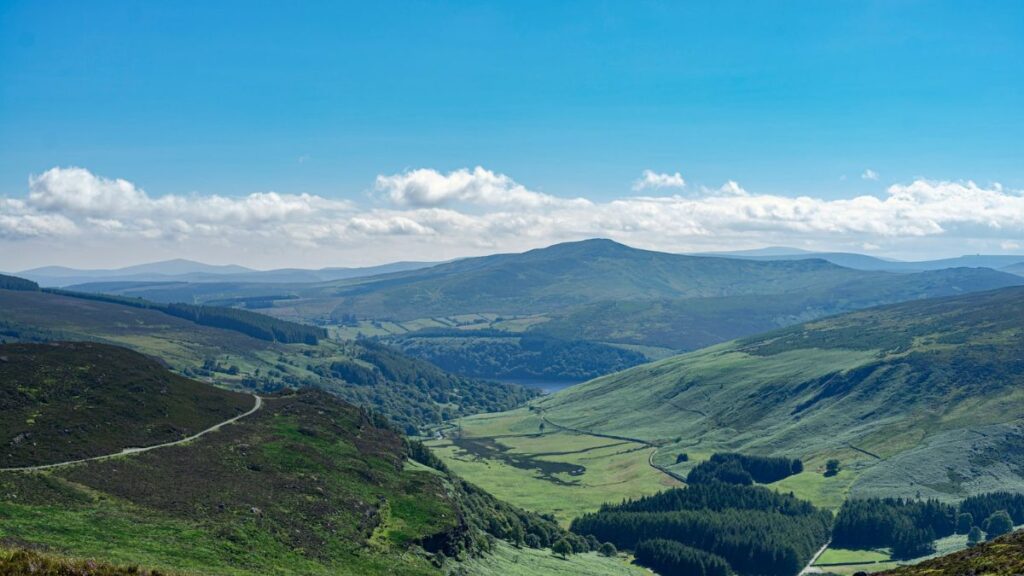
Ireland’s landscape in spring has a quality that photographs never quite capture. From late February onwards, you start to see the first tentative signs: snowdrops in hedgerows, lambs wobbling in fields, and that particular shade of green that gave the island its nickname.
By April, the countryside is extraordinary. The gardens and parks in Ireland are hitting their stride, with camellias, magnolias, and early rhododendrons in full bloom. The gardens at Powerscourt in County Wicklow, for instance, are at their absolute best in late April, when the formal terraced beds are in full colour, and you have the lawns mostly to yourself.
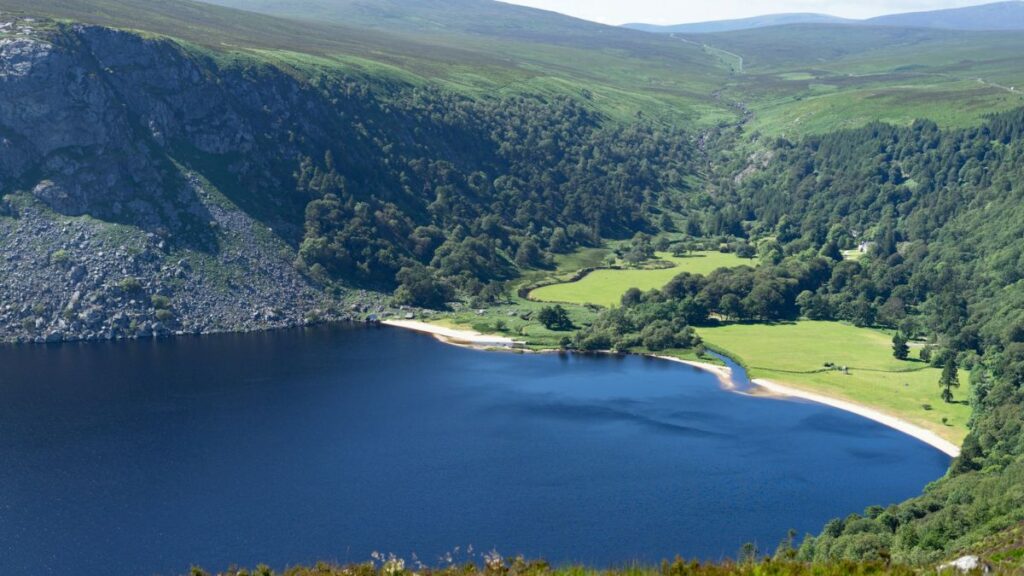
By May, the wildflowers are everywhere. Bluebells carpet the woodland floors in places like Glendalough. Yellow gorse blazes along clifftops. It’s genuinely one of the most beautiful places in Europe at this time of year, and most visitors don’t know it yet.
The light is different too
One thing that catches people off guard is how the light changes in spring. The days are getting noticeably longer by March and significantly longer by May. By mid-May, you’re looking at roughly 16 hours of daylight, which is plenty of time for long walks, scenic drives, and lingering dinners without feeling rushed.
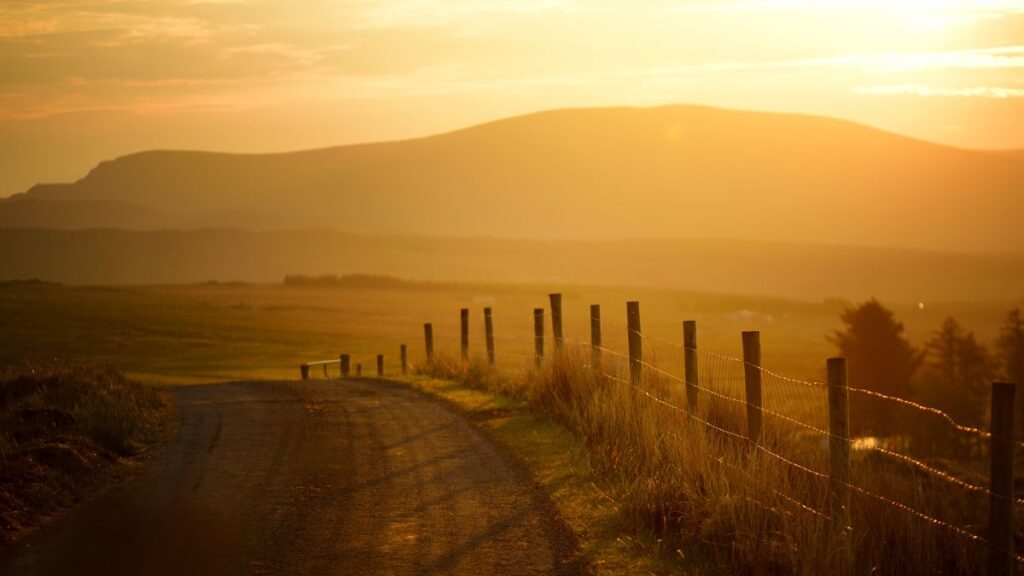
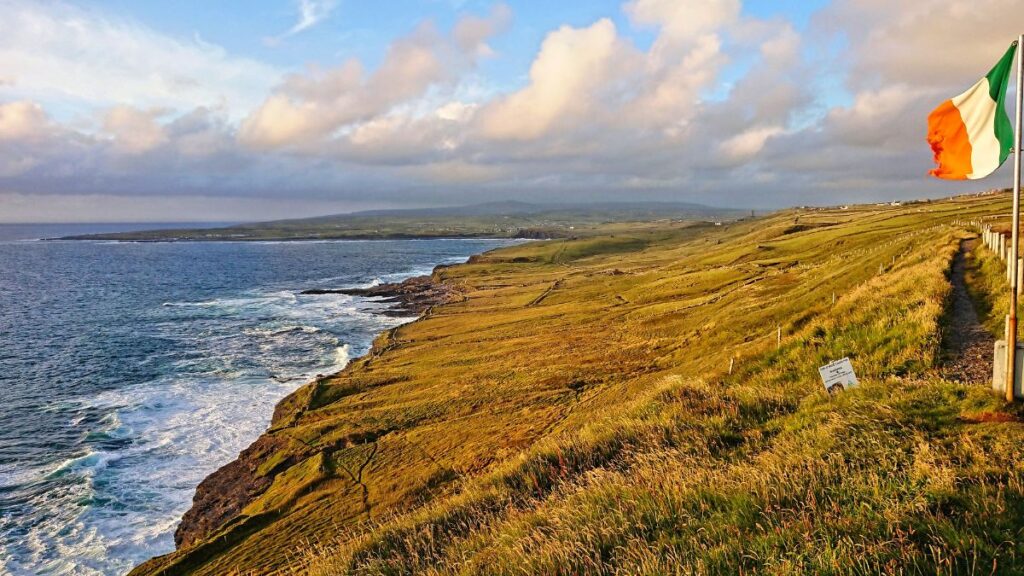
That low, golden evening light is particularly spectacular along the Wild Atlantic Way, where it bounces off the water and turns the cliff faces amber. I always try to plan my drives along the west coast for early evening in spring for exactly this reason.
The best things to do in spring in Ireland

Get out and walk before the crowds arrive
Spring is genuinely the best season for walking in Ireland. The trails are not yet overrun, the air is crisp, and the views are at their clearest. If hiking is part of your plan, you’ll want to look at the dedicated guide to hiking trails in Ireland before you go, but here are a few that are particularly special in spring.
The Wicklow Way is stunning in April when the gorse is in bloom. The Kerry Way offers those iconic Atlantic views without the summer crowds. And the Causeway Coast Way in Northern Ireland, especially the stretch near the Giant’s Causeway, has a moody, dramatic quality in spring that summer simply can’t replicate.
One practical note: the ground can be soft and boggy after winter rain, so proper waterproof boots are non-negotiable. More on packing below.
Visit the historic sites before tour buses take over
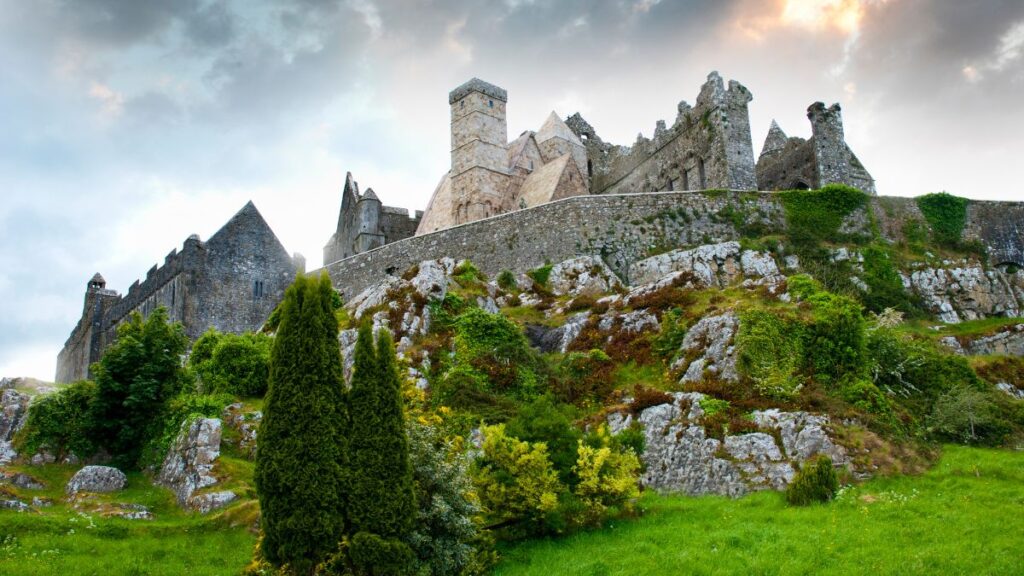
Spring is the sweet spot for visiting Ireland’s most famous historic landmarks in Ireland. The Rock of Cashel, Newgrange, Kilkenny Castle, and the Cliffs of Moher are all dramatically less busy between February and early May than they are in summer.
I visited Newgrange on a wet Wednesday in March a few years ago and had the whole site essentially to myself. The guide was relaxed, unhurried, and happy to answer every question I had. In July, that same visit involves timed entry slots booked weeks in advance and groups of 30 shuffling through together.
If you’ve been putting off a trip to the Skellig Islands off the Kerry coast, spring is also when the puffins start returning, usually from mid-April. The island itself doesn’t open for tourist visits until late May, but the boat trips around the islands offer incredible wildlife viewing from as early as April.
Chase the festivals
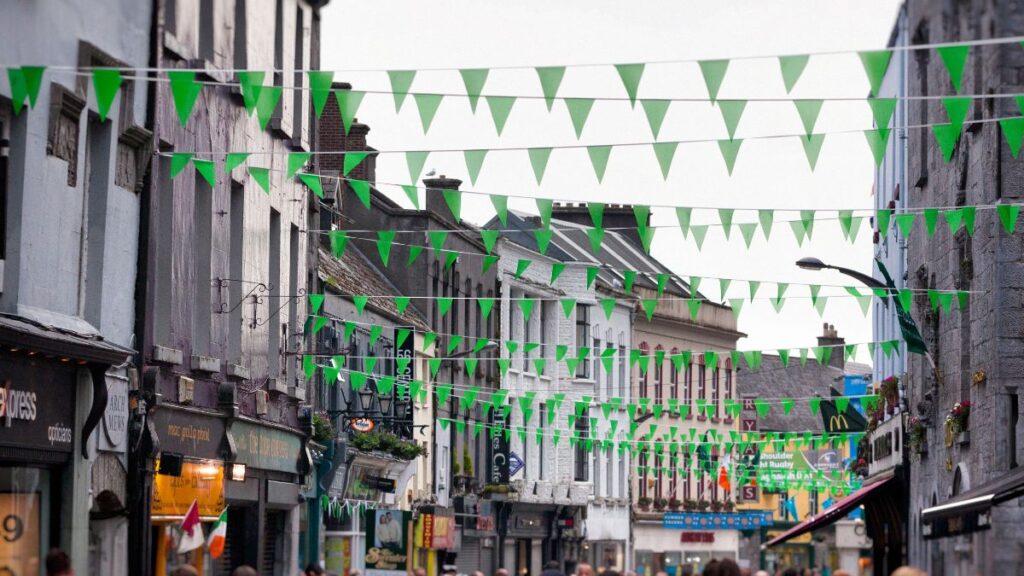
Ireland in spring is festival season in the best, low-key way. St Patrick’s Day on the 17th of March is the obvious one, and it really is worth experiencing at least once, particularly in Dublin, Galway, or Limerick. But the spring festivals in Ireland extend well beyond Paddy’s Day.
The Galway Film Fleadh, the Belfast International Arts Festival, various food festivals in Cork and Kilkenny, and a string of traditional music sessions that open back up across the country in spring are all worth planning around. Ask at your accommodation or check local notice boards; Ireland’s best events are often the informal ones that don’t make it onto the big travel sites.
Spend time in the gardens
I can’t say this strongly enough: Ireland’s gardens in spring are world-class and criminally undervisited. The Gulf Stream keeps the southwest mild enough for plants that would struggle elsewhere in northern Europe, and the result is gardens of staggering variety.
Mount Congreve in Waterford has one of the largest collections of rhododendrons in the world, and they peak in April and May. Ilnacullin (also called Garinish Island) in Bantry Bay is reached by boat and feels completely otherworldly in spring. Rowallane Garden in County Down, managed by the National Trust, is particularly beautiful in April.
Two real spring experiences that shaped what I tell people

The Dingle detour that changed everything
A friend of mine, Sarah, visited Ireland for the first time in late April a couple of years ago. She’d planned a fairly standard itinerary: Dublin for a few nights, a bus tour to the Cliffs of Moher, Killarney, and back to Dublin. Nothing wrong with that, but when she arrived, she was told by her guesthouse owner in Dingle to take the Conor Pass road early the next morning before any mist rolled in.
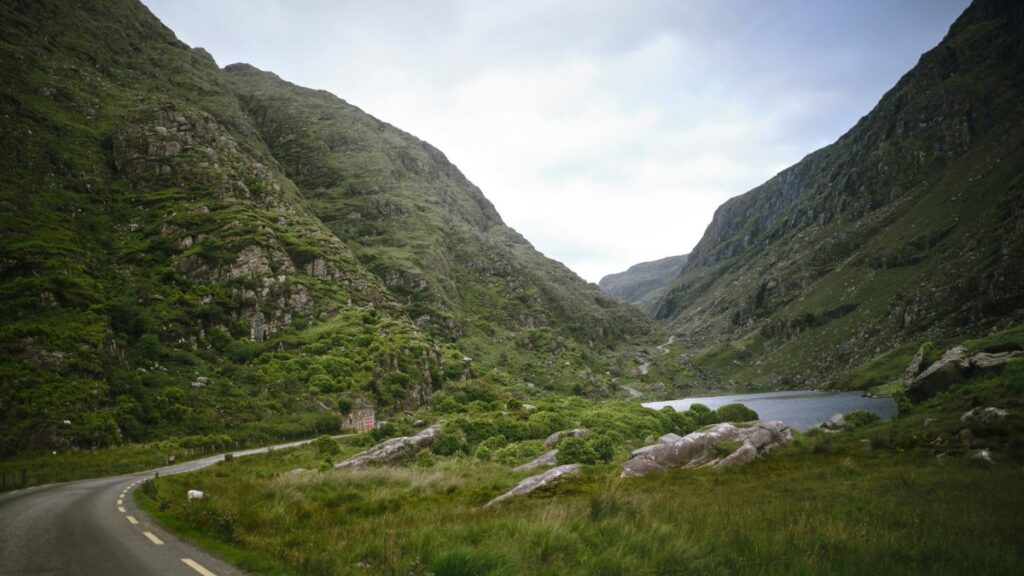
She almost didn’t bother. She went anyway, at 7 am, in a rental car, and she told me later it was the moment she understood what people meant about Ireland. The pass was clear, the mountains were dusted in snow at the top, and below her, the spring green of the Dingle Peninsula stretched all the way to the Atlantic. She moved her flight back by four days and has been back every spring since.
The lesson: leave room in your itinerary for the unexpected. Ireland in spring rewards the flexible traveller enormously.
Why March in Cork surprised a self-described “sun holiday” person
My colleague David is, by his own admission, a sun-and-pool type. He went to Cork in March only because his partner had a work trip there and he tagged along, expecting to be bored. He is now insufferable about Cork.
What got him was the food scene. He spent two days eating at the English Market, discovering local farmhouse cheeses and chowder so good he had to sit down, and getting roped into a spontaneous session in a pub on a Tuesday night where a group of musicians just started playing, and the whole bar came alive.
He didn’t see much sun. He barely noticed.
Spring in Ireland isn’t about the weather in the conventional sense. It’s about the atmosphere, the pace, and a country that’s genuinely pleased to see you.
Practical tips for planning your spring trip

When to go within the spring season
The spring season in Ireland runs from early February through late May, but the experience varies quite a bit depending on when you visit.
- February: The earliest stirrings of spring. Quiet, often quite cold, occasional snow on higher ground. Best for solitude seekers and those who want the country entirely to themselves.
- March: St Patrick’s Day transforms the country mid-month. A real mix of wild weather and stunning clear days. Excellent value for accommodation.
- April: The sweet spot. Countryside in bloom, days noticeably longer, still well ahead of summer crowds. One of the best months to visit Ireland, full stop.
- May: Beautiful and increasingly busy as the season warms. Bank holiday weekends can be hectic in popular spots, but weekdays are still excellent.
Where to go
For a first spring visit, a rough itinerary might look like this:
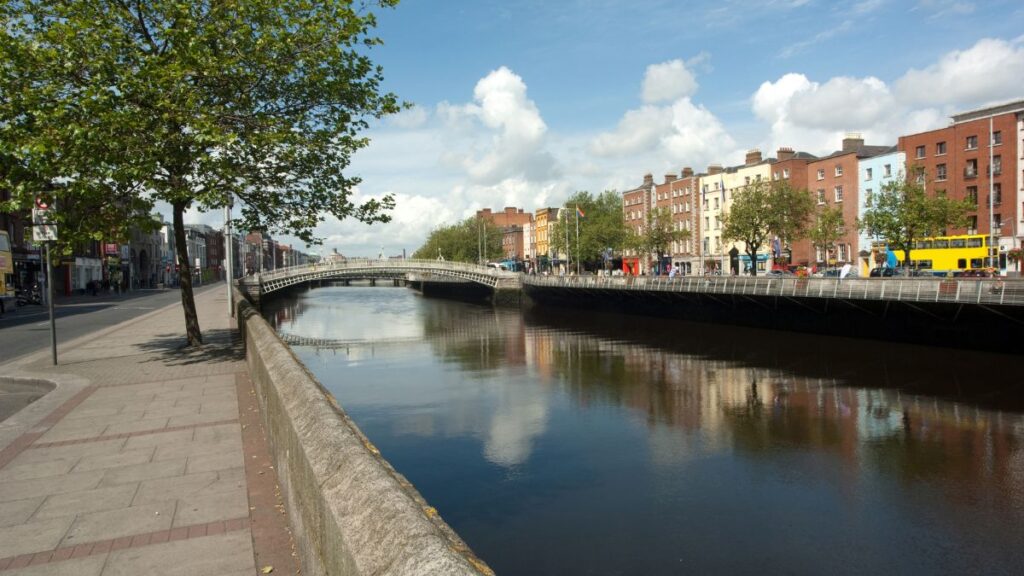
- Dublin (2-3 nights): Get your bearings, hit the museums and pubs, and day-trip to the Wicklow Mountains.
- Kilkenny or Waterford (1-2 nights): Beautiful medieval towns with excellent food scenes.
- Cork (2 nights): The English Market, Kinsale for seafood, day trip to Blarney.
- Kerry or Clare (2-3 nights): Killarney National Park, the Ring of Kerry, or the Burren and Cliffs of Moher.
- Galway (2 nights): The best craic per square metre in Ireland, with easy access to Connemara.
That’s a 10-12-day trip and covers an enormous amount of ground. If you have more time, the Wild Atlantic Way northwards from Galway through Mayo and Donegal is spectacular in spring and almost empty.
Getting around
Ireland is best explored by car in spring, particularly if you want to reach the most scenic parts of the west coast. Trains and buses connect the main cities well, but you’ll miss a lot of the landscape without wheels.
Driving is on the left. The roads in rural areas, particularly in the west, are very narrow, and you’ll need to be comfortable with pulling into passing places and reversing the occasional hundred metres. Most visitors adapt to this within a day or two.
What to expect from the weather
This deserves its own section because it’s the thing people ask about most, and the honest answer is: expect everything.
Spring weather in Ireland is genuinely unpredictable. You can have four seasons in a single afternoon, which is both the defining characteristic and, once you accept it, part of the charm. Temperatures typically range from around 7°C at night to 14°C during the day, with the southwest generally milder and the northeast cooler.
Rain is a constant possibility. April tends to be slightly drier than March. May can be quite settled, with some genuinely warm sunny spells, particularly in the southeast.
The key insight, which takes most visitors a couple of trips to fully internalise, is that bad weather doesn’t last long in Ireland. A morning of heavy rain will often give way to a brilliant afternoon. Checking the forecast the night before and building flexibility into each day makes a huge difference.
Packing for spring in Ireland: what you actually need

The wrong packing approach is the number one reason people have a less-than-ideal spring trip to Ireland. The Ireland packing list goes into detail, but the core principle is layers.
You need:
- A proper waterproof jacket (not a “water-resistant” one, a genuinely waterproof one, with a hood).
- Waterproof walking boots or shoes, especially if you plan to hike.
- A mid-layer: a fleece or light down jacket for cold evenings.
- Light layers underneath: thermals for February and March, lighter base layers for April and May.
- A compact umbrella for city days when you don’t need the full jacket.
- Comfortable walking shoes for cities and towns.
- At least one smart-casual outfit for evenings out, particularly in Dublin and Galway.
The mistake is packing for one type of weather. Ireland in spring requires you to be ready for all of them, sometimes within the same walk.
Conclusion
Spring in Ireland is one of those travel experiences that tends to recalibrate people. It’s not flashy. It doesn’t promise guaranteed sunshine or the kind of certainty that makes for easy Instagram planning. What it offers instead is a landscape of astonishing beauty, a culture that puts genuine human warmth ahead of performance, and a sense of a country returning to life after winter.
Go in spring, dress sensibly, drive slowly, talk to people, and leave room in your days for the unexpected. You’ll come home with stories that took you by surprise. That’s sort of the whole point.
Frequently asked questions about spring in Ireland
What is spring season in Ireland?
In meteorological terms, spring in Ireland runs from the 1st of February through the 30th of April. This is the definition used by Met Éireann, the Irish national weather service, and it differs from the astronomical spring used in many other countries. Colloquially, most Irish people think of spring as stretching from February through May, with the season really coming into its own in April and May when temperatures rise and daylight hours significantly increase.
Is February 1st the first day of spring?
Yes, in Ireland it is. The 1st of February is the traditional Celtic festival of Imbolc, which has been celebrated for thousands of years as the beginning of spring. When the Irish Meteorological Service formally adopted meteorological seasons (which divide the year into four three-month periods beginning on the 1st of each month), this aligned neatly with the ancient Irish tradition. So while much of Europe considers spring to start on the 20th or 21st of March (the vernal equinox), in Ireland, the 1st of February is officially and traditionally the first day of spring.
What is the weather like in Ireland in spring?
Ireland’s spring weather is changeable, mild, and frequently wet. Average daytime temperatures range from around 8-10°C in February and March, rising to 12-15°C by May. Rainfall is common throughout the season, with April typically slightly drier than March. The west coast, particularly Kerry, Cork, and Galway, tends to be milder than the east, thanks to the warming influence of the Atlantic Gulf Stream. Snow is rare at low elevations but not unheard of on higher ground in February and March. The good news is that spells of beautiful, clear weather are also common in spring, and the long evenings by May give you plenty of time to make the most of good days.
What clothes to wear in Ireland in spring?
Layering is the non-negotiable approach to dressing for spring in Ireland. The key items are a genuinely waterproof outer jacket with a hood, a mid-layer such as a fleece or light down jacket, comfortable base layers (thermal for February and March, lighter for April and May), and waterproof footwear if you plan to walk anywhere beyond city pavements. For evenings, particularly in cities, a smart-casual layer, such as a light sweater or blazer, is useful for restaurants and bars. The mistake to avoid is treating spring in Ireland like spring in southern Europe: it is not shorts-and-T-shirt weather, and even warm days can turn cold and wet by mid-afternoon.
What is the rainiest season in Ireland?
Winter is generally Ireland’s wettest season, with December and January recording the highest average rainfall nationally, particularly along the west coast. Autumn, especially October and November, is also very wet. Spring is actually relatively moderate in terms of rainfall compared to winter and autumn, though it is by no means dry. Summer (June to August) is not significantly drier than spring in most parts of Ireland, which often surprises visitors expecting a dramatic seasonal difference. The southeast of Ireland, particularly counties Wexford and Waterford, tends to be the driest part of the country year-round.