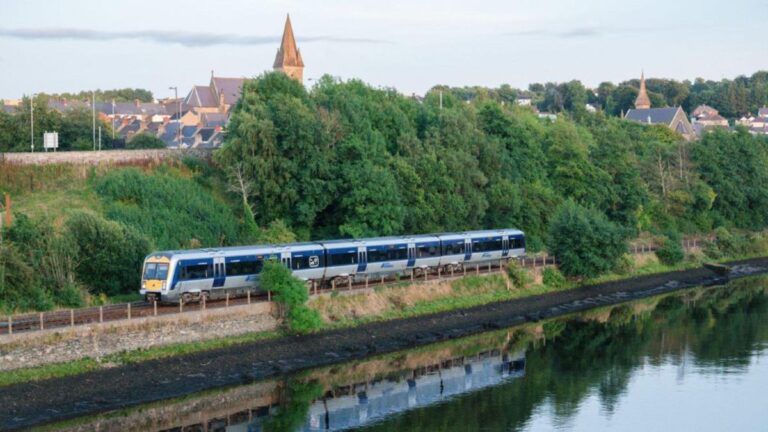
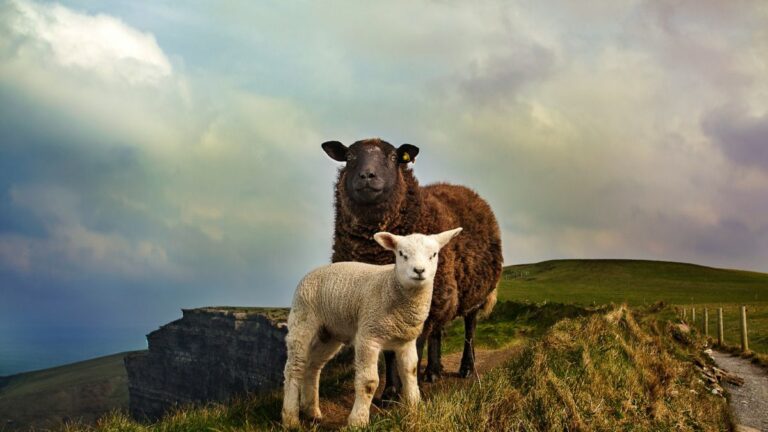
The best gardens and parks in Ireland to visit in spring

Share this
There’s something genuinely special about Ireland in spring. The grey skies start to lift, the hedgerows turn green almost overnight, and suddenly the whole island feels like it’s waking up after a long sleep. If you’ve been wondering what the best gardens and parks in Ireland look like when the bluebells are out and the cherry blossoms are in full swing, this guide is for you.
The short answer: The best gardens and parks in Ireland to visit in spring include Powerscourt Gardens in Wicklow, the National Botanic Gardens in Dublin, Killarney National Park in Kerry, Kylemore Abbey Gardens in Galway, and Glenveagh National Park in Donegal, among others. Spring, roughly March through May, is arguably the best time to visit any of them.
But there’s a lot more to it than a list. Each of these places carries a piece of Irish history, and knowing that story makes the visit richer. So let’s dig in.
Why spring is the best time to visit gardens and parks in Ireland
Most people assume summer is peak season for gardens. And sure, the long evenings are lovely. But spring is when Irish gardens are at their most dramatic. Daffodils and snowdrops give way to magnolias, rhododendrons, and wisteria. The light is soft and clean. The crowds haven’t arrived yet. And the entrance fees, where applicable, are often lower than in July or August.
Spring in Ireland also coincides with some wonderful seasonal events across the country, from spring festivals in Ireland celebrating food, heritage, and the arts, to garden-specific open days that give you rare access to private estates.
The other thing worth knowing is that Irish gardens are not just pretty backdrops. Many of them are living documents of history, bound up with the Georgian ascendancy, the Famine era, Victorian plant-hunting expeditions, and centuries of monastic tradition. Visiting them in spring, when everything is growing and alive, gives that history a kind of texture you don’t get from a museum.
The best gardens and parks in Ireland to visit in spring
1. Phoenix Park, Dublin
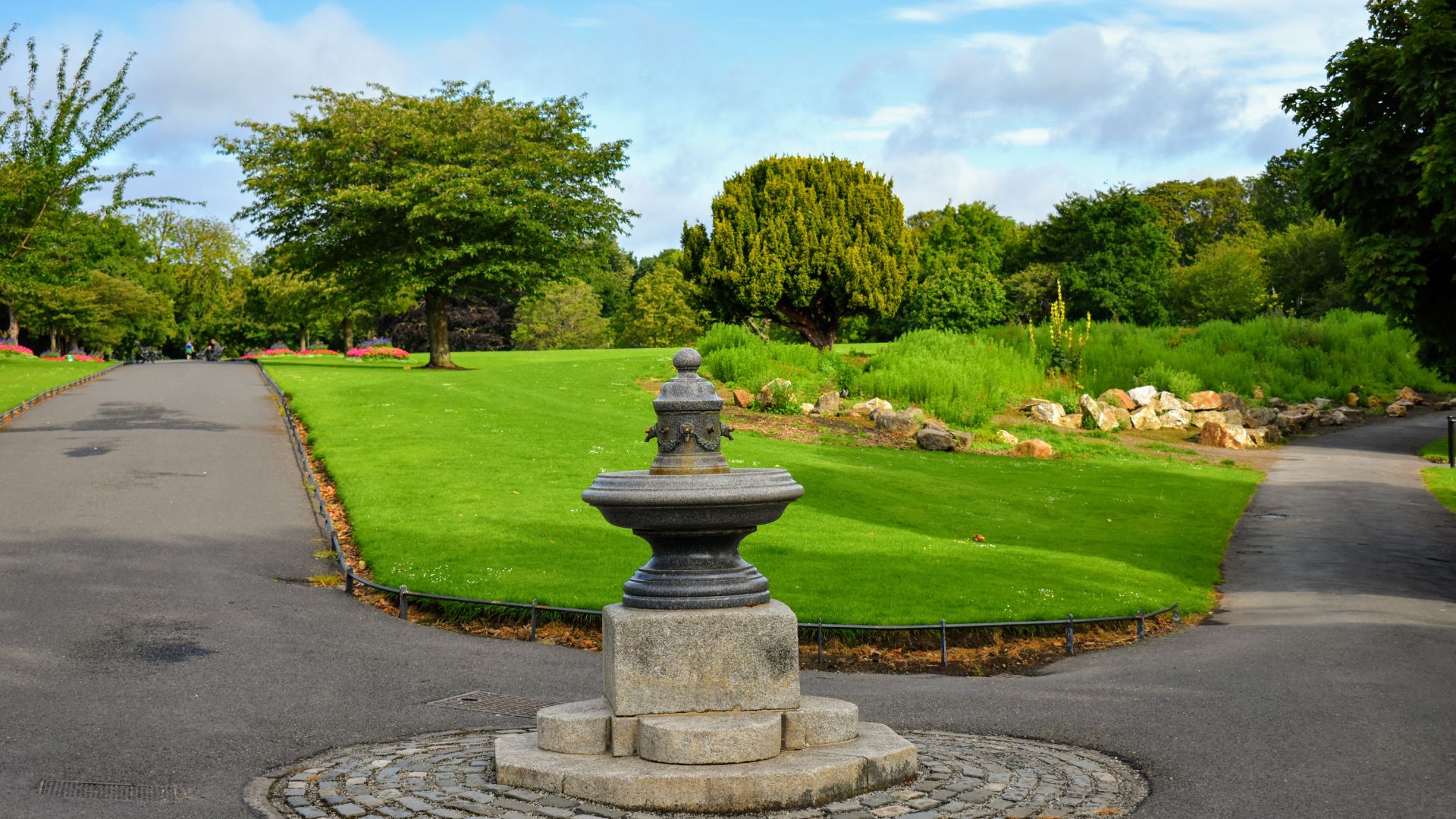
Phoenix Park is one of the largest enclosed city parks in Europe, at roughly 1,752 acres. It sits just a few kilometres from Dublin city centre, and most people know it as the place with the deer and the Papal Cross.
What fewer people know is that the park has been shaping Irish history since the 1660s, when the Duke of Ormonde enclosed it as a royal hunting ground under Charles II. The name itself is almost certainly a corruption of the Irish fionn uisce, meaning “clear water,” a reference to a freshwater spring that no longer exists.
In spring, the park transforms. The formal gardens near Áras an Uachtaráin, the official residence of the Irish President, burst into colour. The People’s Flower Gardens near the Heuston Gate are carpeted with tulips and narcissus. And the fallow deer, which have roamed here since the 17th century, can often be spotted in the early morning near the Magazine Fort.
Practical tips:
- Entry is free, and the park is open 24 hours.
- The visitor centre near Ashtown Castle is worth 30 minutes of your time.
- Go on a weekday morning in April if you want the deer sightings without the crowds.
2. Powerscourt Gardens, Wicklow
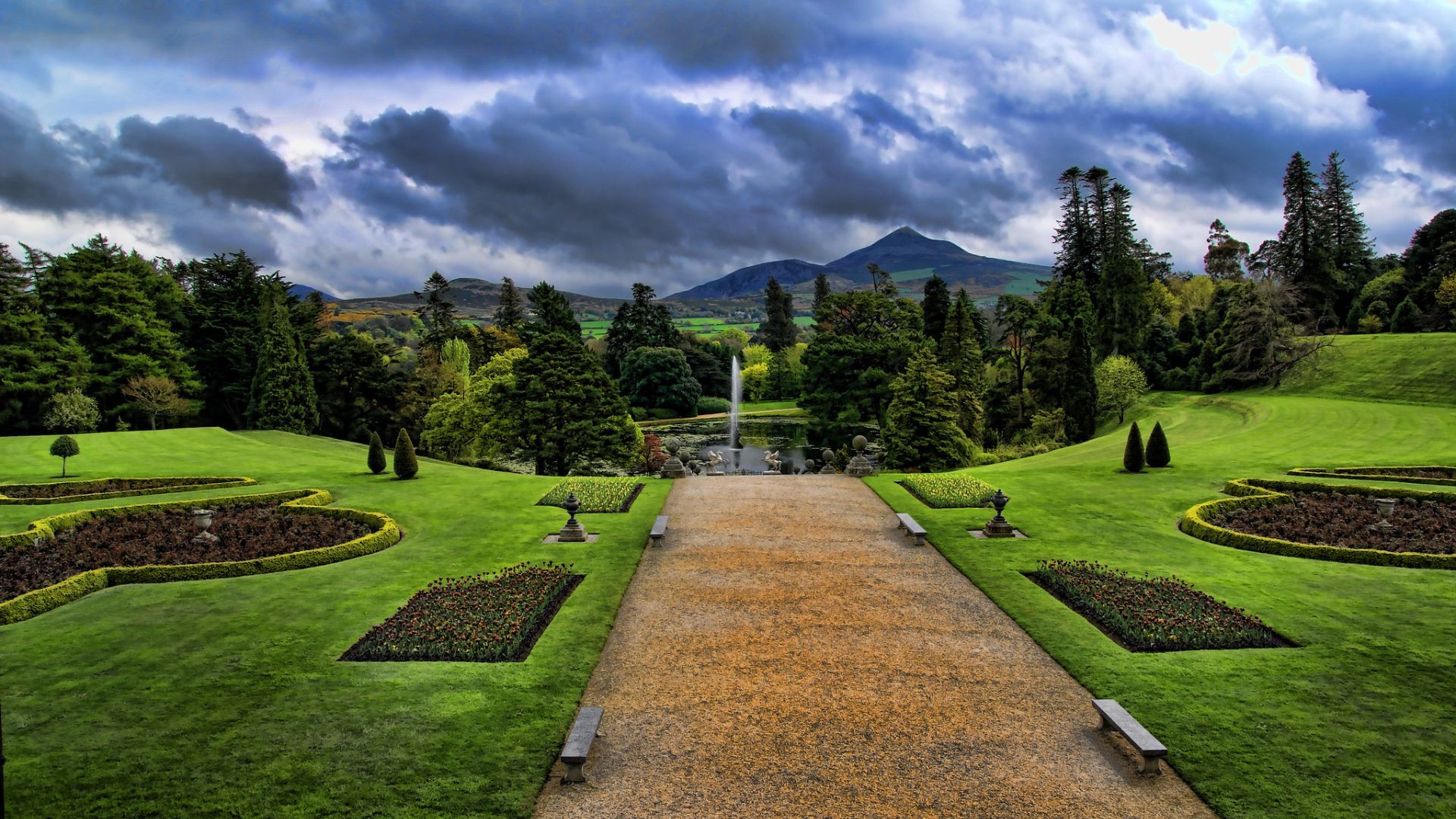
If you visit only one garden on this list, make it Powerscourt. Situated in the foothills of the Wicklow Mountains, these 47 acres of formal and informal gardens are consistently ranked among the finest in the world. The Triton Lake, the Japanese Gardens, the Italian terraces, the walled kitchen garden: all of it is extraordinary.
The estate dates back to 1300, when the Le Poer (later Powerscourt) family built a castle here. The current house is an 18th-century Palladian mansion designed by Richard Castle, though it was badly damaged by fire in 1974. The gardens, thankfully, survived.
Spring is genuinely the best season here. The rhododendrons along the Pepperpot Walk explode in deep pinks and purples from late March. The Japanese Gardens, designed with incredible care in the early 20th century, are at their most serene before summer tour groups arrive.
I visited Powerscourt on a drizzly April morning a couple of years ago. There were perhaps thirty other people in the whole place. The mist hung low over the Sugar Loaf Mountain, which frames the view from the Italian terraces like a painting. It was, honestly, one of the most beautiful mornings I’ve spent anywhere.
Practical tips:
- Adult entry is around €10–€12; check the website for current pricing.
- Combine with a short drive to Powerscourt Waterfall, the highest in Ireland, about 5 km away.
- The café in the house is excellent for a post-walk lunch.
3. National Botanic Gardens, Dublin
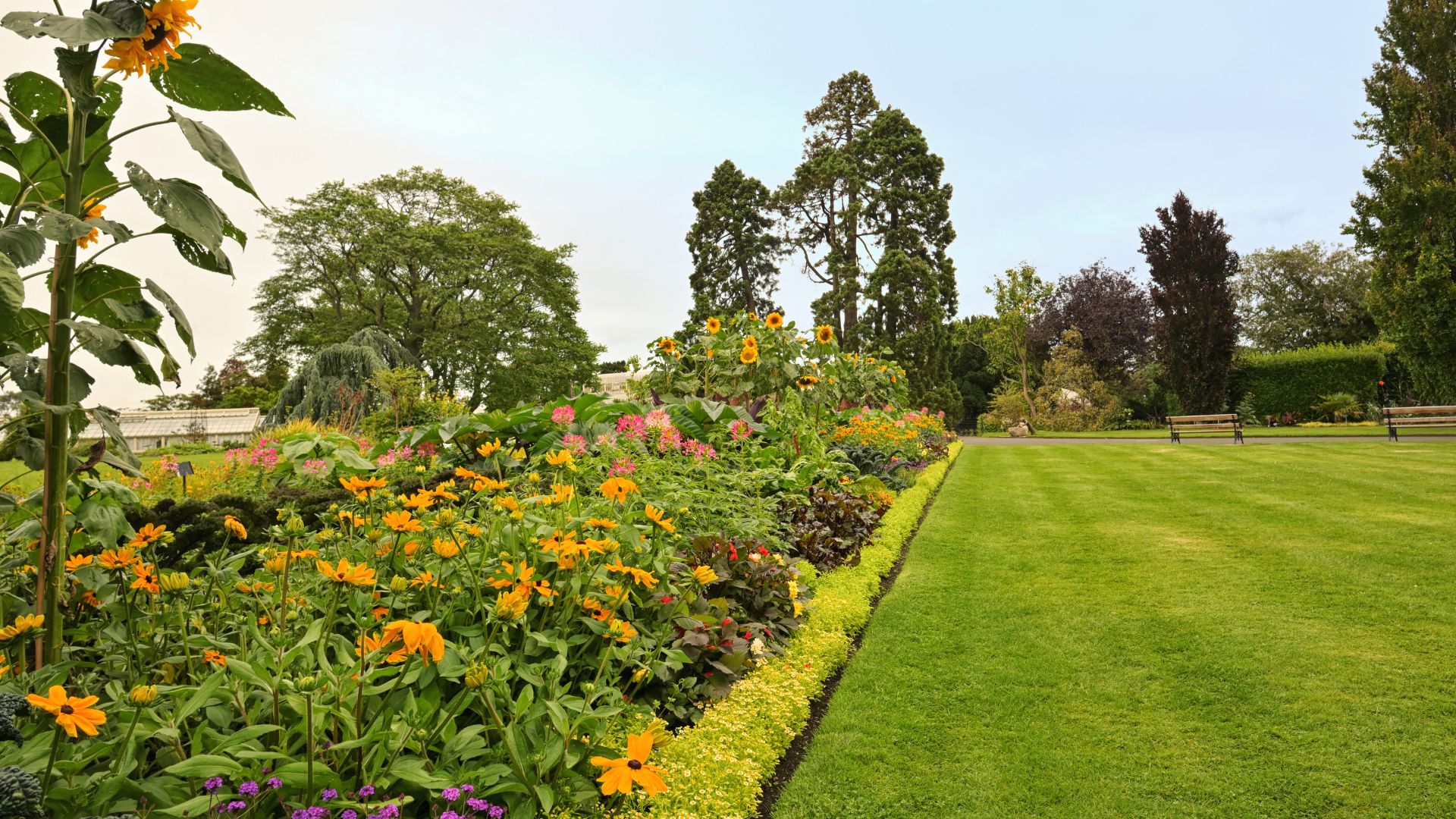
The National Botanic Gardens in Glasnevin, Dublin, opened in 1795 and span about 49 acres along the banks of the River Tolka. They’re free to enter and represent one of the most important botanical collections in the world, with over 15,000 plant species.
The history here is layered and sometimes uncomfortable. During the Great Famine of the 1840s, the Gardens’ director, David Moore, worked to cultivate disease-resistant potato varieties in a desperate, ultimately unsuccessful attempt to find a solution. The Gardens’ herbarium still holds specimens from that period, a quiet archive of one of history’s worst disasters.
In spring, the curvilinear glasshouses, built by the same engineer who worked on the Crystal Palace, are full of tropical colour. Outside, the rose garden, the rock garden, and the Order Beds (where plants are arranged by botanical family) are all excellent in April and May.
Practical tips:
- Allow at least two hours; the glasshouses alone deserve an hour.
- Entry is free, every day of the year.
- The guided tours, available on weekends in spring, are genuinely informative.
4. Kylemore Abbey Gardens, Galway
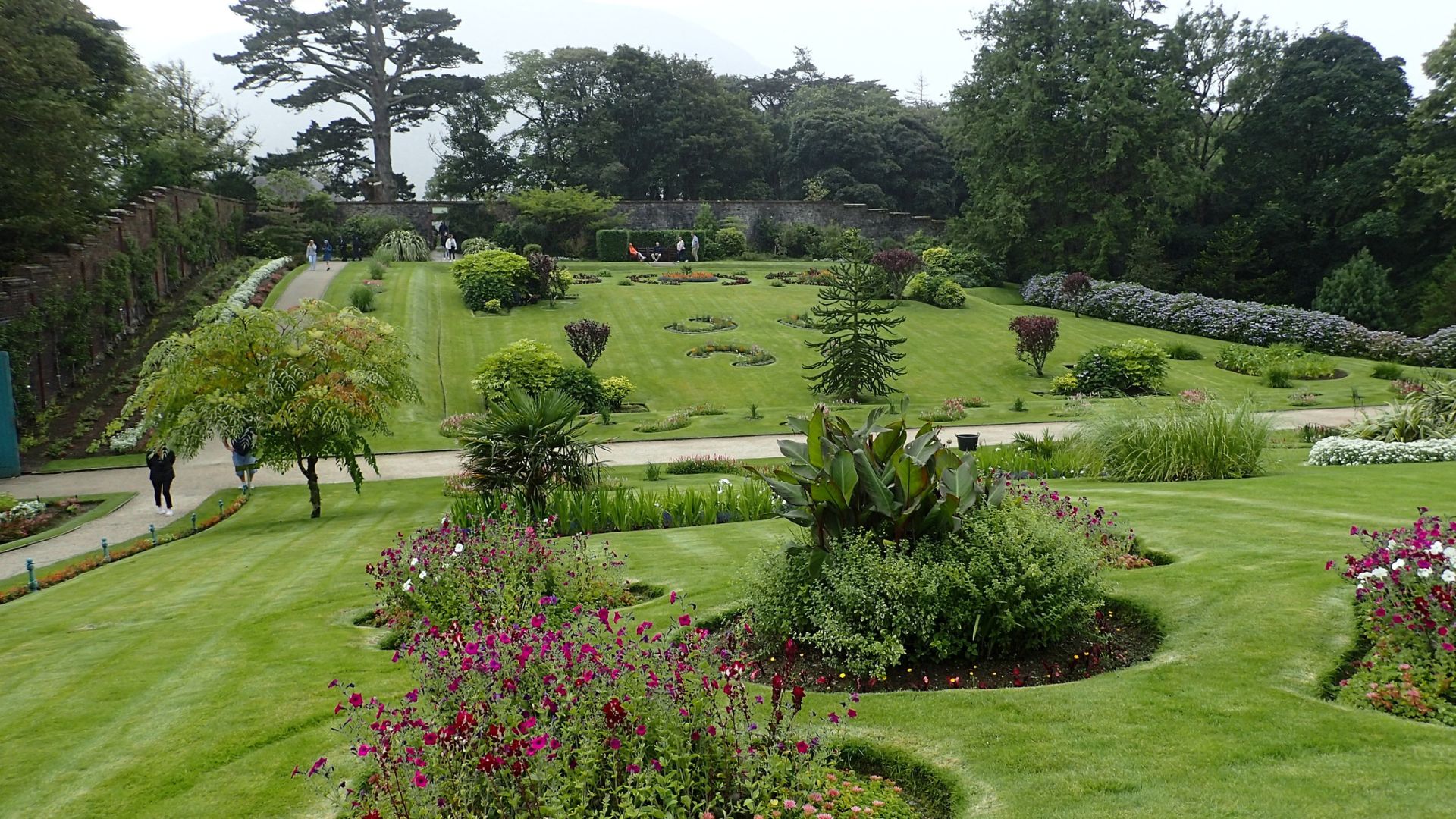
Kylemore Abbey is one of those places that looks like it was imagined rather than built. The neo-Gothic castle sits on the edge of a lake in the Connemara mountains, reflected perfectly in still water, surrounded by ancient woodland.
The Victorian Walled Garden at Kylemore is a restoration project as much as a garden. It was created in the 1860s by Mitchell Henry, a Manchester surgeon who bought the estate as a gift for his wife, Margaret. The garden, spread over 6 acres and divided into a kitchen garden, a flower garden, and a head gardener’s house, fell into ruin after the Benedictine nuns took over the estate in 1920. The current garden is a carefully researched restoration completed in 1999 and is the largest walled Victorian garden in Ireland.
In spring, the orchard blossoms, the herbaceous borders fill with early perennials, and the woodland walk around the lake is spectacular. The heritage aspect here is hard to overstate: every plant variety in the restored garden corresponds to what would have been grown in the 1860s.
Practical tips:
- Entry includes the abbey, the garden, and the woodland walk, typically around €18 for adults.
- The café in the courtyard is reliable; the scones are a highlight.
- It can get busy in summer, so spring visits feel much more peaceful.
5. Altamont Gardens, Carlow
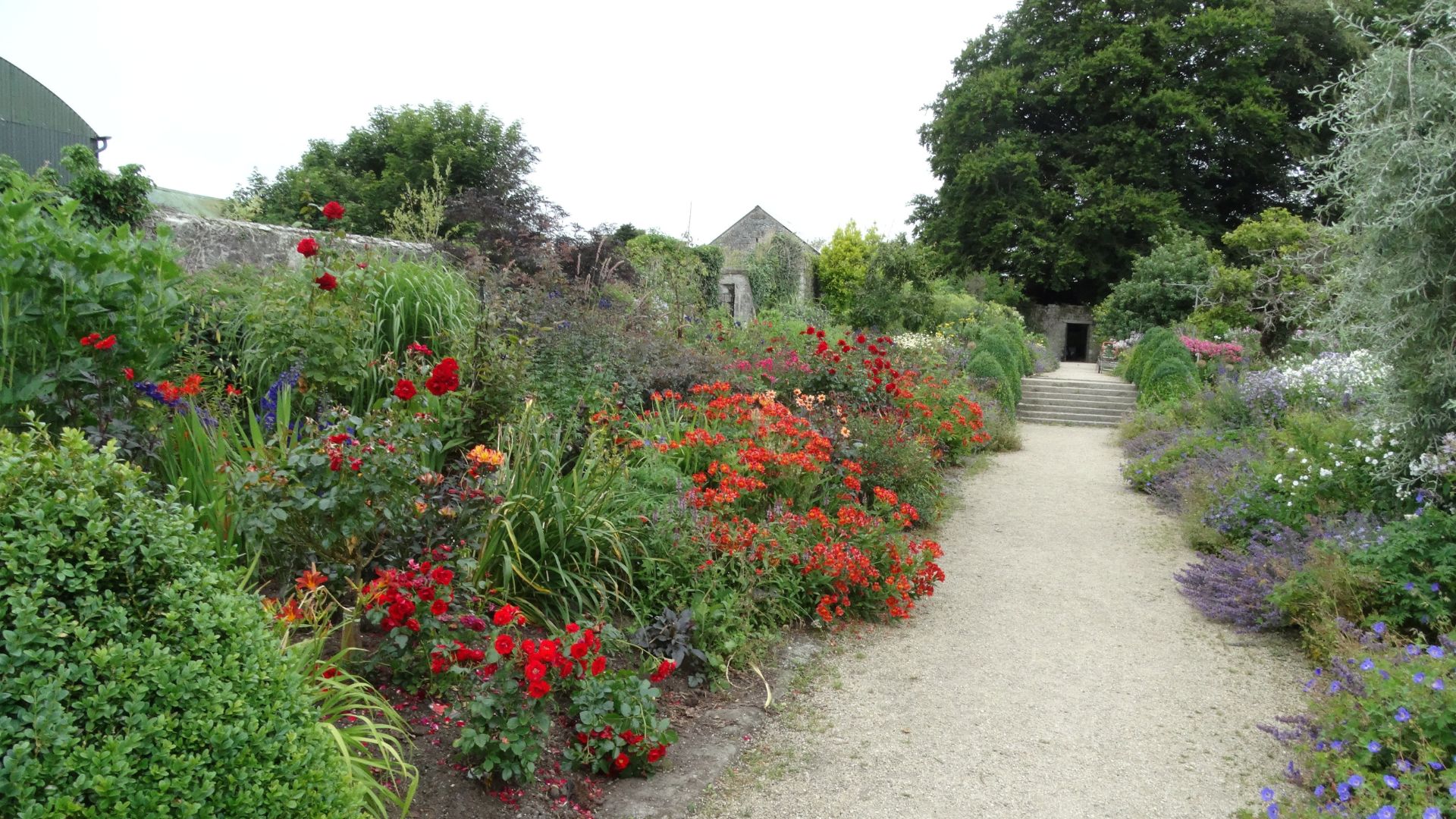
Altamont is the kind of place that serious gardeners know about and casual visitors discover by accident. Set in the Barrow Valley in County Carlow, these gardens are managed by the Office of Public Works and are free to enter.
The gardens were largely shaped by Corona North, a passionate plantswoman who spent decades developing the collection and opening her home to garden enthusiasts. After she died in 1999, the property passed to the state. What she left behind is remarkable: a formal garden near the house, a lake surrounded by ancient oaks, an ice age glen with a stream running through it, and a walled garden with an impressive collection of rare trees.
Spring is when Altamont is at its most atmospheric. The ice age glen in particular, with its moss-covered stones and rushing stream, feels genuinely primaeval in April when the wild garlic is flowering and the native bluebells carpet the ground.
Practical tips:
- The summer open days feature plant sales, but spring visits are quieter and equally rewarding.
- Completely free to enter.
- The glen walk takes about 20 minutes and involves some uneven ground; wear decent shoes.
6. Mount Stewart Gardens, Down
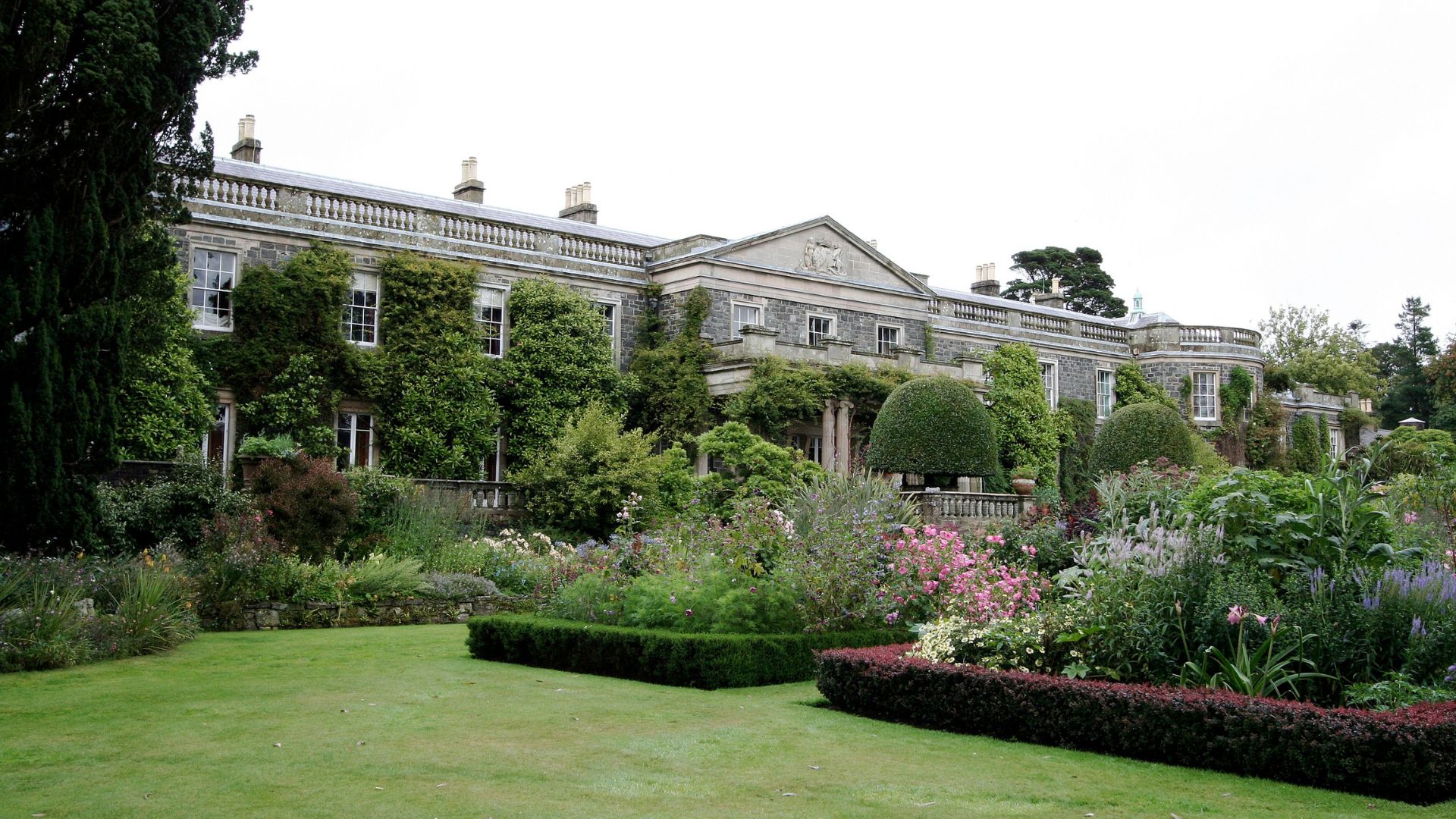
Mount Stewart, on the shores of Strangford Lough in County Down, is managed by the National Trust and sits in a category of its own. It was the childhood home of Lord Castlereagh, the Irish-born statesman who negotiated the 1800 Act of Union and represented Britain at the Congress of Vienna in 1815. The estate, in other words, has had a direct hand in shaping modern European history.
The gardens were transformed in the 1920s by Edith, Lady Londonderry, who used the unusually mild microclimate on the Lough shore to grow plants from Australia, New Zealand, and South America that have no business thriving in Ireland. The formal terraces, the Spanish Garden, the Sunken Garden, and the extraordinary topiary figures (depicting a menagerie she called the “Ark”) are all her creation.
Spring brings the daffodils and species tulips first, then the rhododendrons and azaleas, which are extraordinary here from April into May. The lakeshore walk, with views across Strangford Lough, is one of the finest short walks in the whole of Ireland.
Practical tips:
- National Trust members enter free; adult admission is around £12 for non-members.
- Allow half a day; the house tour adds real historical depth.
- The tea room in the stables is excellent.
7. Killarney National Park, Kerry
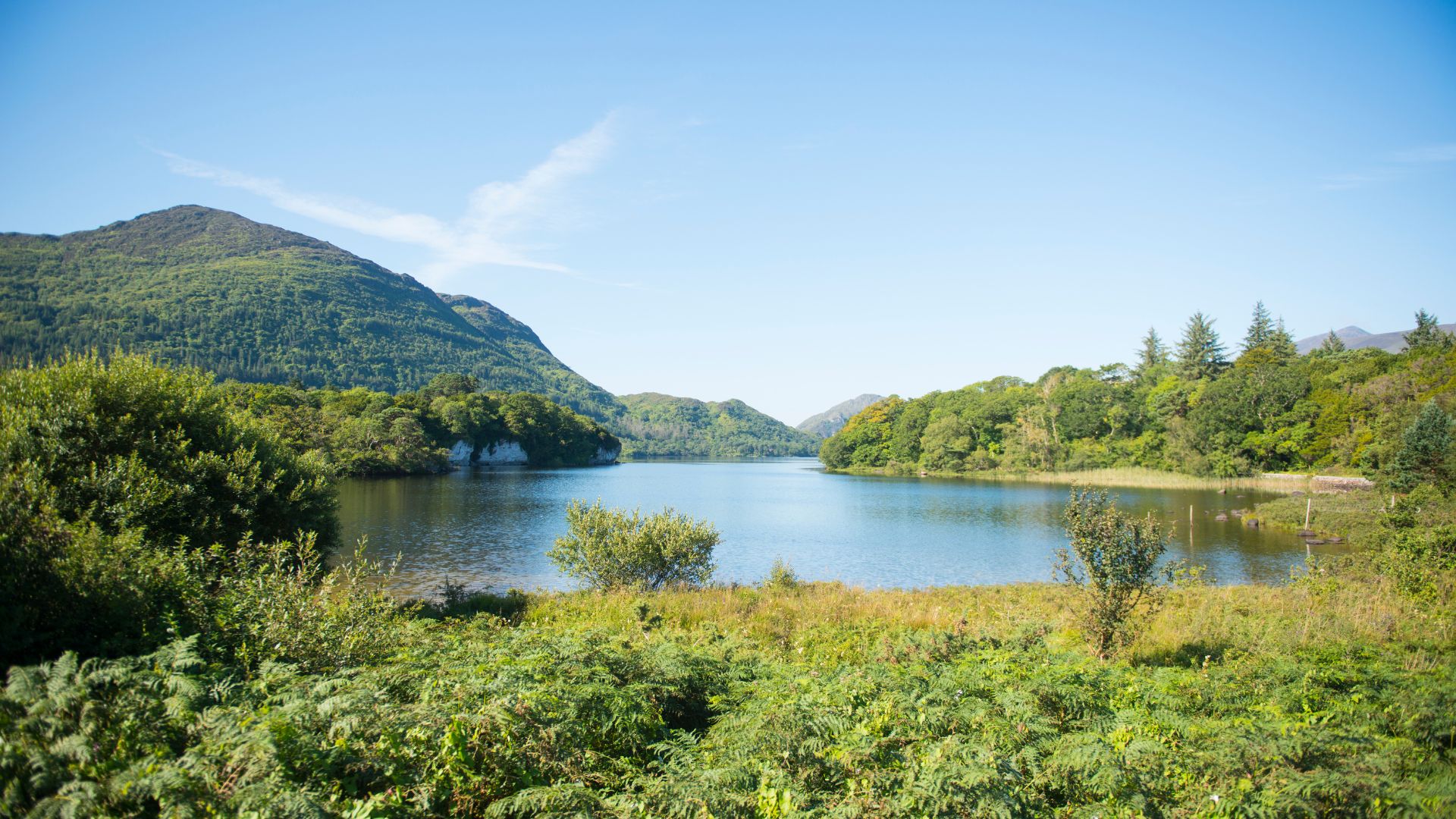
Killarney National Park is Ireland’s oldest national park, designated in 1932 when Senator Arthur Vincent donated his Muckross Estate to the Irish state. It covers about 26,000 acres, encompassing three lakes, oak and yew woodlands, blanket bog, and mountain terrain rising to the MacGillycuddy’s Reeks.
This is gardens and parks in Ireland at their most wildly beautiful. In spring, the ancient oak woods around Muckross Lake are carpeted with wood anemones and bluebells. The rhododendrons, introduced in the 19th century, are technically invasive, but they’re spectacularly beautiful when they bloom in April and May, draping the shoreline in deep pink.
I spoke with a local guide who has worked in Killarney for fifteen years. She told me that April is her favourite month in the park: “The migratory birds are arriving, the wildflowers are everywhere, and you can still hear the silence. By June, that silence is gone.” It’s a point worth taking seriously.
Practical tips:
- The walk from Muckross House to Torc Waterfall is about 3 km and one of the best short walks in Ireland.
- Entry to the park is free; there are car parks with charges.
- The Muckross House visit (about €9 for adults) adds historical context and is worth it.
8. Glenveagh National Park, Donegal
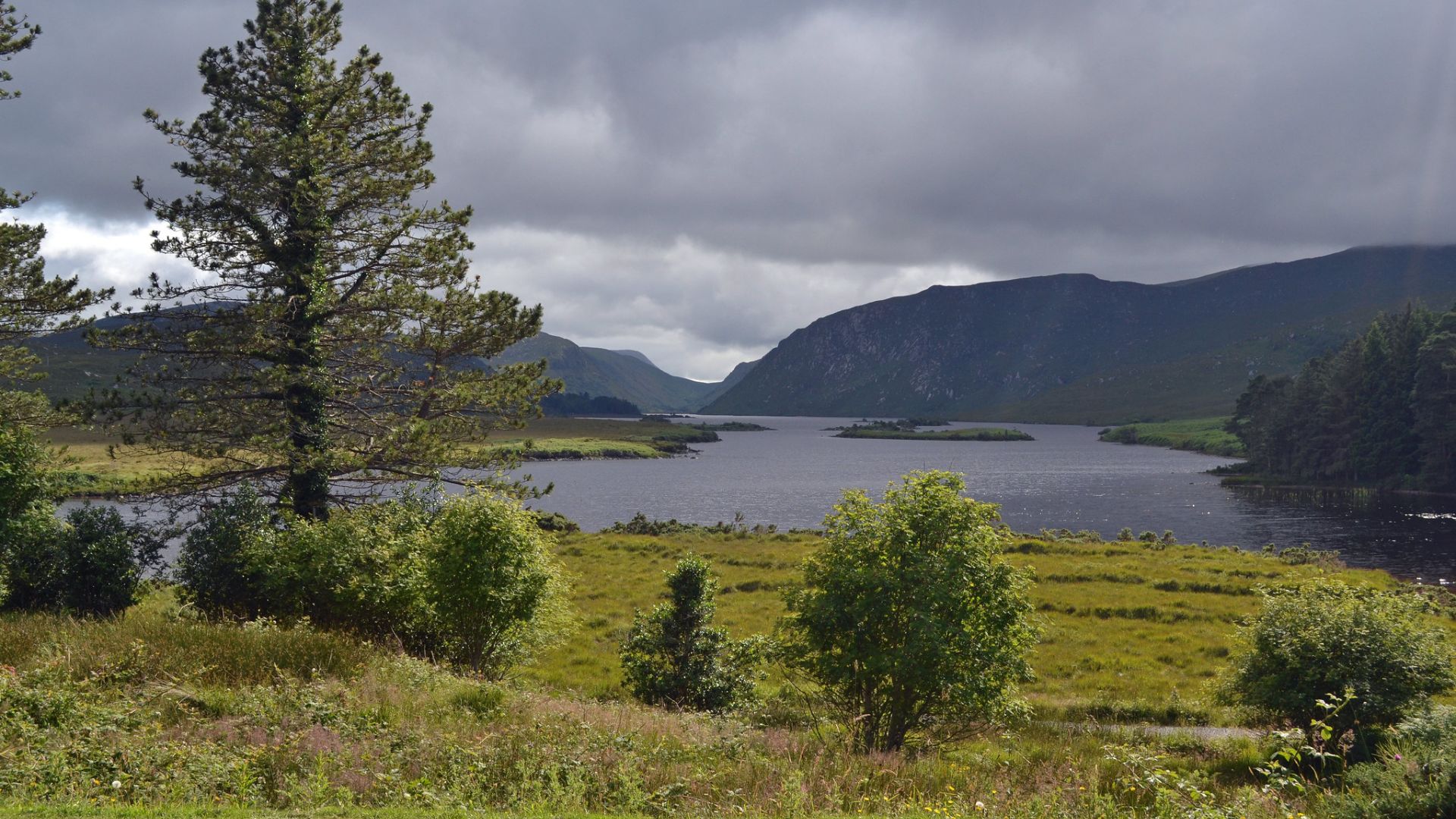
Glenveagh is the most dramatic entry on this list. The castle sits on the shore of Lough Veagh, surrounded by oak and birch woodland in the middle of a wild, remote glen in the Derryveagh Mountains.
The history here is dark and important. The estate was created by John George Adair, who in 1861 evicted 244 of his tenants in what became known as the Derryveagh Evictions, one of the most brutal clearances of the post-Famine period. The cleared land was used to create the demesne and deer forest. Adair’s wife, Cornelia, later softened the estate’s reputation by introducing the gardens and opening them to the public.
In spring, the approach to the castle through the glen is unforgettable. The woodland bursts into fresh green, the lough is glassy and dark, and the castle gardens, which include a walled kitchen garden, a pleasure ground, and a Belgian terrace, are coming to life. Golden eagle sightings are possible in the open moorland above the treeline.
Practical tips:
- Entry to the park is free; the castle and gardens charge a small fee.
- The park is accessed via shuttle bus from the visitor centre; no private vehicles on the main road.
- Allow a full day. The walk along the lough to the castle and back is about 6 km and completely flat.
A note on planning your spring garden visits
Spring in Ireland means unpredictable weather. That’s just the truth. But rain in an Irish garden isn’t necessarily a bad thing. It brings the colours out. It empties the car parks. And most of the gardens on this list have decent café facilities where you can wait out a shower.
A few practical points worth noting:
- Check opening dates: Some gardens, including Kylemore and Powerscourt, have seasonal hours that can vary. Always check the official website before visiting.
- Book ahead for popular spots: Powerscourt and Kylemore can get busy even in spring on weekends.
- Combine with local history: Almost every garden on this list is within 20 minutes of a heritage site, ruined abbey, or local museum. The context enriches the visit.
- Bring layers: A light rain jacket and comfortable walking shoes are not optional in Ireland, ever.
Conclusion
Gardens and parks in Ireland aren’t just places to look at flowers. They’re places where history grew alongside the hedgerows: where famine and exile, colonial wealth and monastic devotion, Victorian ambition and ancient woodland all exist in the same landscape. Spring, when everything is growing, and the light is still new, is the best time to feel all of that.
Whether you’re a serious garden enthusiast or just someone who wants to walk somewhere beautiful, Ireland in spring has something extraordinary to offer. Start anywhere on this list, and you won’t be disappointed.
Frequently asked questions
What to do in Ireland in the spring?
Spring is a wonderful time to explore Ireland’s outdoor spaces, historic sites, and cultural events. The gardens and parks in Ireland are at their best from March through May, with wildflowers, blossoming trees, and migrating birds all making an appearance. It’s also a great time to visit heritage sites like Newgrange, the Rock of Cashel, and the Cliffs of Moher before the summer crowds arrive.
What is the most beautiful scenery in Ireland?
Ireland has no shortage of stunning landscapes, but many would point to the Killarney Valley in Kerry, the Connemara coastline in Galway, and the Antrim coast road in Northern Ireland as three of the most spectacular. In terms of gardens and parks specifically, Powerscourt Gardens in Wicklow, with its backdrop of the Wicklow Mountains, and Glenveagh National Park in Donegal, with its dark lough and wild glen, are hard to beat.
What is the most magical place in Ireland?
That depends on what you mean by magical. For sheer visual drama, Kylemore Abbey in Connemara, reflected in the lake with the mountains behind it, is about as close to enchanting as a real place can be. For a sense of deep history and atmosphere, the ice age glen at Altamont Gardens in Carlow, or the ancient oak woods around Killarney’s lakes, would be strong contenders. Ireland has the ability to make the natural world feel genuinely otherworldly, especially in spring.
Is spring a good time to visit Ireland?
Yes, absolutely. Spring is one of the best times to visit Ireland. The weather is mild and improving from March onward, the gardens and parks in Ireland are at their most spectacular, accommodation prices are lower than in peak summer, and the main tourist sites are far less crowded. The days lengthen noticeably through April and May, giving you plenty of daylight for exploring. You can also catch some excellent spring festivals in Ireland, celebrating food, arts, and local culture.
What are the best gardens to visit in Ireland in spring?
The best gardens to visit in Ireland in spring are Powerscourt Gardens in Wicklow (for formal grandeur and mountain views), the National Botanic Gardens in Dublin (free entry, world-class collection), Kylemore Abbey Gardens in Galway (Victorian restoration in a stunning setting), Altamont Gardens in Carlow (wild, atmospheric, and completely free), and Mount Stewart Gardens in Down (extraordinary variety and a fascinating political history). For wilder landscapes, Killarney National Park in Kerry and Glenveagh National Park in Donegal are both unmissable.