

Picture this: you’re standing outside the Rock of Cashel, wind whipping off the Tipperary plains, and you realise you’ve already visited Newgrange, the Cliffs of Moher visitor centre, and Kilkenny Castle in the same week. The entrance fees are stacking up fast.
That’s exactly the moment you’ll wish you’d heard about the Heritage Card Ireland before you left home.
So, what is the Heritage Card Ireland? Simply put, it’s a one-year pass that gives free entry to fee-paying heritage sites managed by the Office of Public Works (OPW) across the Republic of Ireland. You pay once, and for a full year, you can walk through as many castles, passage tombs, national parks, and walled gardens as your legs can carry you. No queuing at ticket windows, no digging for coins, no awkward “how much is it again?” moments.
If you’re planning more than two or three visits to paid OPW sites, the card will almost certainly pay for itself.
What sites does the Heritage Card Ireland actually cover?
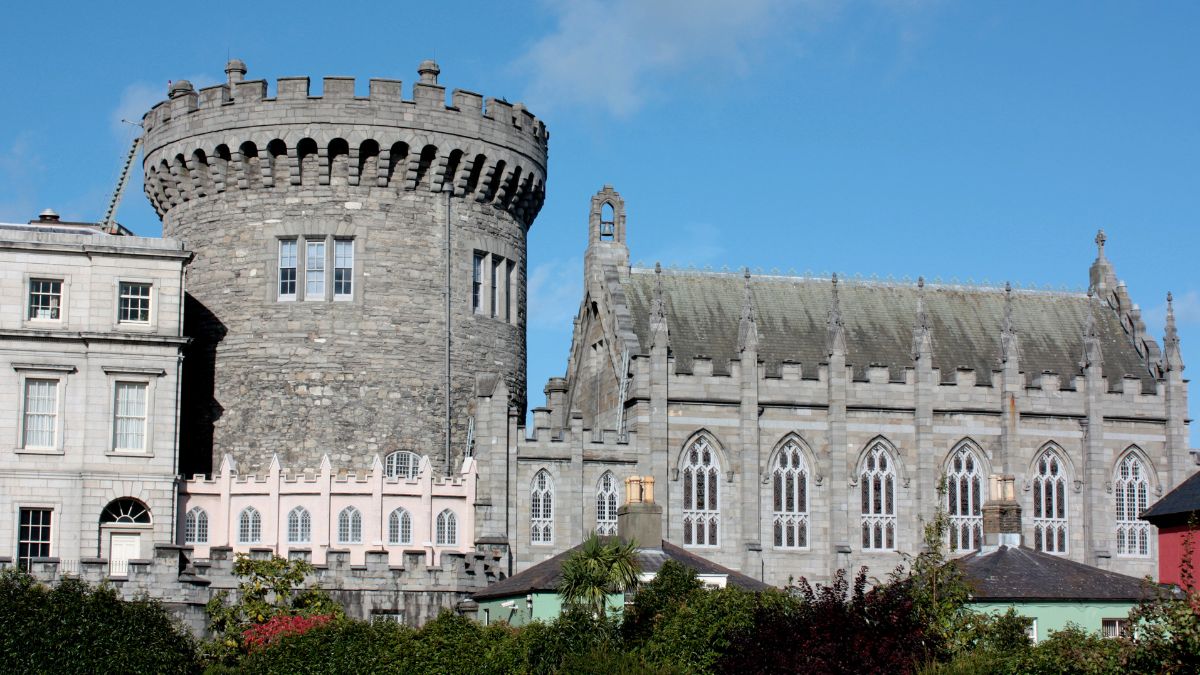
The range is genuinely impressive. We’re not talking about a handful of tourist honeypots. Below is a practical list of some of the most popular OPW sites included with the heritage card, covering the places most visitors are likely to visit.
Heritage sites in Dublin
- Kilmainham Gaol
- Rathfarnham Castle
- Farmleigh
- Dublin Castle
- Casino Marino
Kerry and Galway
- The Blasket Centre
- Gallarus Oratory
- Derrynane House & National Historic Park
- Ardfert Cathedral
- Ionad Cultúrtha an Phiarsaigh
- Portumna Castle and Gardens
- Aughnanure Castle
- Athenry Castle
Cork, Donegal and Kilkenny
- Newmills Corn and Flax Mills
- Donegal Castle
- Garnish Island
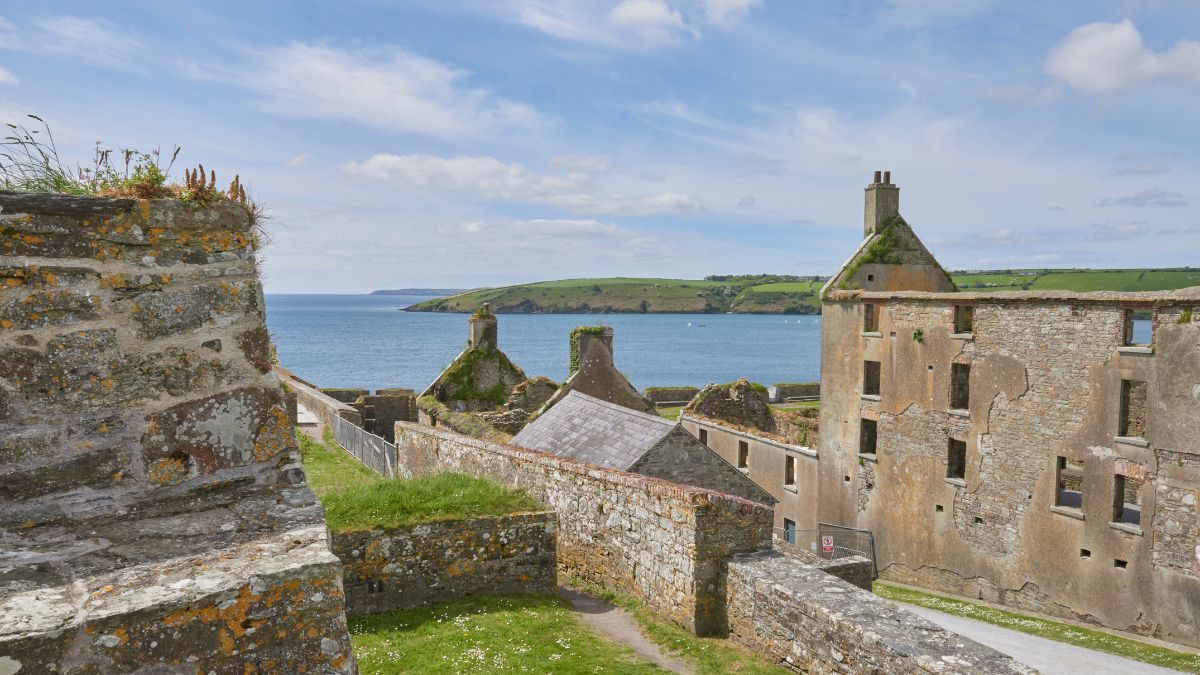
- Charles Fort
- Kilkenny Castle
- Jerpoint Abbey
- Dunmore Cave
Wicklow, Wexford and Waterford
- Glendalough Visitor Centre
- Tintern Abbey
- JFK Memorial Park and Arboretum
- Reginald’s Tower
Tipperary and Offaly
- The Swiss Cottage
- Roscrea Castle
- Rock of Cashel
- Ormond Castle
- Cahir Castle
- Clonmacnoise
Sligo and Roscommon
- Sligo Abbey
- Carrowmore Megalithic Cemetery
- Boyle Abbey
Mayo and Meath
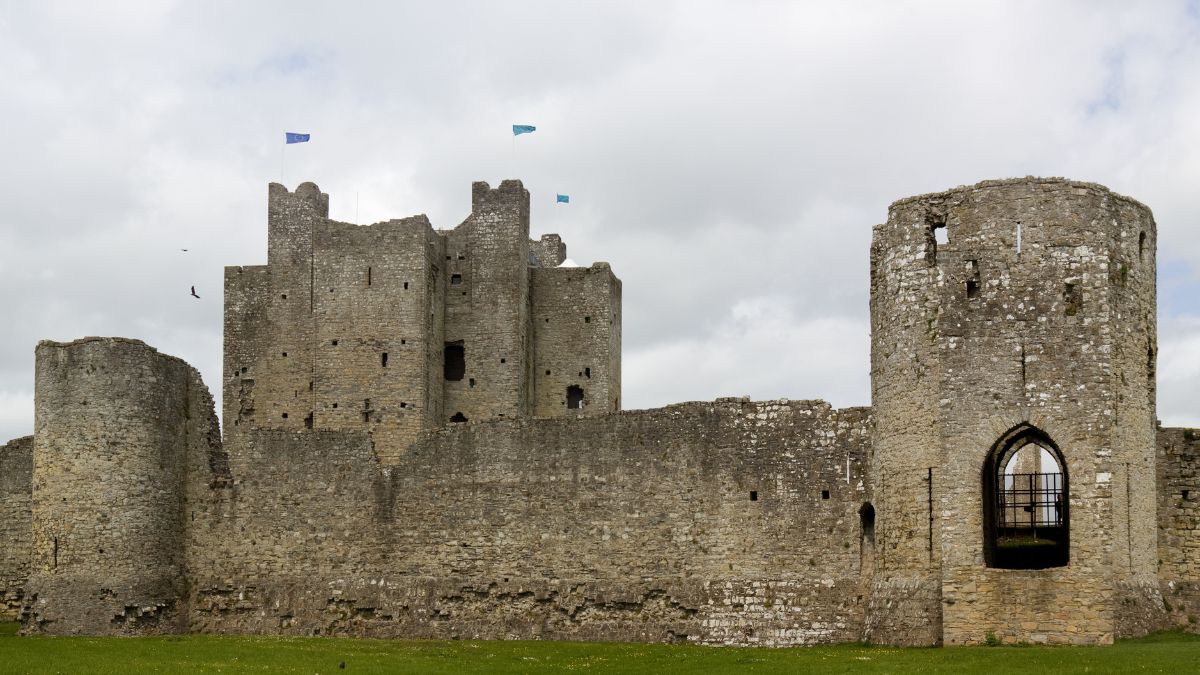
- Trim Castle
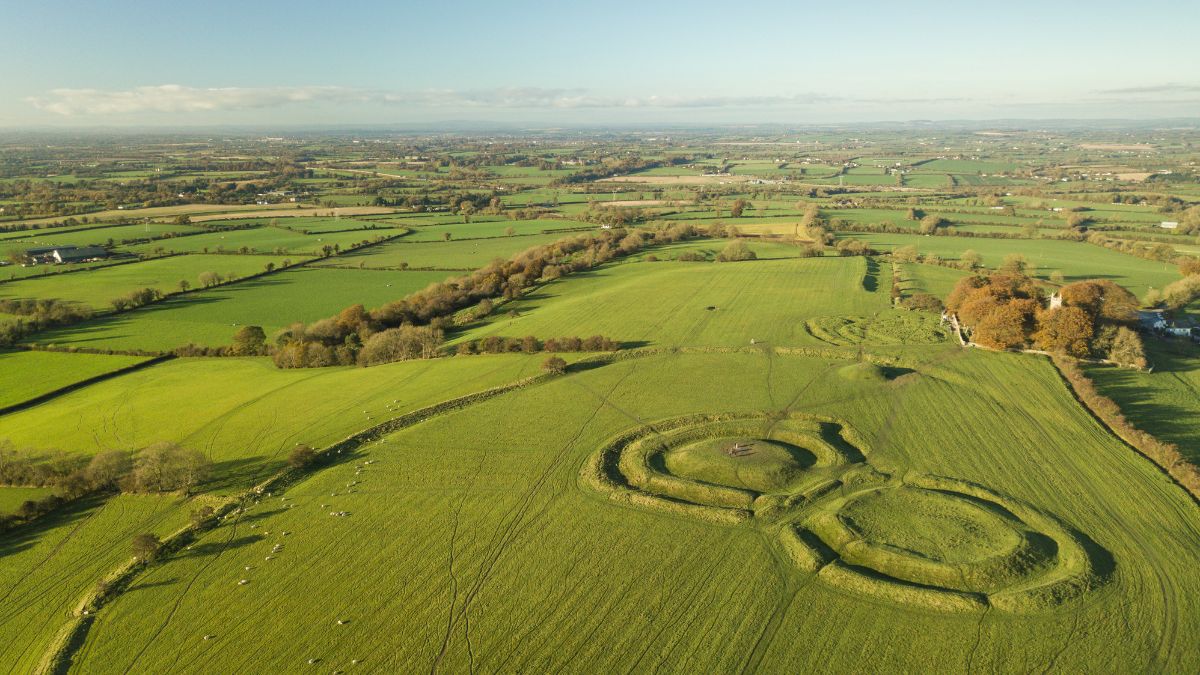
- Hill of Tara
- Brú na Bóinne Visitor Centre
- Battle of the Boyne Visitor Centre
- Céide Fields
Limerick, Louth, Leitrim and Laois
- Old Mellifont Abbey
- Adare Castle
- Parke’s Castle
- Emo Court
The list runs long. You can download the full PDF list of OPW sites from the Heritage Ireland website before your trip so you can map out an itinerary without any surprises.
One thing worth knowing: not every site on the list charges admission to begin with. Some are free to enter anyway, so the card only truly saves you money at the paid sites. Focus your planning around those.
How much does the Heritage Card cost?
The Heritage Card, similar to the Dublin Pass, is priced affordably. Prices do get updated periodically, so always verify the current figures on the Heritage Ireland website before purchasing. As of early 2026, the pricing is:
- Adult: €40 per year
- Child (aged 12 to 18): €10 per year
- Family (2 adults and up to 5 children aged 12 to 18): €90 per year
- Senior (aged 60 years or over): €30 per year
- Student (with a valid student ID): €10 per year
- Children under 12 have free admission.
To put that in perspective: a single adult admission to Newgrange alone is typically €18. Add Kilkenny Castle and the Rock of Cashel, and you’ve already hit the cost of the card. Everything after that is essentially free.
Where to buy the Heritage Card Ireland
This is one of the most common questions people ask, and the good news is that it’s straightforward.
Option 1: Buy online. Head to the Heritage Ireland website and purchase the card before your trip. This is the easiest route if you want to arrive prepared. You’ll receive a digital confirmation you can use immediately, and the physical card will follow by post if you’re buying well in advance.
Option 2: Buy at a fee-paying OPW site. You can buy the card at the entrance of any fee-paying OPW heritage site across Ireland. If Newgrange is your first stop, buy it there. If you’re starting in Kilkenny, pick it up at the castle. The staff are used to selling them, and the process takes a couple of minutes.
Option 3: The OPW head office in Dublin. If you happen to be in the city, you can also buy in person from the OPW.
One practical tip: if you’re buying on arrival at a site, do it before you pay the individual entry fee. The staff will apply the card immediately, so you don’t pay twice for that first visit.
Is the Heritage Card Ireland worth it?
Honestly? For most visitors planning a week-long trip with any interest in history, the answer is yes.
Here’s a quick real-world example. My friend Ciara, a secondary school history teacher from Cork, used the card during a solo road trip through the Irish midlands and the west. In ten days, she visited Clonmacnoise, Athlone Castle, Strokestown Park, Westport House (note: private, not included), and a handful of smaller monastic sites. She calculated she’d saved over €80 compared to paying per entry. More importantly, she said, she visited sites she never would have bothered with had she been paying per entry. “It changes how you travel,” she told me. “You stop second-guessing yourself and just go in.”
That psychological shift is real. When each visit is already paid for, you’re more likely to stop at that unmarked round tower you spotted from the road, or take the detour to a small walled garden you’d never planned to visit.
For families, the maths is even more compelling. Four people, each paying individual admission across five or six sites, can rack up €200 or more in a single week. A family card at around €90 wipes that bill out.
When it might not be worth it:
- If your trip is very short (two to three days) and you’ve planned only one or two paid site visits.
- If you’re focused entirely on natural landscapes and coastal walks, which are mostly free.
- If you’re visiting predominantly privately owned attractions like Bunratty Castle (which has its own ticketing system) or Blarney Castle.
Planning your trip around the Heritage Card: a sample itinerary
To show you how the card can anchor a real itinerary, here’s a rough five-day loop through the east and midlands, starting and ending in Dublin.
Day 1: Dublin and the Boyne Valley
Start at Newgrange and Knowth (Brú na Bóinne visitor centre), then head to Trim Castle. Both are covered.
Day 2: The Midlands
Clonmacnoise on the Shannon is a highlight that often gets skipped because people don’t plan that far inland. Don’t skip it.
Day 3: Kilkenny
Kilkenny Castle in the morning, Jerpoint Abbey in the afternoon. The city itself is walkable and beautiful.
Day 4: Tipperary
Rock of Cashel needs at least two hours. Bring a decent jacket; it’s exposed up top.
Day 5: Wicklow
Wicklow Mountains National Park and Glendalough round out the trip. Glendalough’s monastic site is free to enter anyway, but the national park walks are spectacular regardless.
That’s at least seven or eight paid site visits in five days. For one adult, that’s potentially €100-€120 in savings over individual admission. The card pays for itself by lunchtime on day two.
A note on using the card wisely
The card is issued per person and is non-transferable. You’ll need to show photo ID if asked, so carry your passport or driving licence. Children’s cards also require the child to be present.
Also, keep the physical card somewhere accessible, not buried in your luggage. You’ll be presenting it at entry points throughout the trip, and fumbling through your bag at every gate gets old quickly. A small lanyard or the front pocket of your travel wallet works well.
If you lose the card, contact the OPW directly. Replacement policies vary, so it’s worth asking when you purchase.
What people often get wrong about the Heritage Card
There are a few misconceptions worth clearing up.
Misconception 1: It covers all heritage sites in Ireland.
It doesn’t. The Heritage Card specifically covers OPW-managed sites. Many of Ireland’s most famous attractions are privately owned or managed by different bodies. Blarney Castle, the Cliffs of Moher visitor centre (managed by Clare County Council), and Bunratty Castle all operate their own separate ticketing.
Misconception 2: It’s only useful in the summer.
Actually, visiting in the shoulder seasons (March-May and September-October) can be more rewarding. Crowds are smaller, light is softer, and the sites feel less like conveyor belts. The card works year-round.
Misconception 3: You need to book in advance for every site.
Most OPW sites are walk-in. Newgrange is the main exception: timed entry tickets are required, and during peak season these book out weeks in advance. The Heritage Card covers the admission cost, but you still need a timed ticket reservation for Newgrange. Book directly through the Brú na Bóinne visitor centre website.
The Heritage Card and Ireland’s hidden gems
One underrated benefit of the card is that it encourages you to seek out Ireland’s less-visited sites, and some of those are genuinely extraordinary.
Take Castletown House in Celbridge, County Kildare. It’s Ireland’s largest Palladian country house, built in 1722, and it’s covered by the Heritage Card. On a quiet Tuesday in October, you can walk through those rooms almost alone. Compare that to a crowded Saturday at a well-known castle, and there’s no contest.
Or consider Derrynane House in County Kerry, the ancestral home of Daniel O’Connell, “The Liberator.” It sits right on the Wild Atlantic Way, the sea views are staggering, and most visitors drive straight past without stopping. With the Heritage Card, there’s no reason not to pull in.
James, a retired geography teacher from Galway who has renewed his Heritage Card every year for the past six years, puts it simply: “It’s the only tourist pass I’ve ever bought that made me feel like I was exploring my own country again rather than just ticking off the famous spots.”
Conclusion
The Heritage Card Ireland is one of the most genuinely useful travel passes available for anyone exploring the Republic of Ireland. It’s not a gimmick or a tourist trap. It’s a straightforward annual pass that, for most visitors spending more than a few days at OPW heritage sites, will save real money and, perhaps more importantly, change how you travel.
It removes the mental friction of “is this worth stopping for?” and replaces it with curiosity. In a country as historically rich as Ireland, that’s a pretty good deal.
Buy it before you go, plan a loose itinerary around the paid sites, and then let yourself get pleasantly distracted along the way. That’s really what visiting Ireland is about.
Frequently asked questions
What is a Heritage Card in Ireland?
The Heritage Card Ireland is an annual pass issued by the Office of Public Works (OPW) that grants unlimited free admission to state-managed heritage sites across the Republic of Ireland. These include castles, abbeys, national parks, walled gardens, and prehistoric monuments. The card is valid for 12 months from the date of purchase and is available for adults, children, families, seniors, and students at varying price points.
Where to buy the Heritage Card Ireland?
You can buy the Heritage Card Ireland online at heritageireland.ie, in person at any fee-paying OPW heritage site throughout Ireland, or at the OPW head office in Dublin. Buying online before your trip is the most convenient option if you want to arrive prepared. If you’re already in Ireland, any fee-paying OPW site will sell you the card at the entry point.
Can I use my English Heritage membership in Ireland?
No. English Heritage membership covers sites managed by English Heritage (and Historic England) in England only. It is not valid at OPW sites in the Republic of Ireland, and the Heritage Card Ireland is not valid at English Heritage sites. If you’re visiting both countries, you would need separate memberships. There is also no reciprocal agreement between English Heritage and Ireland’s OPW at the time of writing.
How many heritage sites are in Ireland?
Ireland has thousands of recorded heritage sites in total, ranging from National Monuments to historic buildings and archaeological features. The OPW directly manages and maintains over 100 heritage sites and properties across the Republic of Ireland, and these are the ones covered by the Heritage Card. The full list of OPW sites is available for download from heritageireland.ie.
Is the Ireland Heritage Card worth it?
For most visitors spending a week or more in Ireland and planning to visit several paid OPW sites, yes, the Heritage Card is worth it. A single adult admission to Newgrange typically costs €18, meaning two or three visits to major paid sites will often recover the full cost of the card. For families, the savings are even more significant. The card is best suited to travellers who are curious about Irish history and open to exploring beyond the most heavily marketed tourist spots.
Slán go fóill (goodbye for now)!