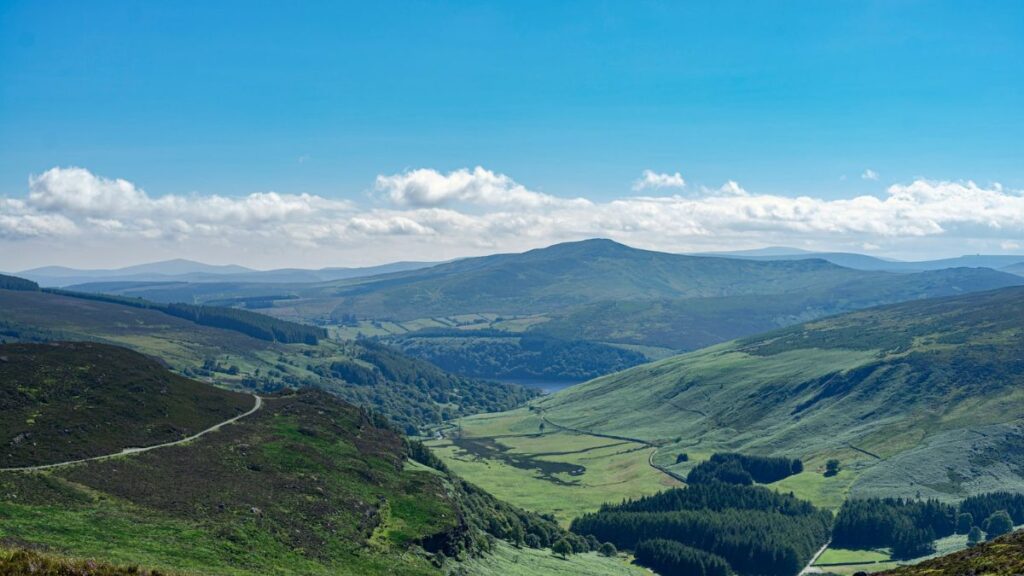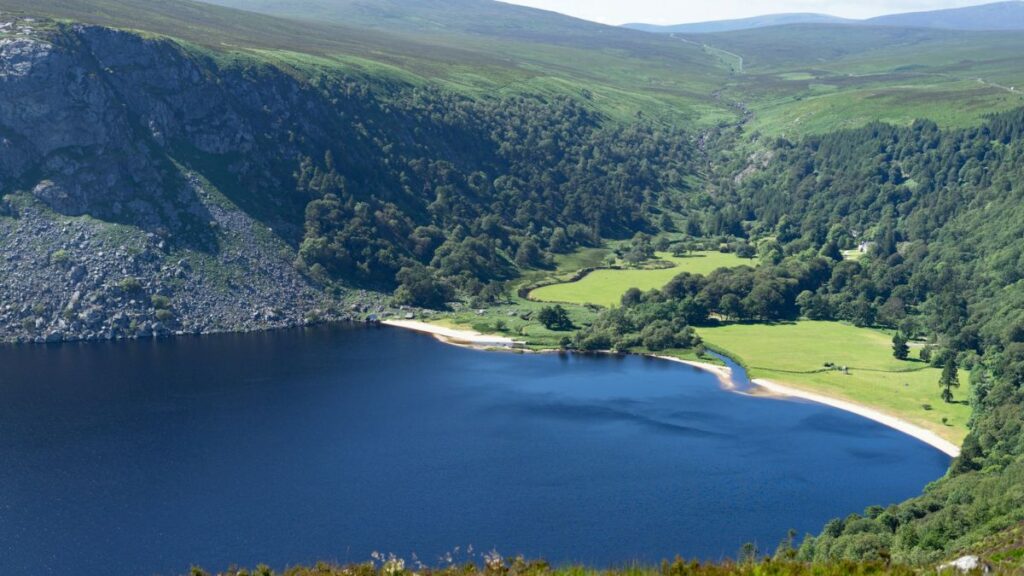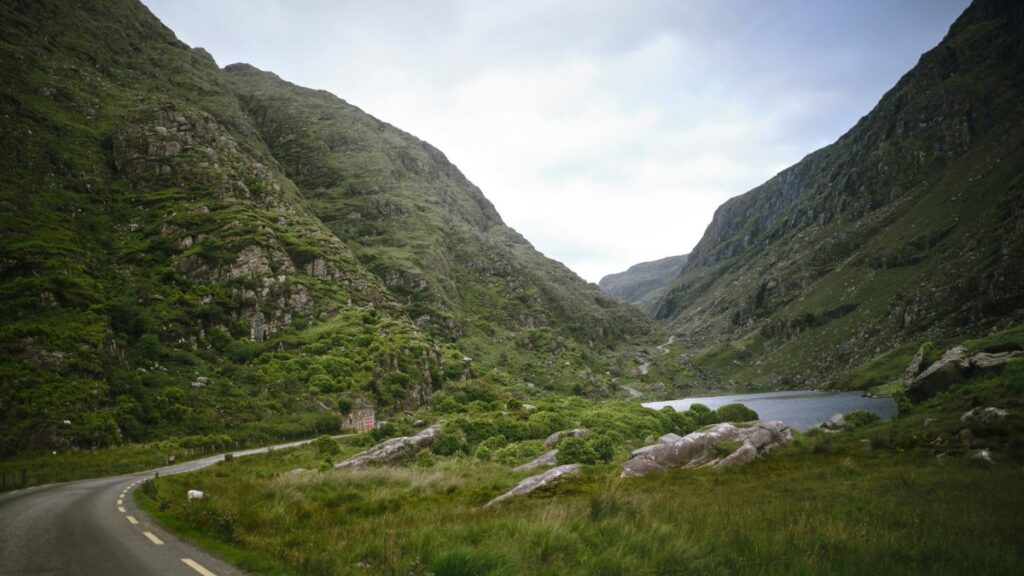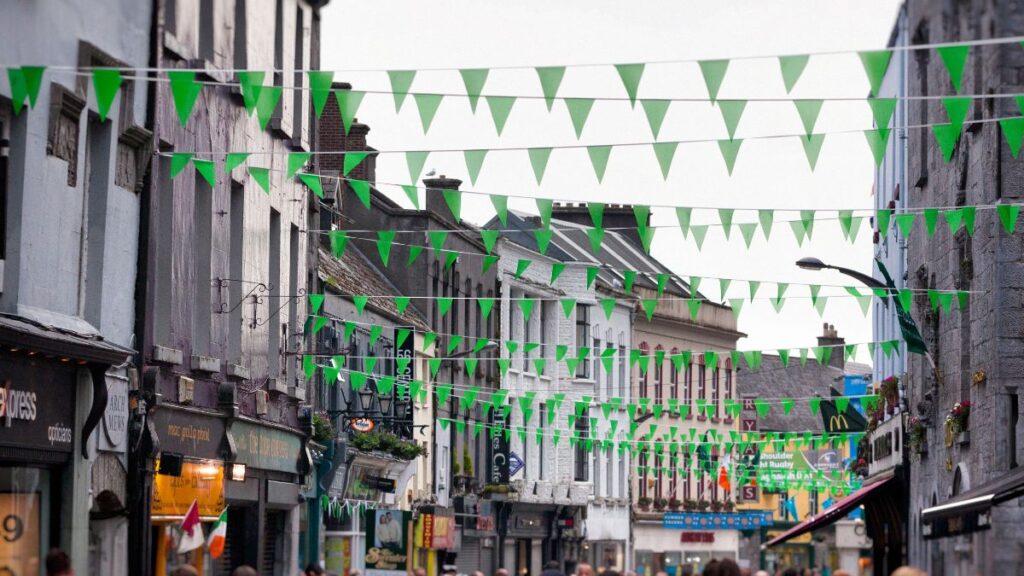


Most travel guides will tell you to book Dublin and call it a day. But if you’ve spent time moving around this island, navigating narrow roads in Clare, waking up to mist over Connemara, eating chowder in Kinsale on a Tuesday with nobody else around, you start to realise that where you sleep in Ireland shapes your entire experience.
So let’s cut to it: where should you stay in Ireland? It depends on what you’re after. Dublin is the obvious entry point, and it genuinely delivers, but cities like Galway, Kilkenny, and Dingle offer access to landscapes and a pace of life that Dublin simply can’t match. If you’re doing a full loop of the island, basing yourself in two or three spots beats rushing between hotels every night.
This guide breaks it all down, the best towns and cities, who each one suits, and a few honest warnings about where things don’t quite live up to the hype.
Dublin
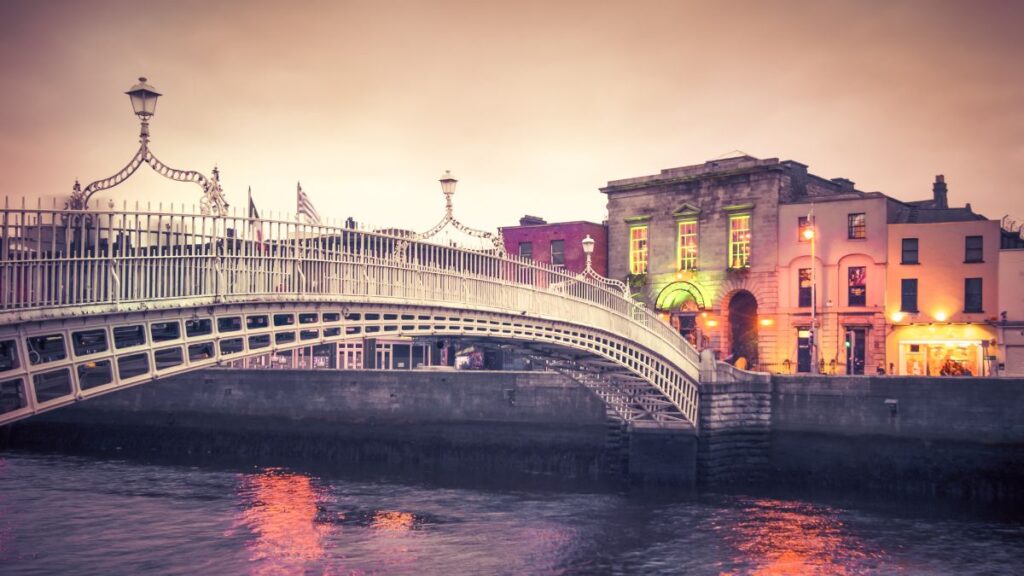
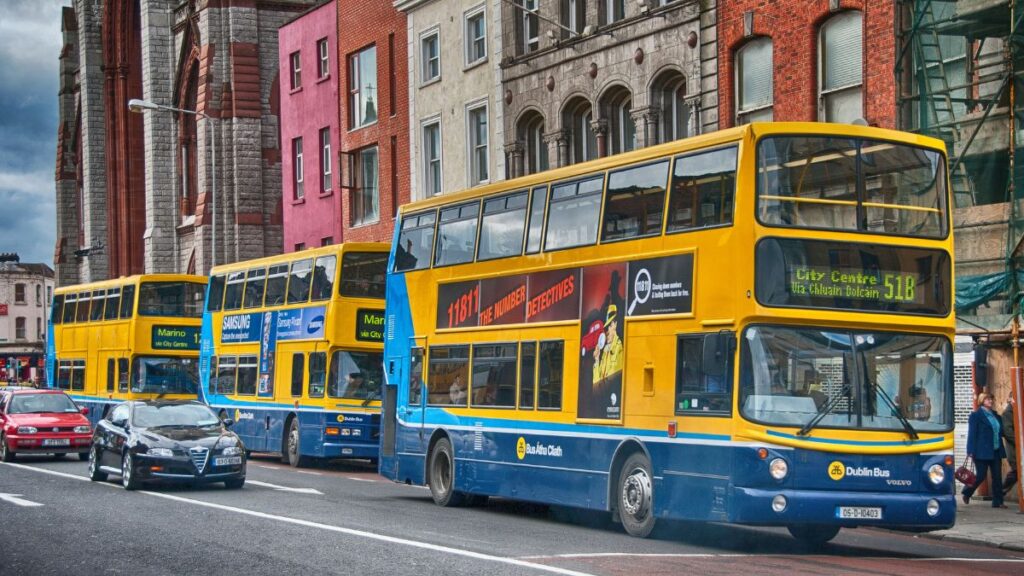
There’s a reason most flights into Ireland land in Dublin. It’s the cultural and economic heart of the country, and it earns its reputation. Trinity College, the Guinness Storehouse, the National Museum, Temple Bar; yes, they’re touristy, but they exist because they’re genuinely worth your time.
Where to stay in Dublin specifically:
- Ballsbridge and Ranelagh are leafy, residential neighbourhoods with great restaurants. You’re a short tram ride from the city centre, but you feel like a local.
- Smithfield is gritty in the best way. Good coffee shops, the Jameson Distillery, and a short walk to the Luas.
- Drumcondra or Phibsborough are solid mid-range options close to transport links and away from the tourist prices.
I’d suggest avoiding Temple Bar as an actual place to stay. The area is loud until 3 am, and the accommodation is overpriced compared to what you get. It’s fun to pass through, not somewhere to rest your head.
A friend of mine, a seasoned solo traveller from Cape Town, did a two-week trip to Ireland last autumn. She spent four nights in Dublin at a guesthouse in Ranelagh, and another chunk in Galway. Her takeaway? Dublin was exciting, but Galway felt like Ireland. That’s a sentiment I’ve heard more than once, and it’s worth holding onto.
Galway
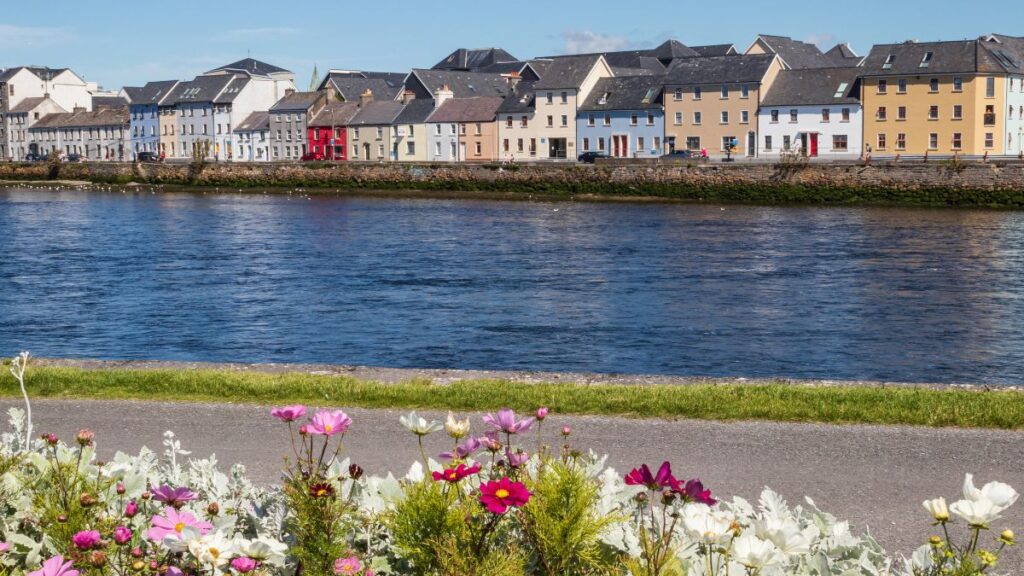
If you’re only going to leave Dublin once, go to Galway. It’s the kind of city where you wander into a pub at 6 pm for one drink and leave at midnight having made three new friends, two of whom are locals and one of whom is a musician from Sligo who just happened to be passing through.
Galway is small enough to walk everywhere, but there’s so much layered into its streets. Shop Street is one of the most vibrant pedestrian strips in Ireland. The Latin Quarter is full of independent restaurants. And from Galway, you can reach Connemara, the Aran Islands, and the Cliffs of Moher within an hour.
Who Galway is best for:
- Solo travellers and couples who want atmosphere over amenities.
- Anyone planning to explore the Wild Atlantic Way.
- People who value live music, arts, culture, and good food in the same square kilometre.
Where to stay in Galway:
- City centre/near Eyre Square: Walkable to everything, great for shorter stays
- Salthill is a quieter coastal suburb with sea views; ideal if you have a car.
One thing to flag: Galway fills up fast, especially during the Galway Races (late July/early August) and the Arts Festival. Book three to four months ahead if your dates overlap.
Kilkenny

I’ll be honest, Kilkenny was somewhere I kept skipping over on maps, treating it as a “maybe” stop. That was a mistake. When I finally spent three nights there, staying in a converted townhouse B&B just off the main street, it clicked immediately.
Kilkenny is medieval in a way that doesn’t feel performed. The castle is extraordinary, the lanes (called “slips”) are genuinely ancient, and the food scene is better than you’d expect from a city this size.
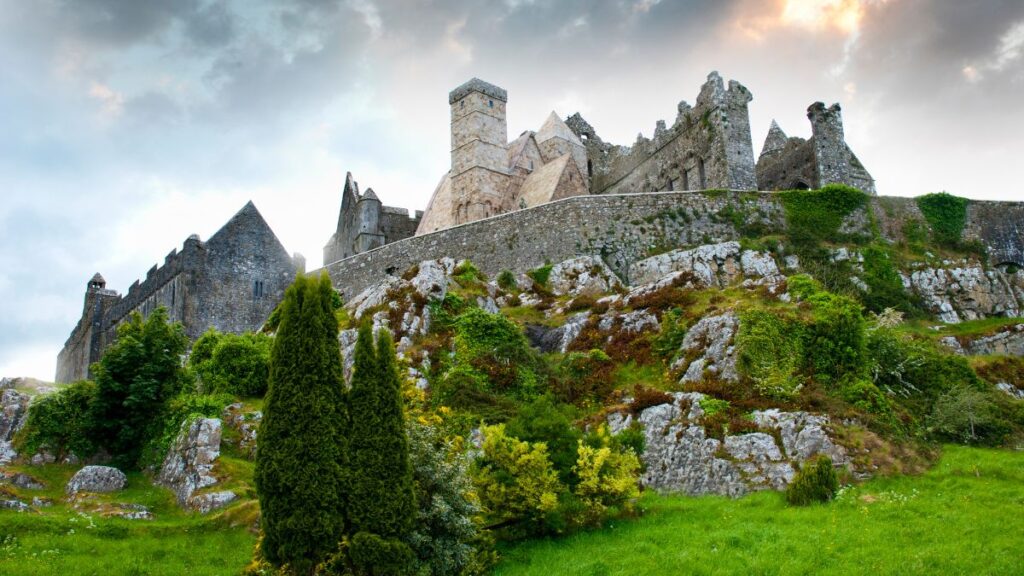
It also sits at a useful crossroads. You’re about 90 minutes from Dublin, an hour from Waterford, and not far from the Rock of Cashel. If you’re planning a road trip through the south and midlands of Ireland, Kilkenny makes an excellent anchor.
Cork and Kinsale
Cork is Ireland’s second city, and it has an identity that’s entirely its own, prouder, more independent, and arguably more food-obsessed than anywhere else on the island. The English Market is one of the genuinely great covered food markets in Europe, not just in Ireland.
But if you want a quieter alternative to Cork city, Kinsale is where I’d send you. It’s a small harbour town about 25km south, and it punches well above its weight for restaurants. The streets are colourful and slightly chaotic, the harbour is beautiful, and if you get the weather (always a gamble), it’s postcard-perfect.
Who should base themselves in Cork or Kinsale:
- Food lovers.
- Anyone wanting to explore West Cork: Skibbereen, Bantry, Mizen Head.
- Couples looking for a romantic, slower-paced stay.
The Wild Atlantic Way

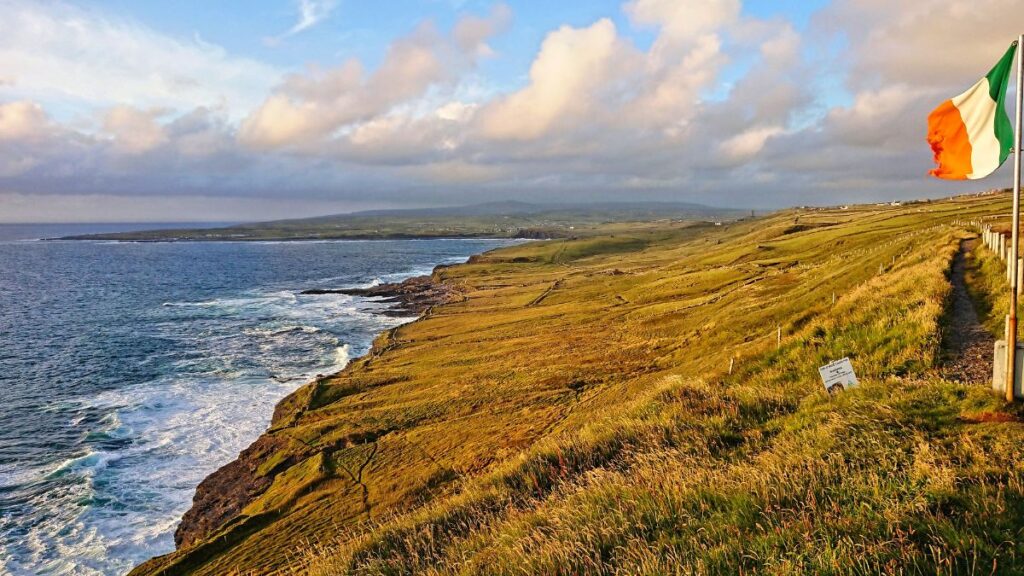
The Wild Atlantic Way runs for roughly 2,500km along Ireland’s entire western coastline. You won’t drive all of it in one trip unless you have two to three weeks and no desire to stop anywhere for more than a night. Most people focus on a section.
Here’s a rough breakdown of base options by stretch:
Donegal (north section)
Donegal Town gives you access to some of the most dramatic scenery in Ireland, such as Slieve League, Glenveagh, and the Fanad Peninsula. It’s the least-visited part of the Wild Atlantic Way, which is either a selling point or a warning depending on your personality.
Clare and the Burren (mid-section)
Doolin is the classic base for the Cliffs of Moher, but it’s tiny and gets swamped in summer. Ennis, the county town of Clare, is a much better option with a bigger accommodation range, proper restaurants, and still very well located.
Kerry (south section)
Kenmare over Killarney, if you can manage it. Killarney has the infrastructure, and the lakes are stunning, but it’s built around tourism in a way that can feel overwhelming. Kenmare is quieter, more characterful, and sits right at the entrance to both the Ring of Kerry and the Beara Peninsula.
Practical things people don’t always mention
Do you need a car? For Dublin and Galway, no, you can manage without one. For anywhere else on this list, yes. Ireland’s rural public transport is patchy at best, and renting a car gives you greater flexibility in what you can access.
How long do you need? A week is the minimum for a meaningful trip. Two weeks lets you see both coasts properly. Ten days is probably the sweet spot most people land on.
What about Northern Ireland? Belfast is a brilliant city and absolutely worth including. If you’re already in Donegal, it’s a short drive. The Causeway Coast, the Giant’s Causeway, the Carrick-a-Rede rope bridge, and the Dark Hedges are some of the best day trips on the island.
A quick note on accommodation types
Ireland has a wide range of places to stay, and the type you choose matters as much as the location.
- Guesthouses and B&Bs: Often the best value and the most local experience. Breakfast is usually included and genuinely good.
- Boutique hotels: Ireland has some excellent small hotels, particularly in Cork and Galway.
- Self-catering cottages: If you’re travelling as a family or staying somewhere rural, this is often the best option. Websites like Airbnb have good listings.
- Hostels: Still excellent in Dublin and Galway for solo travellers who are mindful of their budget.
Conclusion
There’s no single “best” place to stay in Ireland; it depends entirely on what you want from the trip. Dublin is the logical starting point. Galway is the city that tends to win people’s hearts. Kilkenny, Cork, Kinsale, and Kenmare each offer something distinctive that you won’t get anywhere else.
If I had to give one piece of advice? Don’t spend all your nights in one place. Ireland is a small island that rewards movement. Pick two bases, one urban, one rural or coastal, and you’ll get a far richer picture of what this country actually is.
Book early, pack a waterproof jacket, and don’t be in too much of a rush. The best parts of Ireland have a way of showing up when you slow down.
Frequently asked questions
What is the best town to stay in in Ireland?
It depends on your travel style, but Galway consistently ranks as the most beloved town among visitors. It combines genuine culture, great food, live music, and easy access to some of Ireland’s most dramatic landscapes. For a more intimate, off-the-beaten-path experience, Kenmare in Kerry and Kilkenny in the midlands are both outstanding alternatives.
Where to go in Ireland for a first-time visit?
For a first visit, a Dublin-Galway combination covers you well. Spend two to three nights in Dublin to cover the city highlights, then take the train or drive west to Galway and use it as a base for the Wild Atlantic Way. If you have ten days or more, add a few nights in Kerry or Cork.
Where is the best place to base yourself in Ireland?
Galway is arguably the best single base if you’re doing one location. It’s central enough to the west coast, walkable, vibrant, and gives you access to Connemara, the Cliffs of Moher, and the Aran Islands. If you want to see more of the island, split your time between Dublin in the east and Galway or Kenmare in the west.
Should I stay in Galway or Dublin?
Both, if you can. But if you’re forced to choose, it depends on your priorities. Dublin is better for history, nightlife, museums, and city energy. Galway is better for scenery, culture, traditional music, and the feeling of actually being in the Ireland you probably imagined. Most people find Galway more memorable.
Where to avoid staying in Dublin?
Avoid staying directly in Temple Bar if you’re a light sleeper or on a tighter budget; the noise levels are high, and the prices rarely reflect the quality. The areas around Tallaght and parts of the north inner city (particularly around Mountjoy Square late at night) are worth approaching with some awareness, especially if you’re unfamiliar with the city. Stick to well-reviewed accommodation in Ranelagh, Rathmines, Smithfield, or within walking distance of St Stephen’s Green for the best experience.