The ultimate Ireland packing list
Share this
Let me paint you a picture. It’s my second day in Galway. The sky, which was perfectly blue when I left the Airbnb, has turned the colour of wet concrete. I’m standing outside a pub on Shop Street, jacket-less, with a cotton hoodie that is now absorbing rain like a sponge. My shoes are soaked through. My mood? Somewhere between “why didn’t I Google this” and “I want to go home.”
That trip taught me everything I needed to know about packing for Ireland.
So if you’re wondering what to pack for Ireland, here’s your short answer: layers, waterproofs, and more layers. But there’s a lot more nuance to it than that, and getting it right genuinely makes or breaks your experience. Whether you’re planning a two-week road trip along the Wild Atlantic Way or a long weekend city break, this Ireland packing list covers everything you need, nothing you don’t, and a few things most people forget.
Why packing for Ireland is different from other European trips
Ireland is not like packing for Portugal or Italy. The weather is wildly unpredictable, and I mean that literally. You can experience sunshine, drizzle, wind, and a brief hailstorm all before noon. There’s even an Irish expression for it: “four seasons in one day.” It’s charming when you’re prepared. It’s miserable when you’re not.
The good news? Once you know what you’re dealing with, packing for Ireland becomes surprisingly straightforward.
The essential Ireland packing list, broken down by category

Clothing: the layering system that actually works
Forget heavy winter coats or bulky knitwear; the secret to dressing for Ireland is a layering system that lets you adapt throughout the day.
Here’s what that looks like in practice:
- Base layer: Lightweight layers, including t-shirts (5) and undershirts/camis (3).
- Mid layer: A warm fleece, sweater or a compact down gilet.
- Outer layer: A waterproof and windproof jacket is essential. Look for something lightweight and packable. REI’s rain jacket collection offers some great options.
- Trousers: 2 pairs of jeans or long pants; avoid linen unless you’re visiting in a heatwave (which is rare).
- Waterproof trousers: Will come in handy if you’re doing any hiking or spending a lot of time outdoors.
- One smart-casual outfit: Pubs and restaurants in Ireland are casual, but you’ll want one nicer option.
- Pyjamas: To sleep in, of course.
- Comfortable walking shoes: Waterproof if possible; trail runners work great.
- Sturdy boots: Essential if you’re doing any hiking or coastal walks.
- Flip flops or slip-ons: For hostels or relaxing days.
- Warm socks: At least 4-5 pairs; wool socks are worth the investment.
- Underwear: At least 4-5.
- A hat and gloves: Even in summer, mornings and evenings can be chilly.
- A lightweight scarf: A versatile accessory that can keep you warm, and it doubles as a blanket on long bus or train journeys.
- Belt.
My honest tip: Don’t pack your nicest white trainers. Ireland’s footpaths are often wet and muddy. I watched a fellow traveller ruin a pair of brand new Nikes on the Cliffs of Moher path. Save yourself the heartbreak.
The waterproof situation: don’t compromise here
Your rain jacket is the single most important thing to pack for Ireland. I’d argue it’s more important than your passport holder (well, almost). Look for something that’s:
- Genuinely waterproof, not just water-resistant, there’s a massive difference after an hour in Irish rain.
- Packable: So it fits in your daypack when the sun decides to show up.
- Wind-resistant: Coastal areas like the Dingle Peninsula and the Aran Islands get serious Atlantic gusts.
Brands like Patagonia, Arc’teryx, and Columbia work well. If you’re on a budget, Decathlon’s Quechua range is solid and won’t break the bank.
A compact travel umbrella is also worth throwing in, particularly if you’re spending time in cities like Dublin or Cork.
Toiletries
- Toothbrush.
- Toothpaste.
- Floss.
- Shampoo & conditioner.
- Washcloth.
- Body wash/soap.
- Face products.
- Lotion.
- Shaving items.
- Deodorant.
- Perfume/cologne.
- Hairbrush, ties, and products (e.g., gel, hairspray).
- Feminine hygiene products.
- Q-tips/cotton rounds.
- Makeup.
- Chapstick/lip balm with SPF.
- Nail tools.
- Tissues.
Essential health items and other toiletries
Keep this simple, most things are available in Irish pharmacies (called chemists) if you forget something. But these are worth packing:
- Sunscreen (yes, really, UV can be strong even on cloudy days).
- Insect repellent (midges can be bad near loughs and forests in summer).
- Any prescription medication in its original packaging with labels.
- Hand sanitiser.
- Disinfectant wipes.
- A small first aid kit with blister plasters, because you will walk more than expected.
- Glasses/contact lenses/solution.
- Safety pins.
- Tweezers.
Tech and travel documents
- Plug adapter: Ireland uses the Type G plug (the same as the UK), with 230V. The Ceptics European Plug Travel Adapter Set is highly recommended.
- Portable power bank: Essential for long driving days when you need GPS.
- Universal travel SIM card or use a local SIM card. Vodafone (prepaid SIM on arrival or eSIM) and Three offer reliable services.
- A physical or digital copy of your travel insurance information.
- Passport: Ensure it’s valid for at least six months beyond your stay.
- Identity Document (ID).
- Copies of important documents: Keep digital and physical copies of your passport, travel insurance, and itinerary.
- Driver’s license & IDP (if necessary).
- Health insurance information.
- Offline maps downloaded (Google Maps allows this; do it before you go).
- A waterproof phone case or dry bag for outdoor adventures.
Pro tip: Download the offline map for the entire island of Ireland. Mobile signal in rural areas can be patchy at best.
Day bag and luggage tips
- A 30–40L daypack is ideal for day trips, hikes, and carry-on travel.
- A packing cube set will save your sanity, especially if you’re moving between multiple accommodations.
- A waterproof dry bag (or just a few zip-lock bags) for protecting electronics during hikes.
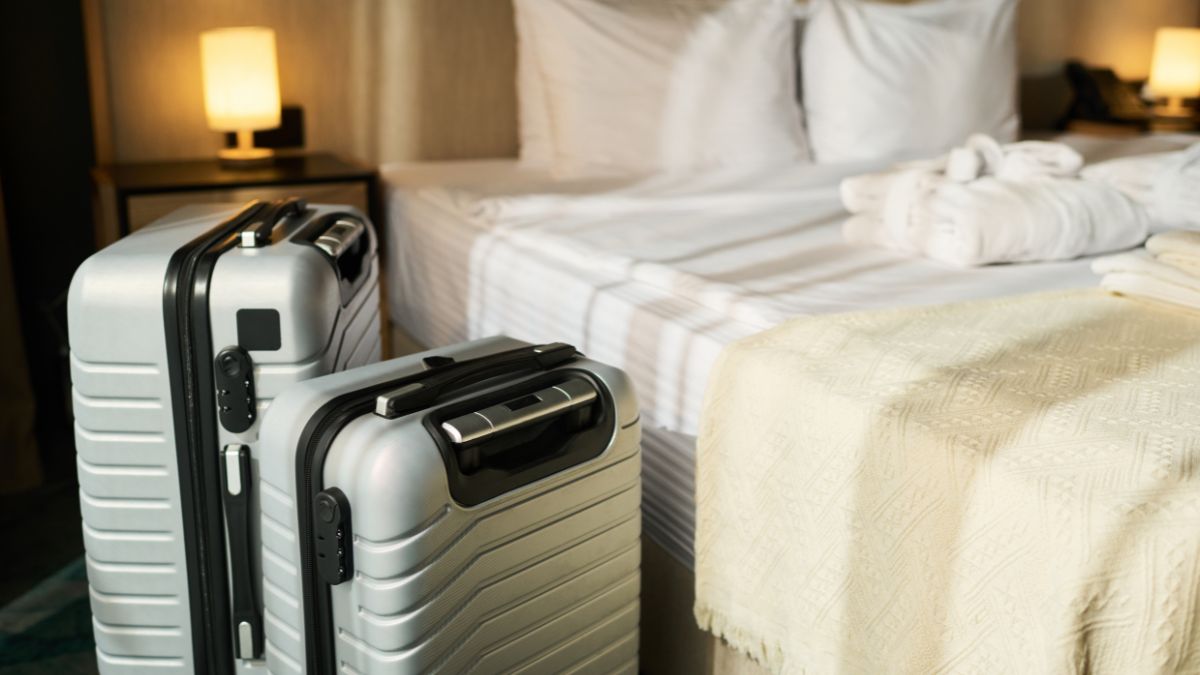
- Keep your main luggage to a medium-sized suitcase or 65L backpack; many B&Bs and guesthouses have narrow stairwells.
- Remember luggage tags.
Things to pack for Ireland that most people forget
These aren’t glamorous, but they consistently make the “I wish I’d brought that” list:
- A reusable water bottle: Ireland’s tap water is excellent, and you’ll save a fortune
- Earplugs: If you’re staying in a hostel dorm or near a lively pub (which you probably will be).
- A small padlock: For hostel lockers.
- Printed accommodation addresses: Rural GPS addresses can be unreliable.
- Cash (euros): Smaller rural pubs, farmers’ markets, and some B&Bs are still cash-only.
- A good book or Kindle: Trains and long bus rides between cities are perfect for reading time.
- Ziploc bags in multiple sizes: Useful for wet swimwear, muddy socks, or keeping documents dry.
What to pack for Ireland based on when you’re going
Summer (June-August)
Still pack a rain jacket. But add:
- Light layers rather than heavy fleece.
- Sunglasses (you’ll use them more than you expect).
- A light cardigan for evening pub sessions.
Autumn (September-November)
The most underrated time to visit. Fewer crowds, stunning foliage, cooler temperatures.
- Pack a heavier mid-layer.
- Waterproof boots become more important.
- The evenings get dark early, and a small torch or head torch is useful for rural walks.
Winter (December-February)
Ireland in winter is atmospheric and affordable.
- Full winter kit: thermal base layers, heavy waterproof jacket, warm hat.
Spring (March-May)
Unpredictable but beautiful. Pack for anything, and you’ll be fine.
A quick note on luggage weight and airline restrictions
If you’re flying into Ireland on a budget airline like Ryanair or Aer Lingus, check your baggage allowance before you pack. Ryanair’s free carry-on allowance is strict on size (40x20x25cm), and paying for hold luggage last-minute at the airport is eye-wateringly expensive.
My advice: Pack your Ireland packing list, then take out three things. You’ll be glad you did when you’re hauling your bag up a cobblestone street at 11 pm, looking for your accommodation.
Final packing tips
- “Pack half as much and take twice the money.” If you think you need to bring more, you very well may, but most people don’t.
- You probably won’t even need to take everything on this list.
- If you forget something, you can buy it in Ireland most of the time. It is always fun to run into a store and act like a local anyway.
- Even if you are travelling for more than one week, you won’t need any more than this. Drop off laundry at a launderette in town to pick it up clean at the end of the day.
Conclusion
Packing for Ireland doesn’t need to be stressful; it just needs to be intentional. Prioritise your waterproofs, embrace the layering system, and resist the urge to overpack. The country more than makes up for any minor packing oversights with its warmth, scenery, and the kind of unhurried atmosphere that makes you forget what you left at home.
And honestly? Even if it rains every single day, Ireland has a way of making that feel okay.
FAQ: Your Ireland packing questions answered
What should I pack on my trip to Ireland?
The essentials are a waterproof jacket, comfortable walking shoes, and layered clothing. Beyond that, pack a universal plug adapter (Type G), your travel documents, a reusable water bottle, and bring some cash in euros. Don’t forget insect repellent in summer and a warm hat for evenings year-round.
What is the 5 4 3 2 1 packing rule?
The 5-4-3-2-1 rule is a popular minimalist packing method: 5 sets of socks and underwear, 4 tops, 3 bottoms, 2 pairs of shoes, and 1 jacket. It’s a great framework for shorter trips and works well for Ireland, as long as your one jacket is genuinely waterproof.
What is not allowed to be brought into Ireland?
Ireland has strict biosecurity rules. You cannot bring in meat, dairy, or most plant products from outside the EU without proper documentation. This is enforced seriously at airports. Certain medications also have restrictions; if you’re carrying controlled substances, bring a letter from your doctor. Weapons and prohibited items follow standard EU rules.
What is the most forgotten item when travelling?
Based on travel surveys and anecdotal experience, plug adapters consistently top the list, followed closely by sunscreen, travel insurance documents, and reusable shopping bags. For Ireland specifically, people often forget blister plasters and cash, both of which become urgently needed within the first 48 hours.
What are the 5 biggest packing mistakes to avoid?
1. Overpacking clothing: You’ll rewear things more than you think.
2. Packing cotton for rain: It soaks through and takes forever to dry; opt for synthetics or merino wool.
3. Forgetting a daypack: You’ll need something separate from your main luggage for day trips.
4. Ignoring weight limits: Budget airlines will charge you heavily at the gate.
5. Packing for the weather you want, not the weather Ireland gives you: Always, always bring that rain jacket.
That’s it! The Ultimate Ireland Packing List. For a free printable version of this list, enter your email below. Happy packing!
Slán go fóill (goodbye for now)!