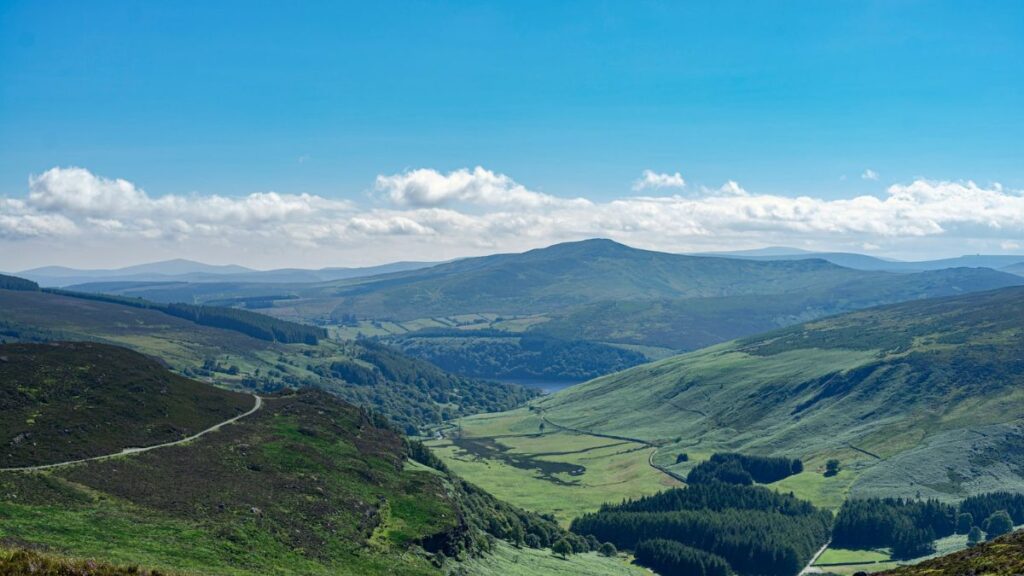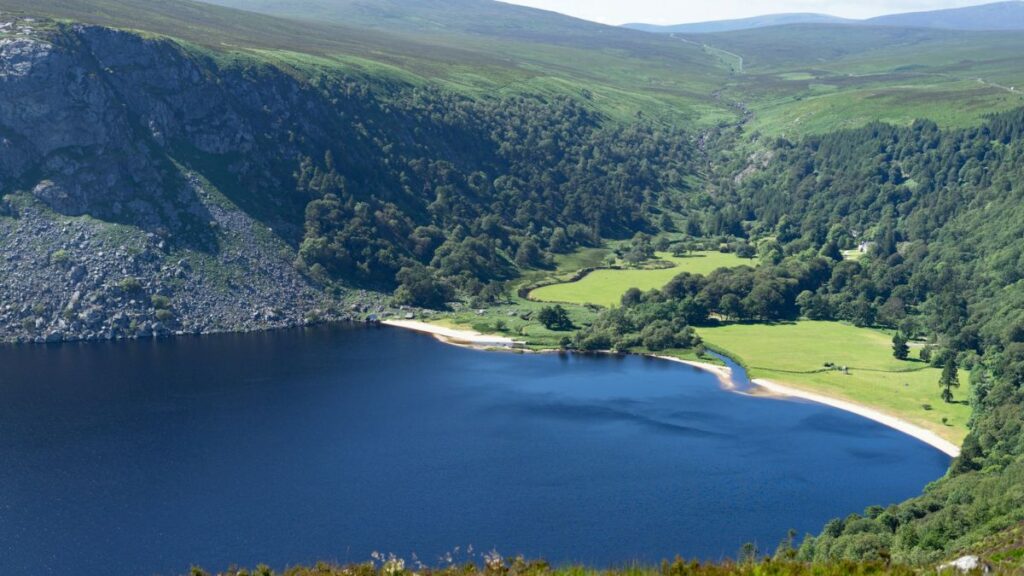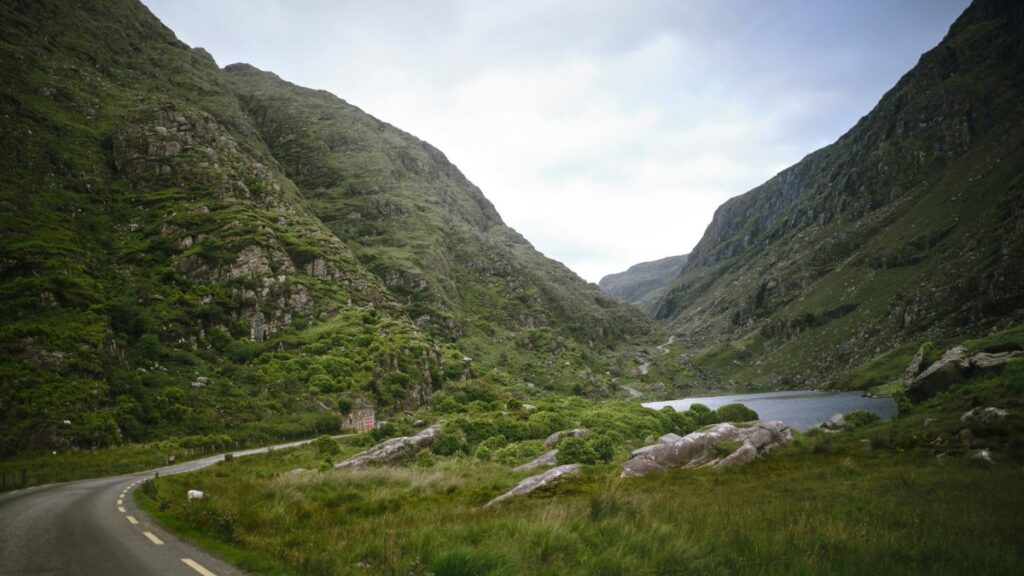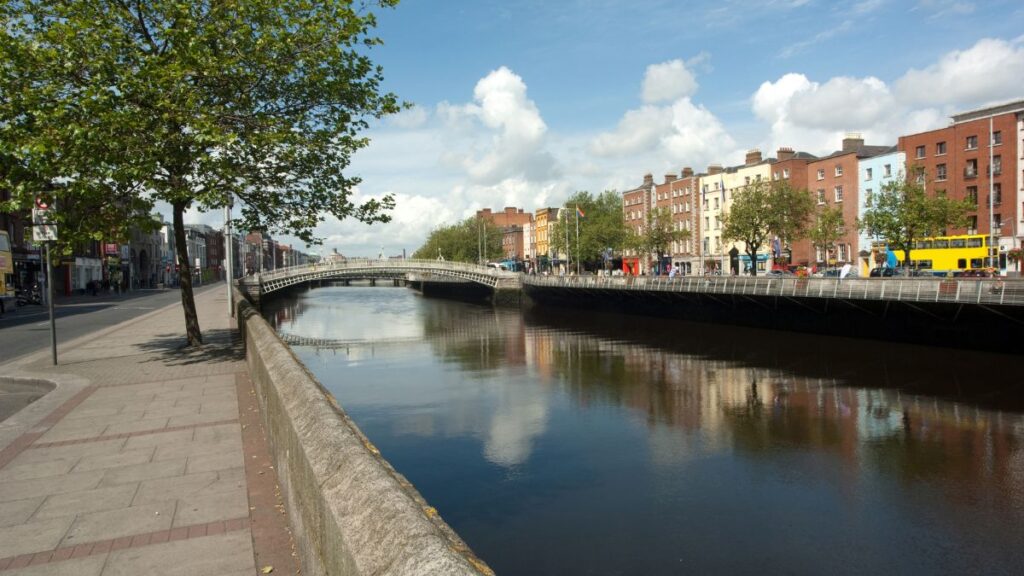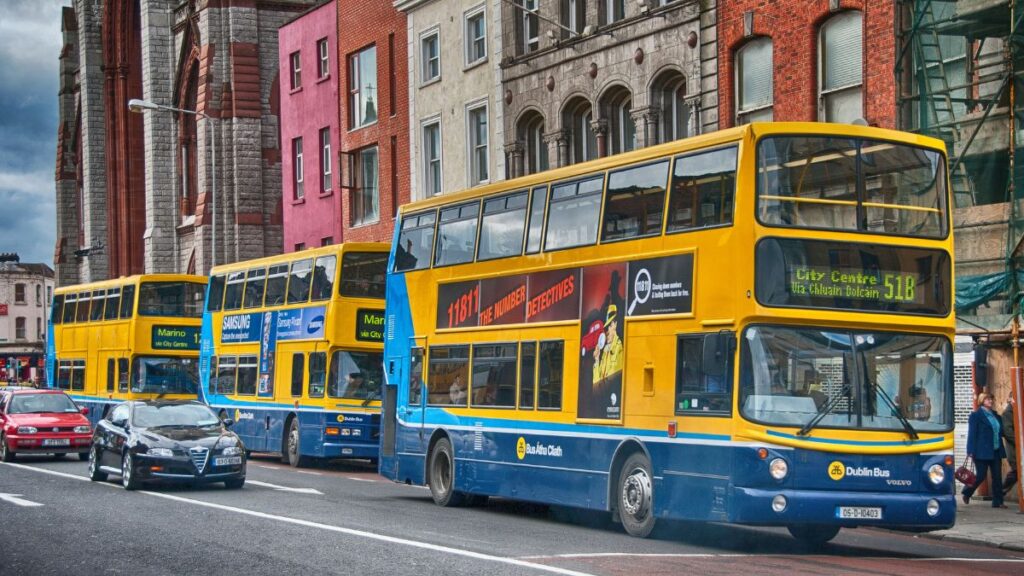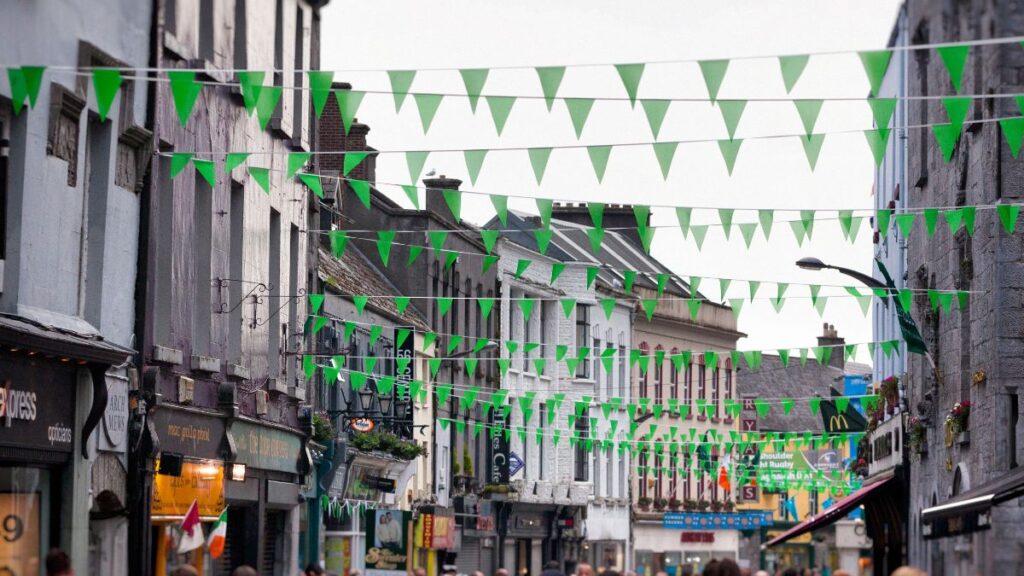


There’s no “perfect” time to visit Ireland, unlike the Amalfi Coast or Santorini. Ireland charts its own course. Its weather is unpredictable, locals embrace it, and the landscape is stunning, rain or shine.
This guide ignores generic advice and offers practical insight into each season, helping you plan based on your priorities, not someone else’s notion of the ideal Irish holiday.
The short answer: The best time to visit Ireland is late May through early September, especially June and early July, when the days are long, the countryside is deeply green, and the weather is about as cooperative as Ireland ever gets. If you’re working with a tighter budget, April, May, or September offer a brilliant compromise: fewer crowds, lower prices, and quite pleasant weather. Winter is tough but not impossible, more on that below.
Why the best time to go to Ireland depends on you
Before we get into the month-by-month breakdown, it’s worth asking yourself a quick question: what kind of trip are you actually planning?
- If you want long evenings, lively pubs, and festivals, the best time to visit is Summer (June-August).
- If you want green landscapes, fewer tourists, and lower prices, the best time to visit is the shoulder season (April-May, September).
- If you want atmospheric moodiness and great deals, the best time to visit is Winter (November-February).
- If St. Patrick’s Day is the whole point, the best time to visit is mid-March.
There’s no wrong answer here. The best time of year to visit Ireland really does shift depending on what you’re after. Let’s break it down season by season.
Season by season: What to actually expect
Spring (March-May): The sweet spot nobody talks about enough
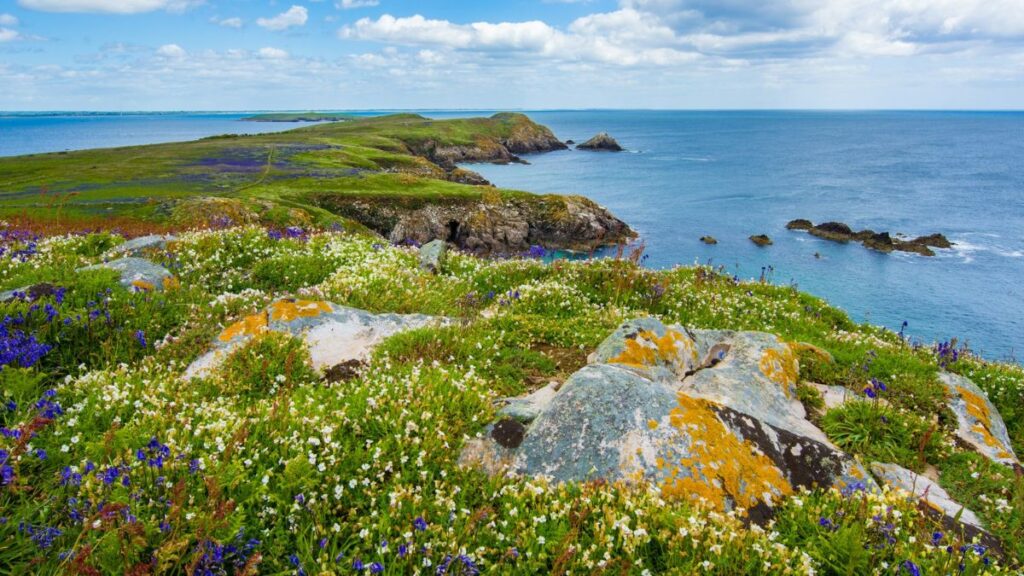
Springtime in Ireland is genuinely underrated. By April, the hedgerows are exploding with colour, the days are getting noticeably longer, and the crowds haven’t arrived yet. You can walk into most attractions without a queue and get a table at dinner without a week-long reservation.
March is trickier; it’s still winter-adjacent, and St. Patrick’s Day (March 17) brings its own chaos to Dublin in particular. If you’re going for the festival, lean into it. If you’re not, maybe avoid the city that week and head west to Galway or the Dingle Peninsula instead.
By May, you’re in a sweet spot. Temperatures hover around 12-15°C (54–59°F), rain is possible on any given day but rarely relentless, and the evenings are stretching toward 9 or 10 PM. It’s one of the best times to road-trip the Wild Atlantic Way.
Summer (June-August): Peak season for good reason
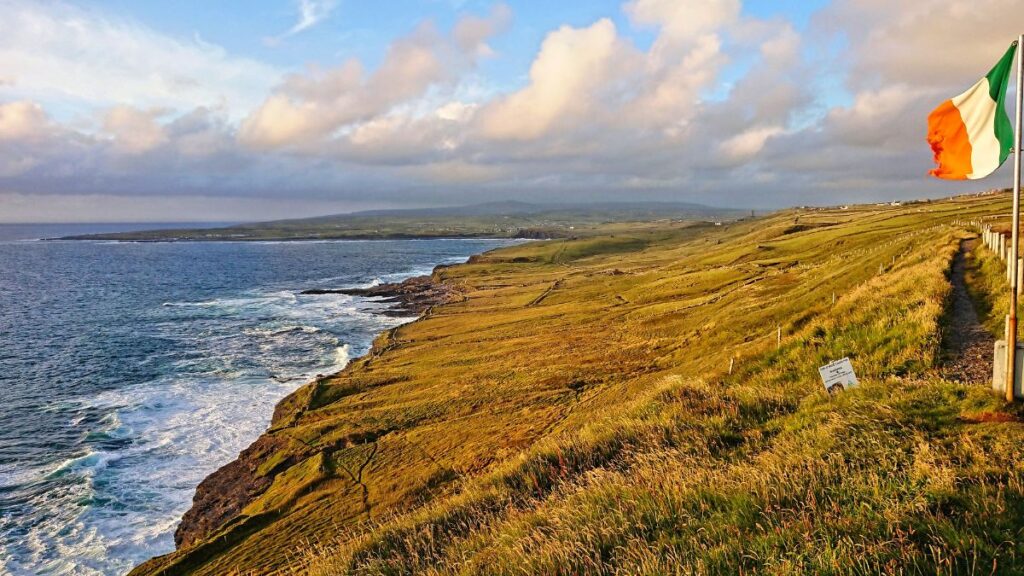
This is peak season, and there’s a reason for that. June and July offer the longest days Ireland gets; in some parts of the north, you’ll have light until nearly 11 PM. That extra light transforms the landscape. The Cliffs of Moher at 9 PM in late June, still golden, is one of those genuinely stunning sights.
Temperatures sit around 16–20°C (61–68°F), occasionally warmer. Rain still happens; this is Ireland, not Ibiza, but summer showers are usually short, and the sky clears quickly.
The trade-off? Crowds and cost. July is the busiest month of the year. Book accommodation months in advance, especially for anywhere along the Wild Atlantic Way or the Aran Islands. Prices for hotels and rental cars climb noticeably.
August is slightly less hectic than July and still a good time to visit. Irish schools return in early September, which marks a clear shift.
Autumn (September-October): Arguably the best-kept secret
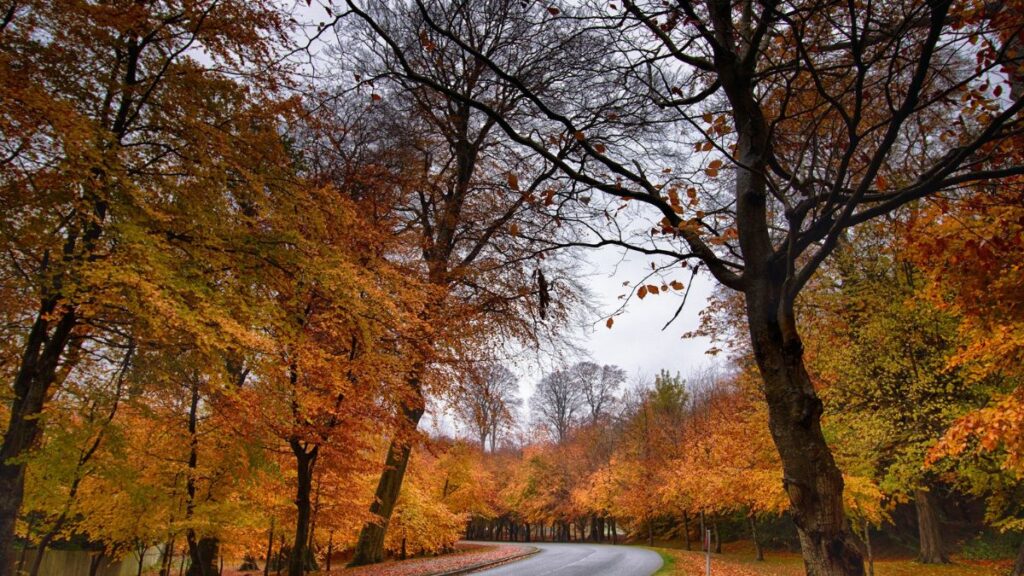
September might honestly be the best time to visit Ireland for a certain type of traveller, the kind who appreciates having a famous landmark mostly to themselves, or who prefers a proper local pub to a tourist-packed one.
The weather in early September is often remarkably similar to August, the summer crowds have gone home, and prices drop noticeably. The landscape shifts to amber and russet tones by October, and there’s a particular quality to the light in autumn that photographers absolutely love.
October does get wetter and windier as it goes on, but that atmospheric mist rolling over the Connemara hills? That’s not a bug, it’s a feature.
Winter (November-February): Not for everyone, but hear me out

Let’s be honest about winter. November through January is genuinely tough in Ireland. Short days, frequent rain, and many tourist sites are operating on reduced hours or closed entirely. The west coast can get absolutely battered by Atlantic storms.
But winter in Ireland has something that no other season offers: authenticity. You’ll find locals in the pubs, not tourists. You’ll pay almost half what you’d pay in summer for the same hotel room. You’ll stand at the Cliffs of Moher and have them almost entirely to yourself.
Cities like Dublin, Galway, and Cork come into their own in winter too. The Christmas markets, the cosy pubs, the lit-up Georgian streets, it’s genuinely atmospheric in a way that sticks with you long after you’re home.
Month-by-month quick reference
| January | Cold, wet, 5-8°C | Very low | Low season |
| February | Cold, improving | Very low | Low season |
| March | Variable, 8-11°C | Low (high during St. Patrick’s Day) | Shoulder |
| April | Mild, 10-13°C | Low–Moderate | Shoulder |
| May | Pleasant, 12-15°C | Moderate | Shoulder |
| June | Warm, long days, 15-18°C | High | Peak |
| July | Warmest, 16-20°C | Very high | Peak |
| August | Warm, 15-19°C | High | Peak |
| September | Mild, 13-16°C | Moderate | Shoulder |
| October | Cooler, rainier, 10-13°C | Low | Shoulder |
| November | Cold, wet, 7-10°C | Very low | Low season |
| December | Cold, festive, 5-8°C | Low | Low season |
Practical tips, whatever time you go
- Pack layers, not just a raincoat: Irish weather can shift three times in an afternoon. A light fleece plus a waterproof outer layer beats a heavy coat every time.
- Book the Wild Atlantic Way accommodation early: The coastal route is popular year-round, and decent places sell out months ahead in summer.
- Rent a car if you can: Public transport is fine for cities, but for the countryside, where most of the magic is, you need your own wheels.
- Don’t skip the west: Most first-timers spend too much time in Dublin. County Kerry, Connemara, Donegal, and Clare are where Ireland really opens up.
- Budget for the unexpected: A rainy afternoon in a Galway pub, nursing a Guinness and listening to a trad session, isn’t a wasted afternoon; it’s the whole point.
Conclusion
The best time of year to visit Ireland isn’t a single month on the calendar; it’s the time that fits what you actually want from the trip. Summer gives you the best weather and the fullest experience. Shoulder season gives you breathing room and better value. Winter gives you Ireland at its most raw and real.
Don’t wait for the “perfect” conditions. Ireland doesn’t do perfect. It’s genuine, unexpected, and quietly spectacular, and it’s available in every single month of the year.
What is the warmest month in Ireland?
July is typically Ireland’s warmest month, with average temperatures hovering between 16°C and 20°C (61-68°F). It rarely gets hotter than that, which, honestly, is part of the charm. You’re not going to Ireland for a heatwave; you’re going for the dramatic skies and the craic.
Is Ireland worth visiting in winter?
Absolutely, if you go in with the right expectations. Cities like Dublin, Galway, and Cork are genuinely enjoyable in winter, and you’ll pay significantly less for flights and accommodation. Just don’t plan a coastal road trip in January expecting sunshine. The Wild Atlantic Way in a storm is awe-inspiring but not exactly comfortable.
How many days do you need to see Ireland properly?
At a minimum, ten days. A week will let you see the highlights, but you’ll be rushing. Two weeks is ideal if you want to travel beyond Dublin, and you really should explore beyond Dublin. Counties Kerry, Galway, Clare, and Donegal are where Ireland stops being a postcard and starts being a place.
Is Ireland more expensive in summer?
Yes, quite noticeably. July in particular sees peak pricing for hotels, rental cars, and popular tours. Book flights and accommodation at least three to four months ahead for a summer trip. If budget is a concern, May or September offers more or less the same experience at a much lower price.
When is the best time to visit Ireland for the scenery?
Late spring (May) and early autumn (September-October) are arguably the best for pure scenery. The landscape is lush, the light is golden and dramatic rather than harsh, and you won’t be elbowing through tour groups to get a photo. Autumn in Connemara or on the Beara Peninsula is something most people aren’t prepared for, in the best possible way.
External resources
For detailed weather patterns, visit Met Éireann. For flight deals, check Skyscanner. Happy travels!
Slán go fóill (goodbye for now)!