

Ireland is one of those destinations that sneaks up on you. You plan for rolling green hills and a pint in a cosy pub, and you end up completely blindsided by how quickly the euros disappear. It happens to a lot of people.
So, how do you actually make a budget for Ireland? The short answer: Start with your daily spend categories, accommodation, food, transport, and activities, estimate realistic costs for each, add a 15% buffer for the unexpected, then multiply by your number of days. That’s the skeleton. But the real value is in the details, and that’s exactly what this guide covers.
Whether you’re planning a solo trip on a shoestring or a two-week family holiday, this breakdown will help you arrive with a number you can actually stick to.
Let’s be upfront: Ireland is not a cheap destination. It consistently ranks among the more expensive countries in Europe, particularly Dublin, which sits comfortably alongside Amsterdam and Paris in terms of daily costs.
But here’s the thing: It’s entirely possible to have a rich, memorable trip without overspending. The problem isn’t that Ireland is unaffordable. The problem is that most people don’t plan their budget for Ireland with enough specificity. They have a vague number in their head and hope for the best.
Hope is not a budget strategy.
Before you open a spreadsheet, you need to be honest with yourself. There are broadly three traveller types when it comes to Ireland, and your type dictates everything:
Most people fall into mid-range, but budget for budget. That gap is where problems start.
Accommodation will likely be your biggest single expense, especially if you’re spending time in Dublin. Here’s a realistic breakdown:
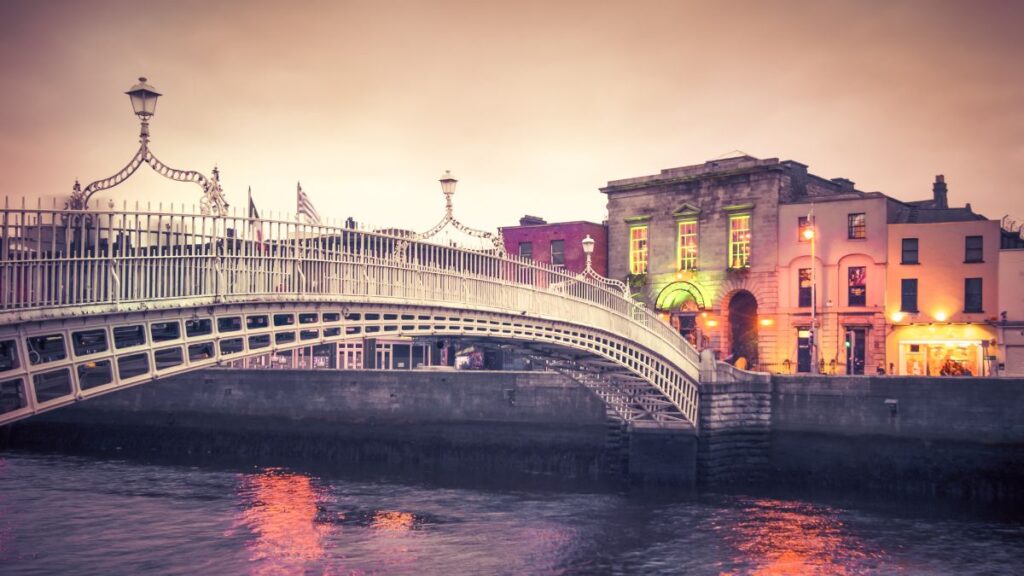
Dublin is noticeably more expensive than everywhere else. A bed in a decent hostel dorm can run between €30-€55 per night. A mid-range hotel in the city centre will typically cost €130-€200 per night, sometimes more during peak season (June-August) or when a major event is on.
Once you get outside Dublin, think Galway, Killarney, Westport, or Dingle, prices drop significantly. A lovely B&B in the west of Ireland might cost €80-€120 for a double room, breakfast included. And that breakfast is usually not a small affair.
A real-world example: My friend Sarah and her partner planned a 10-day trip to Ireland a couple of summers ago. They budgeted €100 per night for accommodation across the board. Dublin wiped that budget out in two nights. Once they moved west, they were actually under budget, but the Dublin splurge had already knocked things off balance. The fix? Allocate more per night for Dublin nights specifically, not a single average across the trip.
If you’re travelling as a group or staying somewhere for more than two or three nights, look into self-catering cottages. Sites like Airbnb and Daft.ie Holiday Homes list properties around the country, and splitting a cottage between four people can bring your nightly accommodation cost down to €30-€50 per person. It’s a genuinely smart move for rural Ireland.
This is where Ireland’s budget has a habit of running away from people. Food and drink, particularly drink, can add up fast.
A casual lunch at a café will run you about €12-€18. A sit-down dinner at a mid-range restaurant is typically €25-€40 per person, excluding drinks. If you’re adding a glass of wine or a pint (expect to pay €6-€7 for a pint of Guinness in most places, and up to €8-€9 in central Dublin), your dinner bill climbs quickly.
Ireland has good supermarkets: Lidl, Aldi, Tesco, and SuperValu are everywhere. Stocking up on breakfast items, sandwich ingredients, and snacks can save you €15-€20 a day easily. If your accommodation has a kitchen, use it. Even one self-cooked meal per day makes a noticeable difference to your budget for Ireland.
Let’s talk about pubs, because pretending you won’t spend money in them is not realistic for Ireland travel planning. Factor in at least two or three pub evenings and budget €30-€50 per person per evening if you’re having a proper session with food and a few rounds. It’s worth it. Just plan for it.
How you move around Ireland is a major budget variable. The country doesn’t have an extensive rail network outside of Dublin, so your options are essentially: car hire, bus (Bus Éireann or private coaches), or a mix of both.
Renting a car is by far the most flexible and, for groups, often the most cost-effective option. Expect to pay €40-€80 per day for a standard car hire, depending on the season and provider. Remember to factor in:
Also note: most rental cars in Ireland have a manual transmission. If you need an automatic, book early and expect to pay a premium.
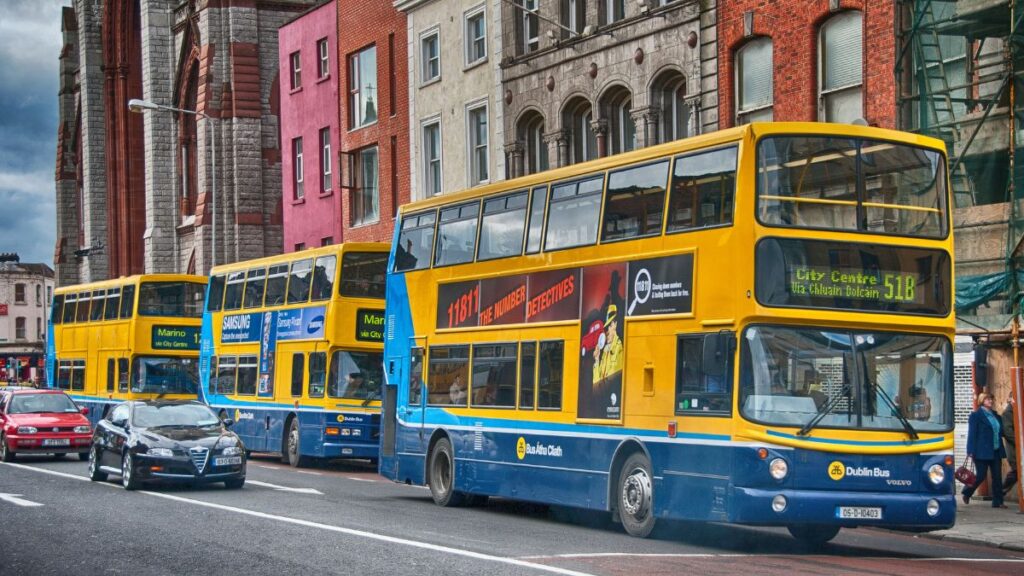
The Dublin bus and DART (suburban rail) system works well within the city. A Leap Card (Ireland’s contactless transport card) saves you money on fares. For intercity travel, Bus Éireann connects most towns, and Expressway coaches run between major cities. Dublin to Galway by bus is about €15-€25 return if booked in advance.
The train network is limited but scenic; the Dublin to Cork and Dublin to Galway routes are both comfortable options.
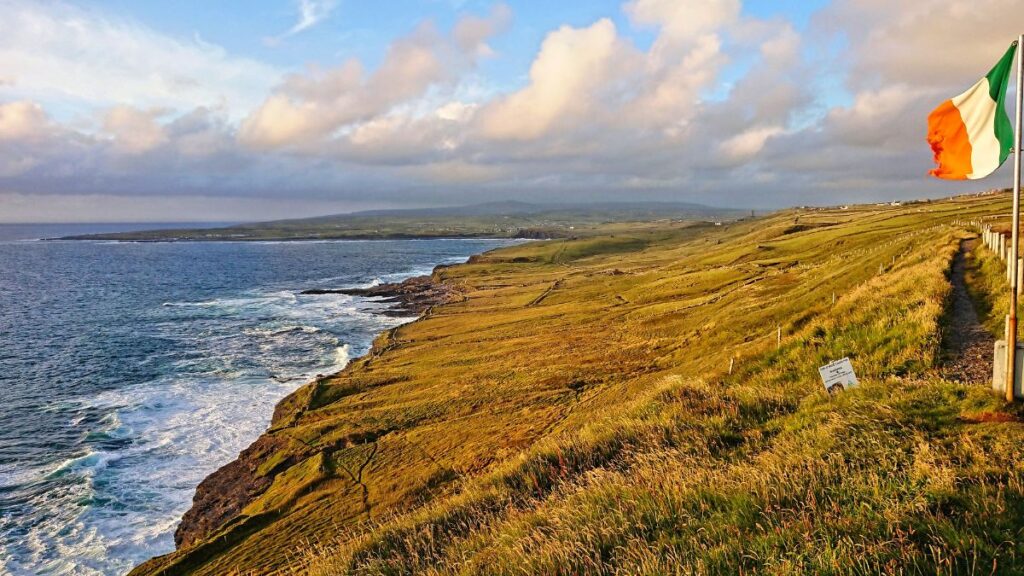
Ireland has a lot of free stuff. The scenery, the Cliffs of Moher, the Ring of Kerry, the Connemara landscape, costs nothing to look at (though the Cliffs of Moher visitor centre charges €8-€14 per adult for access to the main viewing area).
Here’s a rough guide to common attraction costs:
A Heritage Card (€40 per adult) gives you unlimited access to all OPW-managed sites for a year. If you’re visiting more than five or six heritage sites, it pays for itself.
This is non-negotiable. Add 15-20% to whatever total you’ve arrived at. Ireland’s weather is unpredictable, and bad weather days often mean spontaneous museum visits, extra coffees, or an unplanned extra night somewhere because the roads are rough.
Unexpected costs also include things like:
Here’s a realistic mid-range budget for one person, seven days:
| Category | Estimated cost |
| Flights (return, from UK/Europe) | €80-€200 |
| Accommodation (7 nights, mix of Dublin + rural) | €700-€1,000 |
| Food and drink | €350-€500 |
| Transport (car hire + petrol) | €350-€450 |
| Activities and entrance fees | €100-€150 |
| Contingency (15%) | €240-€345 |
| Total | €1,820-€2,645 |
For budget travellers, this number can come down to €1,000-€1,300 with hostels, self-catering, and careful planning. For comfort travellers, €3,000+ is realistic.
One of the most effective ways to manage your budget for Ireland is to split your itinerary intentionally: high-spend days and low-spend days.
For example, a day driving the Wild Atlantic Way costs almost nothing beyond petrol and a packed lunch. The scenery is extraordinary and entirely free. Balance that against a day in Dublin where you hit the Guinness Storehouse and go out for dinner. By planning your itinerary this way, your weekly average stays manageable even if individual days vary widely.
Another real example: A group of four friends planned a trip with a total group budget of €8,000 for ten days. They designated two “splurge days”, one in Dublin and one for a boat trip to the Aran Islands, and kept everything else lean. They came back under budget and said it was the best-paced trip they’d ever done.
Ireland uses the euro (€). Most places accept card payments, including tap-to-pay, and you’ll rarely need cash in cities. That said, some rural pubs, small cafés, and market stalls are cash only. Carry €50-€100 in cash as a buffer.
Use a travel-friendly card (Revolut, Wise, or a no-foreign-fee credit card) to avoid currency conversion charges. These can add up to 2-3% on every transaction, which over two weeks is not trivial.
Making a solid budget for Ireland isn’t about being tight with your money; it’s about knowing where it goes so you can spend it on what actually matters to you. The framework is simple: know your traveller type, price out each category honestly, plan high-spend and low-spend days, and always keep a contingency buffer.
Ireland rewards the prepared traveller. The pint tastes better when you’re not quietly panicking about your bank balance.
A realistic daily budget per person ranges from €60-€90 for budget travellers, €120-€180 for mid-range travellers, and €200+ for those wanting comfort and flexibility. Dublin days will push these figures higher than rural days.
Yes, Ireland is one of the more expensive destinations in Europe, particularly Dublin. It’s broadly comparable to the Netherlands or Scandinavia in terms of daily costs. However, rural Ireland and the west coast are significantly more affordable, and the country offers a lot of free natural attractions.
For most travellers, accommodation is the largest single expense, followed by food and drink. If you’re hiring a car, transport can also become significant. Keeping accommodation costs under control – especially in Dublin – is the single most impactful thing you can do for your overall budget for Ireland.
Absolutely. Staying in hostels, self-catering, using public transport, and focusing on free natural attractions like the Wild Atlantic Way, national parks, and coastal walks make Ireland very accessible on a lower budget. €1,000-€1,300 for a week is achievable with discipline.
The shoulder seasons – March to May and September to October – offer the best balance of lower prices and reasonable weather. Summer (June-August) is peak season with higher accommodation costs and more crowds. January and February are the cheapest but come with shorter days and the most unpredictable weather.
Slán go fóill (goodbye for now)!