
There’s something about Ireland in spring that gets under your skin. The days are stretching out again, the countryside is shaking off winter, and the country’s festival calendar is absolutely bursting at the seams.
If you’re wondering which spring festivals in Ireland are worth planning a trip around, here’s the short answer: all eight on this list. Whether you’re into music, theatre, food, literature, or just the craic of being part of a proper Irish celebration, spring here delivers in ways you genuinely don’t expect.
Ireland doesn’t do half-measures when it comes to festivals. There’s a real community warmth to them, a sense that locals are as excited as the visitors. That’s what sets the spring season apart from the big summer tourist rush. You’ll find shorter queues, friendlier crowds, and a more genuine slice of Irish life.
So let’s get into it. Here are eight festivals that make spring in Ireland absolutely worth the trip.
1. St. Patrick’s Festival Dublin

- When: Around 17 March (multi-day festival).
- Where: Dublin city centre.
Let’s start with the obvious one, because it genuinely deserves its reputation.
St. Patrick’s Festival in Dublin has grown into something far bigger and more interesting than a single parade. It now spans four to five days and pulls in around 500,000 visitors from across the world. But don’t let the numbers put you off; the city handles it remarkably well.
The centrepiece is still the parade itself, which winds through the heart of Dublin on 17 March. Floats, marching bands, community groups, international performers, and the kind of atmosphere that makes your chest swell even if you’ve never set foot in Ireland before. It’s one of those events that feels genuinely joyful rather than manufactured.
Beyond the parade, the festival includes open-air concerts, céilí dancing in public spaces, light projections on iconic buildings, and a festival quarter along the quays where the craic goes late into the evening.
Practical tips:
- Book accommodation at least three months in advance. The city fills up fast.
- The parade route gets packed by 9 AM. Get there early and stake your spot.
- Consider visiting on the days before 17 March to enjoy the festival atmosphere without the biggest crowds.
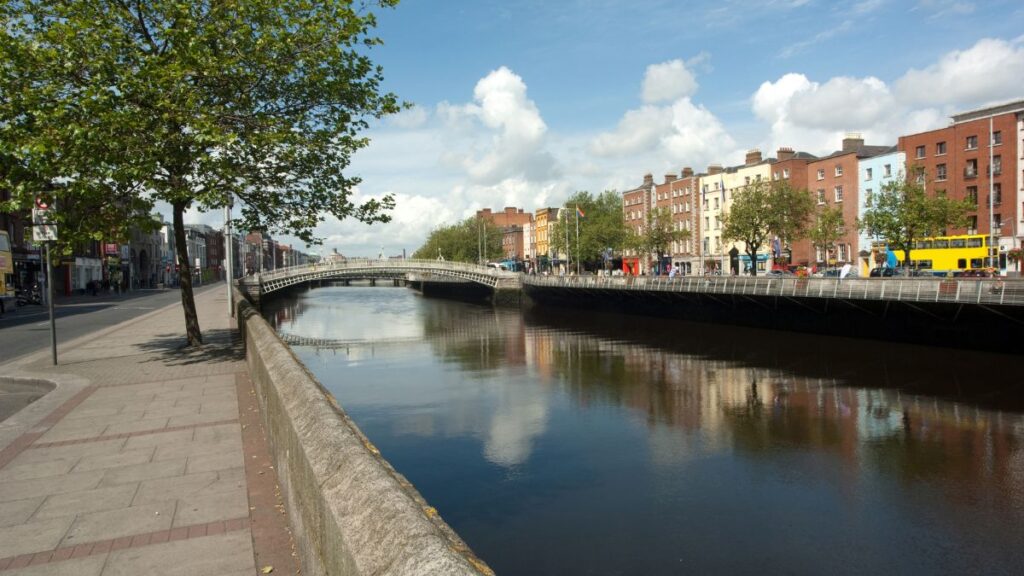
- The green river is a Dublin tradition for St. Patrick’s Day. Don’t miss it if you’re near the Liffey.
I spoke to a friend who first visited Dublin for St. Patrick’s Festival as a solo traveller in her late twenties. She told me she ended up sharing a spot on the parade route with a family from Cork, two American-Irish students, and a group of Brazilians who had learned “Amhrán na bhFiann” phonetically. “It felt like the whole world was just happy to be there,” she said. That’s the thing about this festival. It’s one of those rare events where the hype is actually earned.
2. Blas Na Bealtaine – A Taste of May Food Festival in Galway
- When: Throughout May.
- Where: Galway city.
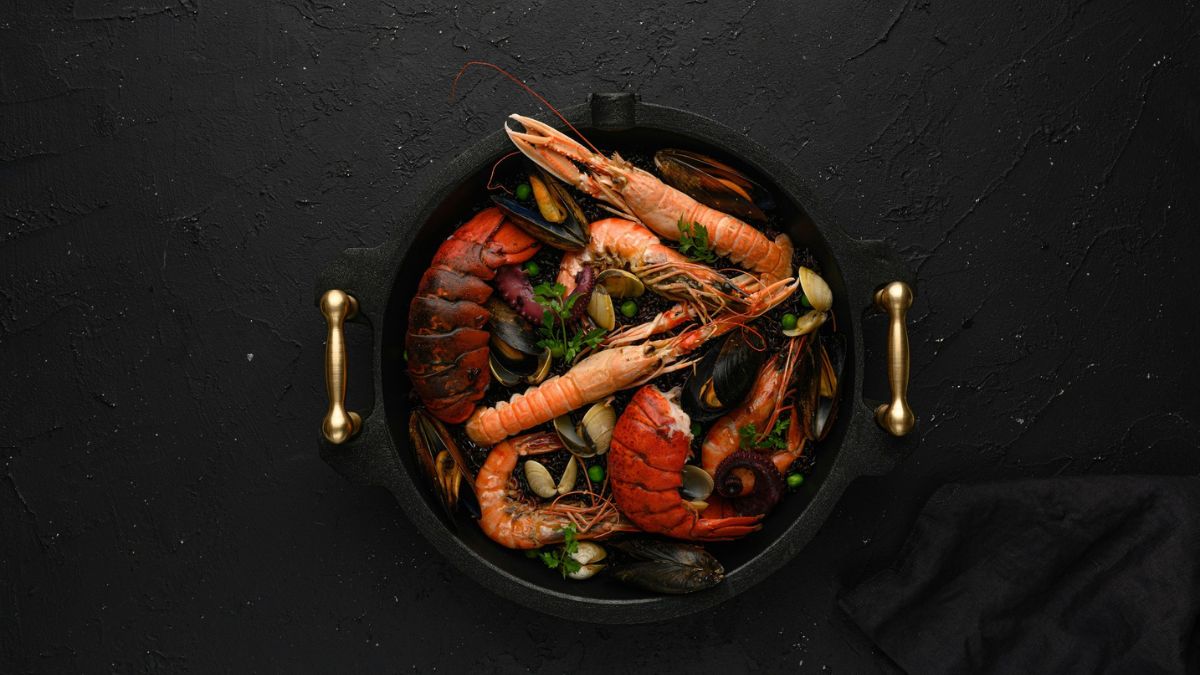
If you’ve ever wanted a proper excuse to eat your way around the west of Ireland, Blas Na Bealtaine is it.
Full name “Blas Na Gaillimhe – A Taste of Galway,” this is a month-long food celebration delivered in May by the Blas Na Gaillimhe network, a community of Galway restaurants, producers, and hospitality businesses united by a shared belief that Galway is the food capital of the west. Honestly, it’s hard to argue with them.
The festival was founded by chef JP McMahon, the Michelin-starred mind behind Aniar restaurant, and it shows. This isn’t a generic food market slapped together over a weekend. It’s a thoughtful, sustained programme built around the relationships between the people who grow and produce Galway’s food and the chefs and restaurants who cook with it.
What’s on offer is genuinely broad. Across May, you can expect:
- Cookery demonstrations by top chefs from restaurants like Aniar, Kai, and The Kings Head.
- Oyster tastings, seafood trails, and farm tours around Galway county.
- Cheese-making demonstrations, distillery visits, and foraging walks.
- Beer masterclasses, coffee cupping sessions, and wine pairings.
- Interactive food workshops for children.
- Theatre and music woven into the mix alongside the food events.
The previous Galway Food Festival, from which Blas Na Bealtaine grew, used to draw over 70,000 visitors annually, with more than 100 food outlets and producers taking part. The current format spreads that energy across the full month rather than compressing it into a single weekend, which makes it more accessible and far less frantic.
What strikes me most about this festival is the emphasis on reconnection: with producers, with the land, with where food actually comes from. It’s not just about eating well (though you certainly will). It’s about understanding why Galway’s food culture is worth celebrating.
Practical tips:
- The month-long format means you don’t need to hit everything at once. Pick a weekend that works and build an itinerary around two or three events.
- Book restaurant tasting menus and ticketed workshops early. The most popular events sell out well in advance.
- Use the festival as a reason to explore Galway county, not just the city. Farm tours and coastal food experiences outside the city centre are among the highlights.
3. Cork International Choral Festival
- When: Late April to early May (over four days).
- Where: Cork city.
Cork has always had a strong claim to being Ireland’s cultural capital, and the Cork International Choral Festival only strengthens that argument.
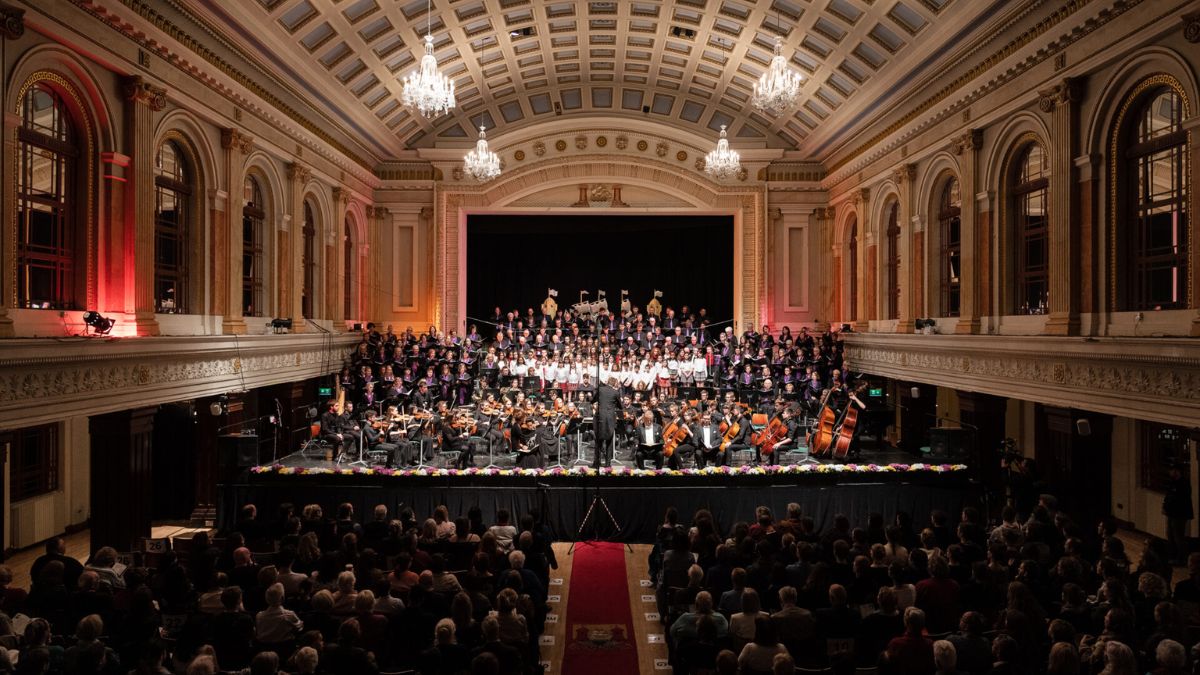
Now in its seventh decade, this is one of the oldest and most prestigious choral festivals in Europe. Every year, choirs from across Ireland and around the world converge on Cork to compete and perform across a range of categories, from sacred choral music to contemporary compositions and folk arrangements.
What’s lovely about this festival is that it spills out beyond the concert halls. You’ll hear choirs singing in Cork’s English Market, in St. Fin Barre’s Cathedral, on Patrick Street, and in the city’s squares. The city effectively becomes one big concert venue.
The competitive element is taken seriously, and the standard of performance is consistently high. But you don’t need to be a classical music enthusiast to enjoy it. There’s something about live choral music, especially heard outdoors in unexpected places, that stops people in their tracks.
Practical tips:
- Pair the trip with a visit to the English Market and the surrounding Crawford Art Gallery for a fuller Cork experience.
- Many of the outdoor performances and fringe events are free.
- The gala concert on the final evening is worth booking tickets for well in advance.
4. Galway Theatre Festival
- When: Early May (approximately ten days).
- Where: Various venues across Galway city.
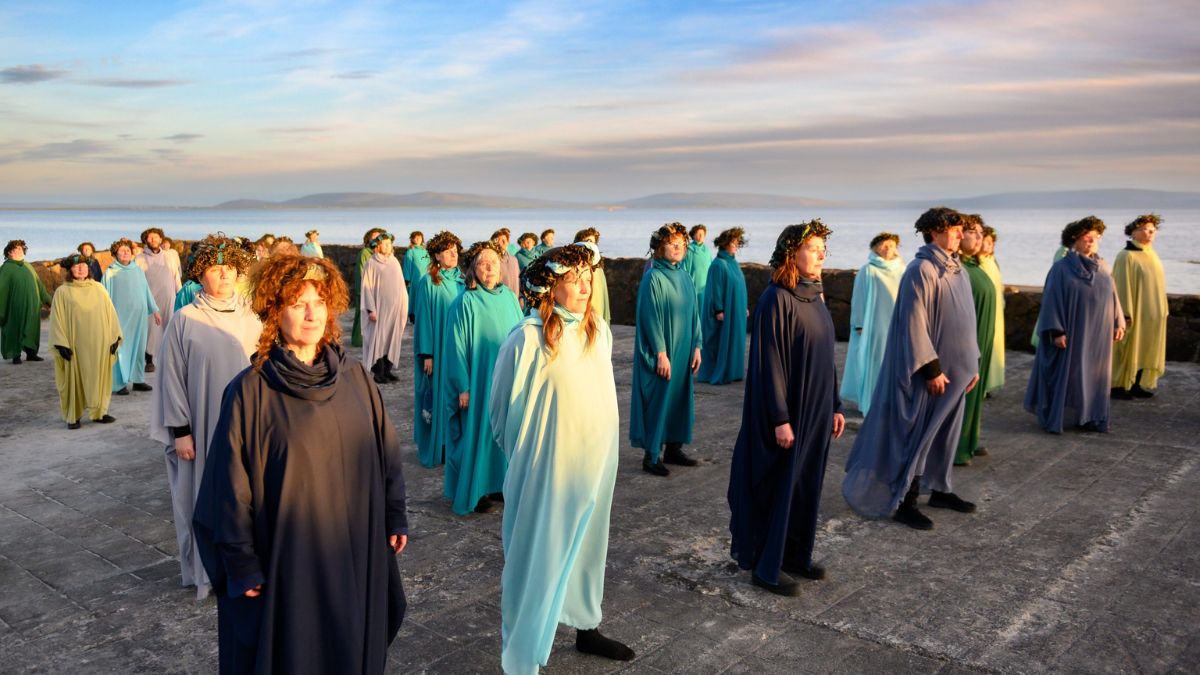
Galway is one of Ireland’s most theatrical cities. It has a long tradition of bold, inventive performance, and the Galway Theatre Festival leans fully into that reputation.
This festival is not a showcase for safe, established theatre. It’s explicitly designed to platform new work, experimental forms, and the kind of theatre that challenges what theatre can be. Over ten days, dozens of productions take place across Galway’s venues, from established theatre spaces to site-specific locations around the city.
The festival has an impressive track record of introducing work that later travels to national and international stages. If you’re interested in seeing the next generation of Irish theatre before anyone else does, this is the place.
Galway itself is one of Ireland’s most walkable, liveable cities. The festival takes place just as the city is coming into its spring stride, and the combination of good theatre, good food, and a genuinely beautiful city on the Wild Atlantic Way makes it an easy trip to recommend.
Practical tips:
- Allow time between shows to walk along the Corrib or out to Salthill.
- Check the programme in advance and book early for popular shows. Venues are often intimate and sell out fast.
- Mix ticketed shows with free or pay-what-you-can fringe events.
5. Listowel Writers’ Week

- When: Late May to early June (five days).
- Where: Listowel, County Kerry.
Ireland has an outsized relationship with literature. For a small country, it has produced a remarkable number of writers who changed the way the world tells stories. Listowel Writers’ Week is, in many ways, a celebration of that tradition continuing.
Held in the small market town of Listowel in north Kerry, this festival has been running for over fifty years and has attracted an extraordinary roster of writers over the decades. It remains one of the most respected literary festivals in the country.
The programme covers workshops, readings, panel discussions, a short story competition, poetry events, drama, and informal conversations with writers in the town’s pubs and cafés. There’s a real sense that the whole town participates, not just the festival venues.
What’s particularly appealing about Listowel Writers’ Week is its size. You can actually speak to the writers. You can sit across a pub table from someone whose novel you’ve read and have a proper conversation. That kind of access is rare at bigger literary events.
Practical tips:
- The short story and poetry competitions are open for entries months in advance. If you’re a writer, consider submitting.
- Book accommodation in Listowel or nearby Tralee early. It’s a small town, and rooms go quickly.
- The informal sessions in local pubs are often where the most honest conversations happen.
A writer I know from Dublin attended Listowel Writers’ Week for the first time a few years ago, expecting a fairly formal affair. She ended up spending two hours in a corner of John B. Keane’s pub talking about craft and rejection letters with a Booker-longlisted novelist. “It’s the kind of thing that only happens in Ireland,” she told me. “You can’t engineer that kind of connection.” She’s been back every year since.
6. Waterford Festival of Food
- When: Late April (three to four days).
- Where: Waterford city.
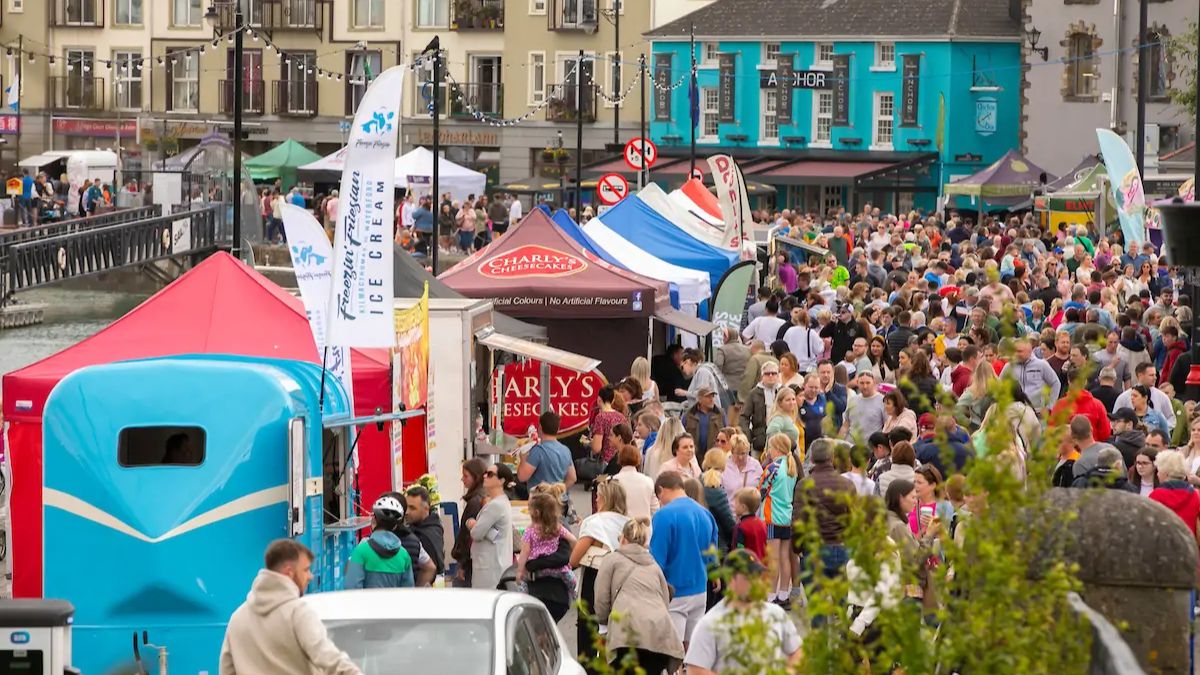
Waterford has been quietly building a strong food identity over the past decade, and the Waterford Festival of Food has become one of the best reasons to visit the city in spring.
This festival is genuinely focused on the quality and provenance of Irish food. You’ll find producers from across the southeast of Ireland showcasing everything from artisan cheeses to smoked fish, craft beers, heritage breads, and innovative restaurant menus.
Events include cooking demonstrations, food trails through the city, producer markets, farm visits, and talks from chefs and food writers. There’s a strong educational thread running through everything: this isn’t just a food market. It’s a proper celebration of where food comes from and the people who produce it.
Waterford itself is often underestimated by visitors who blow past it on the way to Cork or Kerry. It’s Ireland’s oldest city, with a genuinely interesting history and a compact, walkable city centre. The festival is a good reason to give it the time it deserves.
Practical tips:
- Combine the trip with a visit to the Medieval Museum and Reginald’s Tower for historical context.
- The food trail around the city is a great way to sample widely without spending a fortune.
- Local restaurants often run special tasting menus during the festival. Book ahead.
7. Kilkenny Roots Festival
- When: Early May (May bank holiday weekend).
- Where: Kilkenny city.
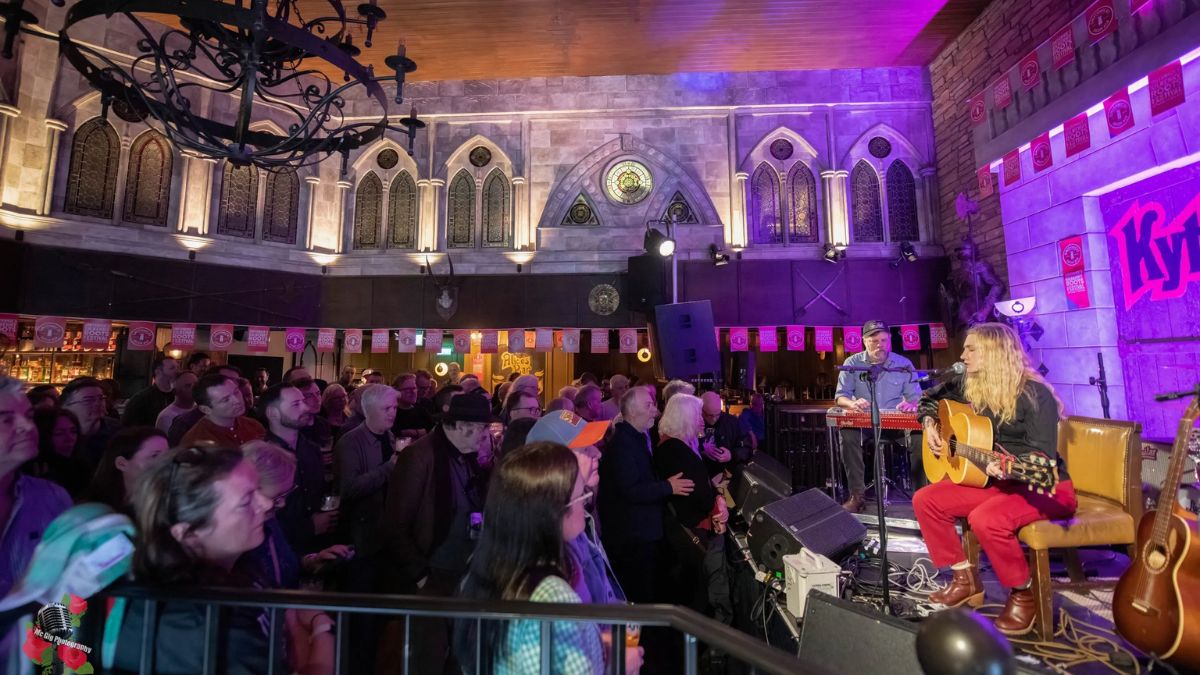
Every May bank holiday weekend, Kilkenny transforms into a hub for American roots music. Bluegrass, country, Americana, folk, blues, gospel: the Kilkenny Roots Festival programmes it all, and it does so across more than thirty venues around the city.
What makes this festival remarkable is how it fits into Kilkenny. The medieval city streets, the castle in the background, the traditional pubs spilling live music onto the cobblestones: it all creates a backdrop that somehow makes American roots music feel right at home. There’s a reason it keeps winning awards.
A large portion of the festival’s events are free, which means you can wander from venue to venue following the music without spending much beyond your food and drink. That open, generous format gives the whole weekend a relaxed, discovery-led quality.
The May bank holiday timing is worth noting. Ireland gets a public holiday, which means the festival enjoys a particularly festive, celebratory atmosphere.
Practical tips:
- Kilkenny is compact enough to walk everywhere, which makes the multi-venue format genuinely easy to navigate.
- Download the full programme and map your route between venues in advance. There’s always more on than you can see in a weekend.
- Get to headline shows early. Standing room in popular venues goes fast.
8. Riverfest Limerick

- When: Early May (May bank holiday weekend).
- Where: Limerick city.
Riverfest Limerick is exactly what it sounds like: a big, joyful celebration of the city, centred on the River Shannon. It’s one of Ireland’s most attended free festivals and has become a genuine highlight of the spring festivals in Ireland calendar.
The programme includes live music across multiple stages, family entertainment, a tall ships display on the Shannon, street food, funfairs, fireworks, and water sports on the river. It’s the kind of festival where there’s honestly something for everyone, and that’s not always as easy to pull off as it sounds.
Limerick has worked hard to reposition itself as a genuinely exciting Irish city, and Riverfest is part of that story. The city has real character and some excellent food and cultural offerings alongside the festival. It’s well worth spending an extra day or two exploring beyond the main events.
Practical tips:
- Limerick is well connected by train from Dublin, Cork, and Galway, making it an easy add to a wider Irish trip.
- The fireworks display on the final evening is unmissable. Get a riverside spot early.
- Check the music lineup in advance if that’s your main draw. The headliners vary year to year.
Making the most of spring festivals in Ireland
Spring is one of the best times to visit Ireland. The weather is unpredictable (embrace it), the light is extraordinary, and the country is genuinely at its most alive.
If you’re planning a trip around one or more of these festivals, a few things are worth keeping in mind:
- Book accommodation early. Ireland’s festival towns fill up fast, especially over bank holiday weekends.
- Layer up. Spring in Ireland means you might get warm sunshine, a shower of rain, and a sharp breeze all within the same afternoon.
- Allow flexibility. Some of the best moments at Irish festivals happen off-programme, in pubs, on streets, and in conversations with strangers.
- Hire a car if you can. Dingle and Listowel, in particular, benefit enormously from having the freedom to explore the surrounding landscape.
If you’re also planning to be in Ireland for Easter in Ireland, it’s worth knowing that Easter often coincides with the lead-up to several of these spring festivals, making early-to-mid spring a particularly rich time to visit.
Conclusion
Ireland’s spring festival calendar runs the full range: massive street celebrations, intimate literary weekends, free-roaming music festivals, and quiet ceremonies rooted in ancient tradition. What unites all eight of these spring festivals in Ireland is that they’re built around community, participation, and a genuine love of whatever it is they’re celebrating.
That’s the thing about festivals in Ireland. They’re not just events you attend. They’re things you become part of, even if only for a weekend. And in spring, when the whole country is shaking off winter and finding its energy again, that sense of belonging to something comes particularly easily.
Start planning. You won’t regret it.
Frequently asked questions
Are there any special events in Ireland during spring?
Yes, spring is one of Ireland’s busiest festival seasons. Events range from the world-famous St. Patrick’s Festival Dublin in March through a packed programme of food, music, literature, and arts festivals in April and May. Some of the most notable spring events include the Kilkenny Roots Festival, Cork International Choral Festival, Riverfest Limerick, and Listowel Writers’ Week. The season kicks off in earnest with St. Patrick’s Day and continues through to the June bank holiday.
What are the four festivals in Ireland?
Ireland has hundreds of festivals, but if you’re looking for four of the most celebrated, they’d often include: St. Patrick’s Festival Dublin (March), the Galway International Arts Festival (July), Fleadh Cheoil na hÉireann (August), and the Kilkenny Arts Festival (August). That said, the spring season alone contains standout festivals like the Cork International Choral Festival and Listowel Writers’ Week that rival any event in the calendar.
What is the famous festival of spring?
St. Patrick’s Festival in Dublin is Ireland’s most famous spring festival and one of the most recognised festivals in the world. Centred on 17 March, St. Patrick’s Day, it attracts around half a million visitors to Dublin alone and is celebrated in Irish communities across the globe. In an Irish cultural context, Blas Na Bealtaine, which marks the Celtic festival of Bealtaine (the beginning of summer), is also a deeply significant spring celebration.
Which festival celebrates the start of spring?
Bealtaine, the ancient Celtic festival marking the beginning of summer (1 May in the old Irish calendar), is the traditional Irish celebration of spring’s end and summer’s beginning. Blas Na Bealtaine in Dingle, County Kerry, is one of the most authentic modern celebrations of this tradition, incorporating Irish language, music, storytelling, and cultural events rooted in the Bealtaine customs. There is also a national arts festival called Bealtaine that celebrates creativity in older age throughout May.
Which spring holiday is most popular?
St. Patrick’s Day on 17 March is unquestionably Ireland’s most popular spring holiday, both domestically and internationally. It’s a national public holiday, and the main celebration in Dublin draws visitors from every corner of the world. Beyond St. Patrick’s Day, the May bank holiday weekend is the next major public holiday in the spring calendar and coincides with several major festivals, including Kilkenny Roots Festival and Riverfest Limerick, making it one of the busiest festival weekends of the year.