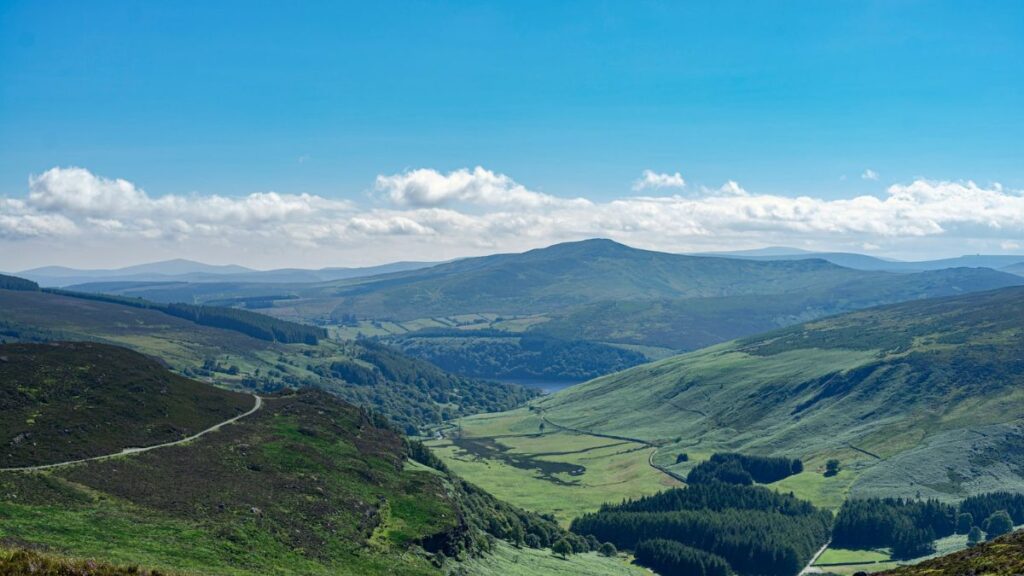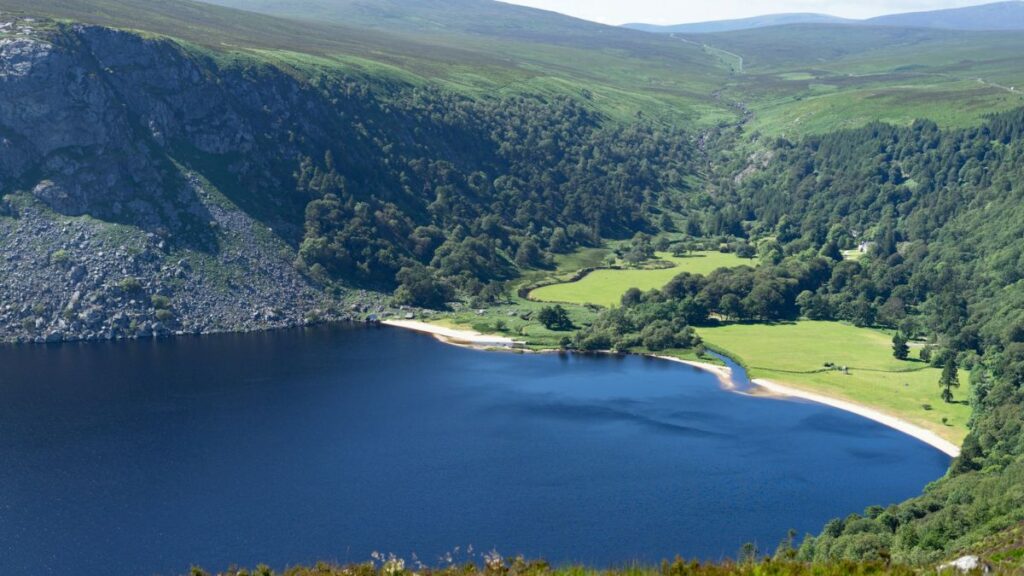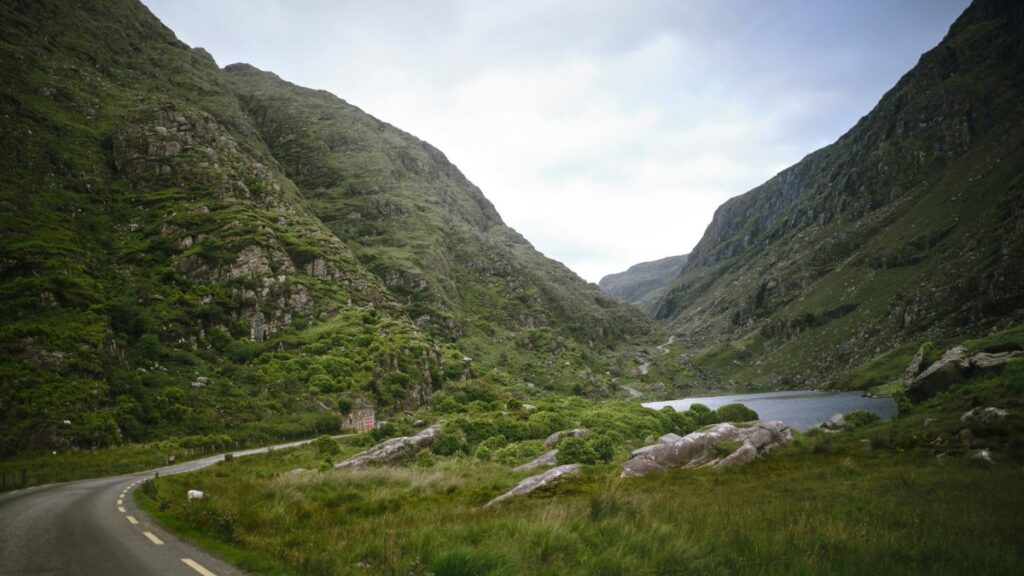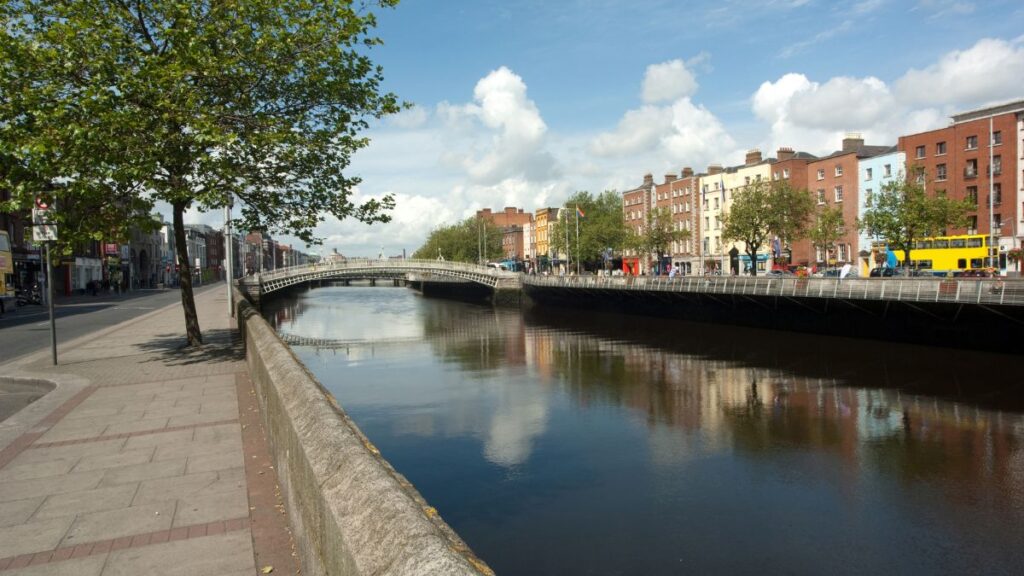


Most people do the Cliffs of Moher, kiss the Blarney Stone, and call it a trip. And look, those places are famous for a reason. But if you’ve been scrolling travel forums lately, wondering where the real Ireland is hiding, you’re asking exactly the right question.
So, what are some hidden gems in Ireland? In short: a Bronze Age island fort that locals can’t believe tourists overlook, a coastal cliff path in Antrim that puts the famous ones to shame, a freshwater lake shaped like a heart tucked into the Donegal hills, and a sky so dark in Kerry you can pick out the Milky Way with your naked eye. That’s just the start.
I’ve spent years roaming both the Republic and Northern Ireland, often doubling back on narrow roads just to get a second look at something that stopped me in my tracks. The ten spots below are the ones I keep recommending to friends, and the ones that keep coming up when I chat to other slow travellers who’ve done the same.
None of them is secret, exactly. But they’re all seriously undervisited. Let’s get into it.
Hidden gems in the Republic of Ireland
1. Doon Fort, Donegal

Doon Fort sits on a tiny island in Lough Doon, a lake you’d probably miss if you blinked on the road between Ardara and Portnoo. To get there, you row yourself across in a small wooden boat that’s just been left there for visitors. No ticket desk, no queue, no souvenir shop.
What you find on that island is one of the best-preserved stone ringforts in the whole country, roughly 2,000 years old. The walls are nearly four metres high in places. Standing inside them with nothing but wind and water around you, it feels genuinely ancient in a way that can be hard to find when there’s a tour bus nearby.
I visited on a wet Tuesday in October. There were exactly two other people there. A couple from Galway who had found it on a walking map. We rowed back in turns, had a laugh about it, and all agreed it was one of the stranger and more memorable moments of our trips. If you want more like it, take a look at hidden gems in Donegal for a deeper dive into this part of the northwest.
2. The Serpent’s Lair, Inis Mor
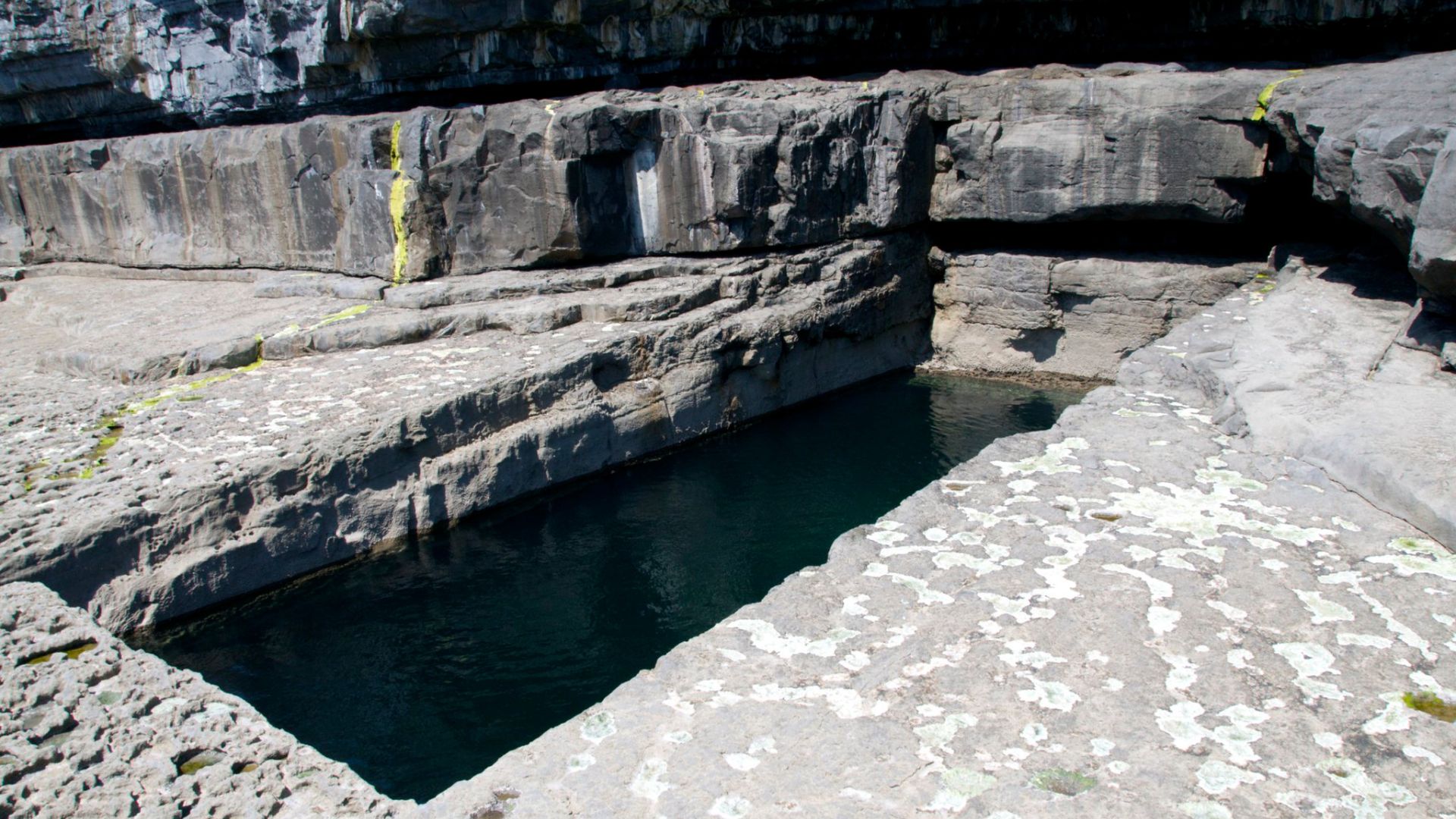
Most people who take the ferry to Inis Mor, the largest of the Aran Islands, head straight for Dun Aengus. That’s fair. Dun Aengus is extraordinary. But about a ten-minute walk south along the coast, the limestone pavement opens up into a long, narrow tidal pool called Poll na bPeist, or the Serpent’s Lair.
It looks man-made. It isn’t. The Atlantic carved it perfectly rectangular into the flat rock, and when the sea is calm, you can swim in it. When it isn’t calm, you can just stand there and watch the water surge in and out with a kind of hypnotic regularity.
Most people walk straight past it on the way back to the village. Don’t be like most people.
3. Gougane Barra, Cork

Gougane Barra is a glacial lake in the hills of West Cork, and it’s the source of the River Lee, which eventually flows all the way into Cork City. That alone makes it feel meaningful in a way that’s hard to explain until you’re standing there.
But what makes it feel truly special is the oratory on the small island in the middle of the lake, connected to the shore by a little causeway. Saint Finbarr, the patron saint of Cork, built a monastery here in the sixth century. What you see today is an eighteenth-century chapel, small and unadorned, surrounded by an older graveyard that spills across the island.
It’s one of those places that feels genuinely sacred regardless of whether you’re religious. The surrounding valley, managed as a forest park, has walking trails that can fill a full morning. If you want to explore more sites like this, our guide to the best monasteries in Ireland covers some equally moving spots.
4. Heart-shaped lake

Ireland’s landscape is dotted with lakes, but few are as enchanting as the heart-shaped lake (Lough Ouler) in the Ox Mountains of County Sligo. This naturally formed lake, nestled amidst rugged terrain, offers a romantic setting for couples and nature enthusiasts alike. Reaching the lake requires a hike through the mountains, but the sight of the heart-shaped water body amidst the untouched wilderness is a reward in itself. The area surrounding the lake is perfect for picnics, photography, and quiet contemplation, making it a cherished spot for those who venture off the beaten path.
5. Slieve League Cliffs, Donegal
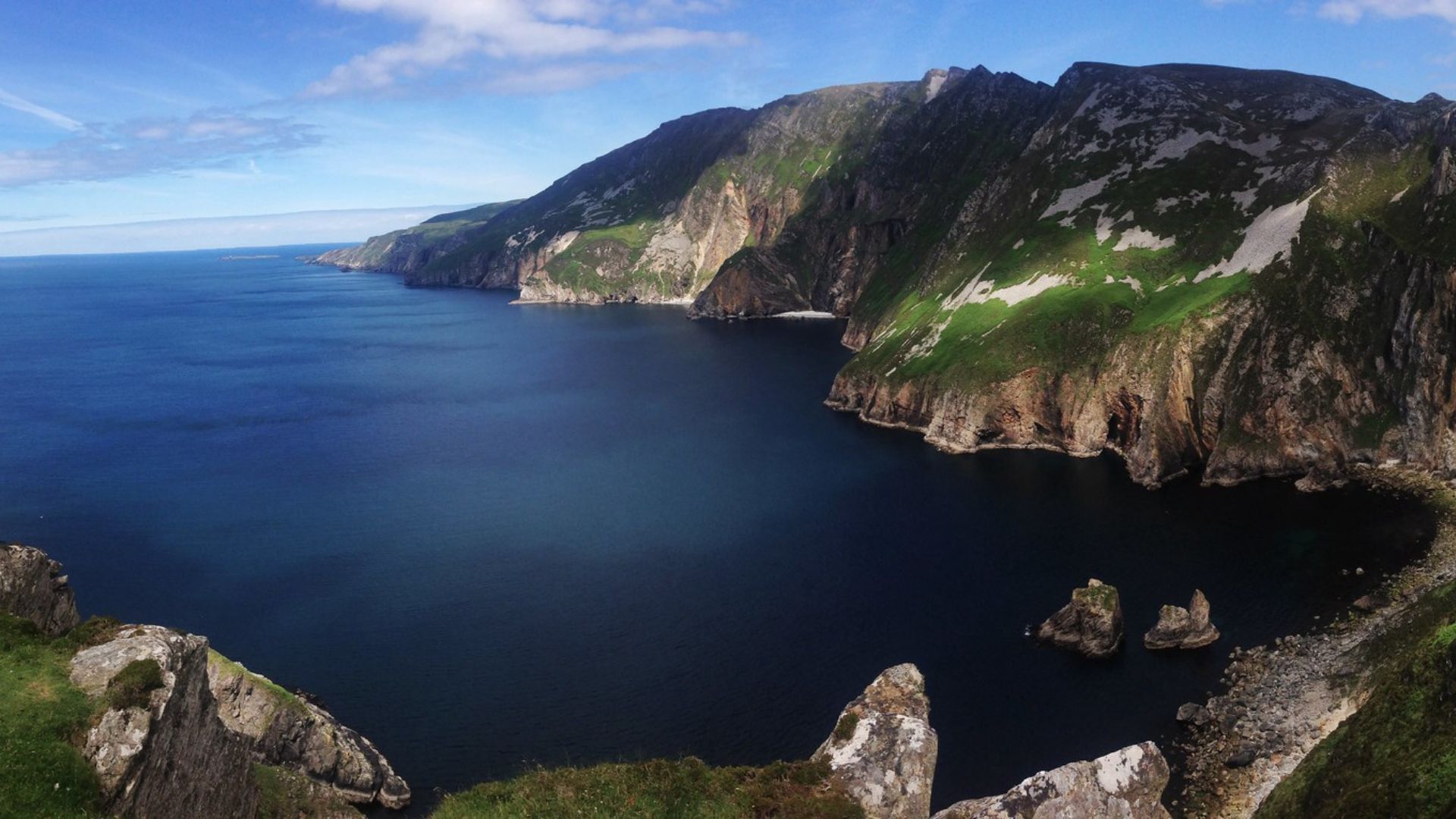
This one deserves to be far better known than it is. The Slieve League Cliffs rise nearly 600 metres out of the Atlantic, making them some of the highest sea cliffs in Europe. The Cliffs of Moher, for comparison, top out at around 200 metres.
And yet Slieve League sees a fraction of the visitors. The drive to Teelin is rewarding in itself, and from the upper car park, you can walk along the cliff edge to a ridge called One Man’s Pass, a narrow spine of rock with the sea on both sides. It’s dramatic in the best possible way.
Early morning on a clear day, with the Atlantic going silver below you and nobody else around, it’s one of the genuinely moving experiences Ireland offers. Go on a weekday if you can, and bring a windproof layer because even in July, the gusts up there mean business.
6. Kerry International Dark-Sky Reserve
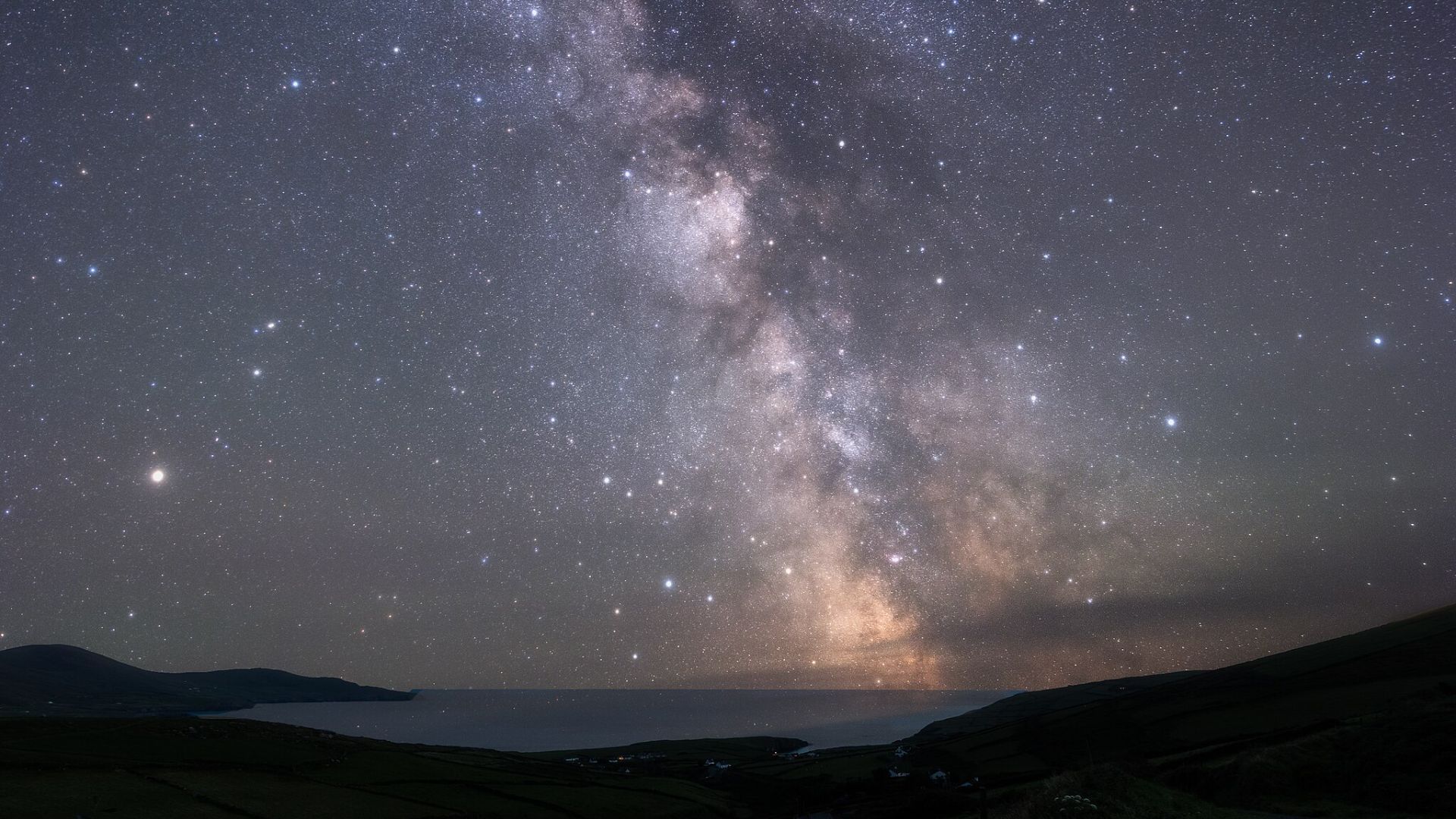
The Iveragh Peninsula in Kerry holds a designation that most people have never heard of: it’s a Gold Tier International Dark-Sky Reserve, and one of only a handful in the entire world. The peninsula’s remoteness and the absence of significant light pollution mean that on a clear night, the sky does things you simply don’t see from most places in Europe.
The Kerry Dark-Sky Festival runs each November and draws astronomers from across the continent, but you don’t need to time your visit around it. On any clear night between autumn and spring, drive out past Waterville or up towards the Ballaghisheen Pass, turn off your headlights for a moment, and let your eyes adjust.
I did this by accident the first time, pulled over because the car park at Staigue Fort was on my left, and I was running low on fuel. I stepped out to check my phone signal, looked up, and stood there for twenty minutes. I’d never seen the Milky Way that clearly from anywhere in Europe before.
Hidden gems in Northern Ireland
Northern Ireland has its own enormous tourist pull in the Giant’s Causeway and the Causeway Coastal Route, and both are genuinely worth your time. But once you’ve ticked those off, a whole other side of the north opens up if you know where to look.
7. The Glens of Antrim
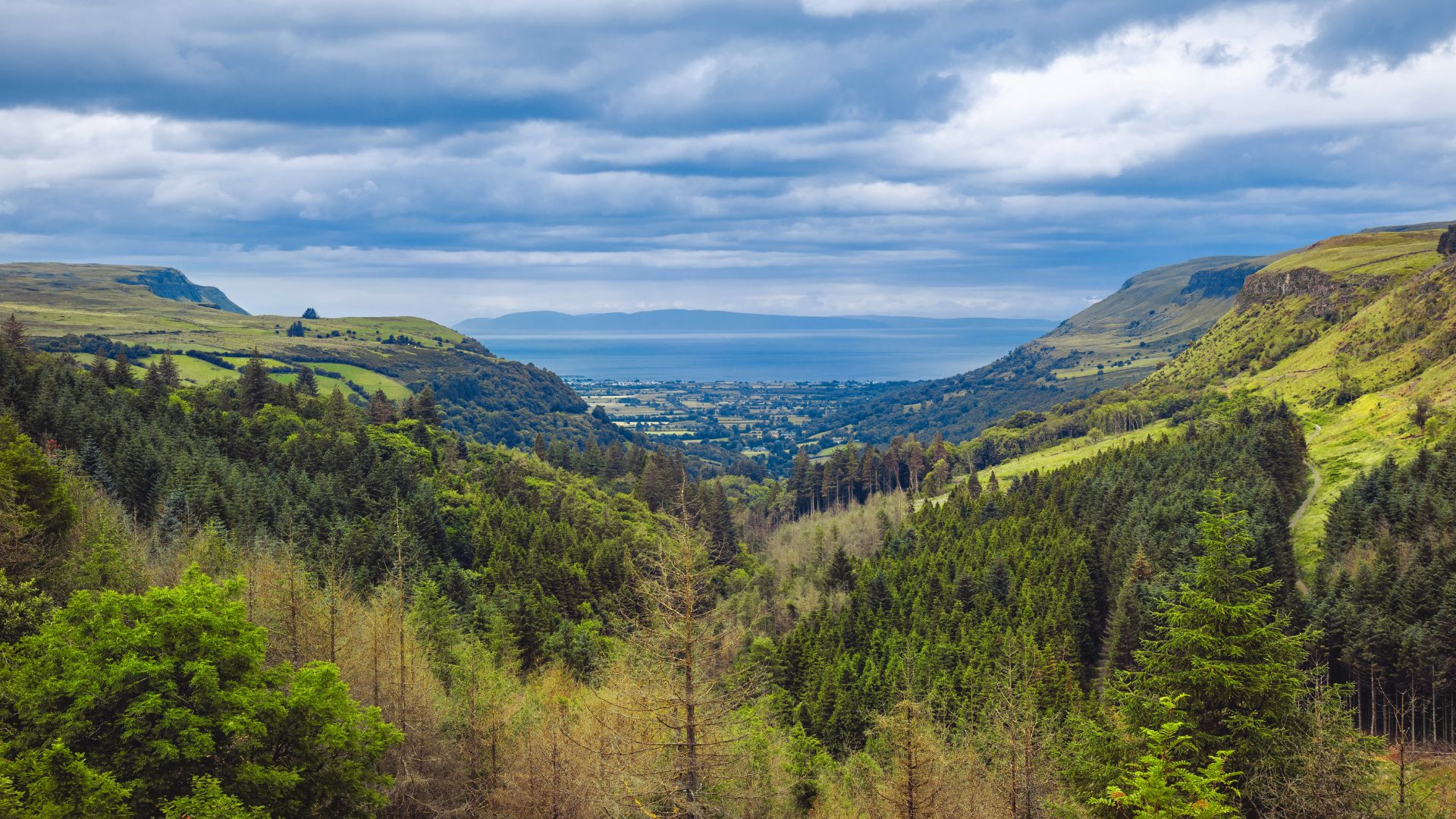
The Glens of Antrim are nine separate glacial valleys that cut down from the Antrim Plateau to the coast, each with its own character. Glenariff is the most accessible and has a proper forest park with waterfall walks. Glenaan and Glentaisie are quieter and wilder, the sort of places where you’ll share a narrow road with more sheep than cars.
The villages along this stretch, Cushendall, Cushendun, and Waterfoot, are small, unhurried, and genuinely lovely. Cushendun in particular has a cluster of whitewashed cottages designed by Clough Williams-Ellis (the same architect behind Portmeirion in Wales) that look like they’ve been lifted from a different country entirely.
This is one of the most culturally rich landscapes in Ireland, with deep roots in Gaelic heritage and a tradition of storytelling that the locals are still proud of. Hire a bike and take a day on the Coastal Route with the glens as your backdrop.
8. The Gobbins Cliff Path, County Antrim
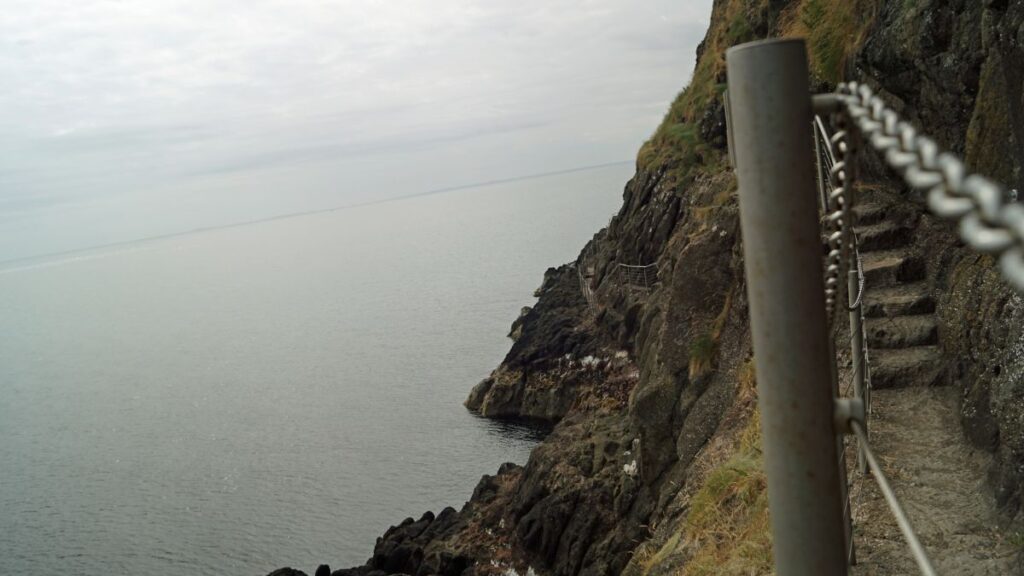
The Gobbins is one of those experiences that sounds fairly modest on paper and then absolutely delivers in person. It’s a cliff path cut into the basalt rock face at Islandmagee, originally built in 1902 by a railway engineer named Berkeley Deane Wise to attract tourists to the coast by rail. It fell into disrepair for decades and was eventually restored and reopened in 2015.
The route takes you along a series of tubular bridges, tunnels, and cave walkways bolted directly into the cliff, with the sea churning below you. It’s guided only, which means you book in advance through the visitor centre at Whitehead, and the guides are excellent. They know the geology, the history, and where the guillemots nest.
It’s accessible to most fitness levels and takes about two hours. Book ahead because it fills up fast, especially on summer weekends. For more dramatic coastal architecture, our piece on lesser-known castles in Ireland covers some equally striking coastal ruins you won’t find in the main guides.
9. Dunluce Castle, County Antrim
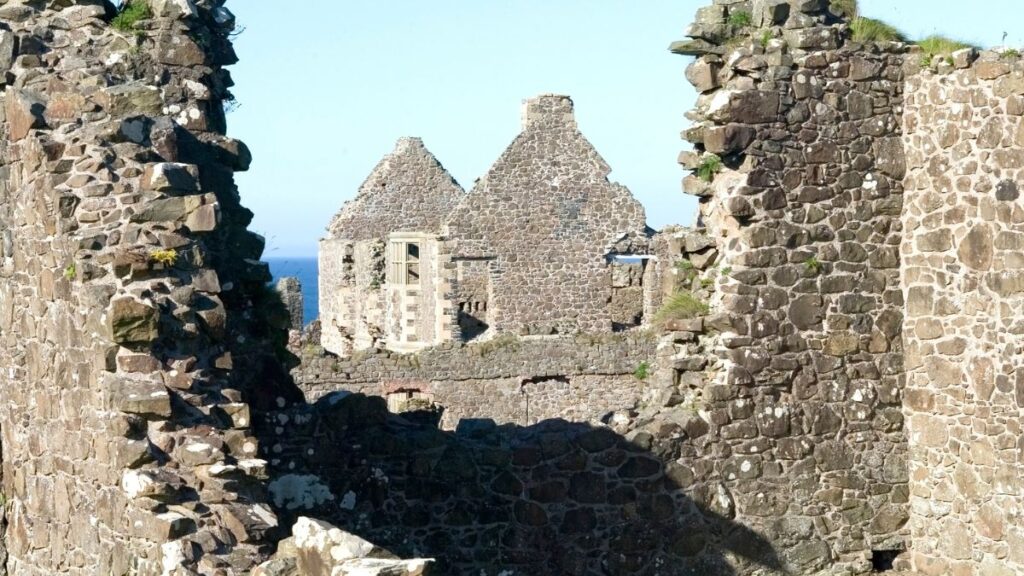
Technically, Dunluce Castle is on the tourist trail, but it’s consistently overshadowed by the Giant’s Causeway just down the road, which means it’s often surprisingly quiet. And it’s spectacular in a way that deserves better.
Built in the 1500s by the MacDonnell clan, the castle sits on a basalt sea stack connected to the mainland by a narrow stone bridge. Part of the kitchen actually fell into the sea during a storm in 1639, taking several servants with it. The story goes that after that, the lady of the house refused to live there anymore. Can’t say I blame her.
The ruins are extensive, the cliff-edge views are genuinely dramatic, and the site has a well-run museum underneath that covers the MacDonnell family and the Scottish connection. It’s believed to have partly inspired the castle of Cair Paravel in C.S. Lewis’s Narnia series, which feels about right.
10. Murlough Bay, County Antrim
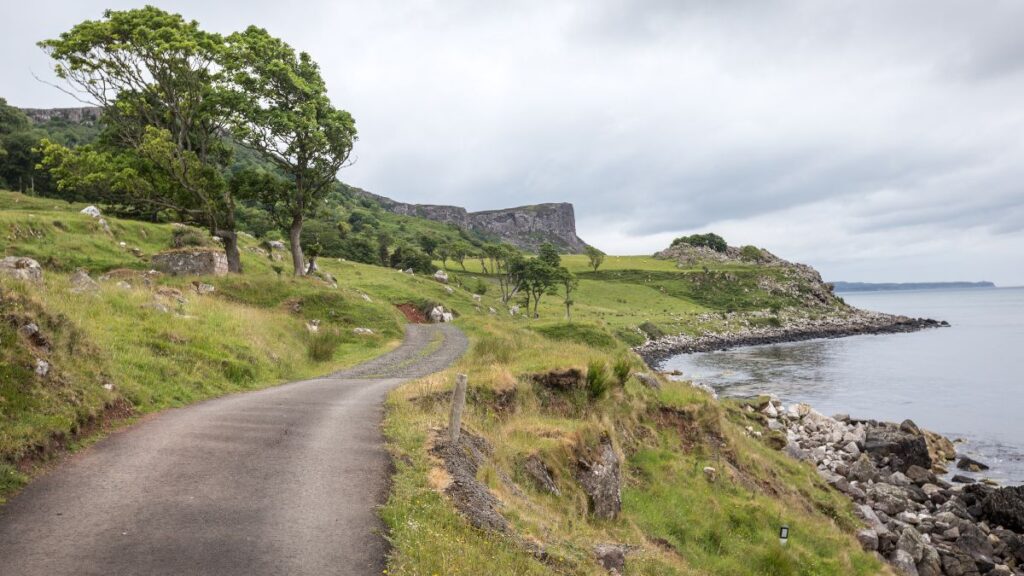
Murlough Bay sits at the northeastern tip of Northern Ireland, tucked between Fair Head and Torr Head, and it’s the kind of place that rewards the people willing to drive down a single-track road with a five-point turn at the bottom. The bay is sheltered, beautiful, and almost always empty.
From the small car park, a short walk takes you down to the shoreline and the ruins of a small settlement. On a clear day, the Mull of Kintyre is visible across the water. The silence is something else. It’s the sort of place you remember for years and struggle to describe to people without it sounding ordinary.
Bring lunch, give yourself two hours, and try not to tell too many people about it.
A few practical things worth knowing
Before you start plotting your route, a handful of things that will save you time and frustration:
- Rent a car. Almost all of these places are inaccessible or deeply inconvenient without one. Public transport in rural Ireland is limited.
- Check opening times. Sites like the Gobbins require advance booking. Gougane Barra can get busy on summer weekends. Arriving early is almost always better.
- Pack layers. Even in summer, Atlantic weather moves fast. A light windproof jacket takes up almost no space and will earn its keep.
- Download offline maps. Mobile signal in Donegal and Antrim can be patchy. Download your route on Google Maps or Maps.me before you leave the main road.
- Talk to locals. The best version of this list is the one a local gives you when you mention you’ve been to Doon Fort and ask what else they’d show a friend. This is genuinely the best travel hack in Ireland.
Conclusion
Ireland’s most famous sights exist for a reason. But the hidden gems in Ireland, the Bronze Age fort you row yourself to, the cliffside path bolted into a basalt rock face, the lake shaped like a heart you can only see from a hill, are the places that tend to stay with you long after the postcard images have faded.
You don’t have to choose between the well-known and the overlooked. A well-planned trip can hold both. But if you find yourself with an extra day and a hire car with a full tank, point it somewhere you haven’t read about on a billboard.
That’s usually where the good stuff is.
Frequently asked questions
Where is the most magical place in Ireland?
Gougane Barra in West Cork gets my vote, and I’ve thought about this question more than a reasonable person probably should. The combination of a glacial lake, a sixth-century monastic site, and a valley so quiet you can hear the water move creates something that’s genuinely hard to put into words. It’s sacred in the old sense of the word, before it became a marketing term. Skellig Michael would run it close for sheer drama, but Gougane Barra is accessible year-round and tends to be far less crowded.
What is the most underrated part of Ireland?
Donegal, consistently. It’s the most northerly county in the Republic, geographically awkward to reach from Dublin, and it sits outside most standard tour itineraries as a result. Which is exactly why it rewards the people who make the effort. The coastline along the northwest, from Malin Head down to Slieve League, is among the wildest and most dramatic in Europe. The towns are small, and the roads require patience, but the payoff is landscapes and sites that feel genuinely unspoiled.
What to skip in Ireland?
You can safely skip the Blarney Stone if queuing for forty minutes to hang upside down over a parapet doesn’t appeal. The castle grounds at Blarney are actually lovely, but the Stone itself is more ceremony than substance. Similarly, Temple Bar in Dublin is worth a single walk-through for the atmosphere, but eating or drinking there is expensive and largely aimed at stag parties. A few streets in either direction, you’ll find better pubs, better food, and actual Dubliners.
What is a must see in Northern Ireland?
The Giant’s Causeway is non-negotiable if it’s your first visit. The hexagonal basalt columns are genuinely extraordinary in person, and the National Trust have done a solid job with the visitor centre. But pair it with the Gobbins Cliff Path and Dunluce Castle on the same coastal loop, and you’ll have a day that covers three very different but equally memorable experiences. The Causeway Coastal Route is also one of the world’s great driving roads, so the journey between them is part of the point.
What is the prettiest part of Northern Ireland?
The Glens of Antrim, taken as a whole, are hard to beat for sustained natural beauty. Nine valleys, each slightly different in character, run down to a coastline that faces Scotland. But if you want a single spot, Murlough Bay on the northeastern tip of Antrim has an argument for being the prettiest and quietest corner of Northern Ireland. It’s the kind of place that makes you wonder how it hasn’t ended up on more magazine covers.