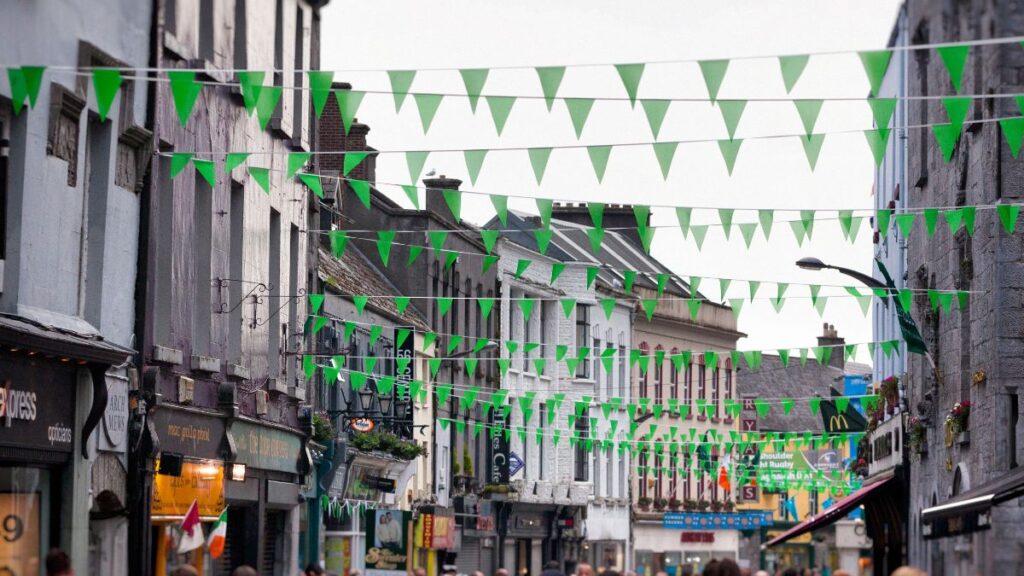


Most people drive straight through Donegal on their way to somewhere else. Honest to goodness, that’s a mistake that haunts you later.
If you’re planning a trip to Ireland and you’re asking yourself what are some hidden gems in Donegal, here’s the short answer: sea caves you can walk through at low tide, a beach that has no official name on Google Maps, a ruined castle that stands so perfectly alone it looks like it was staged for a film, and a glen so dramatic it once inspired a horror novel. And that’s before we even get to the Stone Age hill fort with views that stretch into four counties.
Donegal is the kind of place that rewards curiosity. It’s Ireland’s second-largest county, largely bypassed by the tour buses that clog Killarney and the Ring of Kerry, and it has a wild, unapologetic beauty that doesn’t care whether you Instagram it or not. The locals are warm, but not performative about it. The roads are narrow. The weather is unpredictable. And honestly? That’s exactly the point.
These 7 hidden gems in Donegal are the ones worth building your itinerary around. Some are completely unknown outside Ireland. Others are known but still wonderfully uncrowded. All of them are worth the detour.
1. Maghera Caves and Beach
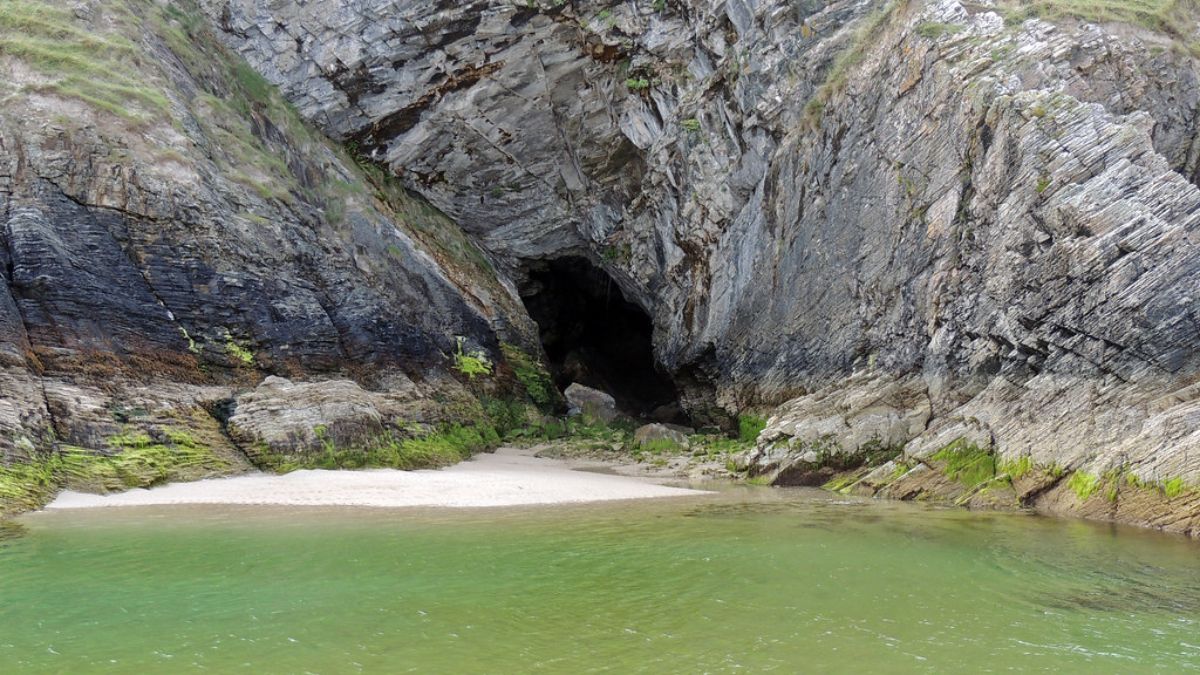
Let’s start with something that feels genuinely secret.
Maghera Beach, near Ardara on the south-west coast, is already beautiful in its own right: a wide arc of pale sand, backed by dunes, facing the Atlantic with nothing in the way. But what most visitors don’t realise is that at low tide, you can walk around the headland and into a series of sea caves carved into the cliffs by centuries of wave action.
One of them stretches long enough that you need a torch to reach the back. The sounds inside are extraordinary: a deep, rhythmic breathing as the sea pushes through cracks in the rock.
Practical notes:
- Always check the tide times before heading to the caves. It’s a non-negotiable.
- Wear shoes you don’t mind getting wet. The rock pools around the cave entrances are slippery.
- Parking is at the end of a track off the R261, and it’s free.
I spoke to a couple from Belfast who’d been coming to Donegal for fifteen years before a local fisherman mentioned the caves to them. “We’ve been telling everyone since,” the woman told me. That’s the thing about Maghera: once you find it, you want to hand it to someone else.
2. Grianán of Aileach
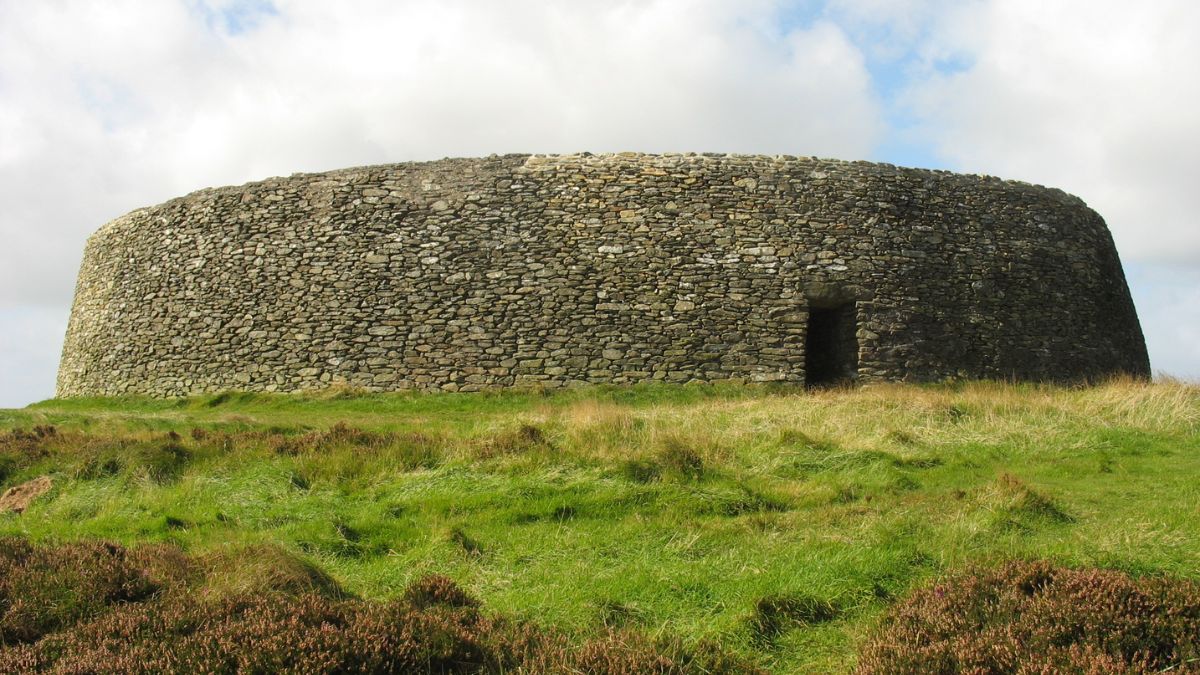
Here’s a place that belongs in every conversation about hidden gems in Ireland, and yet it still draws only a fraction of the visitors that Newgrange or the Rock of Cashel attracts.
Grianán of Aileach (pronounced roughly “GREE-uh-nawn of AL-yach”) is a circular stone ringfort perched on top of Greenan Mountain in Inishowen, about 20km from Derry. It dates back to around 1700 BC, though the structure you see today is largely from the early Christian period, with significant restoration in the 19th century.
What strikes you first isn’t the history. It’s the position. You park at the bottom of the hill and walk up through open heather for about ten minutes, and then the fort simply appears, rising from the summit like something planted there by a very deliberate hand. From the top of the inner walls, you can see Lough Swilly, Lough Foyle, and on a clear day, the hills of Donegal, Derry, Tyrone, and Antrim all at once.
Four counties. One glance.
There’s no café, no gift shop, no entrance fee. Just a 2,500-year-old stone circle and the wind.
How to get there: Head north from Letterkenny on the N13, then follow signs toward Burt. The fort is well signposted from the main road.
3. Murder Hole Beach (Boyeeghter Bay)
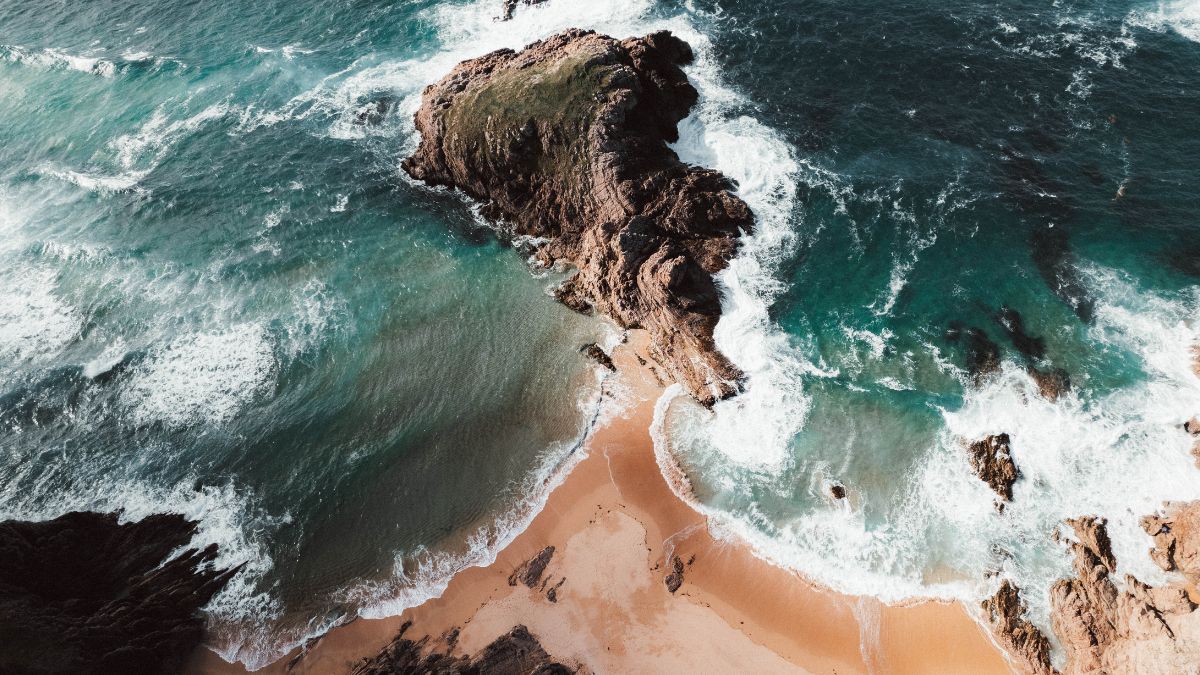
The name alone earns a mention.
Officially called Boyeeghter Bay, this small, hidden cove on the Rosguill Peninsula goes by “Murder Hole Beach” locally, though nobody seems entirely sure why. Some say it refers to the swirling currents just offshore. Others point to smuggler folklore. Whatever the origin, the name does its job: it makes you want to go.
Getting there requires a walk. You park near Melmore Head and pick your way down a rough path through heather and bog grass, and then the bay appears below you: a near-perfect circle of turquoise and emerald water enclosed by cliffs, with fine sand the colour of brown sugar.
Because of the walk and the relative obscurity of the name, the beach is seldom crowded. On the afternoon I visited, there were four other people there.
What to know:
- The walk down is about 15-20 minutes each way. Wear proper footwear.
- Swimming is possible, but the currents can be strong. Wade in slowly and stay close to shore.
- It does not appear by its informal name on most mapping apps. Search “Boyeeghter Bay, Rosguill”, and you’ll find it.
If you’re planning a scenic drive through this part of Donegal, it connects beautifully with the best scenic drives in Ireland, the route through the Atlantic Drive on the Rosguill Peninsula.
4. Glencolmcille Folk Village
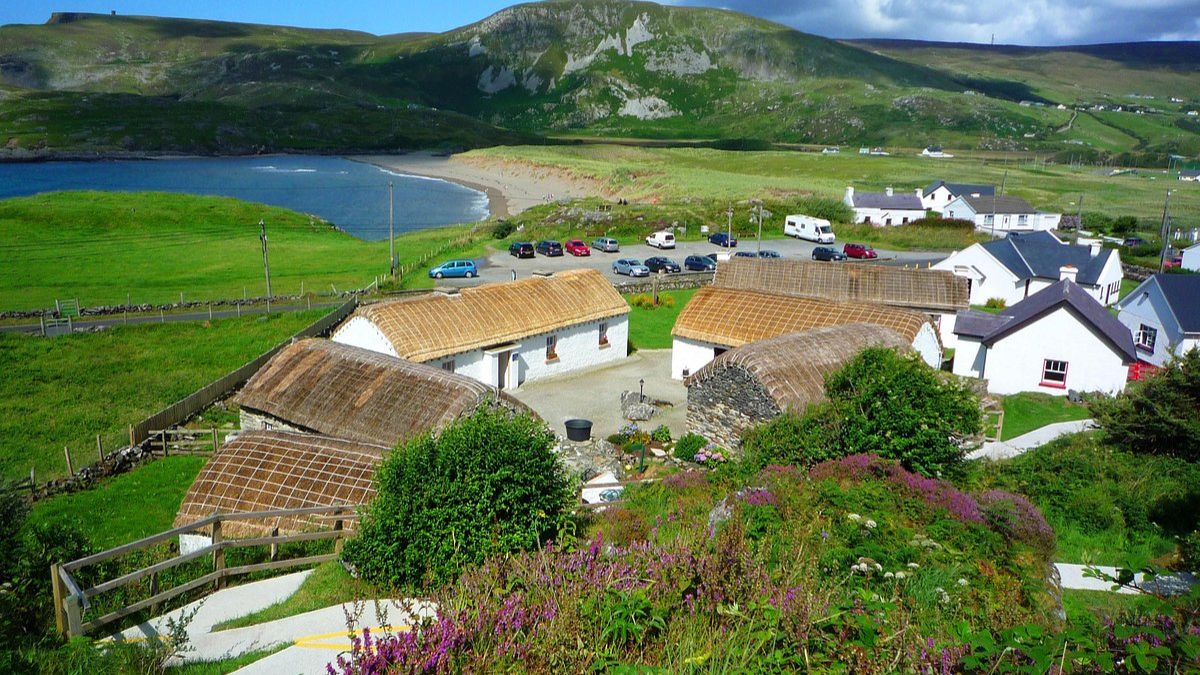
Most folk museums feel a little like museums. Glencolmcille Folk Village doesn’t.
Tucked into a remote valley at the far western tip of the county, this outdoor heritage centre was established in the 1960s by a local priest, Father James McDyer, who was determined to stop the rural depopulation that was hollowing out the area. He organised the community to build a collection of traditional thatched cottages, each one representing a different era of Irish rural life, from the 1700s through to the 1900s.
The result is something genuinely rare: a place that feels lived-in rather than preserved. The interiors are accurate and atmospheric, with open fires, hand-knitted socks hanging by the hearth, and bottles of poitin on the shelf (ask the guide about those). There’s a small gift shop selling local seaweed gin, Aran knitwear, and homemade jam.
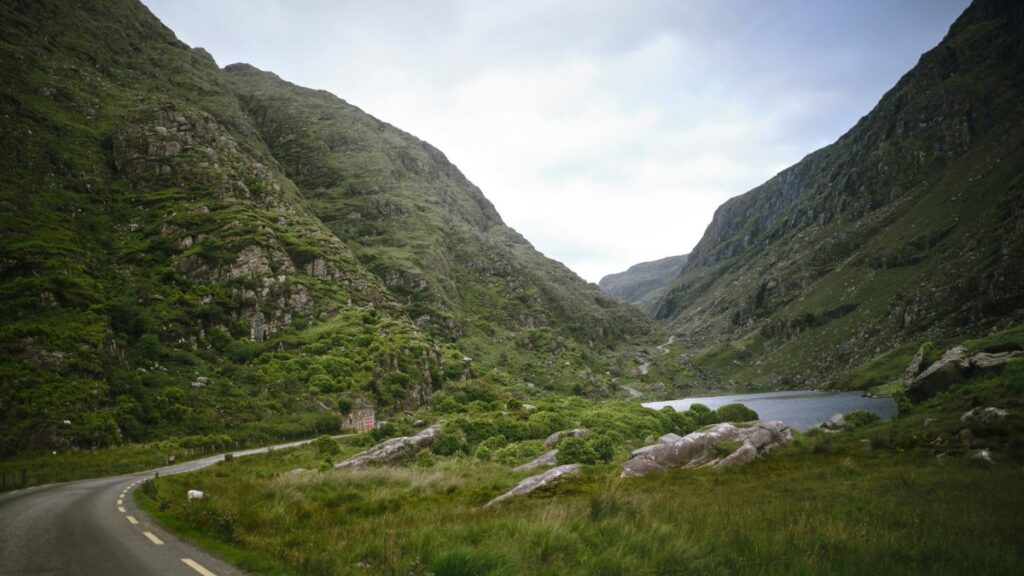
But what really makes Glencolmcille worth the journey is the valley itself. It’s one of the most remote inhabited places in Ireland. The drive in, through the mountains via the Glengesh Pass, is spectacular enough to justify the trip on its own.
Opening: Generally April to September, but check ahead as hours can vary.
Entry: A small fee applies; very reasonable for what’s included.
5. Doe Castle
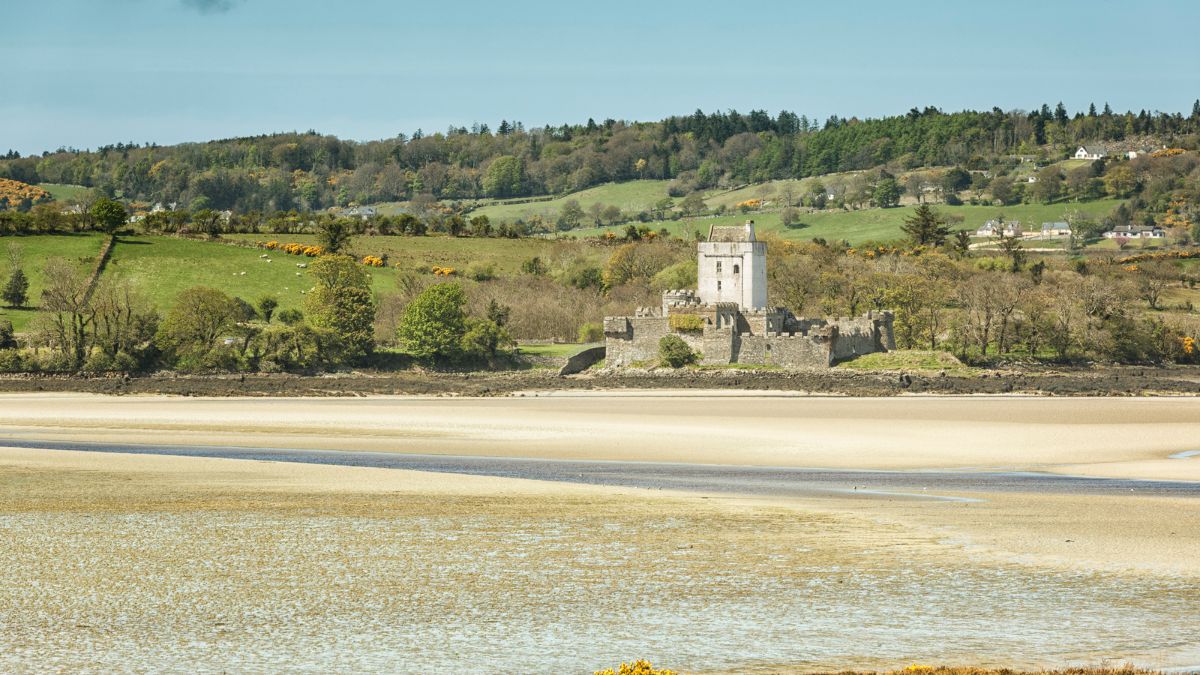
There are ruined castles scattered all over Ireland. Most of them are impressive, many are atmospheric, but very few of them sit quite as Doe Castle sits.
Built in the early 16th century by the MacSweeney clan, Doe Castle stands on a rocky promontory in Sheephaven Bay near Creeslough in north Donegal, surrounded on three sides by water and accessible only across a narrow causeway. The castle is partially ruined, but the tower house is still intact, and the views across the bay toward Muckish Mountain and the Derryveagh range are genuinely stunning.
What makes it a hidden gem, rather than just a ruin, is how quietly it sits in the landscape. There’s no fanfare. No car park with a café attached. You drive down a lane, park in a small gravel area, cross the causeway, and there it is.
A local B&B owner near Dunfanaghy told me she used to bring her children there on Sunday afternoons when they were young. “We’d have it completely to ourselves most of the time,” she said. “Even now, I don’t think half of Donegal knows it’s there.”
Entry: Free and open year-round. The interior isn’t always accessible, but the grounds and causeway are worth the visit regardless.
6. Assaranca Waterfall
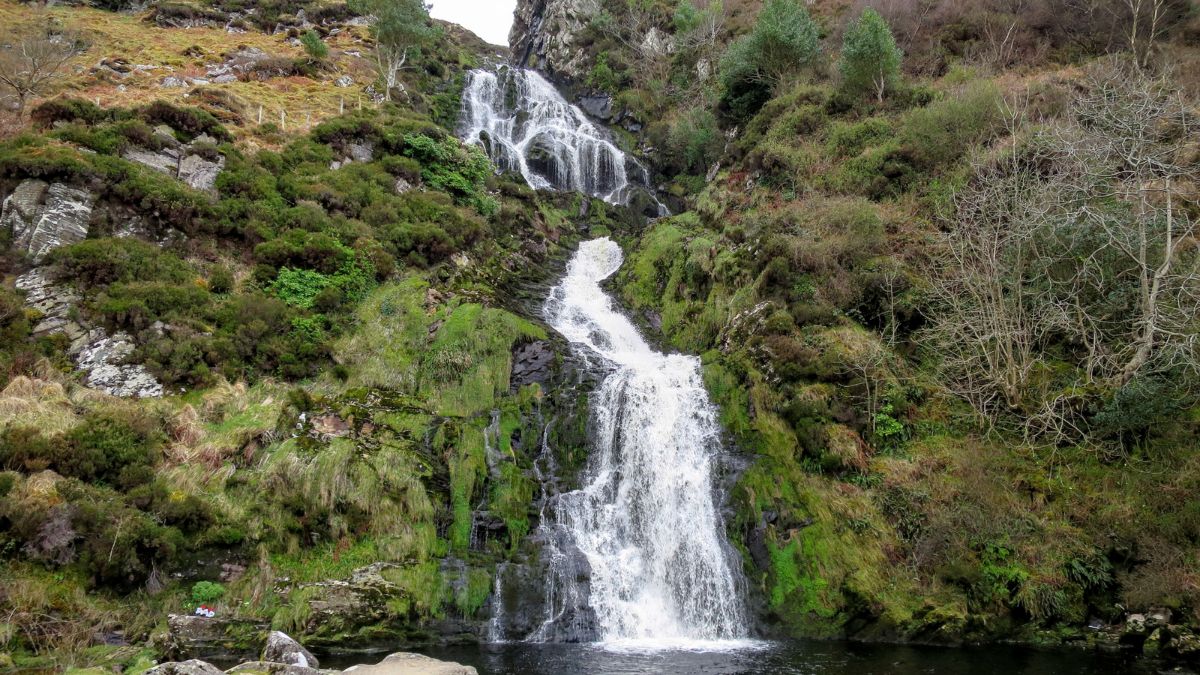
Donegal has no shortage of waterfalls, but Assaranca earns its place among the hidden gems in Donegal for two reasons: it’s beautiful, and it’s impossibly easy to reach.
Located near Ardara (which is fast becoming a favourite base for exploring south-west Donegal), Assaranca drops about 5 to 6 metres over a broad lip of rock into a dark, peaty pool below. The surrounding landscape is boggy moorland, and the contrast between the white water and the dark brown ground is striking, especially in low winter light.
The walk from the small roadside car park takes about three minutes. That’s not an exaggeration. You park, you walk a short path, and the waterfall is right in front of you.
Most people who visit Assaranca are on their way to Maghera Beach, and many combine both stops in a single afternoon. It makes for a really satisfying half-day itinerary in the Ardara area. This part of Donegal also features in several of the hidden gems in Ireland routes that travel writers have started covering more seriously in recent years.
Tip: Go after a spell of rain. The waterfall is significantly more impressive when the bog above it is saturated, and in Donegal, that’s not hard to arrange.
7. The Poisoned Glen
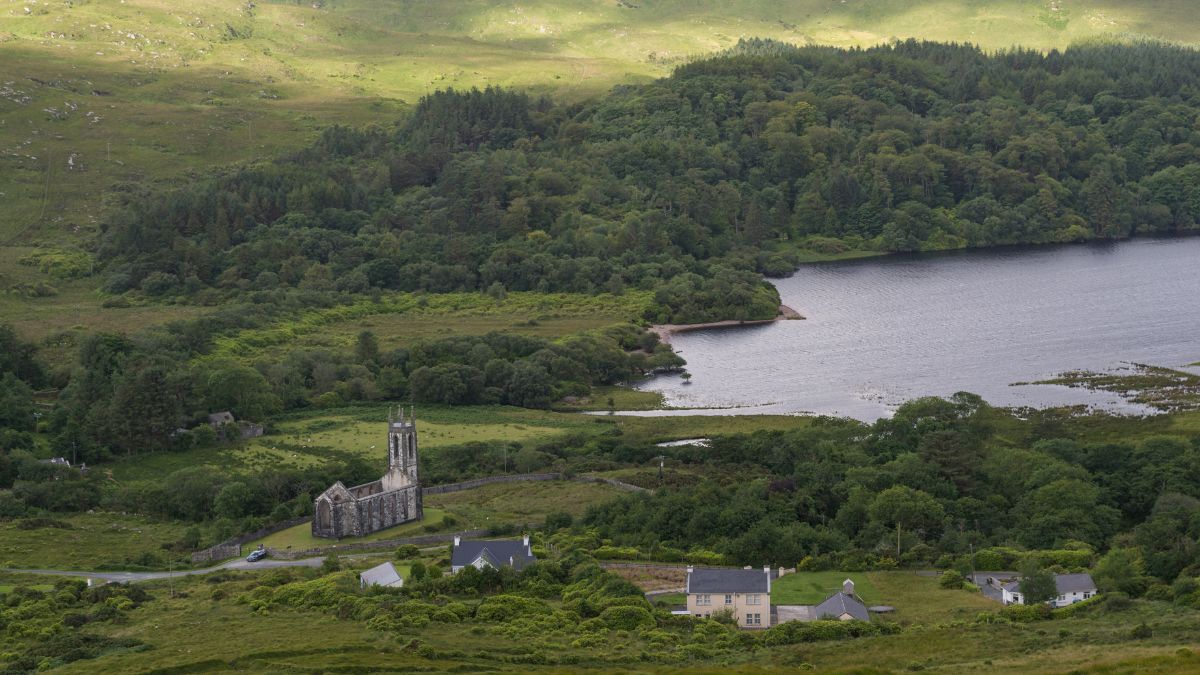
The name is a translation of the Irish “An Gleann Neamh,” often rendered as “The Poisoned Glen,” though some argue it should be “The Heavenly Glen” due to a historical mistranslation. Whether poisoned or heavenly, the place is unforgettable.
The glen sits at the foot of Errigal Mountain, Donegal’s highest peak, in the Derryveagh Mountains. It’s a deeply dramatic glacial valley: sheer rock faces, a shallow river winding through the valley floor, and a stillness that feels almost pressurised. Bram Stoker is said to have drawn inspiration from this landscape. I don’t find that hard to believe.
There’s a small car park off the R251, near Dunlewy. From there, you can walk into the glen on a rough path. It’s not a technical hike, but the ground is wet and uneven, so proper footwear matters. Most people go 1 to 2km into the glen and then turn around, which gives you enough to feel the scale of it without committing to a full day out.
The Dunlewy Centre nearby also offers boat trips on Dunlewy Lake and a working farm demonstration, which makes this a fuller half-day if you’re travelling with younger children.
Best time to visit: Moody, overcast days actually suit the Poisoned Glen perfectly. Bright sunshine is fine, but the drama of the place comes through most powerfully when the clouds are sitting low on the ridge.
Conclusion
Donegal is the kind of place that gets under your skin. It’s not flashy, it’s not trying to sell you anything, and it makes absolutely no concessions to comfort when the weather turns. But it pays back curiosity with extraordinary generosity, and every one of these hidden gems in Donegal is evidence of that.
Whether you’re peering into the dark mouth of a sea cave at Maghera, standing on the walls of a 2,500-year-old stone fort at Grianán of Aileach, or walking alone into the silence of the Poisoned Glen, you’ll find something in Donegal that doesn’t photograph particularly well, but stays with you for a very long time.
That’s the thing about the best hidden gems in Ireland: they tend to be experiences, not images.
Plan the trip. Drive the narrow roads. Get a little lost. You’re in exactly the right place for it.
Frequently asked questions
What is the prettiest town in Donegal?
This is genuinely subjective, but Ardara and Dunfanaghy come up most often among people who know the county well. Ardara is a small weaving town in the south-west with a lovely central layout, excellent restaurants, and easy access to some of Donegal’s most beautiful coastal scenery. Dunfanaghy in the north is similarly charming, sitting on the edge of Sheephaven Bay with a working farm museum, nearby beach at Marble Hill, and the dramatic Horn Head promontory a short drive away. If you want something busier, Donegal Town itself has a well-preserved diamond (town square) and good transport links.
Where is the secret waterfall in Donegal?
Assaranca Waterfall near Ardara is probably the one most often described this way, largely because it’s so accessible and yet so little-known outside the county. A short path from the roadside car park brings you straight to it. Aasleagh Falls on the Galway-Mayo border is sometimes associated with this question too, but for something entirely within Donegal, Assaranca is the answer most locals would give you.
What’s famous in Donegal?
Donegal is known for several things: its tweed (Donegal tweed is a registered craft tradition), Slieve League (one of Europe’s highest sea cliffs), the Gaeltacht areas where Irish is still spoken as a community language, and the Wild Atlantic Way, the long coastal driving route that runs through the county. It’s also known for Donegal Bay oysters and for producing a disproportionate number of Ireland’s Gaelic football All-Ireland champions.
What is the number one beach in Donegal?
Naran and Portnoo beaches on the south-west coast consistently rank among Donegal’s finest, and Naran in particular has won Blue Flag status repeatedly. Marble Hill Beach near Dunfanaghy is another frequent top-ranker, especially for families, given its sheltered position and calm water. For wild, dramatic scenery rather than family-friendly swimming, Five Fingers Strand on the Inishowen Peninsula is hard to beat: a long, remote, almost deserted stretch of sand backed by dunes, with views out toward the north Atlantic that are genuinely breathtaking.