Ireland travel tips: What to know before you go
Share this
If you’ve typed “Ireland travel tips” into a search bar, chances are you’re either deep in trip-planning mode or you’ve just realised your itinerary has more holes than a slice of Swiss cheese. Either way, you’re in the right place.
Here’s the honest answer to what most people are really asking: Ireland will surprise you in ways no travel blog fully prepares you for. The weather is wilder than the forecasts suggest, the distances take longer than Google Maps promises, and the locals will absolutely talk to you for 45 minutes about nothing in particular, and you’ll love every second of it. The tips in this guide come from real experiences on the ground, not just a highlight reel.
Let’s get into it.
The basics you need to sort before you fly
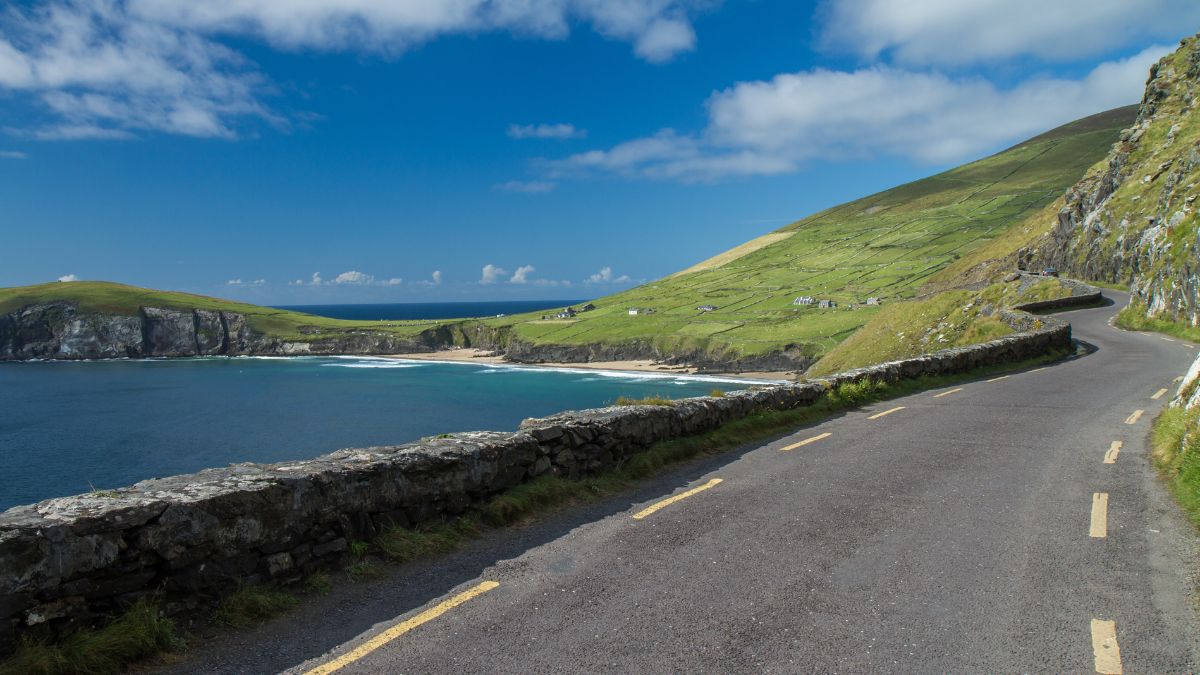
Driving on the left: It’s not as scary as it sounds
If you’re coming from the US, Canada, Australia, or most of mainland Europe, the left-hand side of the road will feel wrong for about two days. Then it clicks.
What actually catches people off guard is the roads themselves. Rural Irish roads are narrow. Sheep-may-wander-into-your-lane narrow. Hedgerows so close to the car that you can hear them scratching the paintwork. Take your time, pull into passing bays confidently, and do not attempt to drive the Conor Pass in a campervan on a whim.
A friend of mine, Sarah, visited County Kerry for the first time in 2023. She’d driven in the UK for years and thought she was well prepared. What she didn’t anticipate was a one-lane road shared with a farmer moving cattle at 8am on a Tuesday. She sat for 20 minutes, had a chat with the farmer through the car window, and called it one of the best moments of the whole trip. Ireland has a way of doing that.
Sort your mobile data before you land
Roaming charges vary wildly depending on your carrier and home country. If you’re visiting from outside the EU, pick up an Irish SIM at the airport or pre-arrange an eSIM. Coverage in cities is excellent, but signal drops noticeably once you’re on the Wild Atlantic Way or in rural Connemara. Download offline Google Maps for the regions you’re visiting. You’ll thank yourself.
Know which currency you need
The Republic of Ireland uses the euro. Northern Ireland uses British pounds sterling. These are two different countries with two different currencies, and plenty of visitors arrive without this knowledge and end up caught short at the border. If you’re planning to cross between the two (which you absolutely should), have both currencies on hand or check that your bank card works across both.
One thing that trips people up: currency exchange booths at airports, tourist hotspots, and dedicated currency conversion stores almost always offer the worst exchange rates. They make their money on the spread. You’re nearly always better off withdrawing cash directly from an ATM once you arrive, or using a travel-friendly card like Wise or Revolut that converts at the mid-market rate with minimal fees.
Planning your time: the mistake almost everyone makes
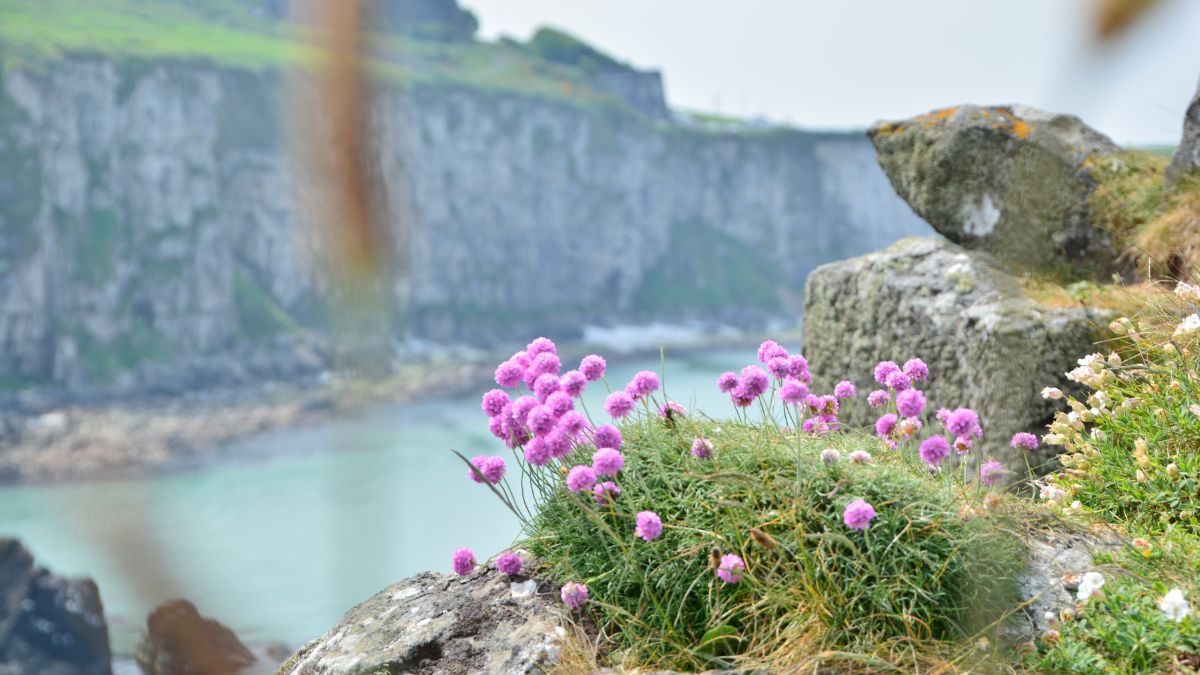
One of the most valuable Ireland travel tips I can offer is this: slow down your itinerary before you finalise it.
Ireland is not a country you can rush. The island is roughly 486km from north to south, and you might look at a map and think you can see Dublin, Galway, Cork, and the Causeway Coast in five days. You can, technically. But you’ll be driving for hours every day, arriving at every attraction tired, and you won’t actually absorb anything.
A much better approach:
- Pick one region and go deep rather than skimming the whole island.
- Allow at least two nights in any place that’s worth visiting.
- Leave buffer days for weather, spontaneous detours, and getting lost on purpose.
I spent three days in the Aran Islands once, thinking it would be a half-day side trip. I missed a ferry, got talking to a local archaeologist, and ended up with a private tour of an Iron Age fort that wasn’t on any map. That kind of thing only happens when you’re not racing to tick boxes.
Weather: accept it, don’t fight it
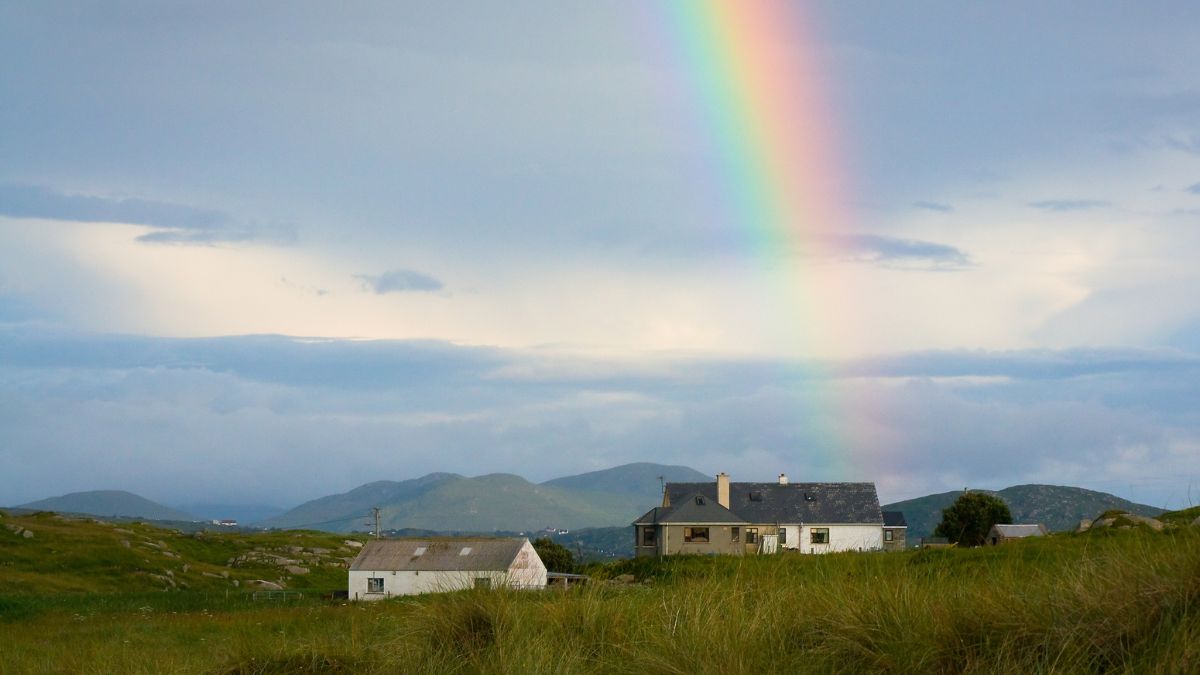
Irish weather has a reputation, and it earns it. Rain can arrive in July with no warning. Sunshine in November is not unheard of. The West Coast gets the worst of the Atlantic weather, and the East is generally drier. That’s about as much prediction as anyone can responsibly offer.
The practical upshot:
- Layer everything. A thin waterproof shell is more useful than a heavy coat.
- Don’t plan activities that are ruined by rain. Embrace the coastal walks, the pub culture, and the dramatic mist-covered scenery.
- Check forecasts the morning of, not the week before.
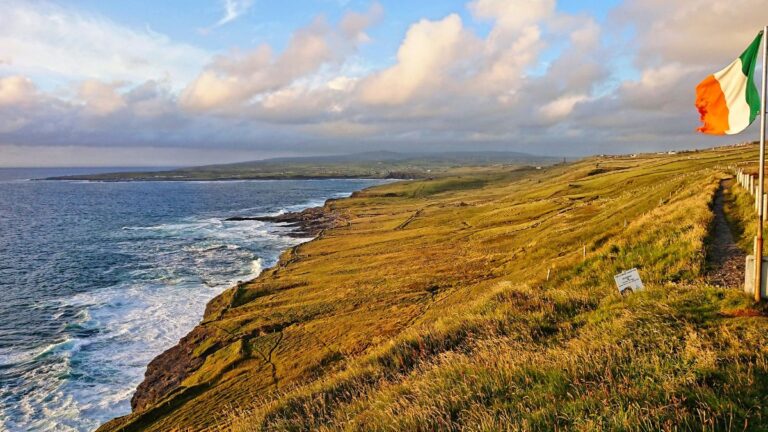
What the weather also does, and this is something the photos don’t capture, is make the landscape look different every hour. A grey morning on the Cliffs of Moher hits differently than a bright afternoon. Don’t write off a day because the sky looks moody.
Food and drink: beyond the tourist trail

Irish food culture has changed dramatically in the past decade. You’ll still find good soda bread, hearty stews, and fish and chips. But you’ll also find excellent farm-to-table restaurants, creative seafood spots, and a craft beer scene that’s quietly thriving.
A few things worth knowing:
- Pub food is genuinely good in many places and often better value than sit-down restaurants.
- Farmers’ markets in towns like Skibbereen, Kenmare, and Galway are worth building a Saturday morning around.
- If you’re a seafood lover, the West Coast is where you want to be. Oysters from Galway Bay, langoustines in Clifden, smoked salmon from Connemara: these are not tourist-trap versions. They’re the real thing.
- Tipping isn’t as deeply embedded in Irish culture as it is in the US, but it’s becoming more common and is genuinely appreciated. As a rule of thumb, 10-15% in sit-down restaurants is fine, rounding up for taxis is standard, and you won’t be expected to tip in pubs when ordering drinks at the bar. For a full breakdown of who to tip, how much, and when, it’s unnecessary; the guide to tipping in Ireland covers every scenario you’re likely to encounter.
- If you’re a non-EU visitor shopping in the Republic, you may be entitled to a VAT refund on purchases over a certain threshold when you leave the country. It’s not complicated, but there’s a process to follow, and you need to ask for the right paperwork at the point of sale. Check out the full guide to VAT refund Ireland before your trip so you’re not leaving money on the table at the airport.
The pub: your single most important cultural institution

Going to a pub in Ireland isn’t the same as going to a bar. It’s a social event, a community gathering, and sometimes a live music session all at once.
Traditional music sessions (called sessions or seisiúns) happen most nights in tourist areas and several nights a week in smaller towns. These aren’t performances with a fixed setlist. Musicians show up, join in, and play together. It’s informal, alive, and completely different from anything you’d expect from a “live music night.”
A few pub etiquette notes:
- Rounds are a thing. If someone buys you a drink, you buy the next one. It’s social, not obligatory, but worth knowing.
- Don’t rush. No one is watching a clock.
- Conversation is the main event. Put the phone away.
Getting off the beaten path
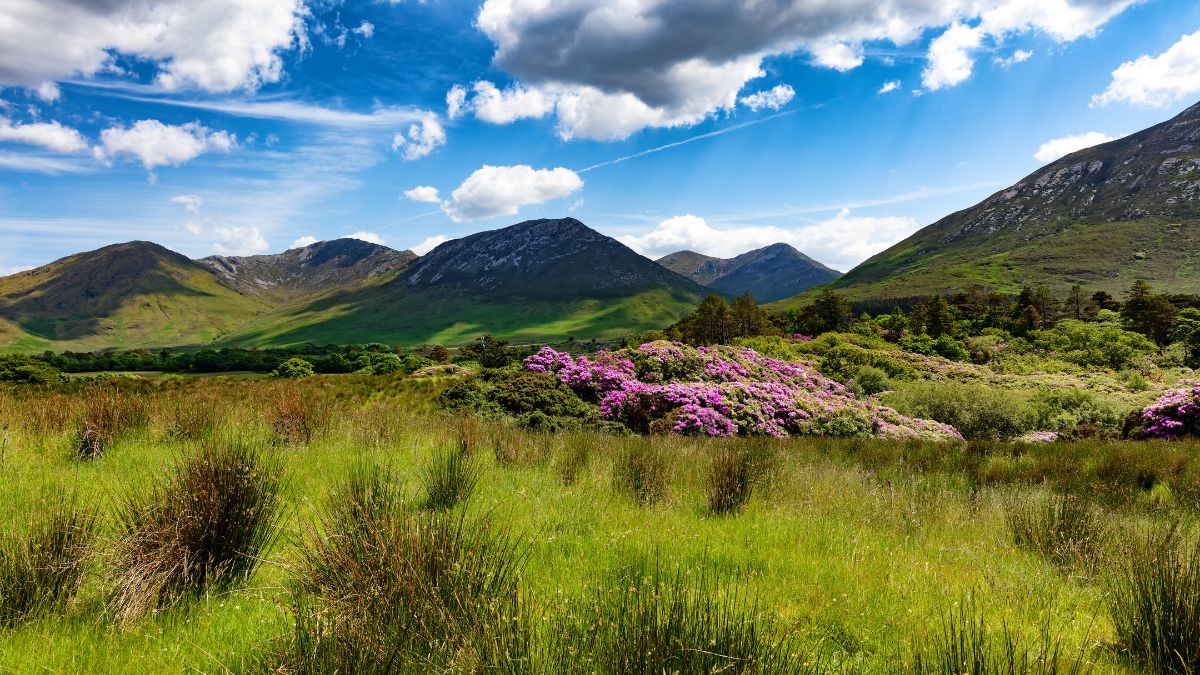
Killarney is beautiful. The Ring of Kerry is stunning. But they’re also extremely well-trodden, and in peak summer they can feel more like theme parks than living landscapes.
Some alternatives that deliver just as much, with far fewer tour buses:
- The Beara Peninsula in Cork and Kerry: arguably more dramatic than the Ring of Kerry, and a fraction of the traffic.
- The Inishowen Peninsula in Donegal is one of the most remote and atmospheric corners of the island, rarely on the standard itinerary.
- The Burren in County Clare: a lunar limestone landscape unlike anything else in Ireland or Europe.
- The Mournes in Northern Ireland: proper mountain hiking, accessible from Belfast, and criminally underrated.
Northern Ireland: don’t skip it
Belfast has reinvented itself. The Titanic Museum is genuinely one of the best museums in Europe. The Cathedral Quarter has a pub and restaurant scene that rivals Dublin. The murals in the Falls and Shankill Roads are a sobering, important, and visually striking lesson in recent history that no textbook can match.
Beyond Belfast, the Causeway Coast is extraordinary. The Giant’s Causeway, the Carrick-a-Rede rope bridge, and Dunluce Castle are all within an hour of each other. If you’re in Ireland and you don’t cross the border, you’re leaving half the island behind.
Practical money-saving tips
Ireland is not a cheap destination, but it’s not budget-breaking if you’re smart about it:
- Free attractions exist, and they’re excellent: the National Museum of Ireland in Dublin, coastal walks everywhere, and most national parks.
- Accommodation outside peak months (June to August) is significantly more affordable.
- Self-catering cottages, particularly in rural areas, give you flexibility and often cost less than two nights in a mid-range hotel.
- The Irish Rail system connects Dublin to Cork, Galway, Limerick, and Belfast efficiently, and it’s often cheaper than a rental car if you’re sticking to cities.
Cultural notes that go a long way
Ireland has a particular social rhythm that’s worth tuning into.
People here talk to strangers without reason or agenda. A comment about the weather at a petrol station can turn into a 10-minute conversation. Don’t treat this as odd or excessive. Lean into it.
Directional advice from locals is colourful and not always GPS-accurate. You might be told to “turn left at where the old church used to be.” Accept this in the spirit it’s given and verify on your map.
And a note that comes up for many visitors: political and historical sensitivities exist, particularly around the topic of the North and the Republic. You don’t need to avoid the subject, but go in curious and respectful rather than with firm opinions. The history is layered, and people have lived it.
Know the local laws before you go

Most visitors never run into legal trouble in Ireland, but there are a handful of rules that catch tourists off guard, simply because they differ from what’s normal back home.
Alcohol laws are stricter than many expect. You can’t drink in public spaces the way you might in some European cities. Bringing alcohol onto public transport is also prohibited in many cases. The legal driving limit for blood alcohol is lower than in the US and some other countries, and it’s taken seriously.
Drone regulations are another one. If you’re planning to fly a drone to capture footage of the coastline or landscape, you’ll need to check the current rules around restricted airspace, registration, and no-fly zones. Assuming you can just launch one anywhere is a mistake.
There are also specific rules around things like foraging on private land, camping on beaches, and open fires in certain areas. None of this is designed to spoil your trip. It just helps to know what’s expected before you arrive rather than after. The guide to Irish laws tourists should know when visiting covers the ones most likely to be relevant to visitors.
Learn a little Irish: it goes further than you’d think
Irish (also called Gaeilge) is a living language, and while English is spoken everywhere, making even a small effort with the native tongue tends to land really well with locals.
You don’t need to become fluent. A few phrases used at the right moment will earn you more goodwill than almost anything else you could do as a visitor. Here are some worth keeping in your back pocket:
- Dia dhuit (pronounced “dee-ah gwit”): hello, literally “God be with you”.
- Go raibh maith agat (pronounced “guh rev mah agut”): thank you.
- Sláinte (pronounced “slawn-cha”): cheers, used when raising a glass, and you will be raising glasses.
- Craic (pronounced “crack”): fun, good times, good conversation. “What’s the craic?” means “what’s going on?” or “how are things?”
- Grand: fine, good, acceptable. “That’s grand” is one of the most versatile phrases in the Irish vernacular
- Grand so: okay then, that’s settled. Often used to close a conversation.
- Fáilte (pronounced “fall-cha”): welcome. You’ll see it on signs everywhere, and it’s worth knowing what it means.
Don’t be self-conscious about pronunciation. Irish people will appreciate the effort, smile at the attempt, and often help you get it right. That’s usually how a good conversation starts.
Conclusion
The best Ireland travel tips are the ones that help you travel less like a tourist and more like someone genuinely interested in the place. Ireland rewards slowness, curiosity, and a willingness to let plans fall apart in the best possible way. Book the things that matter. Leave space for everything else. And whatever you do, don’t skip the pub.
Frequently asked questions
What do I need to know before traveling to Ireland?
A few essentials: Ireland has two separate jurisdictions (the Republic and Northern Ireland), which use different currencies. Driving is on the left throughout. The weather is unpredictable year-round, so packing layers and waterproofs is non-negotiable. Public transport between cities is decent, but you’ll need a car for rural areas. And book popular accommodation well in advance if you’re visiting in summer, particularly in the southwest.
Is it okay to wear orange in Ireland?
This question comes up more than you might expect, and the answer is: yes, it’s fine for tourists in most everyday situations. Orange has historical and political associations, particularly in Northern Ireland, where it’s linked to the Orange Order and unionist tradition. Wearing an orange football jersey or a bright orange jacket in daily life is not going to cause offense. However, if you happen to be visiting during a particularly charged political event or are in an area with strong community tensions, it’s worth being generally aware of your surroundings. For the vast majority of visitors, this isn’t something to overthink.
What not to do in Ireland as a tourist?
The list is shorter than you’d think, but a few things will mark you out as a visitor who didn’t do their homework. Don’t try to cram too much into too few days. Don’t assume Irish and British are interchangeable terms: they’re not, and conflating them is considered ignorant at best. Don’t hire a car without checking what side of the road you’re driving on, and don’t underestimate rural road conditions. For a fuller breakdown, check out our guide to the top mistakes to avoid when visiting Ireland, which covers the things even experienced travellers get wrong.
How many days is enough to see Ireland?
There’s no perfect number, but here’s a realistic guide. Seven to ten days gives you enough time to explore one or two regions properly and still see Dublin and Belfast. Two weeks allow you to do a genuine loop of the island without feeling rushed. Anything under five days and you’re better off picking one area: Dublin and the east coast, or the Wild Atlantic Way, rather than attempting a highlights tour. Quality over quantity is the guiding principle for any trip to Ireland.
What not to forget when traveling to Ireland?
Beyond the obvious passport and travel insurance, a few things are easy to overlook. Pack a universal adapter if you’re coming from outside the UK and Ireland. Both use the same three-pin plug. Bring cash in the local currency for rural areas, where card machines can be unreliable. A rain layer you can fold into a bag is more useful than an umbrella in coastal conditions. And if you want to stay organised, check out the ultimate Ireland packing list for a complete rundown of what to bring, what to leave at home, and what you can easily pick up when you land.
Slán go fóill (goodbye for now)!