
You’ve booked your flights, you’re daydreaming about cliffs and pints, and that particular shade of green you’ve only ever seen in photos, and then someone at work says, “But is Ireland safe?” It’s the kind of offhand comment that sends you spiralling down a Google rabbit hole at midnight.
So let me give it to you straight: yes, Ireland is generally a very safe destination for tourists. It consistently ranks among the safest countries in Europe, and most visitors complete their trips without a single incident beyond a bad pint or a missed bus. That said, “safe” doesn’t mean “zero-risk,” and going in with realistic expectations will serve you far better than going in blind.
This guide covers crime in Ireland honestly, from the statistics to the street-level reality, so you can plan your trip with confidence rather than anxiety.
Crime rates in Ireland: Quick overview
Ireland is not a high-crime country. Full stop.
According to the Central Statistics Office (CSO) in Ireland, overall recorded crime has remained relatively stable in recent years, with violent crime rates significantly lower than in many comparable European nations. The Global Peace Index consistently places Ireland in the top tier of peaceful countries worldwide, typically within the top 10 to 15 globally.
To put some numbers on it:
- Homicide: Ireland’s homicide rate hovers around 1 per 100,000 people, which is exceptionally low by international standards.
- Assault: While assaults do occur, the majority are alcohol-related and concentrated in specific urban late-night areas.
- Theft and burglary: These are the most common crimes tourists are likely to encounter, particularly in busy city centres and tourist hotspots.
- Organised crime: Yes, it exists, particularly drug-related gang activity in certain Dublin suburbs. But unless you’re wandering into known trouble areas late at night looking for trouble, you’re extremely unlikely to cross paths with it.
Northern Ireland, which is part of the United Kingdom, has its own separate crime statistics. It has a slightly higher crime rate than the Republic in some categories, but Belfast and other cities are considered safe for tourists. The days of sectarian violence are largely in the past, and the city has transformed significantly.
The bottom line: crime in Ireland is real but not rampant, and the type of crime tourists typically encounter is opportunistic rather than targeted.
Common types of crime in Ireland
Understanding what actually happens, rather than imagining worst-case scenarios, puts you in a much better position as a traveller.
Petty theft and pickpocketing
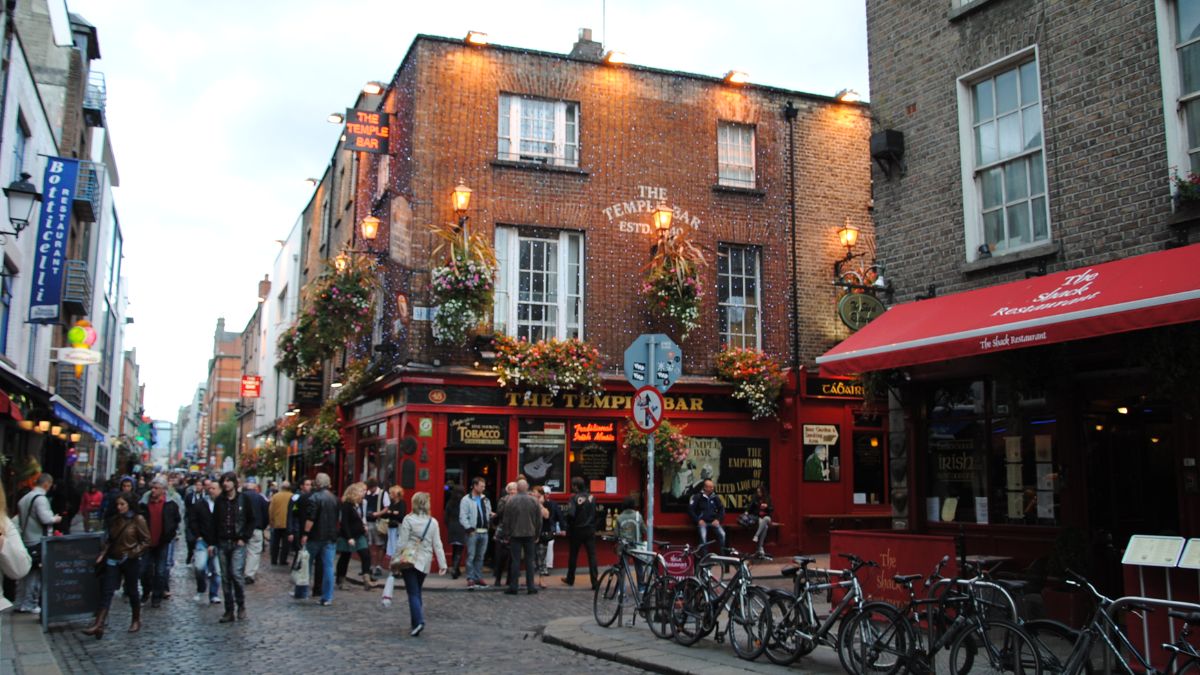
This is the big one for tourists, and it’s really no different from any other popular European destination. Dublin city centre, in particular around Grafton Street, Temple Bar, O’Connell Street, and the main tourist attractions, is where opportunistic theft happens most often.
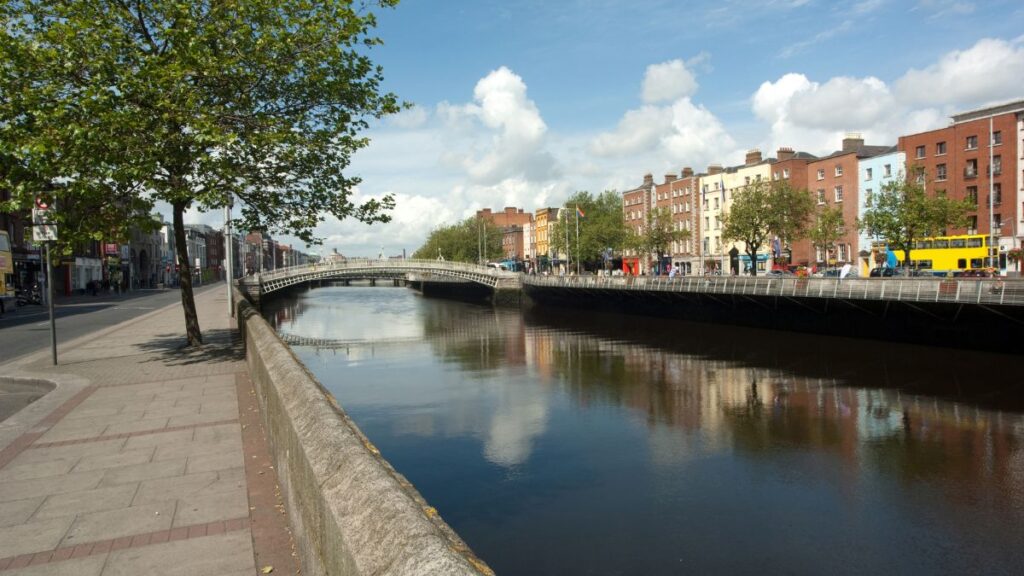
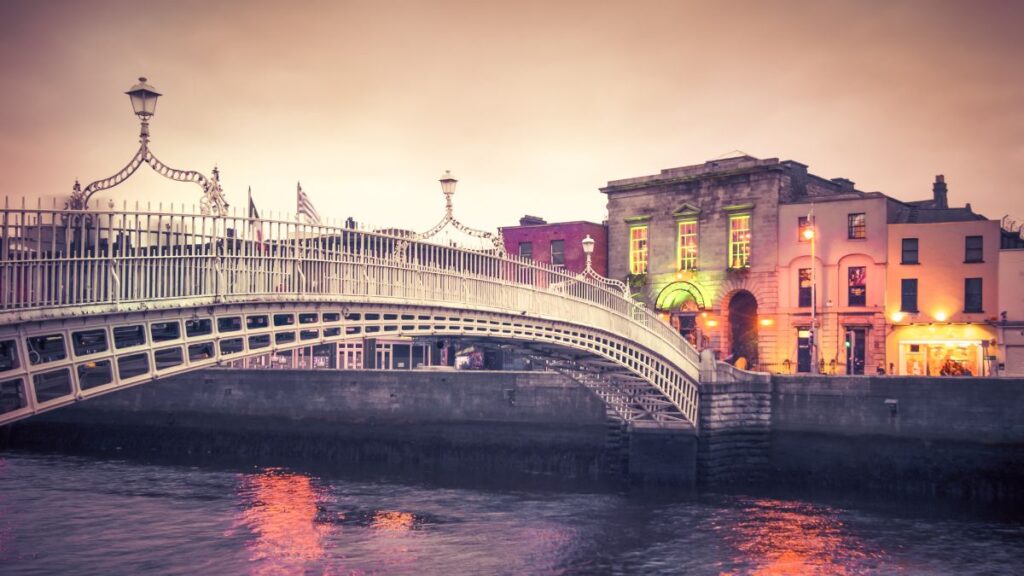
Pickpockets tend to work in busy, distracted crowds. Think: the Ha’penny Bridge at peak hour, a crowded tram, or outside a popular pub at closing time.
A friend of mine, Sarah, visited Dublin for a long weekend a couple of years ago. She was in a packed pub in Temple Bar when her phone was lifted from her jacket pocket. She didn’t feel a thing. It wasn’t a violent robbery; nobody threatened her, but it ruined the last day of her trip and cost her a significant amount to replace the phone. The lesson wasn’t “Dublin is dangerous.” The lesson was: keep your valuables somewhere harder to access.
Vehicle crime
Rental cars with tourist stickers or obvious luggage visible inside are targets. Car break-ins happen in car parks near tourist sites, trailheads, and scenic viewpoints, particularly in rural areas where you’d expect to feel completely safe.
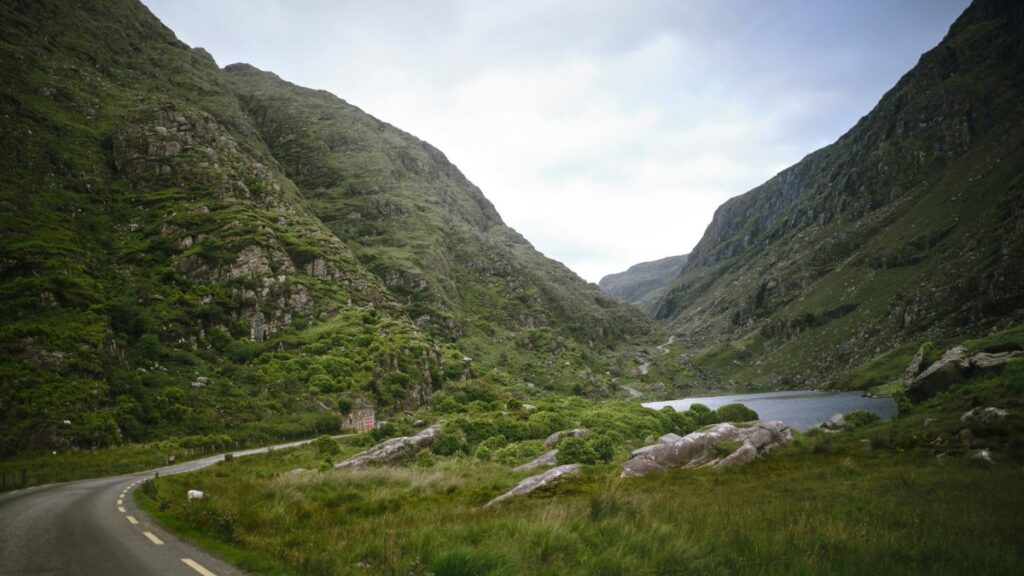
If you’re driving around the Wild Atlantic Way or visiting the Ring of Kerry, never leave anything of value visible in your car. Not even a jacket draped over the seat, which can suggest something worthwhile is underneath.
Scams targeting tourists
Ireland isn’t notorious for aggressive tourist scams in the way some other destinations are, but a few to be aware of:
- Overcharging in certain city-centre restaurants and pubs: Not technically a crime, but check your bill in busy tourist areas.
- Fake charity collectors: Occasionally reported in Dublin city centre.
- Accommodation scams: Particularly relevant if you’re booking through unofficial channels or social media groups. Stick to established platforms.
Drug-related crime
Most of the serious crime in Ireland, including violent incidents, is connected to organised drug networks. These operate in specific communities and rarely, if ever, affect tourists. The areas in Dublin most associated with drug-related issues, such as parts of the north inner city, are not tourist areas, and most visitors would have no reason to be there late at night.
Drink-related incidents
Ireland has a well-documented relationship with alcohol, and late-night city centres on weekends can get rowdy. Incidents between drunk individuals do occur, particularly outside nightclubs in the early hours. These are rarely targeted at tourists, but being in the wrong place at the wrong time is always a possibility.
Rural crime
If you’re staying in rural Ireland, the main concern is farm theft and burglary, which is a genuine issue in some counties, but again, almost entirely irrelevant to visitors.
How to stay safe in Ireland
Staying safe in Ireland doesn’t require paranoia. It requires the same common sense you’d apply anywhere.
In cities
- Keep your bag in front of you in crowded areas, especially on the Luas (Dublin’s tram), on buses, and in packed bars.
- Don’t flash expensive gear unnecessarily. Keep your camera in your bag when you’re not using it. The same goes for your phone.
- Be aware of your surroundings after dark, especially in unfamiliar parts of the city. Stick to well-lit, busy streets.
- Use licensed taxis or ride-hailing apps rather than accepting lifts from unofficial drivers.
- Don’t leave drinks unattended in bars. Drink spiking, while not common, does happen.
When driving
- Never leave valuables in your car, even for five minutes.
- Lock your car every time you step away, even in rural areas.
- Park in official car parks where possible, particularly near popular tourist sites.
General safety tips
- Keep a copy of your passport separate from the original.
- Share your itinerary with someone at home.
- Know the emergency number: 999 in the Republic of Ireland, and 999 or 112 in Northern Ireland.
- Have your bank’s fraud line number saved so you can act fast if your card is stolen.
- Use hotel safes for passports, extra cash, and backup cards.
Areas to be more aware of in Dublin
Most of Dublin is perfectly fine, including the vast majority of areas tourists visit. However, some parts of the city, particularly certain stretches of the north inner city around Summerhill and Mountjoy Square late at night, are associated with higher levels of drug-related activity. It’s not that you’d necessarily encounter any danger, but these aren’t areas you’d want to be wandering alone at 2 am.
Outside of Dublin, Ireland is remarkably relaxed. Towns and villages throughout the country are extremely safe, and rural Ireland feels as unthreatening as anywhere in the world.
A note on Northern Ireland
Belfast gets an unfair reputation based on its history. The city has changed enormously and is now one of the most vibrant, welcoming, and genuinely interesting cities in the British Isles.
Tourists are warmly received across Northern Ireland. Areas like the Titanic Quarter, Cathedral Quarter, and the Golden Mile in Belfast are safe, lively, and worth exploring. The Causeway Coast is spectacular and draws visitors from around the world without significant safety concerns.
One thing worth knowing: some areas of Belfast and Derry/Londonderry still have visible traces of the Troubles, including murals and peace walls. These are historically significant and worth visiting, but be respectful and aware of local sensitivities.
A firsthand look: group trip, Galway 2024
A travel group I spoke with, three women in their late fifties who had done a two-week road trip across Ireland, had nothing but glowing things to say about how safe they felt, right up until the second-to-last day in Galway.
One of them had her handbag taken while they were sitting at a café on Shop Street. She’d hung it on the back of her chair, which is a notoriously easy opportunity for a passing thief. In seconds, the bag was gone.
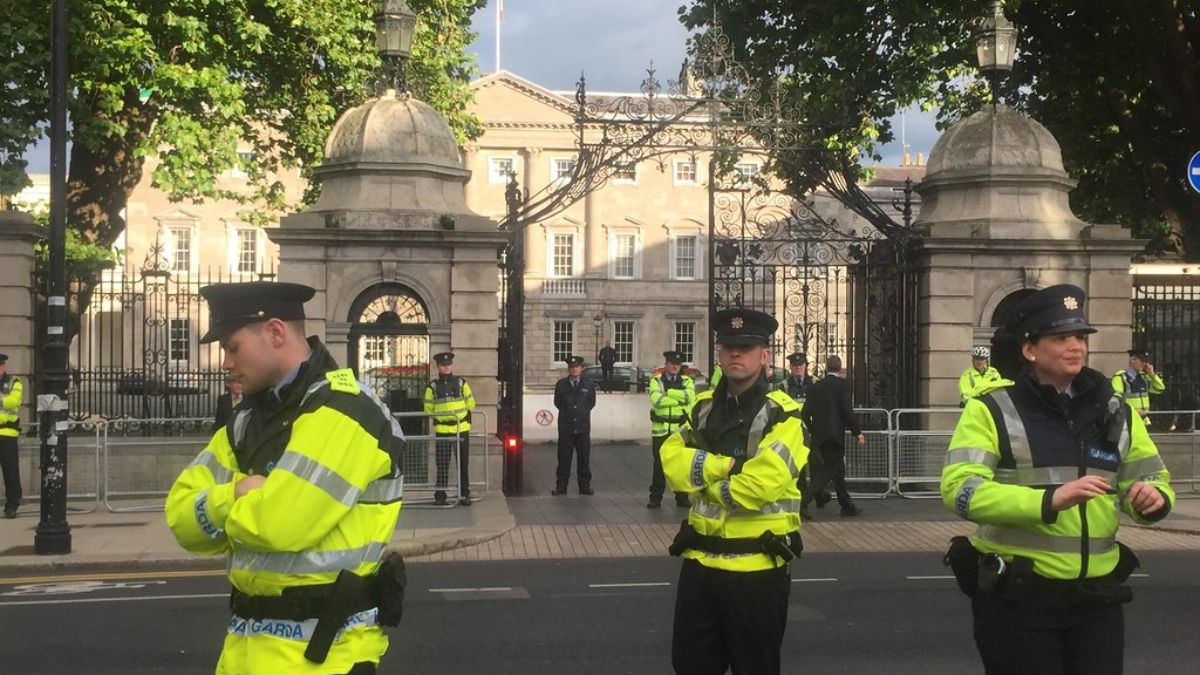
The Garda Síochána (Irish police) were helpful and professional. She got a crime reference number for her insurance, and despite the shock of it, the group noted that it was a moment of carelessness that enabled it. Every other day of the trip, across dozens of towns and some very remote areas, they’d felt completely at ease.
It’s a story worth telling because it’s real, but also because it’s ordinary. It could have happened in London, Paris, or Sydney. The bag-on-the-chair habit is a gift to opportunistic thieves everywhere.
Conclusion
Crime in Ireland is not something that should put you off from visiting. It’s a safe, welcoming, and genuinely wonderful country to explore, north and south. The risks that do exist are largely the same you’d encounter in any reasonably safe European country, primarily opportunistic theft in busy areas, and they’re almost all manageable with basic awareness.
Go. Walk the cliffs. Get lost in a village pub. Drive roads that barely fit your car. Just keep your bag close, lock the rental car, and don’t leave your phone on the table when you’re distracted by a live set.
Ireland is waiting, and it’s worth every bit of it.
Frequently asked questions about crime in Ireland
Is Ireland a safe place to visit right now?
Yes, Ireland is considered a safe destination for tourists. It ranks consistently among the safer countries in Europe on international peace and safety indices. Petty crime, such as pickpocketing, does occur in busy city centres, particularly in Dublin, but violent crime targeting tourists is rare. The current security environment in both the Republic of Ireland and Northern Ireland is stable, and tourists travel throughout the country without incident every day.
Is it safe to walk around Ireland at night?
In most places, yes. Towns and rural areas across Ireland are very safe to walk around at night. In cities like Dublin, Cork, and Galway, the main city-centre areas are generally well-lit and populated in the evenings. That said, as with any city, it’s worth sticking to busy streets and being aware of your surroundings in the late-night hours, particularly in areas known for nightlife, where alcohol-fuelled incidents between other patrons can occasionally occur. Walking alone late at night in unfamiliar parts of any city carries some risk, and that applies in Ireland too.
Is Ireland low in crime?
By European and global standards, yes. Ireland’s crime rate, particularly for violent crime, is low. The Global Peace Index consistently places Ireland in the top tier of peaceful nations. The crimes most commonly reported involve theft, burglary, and drug-related offences concentrated in specific communities. Tourists are far more likely to be affected by opportunistic petty theft than any form of serious crime. Northern Ireland has a slightly different crime profile but is similarly considered safe for visitors.
What should I do if I’m a victim of crime in Ireland?
Report it to the Garda Síochána (the police in the Republic) as soon as possible. You can visit your nearest Garda station or call 112 or 999 in an emergency. In Northern Ireland, contact the Police Service of Northern Ireland (PSNI) on the same emergency numbers. Get a crime reference number for insurance purposes. Contact your bank immediately if your cards are stolen, and report a stolen passport to your country’s embassy or consulate.
Are there areas of Ireland that tourists should avoid?
Ireland doesn’t have “no-go zones” in any meaningful sense for tourists. However, some parts of Dublin’s north inner city have higher levels of drug-related activity, and wandering through unfamiliar residential areas alone late at night in any city is worth avoiding. Beyond that, the country is open, accessible, and welcoming across the board, including in Belfast and throughout Northern Ireland.