Belfast Visitor Pass

Share this
Belfast has a way of surprising people. You arrive expecting gritty post-conflict edges, and instead you find a city that’s warm, walkable, and packed with things to do. But before you start planning your days around Titanic Belfast and the Cathedral Quarter, there’s a practical question worth sorting out early: should you get a Belfast visitor pass?
So, what is the Belfast visitor pass? In simple terms, it’s a travel card that gives you unlimited public transport across Belfast (buses, trains, and the Glider) for one, two, or three consecutive days. It also unlocks a range of discounts at restaurants, tours, shops, and attractions across the city. It’s not a free-entry attractions pass as you’d find in London or Dublin. Think of it more as a city transport card with a side of savings.
Now, is it worth buying? That depends entirely on how you plan to move around. Let me walk you through everything you need to know so you can decide.
What does the Belfast visitor pass actually include?

This is where many visitors get confused, so let’s clear it up.
Transport coverage
The pass gives you unlimited travel on:
- All Metro bus services within Belfast.
- The Glider (Belfast’s rapid transit bus route running east to west).
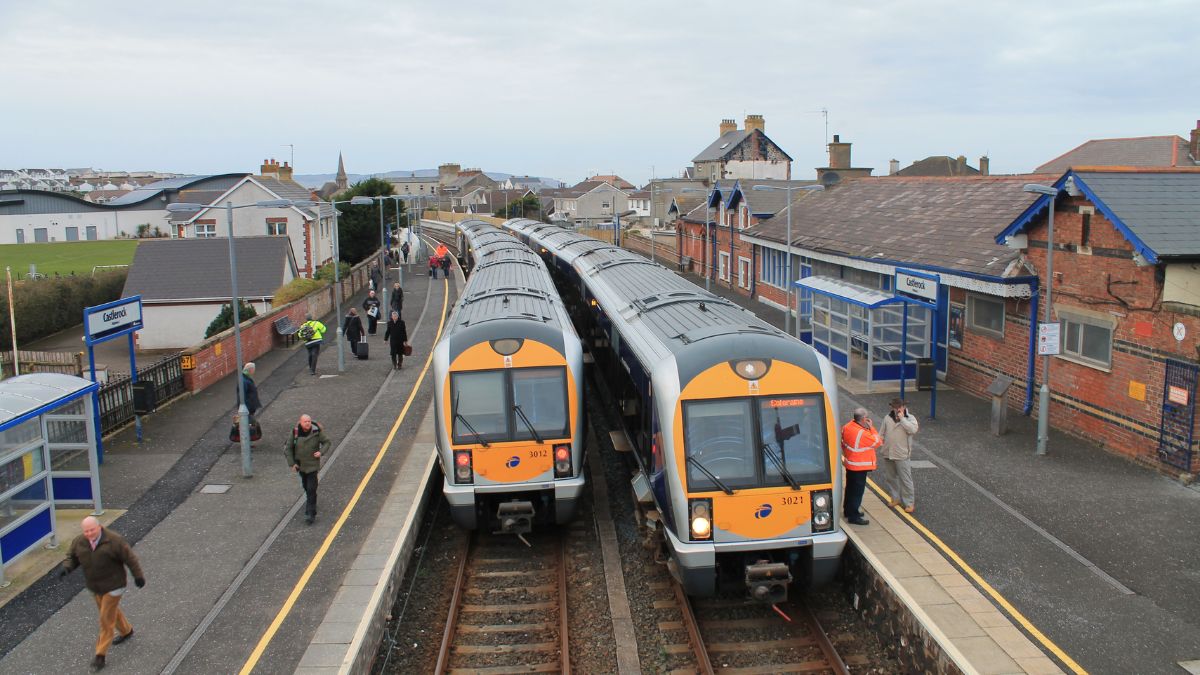
- NI Railways Zone 1, covering services between Belfast and Cultra, Jordanstown, Mossley West and Derriaghy and all stops in between.
- Ulsterbus Town services within the Belfast Visitor Pass Zone, including routes to Holywood and Newtownabbey.
- Airport Express 600 services to and from George Best Belfast City Airport.
One thing worth noting upfront: the pass does not cover the Airport Express 300 service to Belfast International Airport. If you’re flying into Belfast International, you’ll need to pay for the bus separately. It’s a detail that catches people off guard, so keep it in mind when planning your arrival.
Discounts at attractions, tours, and restaurants
Beyond transport, the pass opens up a solid list of discounts across the city. Some of the highlights include:
- 15% off walking tours with DC Tours and Belfast Hidden Tours
- 15% off at Belfast Cathedral (St. Anne’s) gift shop
- 15% off at Lost City Adventure Golf
- 10% off the Brewpub Experience at The Deer’s Head
- 10% off at Aunt Sandra’s Candy Factory (and a free lolly for the kids)
- 10% off food and drink at Loaf Café and Bakery
- 10% off at the Linen Hall Library café and gift shop
- 15% off The Spirit Circle Experience
- 10% off the Derry Girls Taxi Tour and 20% off the Line of Duty Tour
The list changes and updates regularly, so it’s worth checking the current offers on the Visit Belfast website before your trip.
How much does the Belfast visitor pass cost?
Pricing is genuinely reasonable, especially for families:
| Duration | Adult | Child |
|---|---|---|
| 1 day | £7.00 | £4.00 |
| 2 days | £13.00 | £7.00 |
| 3 days | £17.00 | £9.00 |
To put that into perspective: a single Metro bus journey typically costs around £2.30 to £4.00. If you’re taking more than three or four buses a day, the pass starts paying for itself pretty quickly.
That said, there’s a case to be made for simply tapping a contactless card on the bus instead. Belfast’s public transport network operates a daily cap, so if you’re only staying in the city centre and making short hops, the convenience of tap-and-go might suit you just as well. The visitor pass becomes the better option when you’re planning to venture further out, say to Titanic Quarter, Stormont, or across to the train lines.
Is the Belfast visitor pass worth it? Two real-world examples
Example 1: A weekend city break for two
Sarah and her partner flew into George Best Belfast City Airport on a Friday evening and had two full days in Belfast. They used the Airport Express 600 from the airport, hopped on the Glider to Cathedral Quarter, took the Metro to Titanic Quarter on Saturday, and jumped on the NI Railway to Cultra to visit the Ulster Folk Museum on Sunday afternoon.
By their rough count, they made around 10 separate journeys over the two days. At standard single fares, that would have come to roughly £46 to £80 for both of them. With two 2-day adult passes at £13.00 each, they paid £26 total and still had discounts to use at restaurants and a walking tour. They considered it a clear win.
Example 2: A solo visitor who almost didn’t bother
Mark was visiting Belfast for three days from Edinburgh, mostly to eat and drink his way around the city. His plan was fairly centred around the Cathedral Quarter and the Titanic Quarter, two areas that are actually walkable from each other if you’re feeling energetic.
He almost skipped the pass entirely. But on his second day, on a whim, he decided to take the train out to Cultra and then a bus through Holywood. That one spontaneous detour alone covered more than the cost of a 3-day pass. He also used the 15% discount on a walking tour he booked the same day.
His verdict: buy the pass even if you think you’ll be staying central. Belfast is compact enough that you’ll walk a lot, but it’s also tempting enough to pull you beyond the centre.
Where can I buy a Belfast visitor pass?

You have a few options here, and the right one depends on your timing.
In person (best option for same-day use):
- Visit Belfast Welcome Centre at 8-9 Donegall Square North.
- Any main Translink bus or train station ticket desk.
- George Best Belfast City Airport tourist information desk.
- Belfast International Airport tourist information desk.
Online:
You can buy the pass through Translink’s website, but there’s a catch: passes purchased online are posted to your home address and take up to five working days to arrive. They cannot be used on the day of purchase. If you’re booking a last-minute trip or simply forgot to plan ahead, the online route won’t work for you.
The safest approach for most visitors is to pick up the pass in person when you land, either at the airport or the Welcome Centre on Donegall Square. It’s a quick transaction, and you’re ready to go immediately.
Also worth knowing: the pass is non-refundable once purchased, so be confident in the number of days you’re buying before committing.
How to use the Belfast visitor pass
Using the pass is genuinely straightforward once you have it in hand.
On buses and the Glider, you show your pass to the driver as you board. On NI Railways, you show it to the conductor or present it at the platform. There’s no tapping or scanning required as it’s a physical card-style pass.
The pass activates from the moment of your first journey, not from when you purchase it. So if you buy a 2-day pass at the airport on Friday evening, and your first actual journey on it is Saturday morning, your pass is valid through Sunday. That’s a useful detail to keep in mind if you arrive late in the evening and don’t plan on going anywhere that night.
One practical tip: keep the pass somewhere easy to access, not buried at the bottom of your bag. You’ll be pulling it out constantly, especially if you’re moving around the city a lot.
What the pass doesn’t cover (and what to use instead)
There are a few things worth being clear on:
- Airport Express 300 to Belfast International Airport: Not included. You’ll pay separately for this one.
- Day tours to the Causeway Coast or Derry: These use coach services operated by tour companies, which fall outside the pass zone.
- Free entry to major attractions: The Belfast visitor pass does not include free entry to Titanic Belfast, Crumlin Road Gaol, or any other paid attraction. It’s discounts only, not free admission.
If you’re planning a day trip to the Giant’s Causeway from Belfast, you’ll want to look at separate coach tour options. The visitor pass won’t help you there, but there are excellent, organised tours that leave from Belfast city centre.
Planning your itinerary around the pass
The visitor pass works particularly well if you build your trip around neighbourhoods rather than individual attractions. Belfast’s areas each have their own distinct character, and using public transport to hop between them is a genuinely pleasant way to explore.
A rough structure that works well for a 2-day pass:
Day 1: City centre and Titanic Quarter
Start on foot in the city centre, covering the Cathedral Quarter, St. George’s Market (if it’s a Friday or Saturday), and the Linen Hall Library. Then take the Glider east to the Titanic Quarter for the afternoon.
Day 2: Further afield
Use the NI Railway to get out to Cultra for the Ulster Folk Museum, or head in the opposite direction and explore the neighbourhoods along the bus routes. The Glider gives you easy access to east Belfast, which has a growing food and creative scene well worth exploring.
Conclusion
The Belfast visitor pass isn’t the most glamorous item on your pre-trip checklist, but it’s one of the most useful. For visitors who plan to cover ground across the city, use public transport regularly, or simply want the flexibility to hop on a bus without thinking about fares, it’s a genuinely practical purchase.
It won’t get you free entry to Titanic Belfast or a free pint at the Duke of York. But it will keep your transport costs predictable, give you a handful of worthwhile discounts, and free you up to explore the city on your own terms. And in a city as easy to love as Belfast, that freedom to wander is worth a lot.
If you’re still working out your Belfast itinerary, consider also looking at some of the excellent guided walking tours and black taxi tours that help bring the city’s complex history to life.
Frequently asked questions
Where can I buy a visitor pass in Belfast?
You can buy the Belfast visitor pass in person at the Visit Belfast Welcome Centre on Donegall Square North, at any main Translink bus or train station ticket desk, or at the tourist information desks at George Best Belfast City Airport and Belfast International Airport. You can also buy it online through the Translink website, but online purchases are posted to your address and take up to five working days to arrive. For same-day use, always buy in person.
How to use the Belfast visitor pass?
Once you have the pass, simply show it to the bus driver when boarding Metro or Ulsterbus services, or to the conductor on NI Railways. Your pass activates from your first journey, not from the day you purchase it. There’s no tapping or digital scanning involved. Keep it somewhere easy to access throughout the day, as you’ll be presenting it each time you board.
Do I need an ETA to go to Belfast?
Most international visitors do need an ETA to travel to Belfast. Northern Ireland is part of the United Kingdom, and since early 2025, the UK requires most non-visa nationals to obtain an Electronic Travel Authorisation before travelling. This includes visitors from the US, Canada, Australia, and EU countries. British and Irish citizens are exempt, as are legal residents of Ireland travelling within the Common Travel Area (with proof of residence). The ETA costs £16, is valid for two years, and can be applied for through the UK ETA app or at GOV.UK.
Is the Belfast visitor pass the same as a hop-on, hop-off bus ticket?
No, these are two different things. The Belfast visitor pass covers the city’s regular public transport network, including Metro buses, the Glider, and NI Railways Zone 1 services. Hop-on hop-off tourist buses are a separate commercial product with their own ticketing and routes. The visitor pass is generally better value if you plan to use public transport frequently for practical travel around the city. The hop-on hop-off option can be useful if you want a narrated overview of the city’s sights, particularly on a first visit.
Can I use the Belfast visitor pass to get to Belfast International Airport?
No. The Belfast visitor pass includes the Airport Express 600 service to and from George Best Belfast City Airport. However, it does not cover the Airport Express 300 service to Belfast International Airport. If you’re travelling through Belfast International, you’ll need to pay separately for that service.
Planning a trip to Dublin too? Check out our guide on the Dublin Visitor Pass to discover how you can save on attractions and transportation there as well.
Slán go fóill (goodbye for now)!