
You’ve booked the flights, sorted the accommodation, and maybe even started googling the best pubs in Galway. But here’s something most travel guides skip entirely: Ireland has some surprisingly specific laws that catch tourists completely off guard.
And I’m not talking about obvious stuff like “don’t steal” or “wear a seatbelt.” I mean the kind of laws in Ireland that seem perfectly normal to locals but blindside visitors who didn’t know to look them up. Getting caught out by one of these can turn a dream holiday into a genuinely stressful experience.
So let’s get into it. This guide covers the most important Irish laws tourists should know before they land, from drinking laws to driving rules, public behaviour to photography restrictions, and a few surprises thrown in that even some long-term expats didn’t know existed.
1. Visa requirements and entry rules
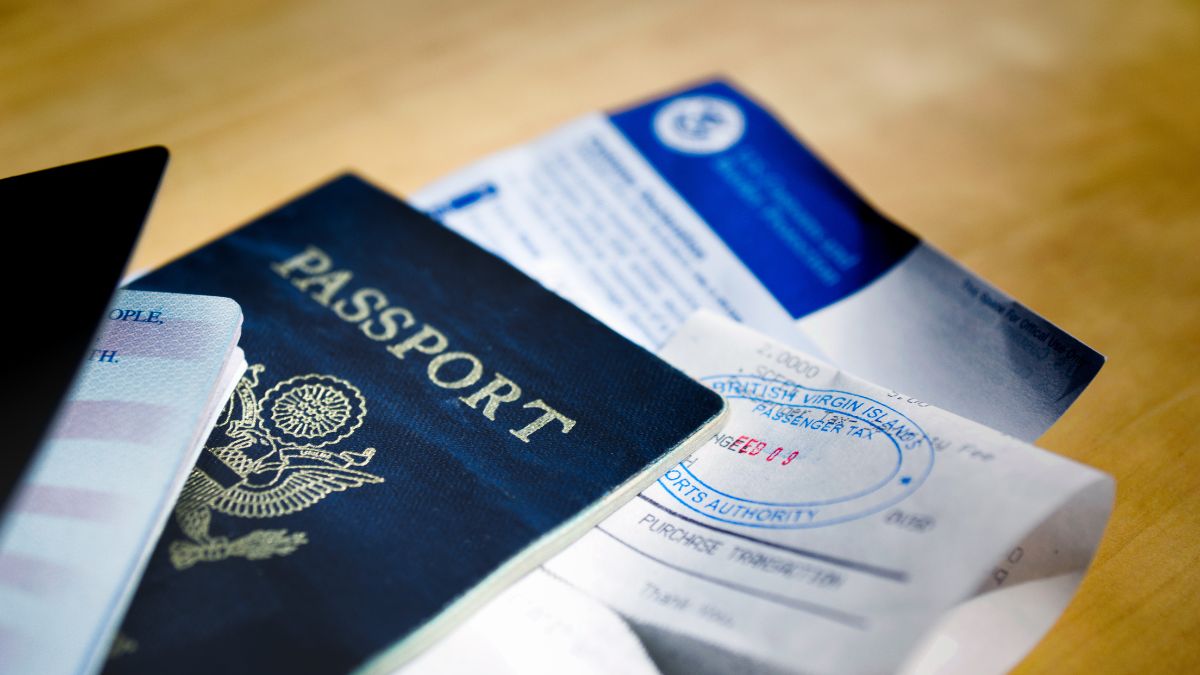
Before you even think about pubs or driving, you need to make sure you can actually enter the country legally. This is the starting point, and it’s one that a surprising number of tourists only look into at the last minute.
Does Ireland need a visa?
It depends entirely on your nationality. The good news for most visitors from English-speaking countries is that the Republic of Ireland operates its own visa policy, separate from both the EU’s Schengen Area and the UK. Here’s a quick overview of the most common situations:
- EU and EEA citizens: No visa required. You have freedom of movement within the EU, and that includes Ireland. You can stay as long as you like, provided you’re not working without the right permissions.
- US, Canadian, Australian, and New Zealand citizens: No visa required for tourist visits of up to 90 days. Just a valid passport and, at the discretion of the immigration officer, evidence of onward travel or accommodation.
- UK citizens: No visa required. The Common Travel Area (CTA) between Ireland and the UK has been in place since before either country joined the EU, and it remains intact post-Brexit.
- Other nationalities: Check the Irish Immigration Service website directly. Requirements vary significantly by country.
One thing to note: even if you’re visa-exempt, you’re still subject to immigration control when you arrive. An immigration officer can refuse entry if they’re not satisfied with your purpose of travel or your ability to support yourself financially. This is rare, but it does happen. Having your accommodation details and return or onward ticket available is always a good idea.
If you do need a visa, apply for a short-stay ‘C’ visa, which covers tourist visits of up to 90 days. Apply at least 8 weeks before your travel date, as processing times can vary.
The EES and ETIAS: what tourists need to understand in 2026
This is where things get a bit complicated, and where a lot of people planning a trip to Ireland get confused. Let’s clear it up.
The EU has introduced two major new border systems in 2026: the Entry/Exit System (EES) and the European Travel Information and Authorisation System (ETIAS). You’ll have seen these mentioned a lot if you’ve been researching a European trip. The short version for anyone visiting the Republic of Ireland is this: neither EES nor ETIAS applies to Ireland.
Here’s why. Ireland is a member of the EU but is not part of the Schengen Area. It has opted out of both systems in order to maintain the Common Travel Area with the UK. So if your trip is solely to the Republic of Ireland, you don’t need to worry about EES biometric registration or an ETIAS pre-travel authorisation.
However, if your trip includes travel to other European countries, such as France, Germany, Spain, or any of the other 29 Schengen countries, the picture changes:
- EES became fully operational across the Schengen Area on 10 April 2026. It replaces physical passport stamping with electronic biometric records. Non-EU visitors will have their fingerprints and facial image captured at Schengen borders on their first entry. There’s no application required in advance; it happens automatically at the border, though you can pre-register using the free official “Travel to Europe” app to speed things up.
- ETIAS is scheduled to launch in the last quarter of 2026. It will be a pre-travel authorisation (similar to the US ESTA system) costing €20, valid for three years, and required for visa-exempt visitors from around 59 countries, including the US, Canada, the UK, and Australia, when travelling to Schengen countries. It does not apply to Ireland.
What about Northern Ireland? Northern Ireland is part of the UK, not the Schengen Area, so EES and ETIAS don’t apply there either. However, if you hold a non-UK, non-EU passport and you want to cross from the Republic into Northern Ireland, you’re technically entering UK territory. The border is open, and there are no checks, but be aware you’re in a different jurisdiction.
The practical takeaway: if you’re planning a wider European trip that includes Ireland, sequence your stops carefully. Entering France or Germany will trigger EES registration. Moving to Ireland from a Schengen country won’t, but you’ll be re-entering the Schengen zone when you leave Ireland for the continent again, which will also be logged.
2. Drinking laws in Ireland

Ireland has a global reputation for pub culture, and that reputation is well-earned. But the Irish laws around alcohol are stricter than many tourists expect.
The legal drinking age is 18, and they will check
The legal drinking age in Ireland is 18. That’s for buying alcohol in shops, pubs, and restaurants. What catches people out is that Irish venues take this seriously. If you look under 25, you’re very likely to be asked for ID. Acceptable forms include a passport, a Garda Age Card, or a national identity card from an EU country.
A driving licence from outside Ireland is generally not accepted as proof of age at most venues, which surprises many American tourists in particular.
Where you can and can’t drink in public
Here’s one of the Irish laws that visitors from some countries find unexpected: drinking alcohol in public places, including parks, beaches, and streets, is either restricted or outright banned depending on where you are.
Dublin introduced bylaws that prohibit drinking in many public spaces, and Garda (police) officers can confiscate alcohol if they find someone drinking in a restricted area. You won’t necessarily be fined on the spot, but it can escalate if there’s any trouble.
Off-licence and supermarket hours matter
You can only buy alcohol in supermarkets and off-licences between 10:30 am and 10:00 pm, Monday to Saturday, and 12:30 pm to 10:00 pm on Sundays. If you show up at a supermarket at 10 pm looking to grab a bottle of wine for the evening, you’ve missed your window.
Pubs have their own licensing hours, which can extend later, but those also vary by night of the week and by licence type.
3. Laws in Ireland regarding public behaviour
Antisocial behaviour and public order offences
Ireland has a Public Order Act that covers a wide range of behaviour: being threatening or abusive, being intoxicated in public in a way that causes a nuisance, and engaging in disorderly conduct. Gardaí have broad powers to deal with these situations, including asking people to move on or arresting them.
For tourists, this mostly comes up around late-night behaviour in city centres. Dublin, Cork, Galway, and Limerick all have busy nightlife areas where tensions can rise on weekends. Keep things civil, walk away from confrontations, and respect Garda instructions immediately. That last point is important: failure to comply with a lawful Garda instruction is itself an offence under Irish law.
Noise regulations
Short-term rental properties in Ireland, including many Airbnb-style accommodations, are subject to local noise regulations. Hosting a loud party in a residential neighbourhood at 2 am isn’t just inconsiderate; it can result in the Garda being called and complaints being filed against the host. As a guest, you may also face consequences depending on the situation.
4. Driving laws in Ireland
If you’re renting a car, this section is essential reading.
You drive on the left
This one’s obvious but worth stating plainly: in Ireland, traffic drives on the left side of the road. For visitors from the US, Canada, mainland Europe, or Australia, this takes some genuine adjustment, particularly at roundabouts and on narrow rural roads.
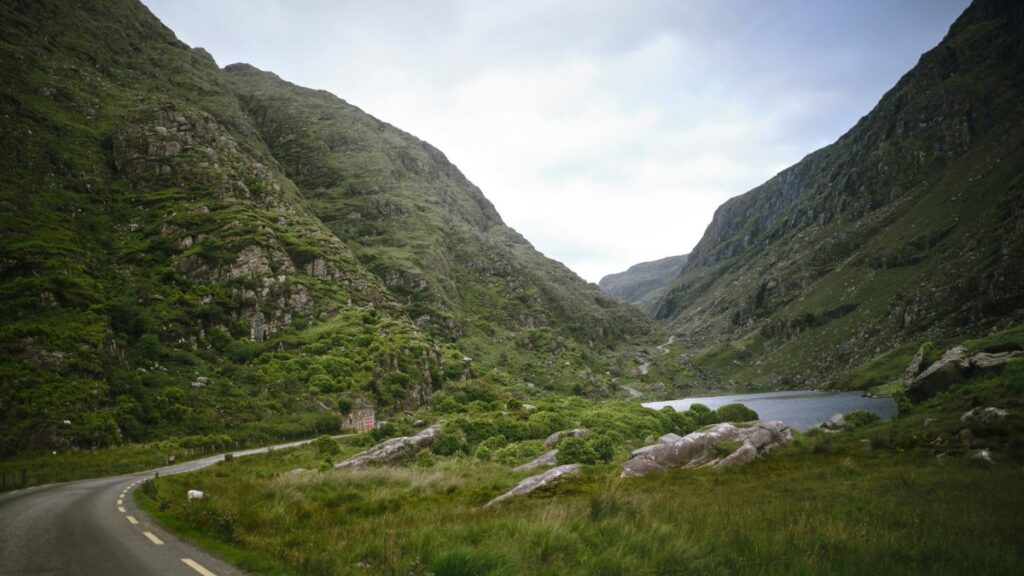
Take it seriously. Narrow country roads in counties like Kerry or Donegal leave very little margin for error, and the instinct to drift to the right can be dangerous.
Driving licences: what’s valid in Ireland
The rules here depend on where your licence was issued.
If you hold a driving licence from an EU or EEA country, you can drive in Ireland using it without any additional paperwork. The same applies to licences from the UK, US, Canada, Australia, New Zealand, and a range of other countries that Ireland recognises. Tourists from these countries can drive on their home licence for up to 12 months.
If your country is not on Ireland’s recognised list, you’ll need to carry an International Driving Permit (IDP) alongside your home licence. The IDP must accompany the original licence at all times; it’s not valid on its own.
A practical tip: if you’re renting a car and your licence is in a language other than English, some rental companies will ask for an IDP regardless, so it’s worth sorting one out in advance through the relevant authority in your home country.
Seatbelts: mandatory for everyone
Seatbelts are compulsory for all occupants of a vehicle in Ireland, in every seat. If the seatbelt is there, it must be worn. The driver is legally responsible for ensuring that all passengers under 17 are properly restrained. Getting caught without a seatbelt carries an on-the-spot fine of €60, rising to €90 if it’s not paid within 28 days.
Child car seats: the rules are strict
If you’re travelling with children, this matters a lot. Irish law requires that all children under 150cm in height or under 36kg in weight must use a child restraint system appropriate for their size. In simple terms, that covers most children up to around 11 or 12 years old.
A few specific rules to be aware of:
- Rear-facing child seats cannot be used in a front passenger seat protected by an active airbag. This is illegal and carries penalty points.
- Children aged under three cannot travel in a car at all unless they are in an appropriate restraint.
- Children over three can sit in the front passenger seat only if they’re in a suitable child seat or using a correctly positioned seatbelt.
If you’re renting a car, book the child seat in advance through the hire company. Don’t assume they’ll have one available on the day, especially during peak summer travel season. Also note that the Road Safety Authority recommends using seats manufactured to EU standards, so bringing a non-EU seat from home may not be straightforward.
Speed limits and road signs
Ireland uses kilometres per hour (km/h), not miles per hour. The national speed limit on motorways is 120 km/h. On national roads, it’s 100 km/h. In built-up areas, 50 km/h. Some rural roads have a limit of 80 km/h.
Road signs in Ireland can appear in both English and Irish (Gaelic), especially in Gaeltacht regions in the west. Don’t let an unfamiliar sign slow you down dangerously, but do familiarise yourself with the main ones before you set off.
Drink driving limits are low
Ireland’s drink-driving laws are among the more stringent in Europe. The legal blood alcohol limit for most drivers is 50mg per 100ml of blood. For professional drivers and novice/learner drivers, it drops to 20mg.
In practical terms, for most people, even one pint can push you close to or over the limit. The Irish authorities run regular checkpoints, especially on weekends and near popular tourist routes. Getting caught carries significant fines, penalty points, and potential disqualification.
I spoke to a couple I met in Killarney a few years back, a Canadian pair who had hired a car for a ten-day road trip. They’d had a “relaxed” evening at a pub near the Ring of Kerry and then assumed they’d be fine to drive back to their guesthouse. They weren’t stopped that night, but they admitted afterwards that they’d taken a real risk. Ireland’s road policing is active and consistent, not just near cities.
Mobile phones while driving
Using a handheld mobile phone while driving is illegal in Ireland and carries an on-the-spot fine and penalty points on your licence. This applies to tourists too. If you’re stopped and found to be using your phone, you’ll be fined. A hands-free setup is the only legal option.
The M50 toll: the one that catches almost every tourist
This deserves its own section because it genuinely catches people off guard, often resulting in fines that arrive weeks after they’ve returned home.
The M50 is the main ring road around Dublin, and it uses a barrier-free tolling system. There are no booths, no barriers, and nothing to stop you. Cameras photograph your number plate as you drive under an overhead gantry between Junction 6 (Blanchardstown) and Junction 7 (Lucan), and from that moment you have until 8 pm the following day to pay the toll.
The toll for an unregistered vehicle (which is what most tourists in rental cars are) is €3.80. You can pay at eflow.ie, through the eFlow app, by phone, or at any Payzone retail outlet, which includes most Spar, Centra, and Circle K/Applegreen petrol stations.
If you don’t pay on time, fines stack up quickly. The first penalty adds €3.50 on top of the original toll. Ignore it further, and it climbs to over €100 in additional charges, and the rental car company will eventually be billed and will pass those costs, plus an admin fee, on to you.
Some rental car companies handle M50 tolls on your behalf and charge you automatically, with an administration fee added. Ask at the rental desk when you pick up the car so you know exactly what the arrangement is.
One reassurance: the M50 gantry is the only barrier-free toll in Ireland. All other toll roads in the country use traditional booths where you pay by cash or card at the barrier. The M50 is genuinely the only one you need to think about in advance.
5. Photography and privacy laws
This area of Irish law catches a lot of visitors by surprise, particularly in the age of social media.
Photography in public spaces
Generally, you’re legally allowed to photograph in public spaces in Ireland. That means streets, parks, famous landmarks, and public gatherings. However, there are some important exceptions and grey areas.
Taking photographs inside private premises (shops, galleries, museums, private buildings) without permission is at the discretion of the property owner. Many tourist attractions in Ireland explicitly prohibit photography of certain exhibits, and you’re expected to respect those rules.
Photography of children
This is an area where Irish law and social norms are both strict. While there is no blanket law against photographing children in public, doing so in a way that could be construed as inappropriate, or without parental consent in organised settings like school events or sports clubs, is taken extremely seriously. Gardaí have powers to investigate and act on complaints.
If you’re a travel photographer or blogger and you want to photograph children as part of capturing Irish life, the practical advice is simple: ask first.
Drones
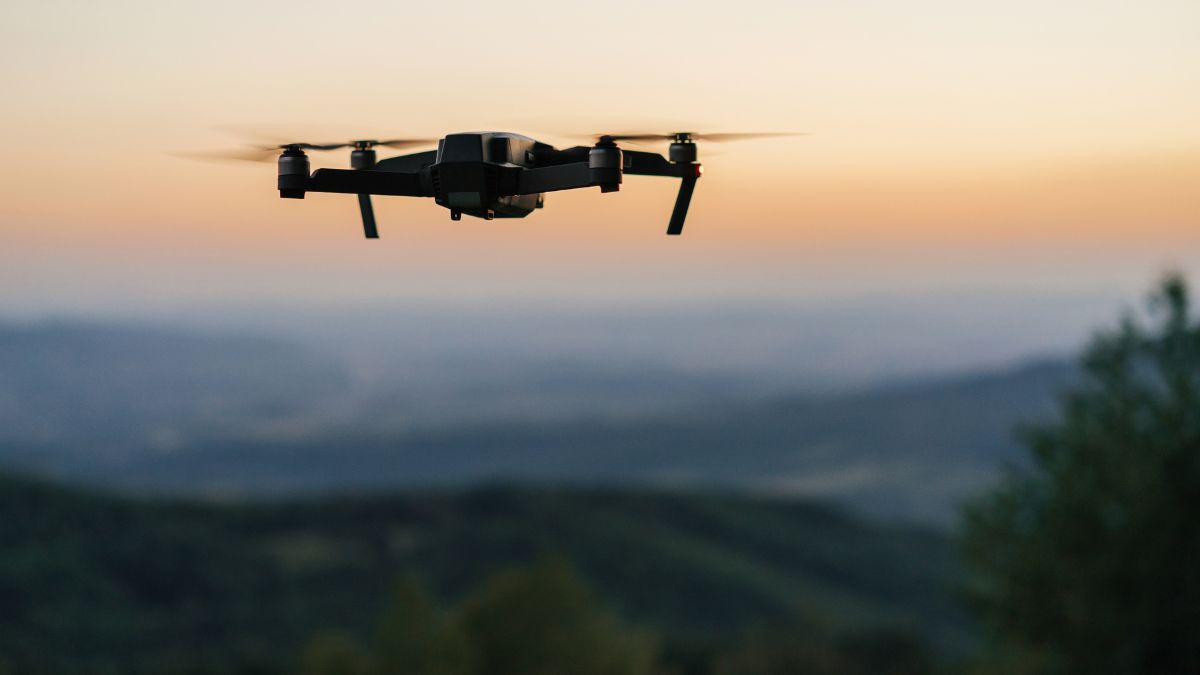
If you’re thinking of bringing a drone to capture aerial shots of Ireland’s landscapes (and honestly, who wouldn’t want those shots), you need to be aware of Irish drone laws, which are governed by the Irish Aviation Authority (IAA) and aligned with EU regulations.
You generally need to register as a drone operator before flying, even recreationally. There are restricted zones around airports, military installations, and some national parks. Flying over crowds or near emergency operations is prohibited. Fines for violations can be substantial.
6. Specific laws tourists often overlook
Littering
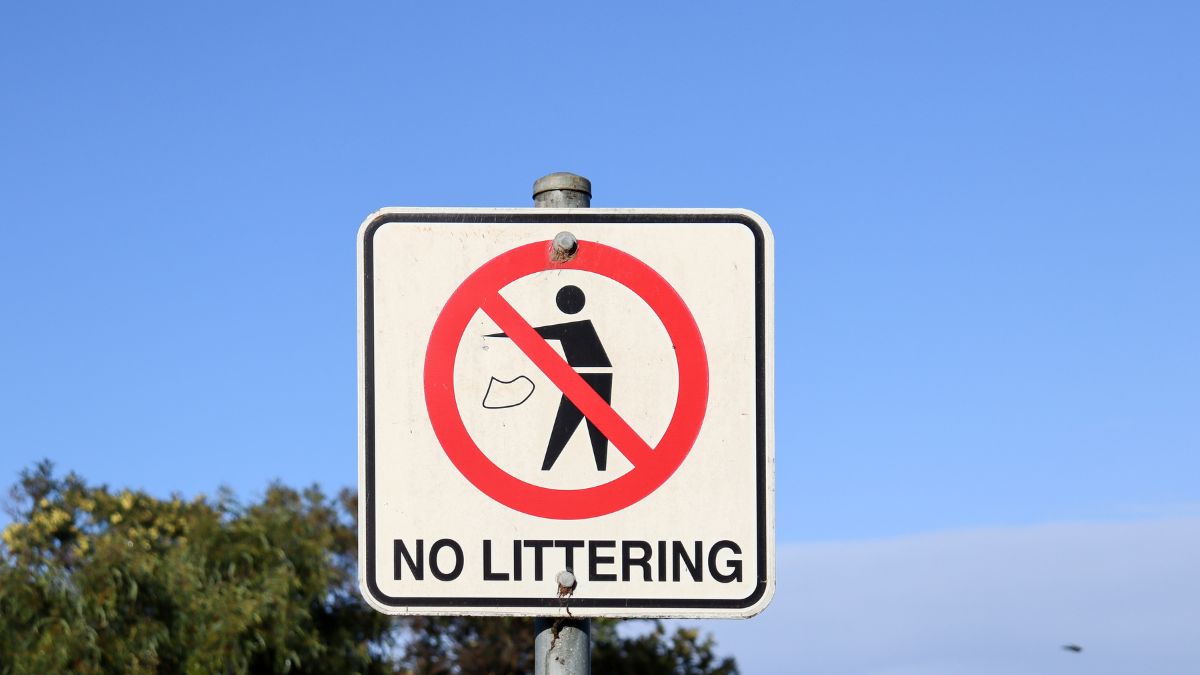
Ireland takes littering seriously. Fines for littering can reach up to €150 on the spot, and for more serious cases, court proceedings can lead to much larger penalties. This includes cigarette butts, which are legally classified as litter.
Given how genuinely beautiful Ireland’s countryside and coastline are, this is a law that’s easy to support. Leave no trace is the right approach, particularly in natural areas like the Cliffs of Moher, Killarney National Park, or the Causeway Coast.
Busking regulations
If you’re musically inclined and thinking about busking in Dublin or Cork, you’ll need a permit in certain areas. Dublin City Council has a licenced busking scheme, and performing without one in designated busking zones can result in being moved on or fined. Check the local council’s website before you set up with a guitar case.
Cannabis and drugs
Cannabis is illegal in Ireland. Full stop. There is no recreational cannabis law, and possession can lead to a fine or prosecution depending on the amount and the circumstances. The fact that cannabis is legal in parts of Europe or North America makes absolutely no difference once you’re on Irish soil.
A barrister I know who handles travel-related legal cases in Dublin told me about a case involving a tourist who had brought a small amount of cannabis from the Netherlands, assuming the legal landscape was similar. It wasn’t, and the resulting legal process ruined what was meant to be a two-week holiday. Don’t take the risk.
7. Northern Ireland: a separate jurisdiction
This is worth a dedicated section, because a lot of tourists travelling around the island of Ireland don’t fully register that Northern Ireland is part of the United Kingdom, not the Republic of Ireland. The laws can differ.
The border between the Republic and Northern Ireland is open (there are no passport checks post-Brexit for casual tourists, though this can be subject to change), but the legal systems are different.
Key differences to note
In Northern Ireland, the currency is the pound sterling (not the euro). Driving laws are broadly similar to those in the Republic but are governed by UK law. The speed limits are in miles per hour in Northern Ireland, not kilometres per hour, so your speedometer reading changes the moment you cross.
Alcohol licensing laws are also different, with Sunday trading rules for alcohol having historically been stricter in Northern Ireland than in the Republic.
If you’re on a multi-destination trip that includes Belfast, the Causeway Coast, and then the Republic, be aware that you’re crossing into a different legal jurisdiction when you move between the two.
8. A few quick-fire laws to know before you go
- Tipping is not mandatory by law but is customary in restaurants (usually 10-15%). Refusing to pay a “service charge” that’s been added to your bill is technically within your rights if it wasn’t clearly advertised, but this is more of an etiquette conversation than a legal one.
- Smoking is banned in all enclosed workplaces, including pubs and restaurants.
- Bringing certain items into Ireland is restricted: fresh meat from outside the EU, certain plant materials, and, of course, all the obvious customs prohibited items.
- Wild camping is not automatically legal in Ireland. Ireland does not have the same “right to roam” laws as Scotland, and camping on private or protected land without permission can cause problems.
Conclusion
Ireland is a genuinely welcoming place, and the vast majority of tourists will never have any run-in with the law at all. But being informed is never a bad idea. Knowing the Irish laws around drinking, driving, public behaviour, and everything else covered here means you can focus on what matters: enjoying one of the most beautiful, culturally rich, and genuinely warm destinations in the world.
Keep these things in mind, stay respectful of local rules and customs, and you’ll have a brilliant time.
FAQ: Irish laws tourists frequently ask about
Can tourists drink alcohol on the streets in Ireland?
Generally, no. Drinking alcohol in public spaces is restricted or banned in most urban areas across Ireland, including large parts of Dublin city centre. Local bylaws allow the Garda to confiscate alcohol from people drinking in restricted public areas. Pubs and licensed outdoor areas (like pub beer gardens) are your best bet for a legal drink.
What happens if I get caught speeding in Ireland as a tourist?
Speeding fines in Ireland are applied to the driver, not the registered owner of the vehicle. As a tourist driving a hired car, you can be stopped and fined on the spot. Speed cameras are also widely used, and the hire car company will typically forward any camera-issued fines to you, often with an administration charge added. Points won’t transfer to a foreign licence, but fines are real.
Is it legal to photograph Garda (police) officers in Ireland?
Yes, in general, photographing Garda officers in public is legal in Ireland. However, if you’re asked to stop filming or photographing during an active police operation or in a situation where your presence is causing an obstruction, you’re expected to comply. Deliberately interfering with policing activity is an offence.
Do Irish laws apply differently to EU and non-EU tourists?
The underlying laws are the same regardless of where you’re from. However, some practical processes differ. For example, EU citizens have specific rights around detention and access to consular assistance that differ from non-EU citizens. And when it comes to driving, the recognition of licences and handling of penalty points varies. Always carry your passport or a valid form of ID.
Can I bring my prescription medication into Ireland?
Yes, but with conditions. You should carry a copy of your prescription and, ideally, a letter from your doctor for any controlled medications. Certain controlled drugs require a licence to import, even for personal use. Check with the Irish Health Products Regulatory Authority (HPRA) before you travel if you’re unsure about a specific medication. Turning up at customs with unlabelled pills is never a good look, regardless of their origin.
Slán go fóill (goodbye for now)!