
There’s a moment that catches almost every visitor off guard. You’ve just landed, collected your rental car keys, and you’re pulling out of the airport car park when it hits you: the steering wheel is on the right, the road is on the left, and someone behind you is already beeping. Welcome to driving in Ireland.
If you’re planning a trip and wondering whether to rent a car, what the rules of the road are, or just how nerve-wracking it’s actually going to be, you’re in the right place. This guide covers everything you need to know about driving in Ireland: the rules, the quirks, the practical tips, and the truth about what it’s really like behind the wheel here.
The short answer? It’s absolutely worth it. Ireland’s best scenery, its hidden villages, and its most memorable experiences are not reachable by public transport. But going in prepared makes all the difference.
Why driving in Ireland is different from what you might expect

Most visitors from the US, Canada, Australia, or mainland Europe will face at least one adjustment: driving on the left. If you’re from the UK, you’re already ahead of the curve on that front, though there are still a few other things worth knowing.
The road network in Ireland consists of motorways, national primary roads, regional roads, and local roads. The motorways (marked M) are fast, modern, and easy to navigate. But the country roads? That’s where things get interesting.
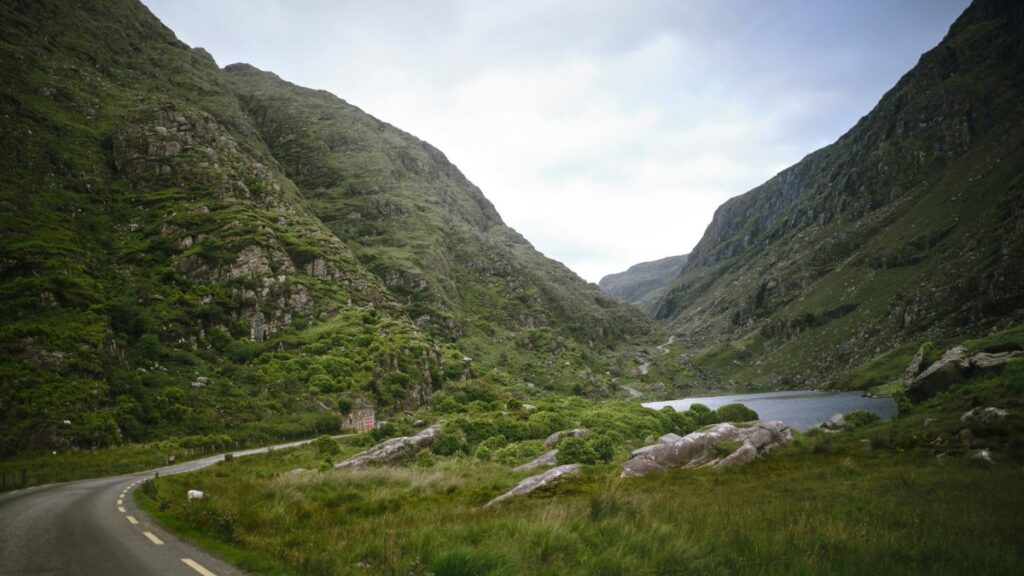
Expect narrow lanes. Very narrow lanes. Roads that were originally laid out for horses and carts, flanked by hedgerows so dense you can’t see what’s coming around the bend. This isn’t a criticism; it’s just reality. And once you’ve driven a few days, you get used to it.
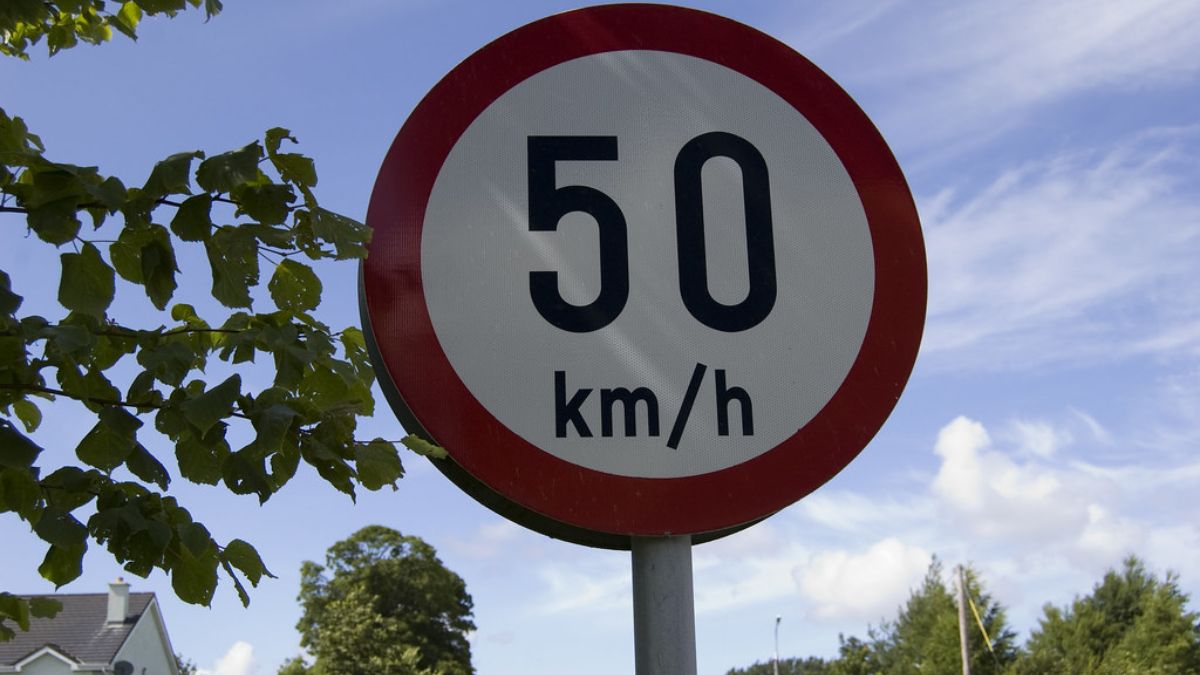
Ireland uses kilometres for road signs and speed limits, even though colloquial conversations often still reference miles. Don’t mix them up, especially when you’re reading speed limit signs.
The rules of the road in Ireland
Before you set off, it’s worth running through the key rules so nothing catches you off guard.
Speed limits:
- Motorways: 120 km/h
- National primary and secondary roads: 100 km/h
- Regional and local roads: 80 km/h
- Built-up areas (towns and cities): 50 km/h
- School zones and special areas: 30 km/h
Speed cameras are common, and average speed cameras (which measure your pace over a stretch of road rather than at a single point) are increasingly being used on major routes. Don’t assume the road is quiet and take liberties.
Drink driving: The legal blood alcohol limit in Ireland is 50 mg per 100 ml of blood for most drivers, but just 20 mg for learner or professional drivers. In practice, if you’re driving, it’s best to skip the Guinness entirely. Taxis and designated drivers exist for good reason.
Seatbelts: Mandatory for all passengers. No exceptions.
Mobile phones: Using a handheld phone while driving is illegal and carries an on-the-spot fine. Use a mounted hands-free device if you need navigation.
Tolls: Several roads in Ireland, particularly around Dublin, require tolls. The M50 motorway around Dublin uses a barrier-free electronic system called eFlow. If your rental car doesn’t have a tag, you’ll need to pay online within 24 hours of travel, or ask your rental company how they handle it. Forgetting this is one of the most common (and annoying) mistakes tourists make.
Right of way
At intersections, traffic on the main road has priority, unless otherwise indicated. At roundabouts, yield to traffic coming from the right unless signage directs otherwise.
Overtaking and changing lanes
When overtaking another vehicle, do so only when it’s safe. Remember to:
- Check your mirrors.
- Signal your intention.
- Return to the left lane after overtaking.
U-turns and pulling over
U-turns are often prohibited in built-up areas, and pulling over should only be done if it’s absolutely safe and necessary. Always check your mirrors, signal, and slow down gradually.
Roundabouts
Roundabouts are common and may seem confusing, but they’re efficient once you get used to them.
- Always yield to traffic from the right.
- Use your indicator when exiting.
- Missed your exit? Don’t panic; you can circle back around.
Road Signs
Irish road signs are generally straightforward, but it’s a good idea to familiarise yourself with them before you hit the road. The Road Safety Authority of Ireland offers resources that will help you understand the various signs and road markings.
What driving in Northern Ireland looks like

If your trip takes you across the border into Northern Ireland, it’s worth knowing that you’re entering a different jurisdiction. Northern Ireland is part of the United Kingdom, so the rules align more closely with UK law. That said, the roads feel pretty seamless: there are no passport checks, no dramatic border crossings. You’ll mostly notice the change in road signs, which switch to miles, and the shift to different speed limit markers.
Speed limits in Northern Ireland are given in miles per hour:
- Motorways: 70 mph
- Dual carriageways: 70 mph
- Single carriageways: 60 mph
- Built-up areas: 30 mph
Pay attention to this if you’re crossing back and forth, because 80 on a Republic road sign means something very different to 80 on a Northern Ireland road sign.
Renting a car in Ireland

Most major international car rental companies operate in Ireland, and you’ll find desks at Dublin, Cork, Shannon, and Belfast International airports.
A few things to sort out before renting a car:
Licence requirements: A full, valid driving licence from your home country is accepted in Ireland. If your licence isn’t in English or doesn’t use Roman script, you’ll need an International Driving Permit (IDP) alongside it.
Age restrictions: Most companies won’t rent to drivers under 21, and drivers under 25 typically pay a young driver surcharge. Some companies set the minimum age at 23 for certain vehicle categories.
Automatic vs manual: Manual (stick shift) cars are far more common in Ireland than automatic. If you’re not comfortable with a manual, book an automatic in advance, but expect to pay more and have fewer options available.
Insurance: Collision damage waiver (CDW) is usually included in car rental rates, but the excess can be very high, sometimes €2,000 or more. Standalone rental car excess insurance, purchased separately before your trip, is usually much cheaper than buying it at the desk.
Familiarise yourself with your rental car
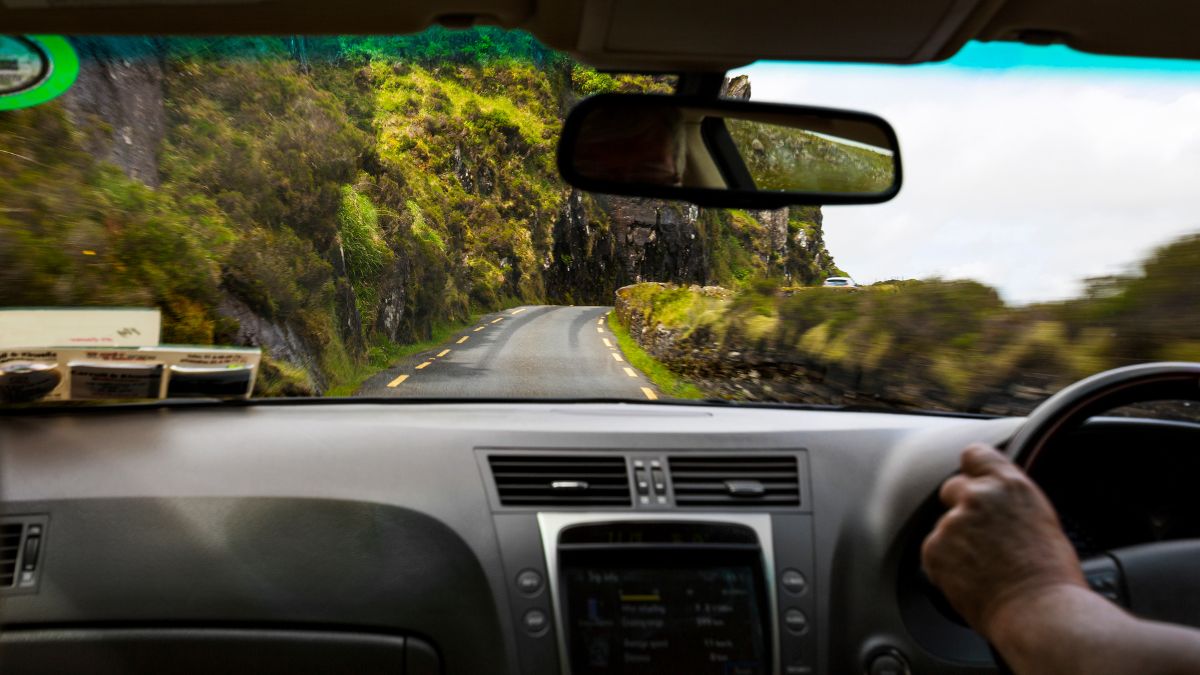
Before you start driving, take a few minutes to familiarise yourself with your rental car’s key functions. This will help reduce stress and ensure you’re comfortable behind the wheel. Here’s a quick checklist:
- Mirrors: Adjust them for proper visibility.
- Indicators: Make sure you know how to signal.
- Headlights: Learn how to turn on and adjust the lights, as Ireland’s weather can change rapidly.
- Window Wipers: Rain is common, so this is a must.
- Defogging: Know how to clear your windows, especially during wet and foggy conditions.
Emergency situations
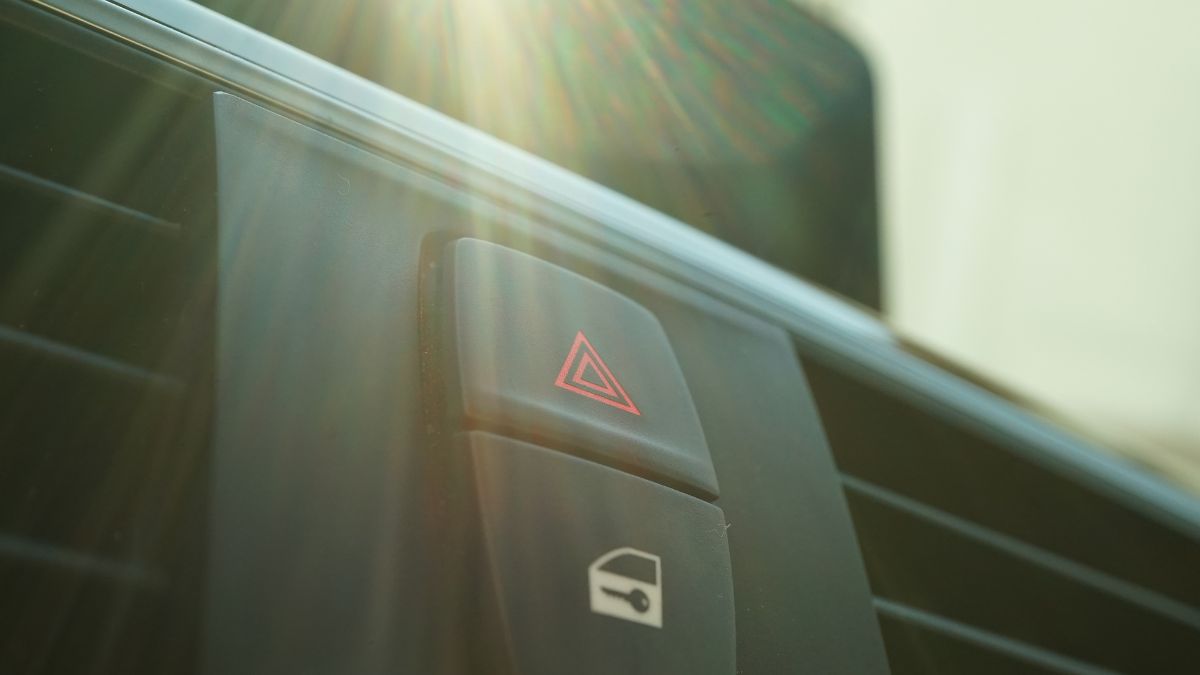
In the event of an emergency, whether it’s a breakdown or an accident, it’s important to know what to do. For any serious incidents or if someone is injured, dial 999 or 112 to contact the Gardaí (Irish police). For breakdowns, it’s advisable to contact your rental car provider immediately to report the issue.
Pro tip: Ask your rental company for their emergency contact details before you leave the lot. It’s also wise to check what their process is for breakdowns, especially if you’re driving in rural areas.
Firsthand experience: What it’s actually like on Irish roads
A family from Toronto who visited in September 2023 described their first day driving from Dublin to Killarney as “the most stressful and most beautiful three hours we’ve ever spent in a car.” The mother, who’d done all the driving, said the hardest part wasn’t the left-hand side of the road but the roundabouts in Dublin city centre and the single-track lanes in Kerry where she had to reverse for almost 200 metres to let a tractor through.
By day three, though, she was navigating the Ring of Kerry with confidence and said she’d never have seen half of what they did without the car. That’s pretty much the universal experience. The first day is hard. By day two or three, it clicks. The key is to start slow, avoid rush hour in Dublin if you can, and give yourself more time than you think you need on rural roads.
A solo traveller from Melbourne who drove the Wild Atlantic Way in October 2024 put it differently. He said the thing nobody warned him about was how often he’d want to just stop the car. Not because anything was wrong, but because the view out the window was too good to drive past. He ended up building an extra two days into his itinerary just to account for all the unplanned stops. That’s not a bad problem to have.
Practical tips for driving in Ireland
These are the things that make the difference between a stressful trip and a great one.
1. Get a good GPS or download offline maps: Mobile signal can be patchy in rural areas, and Irish road names can be inconsistently signposted. A reliable offline map (Google Maps or Maps.me both allow offline downloads) is a lifesaver.
2. Pull in when you need to: There are lay-bys on most roads. If you’re nervous or a queue of locals is forming behind you, pull over and let them pass. Nobody will think less of you, and the pressure evaporates immediately.
3. Know your road markings: A continuous white line in the centre means no overtaking. Yellow lines along the kerb indicate parking restrictions. One yellow line means limited waiting; two yellow lines mean no parking during operating hours.
4. Petrol stations are not everywhere: Fill up when you see a station in rural areas, especially in the west of Ireland. Running low on fuel on a quiet road with no signal is not a situation you want to be in.
5. Watch out for livestock on the road: Particularly in the west and on the Dingle Peninsula. Sheep have no concept of road safety whatsoever.
6. Budget more time than you think. Irish roads, particularly in the west and south-west, are not fast roads. Google Maps will give you an estimated journey time that assumes you’re driving on a motorway. Add at least 25-30% to those estimates for rural routes, and more if you plan to stop for photos (you will want to stop for photos).
A note on parking in Irish cities
Parking in Dublin city centre is expensive and, during the week, genuinely difficult to find. Cork and Galway are more manageable but still worth planning ahead.
Multi-storey car parks are your best bet in cities. On-street parking in Dublin is typically managed through the Dublin City Council pay-and-display system. In smaller towns, parking is often free or very cheap, with disc parking systems (where you display a timed disc on your dashboard) the norm.
One experience that comes up repeatedly among visitors is arriving in a town like Westport or Kilkenny, finding a free car park right in the centre, and being completely baffled by how easy it was compared to cities back home. Small-town Ireland is remarkably car-friendly, and that’s one of the pleasures of driving beyond the main tourist hubs.
Conclusion
Driving in Ireland opens the country up in a way that no other form of transport can match. Yes, the narrow roads take some getting used to. Yes, the left-hand driving will feel odd for the first hour. And yes, you might have to reverse into a field to let a combine harvester through at some point. But the trade-off is access to coastlines, mountains, villages, and experiences that simply don’t appear on any bus timetable.
Go in with a decent map, a relaxed mindset, and a bit of extra time in your schedule. The Ireland worth seeing is out there on those winding roads, and it’s waiting for you.
FAQs about driving in Ireland
Is Ireland driving the same as the UK?
In many ways, yes. Both countries drive on the left, use right-hand drive vehicles, and share similar road rules. The main differences appear when you look at speed limits (Ireland uses kilometres per hour, the UK uses miles per hour), some road markings, and enforcement systems. Northern Ireland, being part of the UK, follows UK rules and uses mph. If you’re already comfortable driving in the UK, you’ll adapt to the Republic of Ireland very quickly.
Is it easy to drive in Ireland as a tourist?
It depends on where you’re from. Visitors from the UK will find it very straightforward. For those from countries that drive on the right, like the US, Canada, or most of Europe, the adjustment to left-hand driving and right-hand drive vehicles is the main hurdle. Most people find their confidence within a day or two. Rural roads are narrow but not dangerous if you drive at appropriate speeds and take your time. The biggest challenge for most tourists isn’t the rules: it’s simply slowing down and adjusting their expectations of what a country road looks like.
Does my UK car insurance cover me in Ireland?
UK car insurance policies are required by law to provide at least third-party cover in EU countries, which includes the Republic of Ireland. However, the level of cover you get abroad may be less than your standard policy provides at home. It’s always worth checking with your insurer before travelling to confirm exactly what’s covered, and whether you need a Green Card as proof of insurance. For Northern Ireland, no additional cover is typically needed for UK drivers, as it’s part of the same territory.
What to remember when driving in Ireland?
The key things to keep in mind: drive on the left, wear your seatbelt, stick to the speed limits (which are in km/h in the Republic and mph in Northern Ireland), never use your phone handheld, and sort out your toll situation before you drive on the M50. Beyond that, be patient on narrow roads, give way to vehicles coming uphill on single-track lanes, and pull over safely if you need to check your map or let faster traffic pass. Filling up your fuel tank whenever you see a petrol station in rural areas is also a habit worth developing early in the trip.
Is it worth renting a car in Ireland?
Absolutely, for most visitors. Public transport in Ireland connects the major cities and some larger towns reasonably well, but it simply doesn’t reach the places most people actually come to see. The Cliffs of Moher, the Dingle Peninsula, Connemara, the Causeway Coast, and the Wicklow Mountains: none of these are easily accessible without a car. If your trip is focused entirely on Dublin or Belfast, you may not need one. But if you want to see the Ireland that appears on postcards and in travel articles, a rental car is almost always the right call.
Slán go fóill (safe journey)!