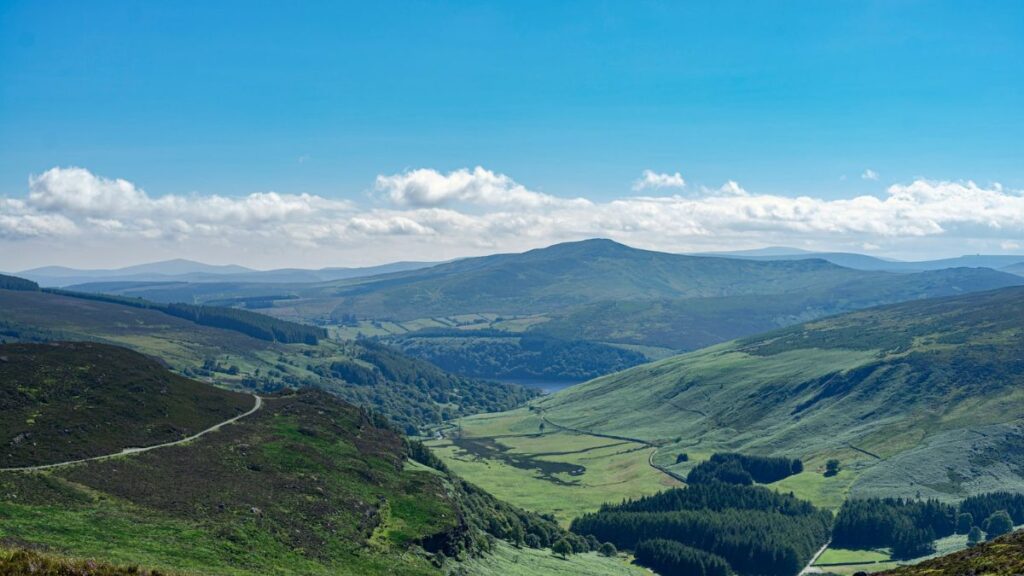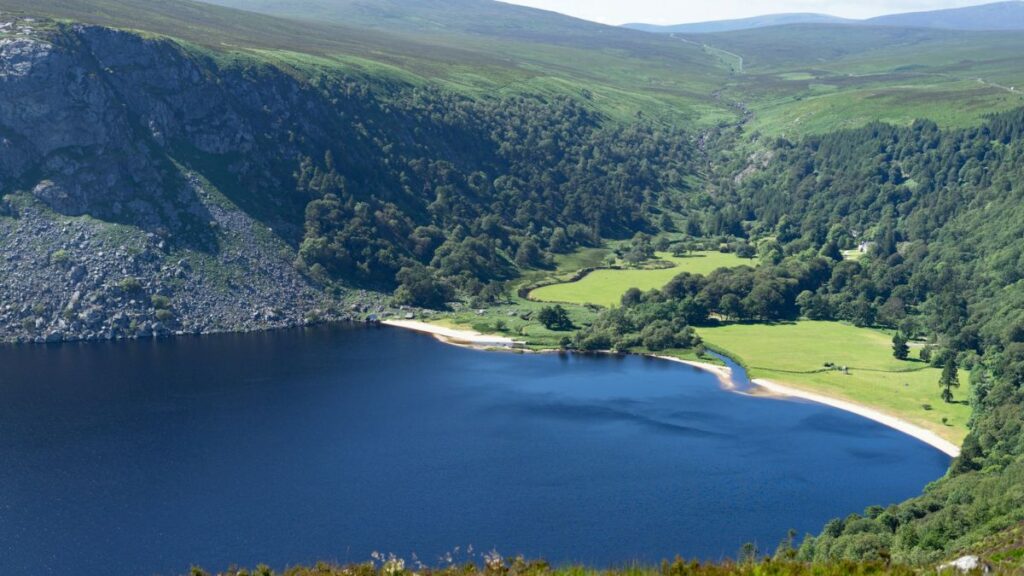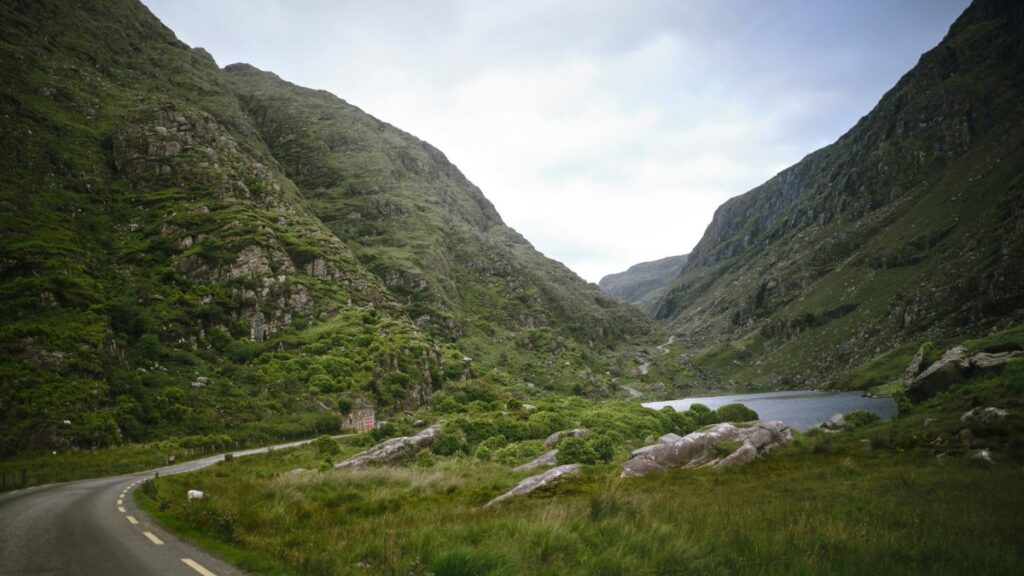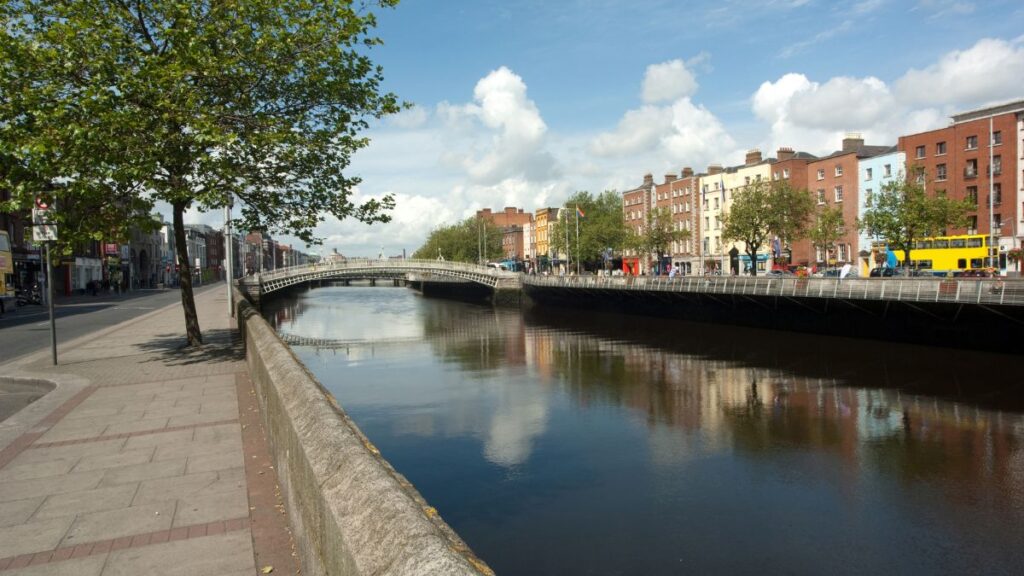


Let’s cut straight to it: yes, Ireland is absolutely doable on a budget. It’s not Southeast Asia cheap, but it’s far more affordable than most people think, especially if you stop planning like a tourist and start planning like a traveller.
So if you’re wondering how to visit Ireland on a budget, here’s the short answer: travel in the shoulder season, stay in family-run B&Bs or hostels outside city centres, use the bus network for intercity travel, and lean hard into the fact that Ireland’s greatest attractions- cliffs, coastline, mountains, and pubs- cost little to nothing to enjoy. A solo traveller can manage comfortably on €60-€80 per day. Couples can stretch that even further.
Now let’s break it down properly.
When to go: Timing is everything for budget travel in Ireland

If your dates are flexible, this is the single biggest lever you can pull.
July and August are peak season. Prices spike, guesthouses fill up weeks in advance, and the roads to the Cliffs of Moher feel like a car park. Don’t go then if you’re watching your wallet.
May, June, and September are the sweet spots. The weather is genuinely pleasant (by Irish standards, pack a rain jacket regardless), the crowds thin out noticeably, and accommodation prices drop by 20-40%. The countryside is lush and green, and you’ll actually have room to breathe at popular spots.
October through March is proper budget territory. Some coastal attractions have reduced hours, and you’ll need to be more flexible with transport, but if you’re willing to embrace the moody, dramatic version of Ireland, grey skies over the Burren, a quiet pub with a turf fire, it’s deeply rewarding and genuinely cheap.
The cheapest month to travel to Ireland
January and February consistently come in as the most affordable months, with flights from Europe often dipping below €30 return and Dublin hostel beds available for under €20 a night. The catch? Daylight hours are short, and some rural attractions scale back. But if your goal is Ireland on a budget and you’re not chasing beach weather anyway, it’s hard to beat.
Getting there without breaking the bank

From most of Europe, Ireland is one of the more accessible destinations precisely because of Ryanair and Aer Lingus’s competitive pricing on routes from London, Paris, Amsterdam, and Madrid. Book 6-10 weeks out for the best fares. Midweek flights, especially Tuesday and Wednesday, routinely undercut weekend departures by €30-€60.
Flying into Dublin gives you the most options, but don’t overlook Cork or Shannon airports. Shannon in particular drops you right on the doorstep of the Wild Atlantic Way, which saves you a chunk of travel time and cost if that’s your primary destination.
From the UK, the Dublin-Holyhead ferry via Irish Ferries or Stena Line is a solid, scenic option, especially if you’re bringing a car or a bicycle.
Where to stay: Skip the obvious, save the money
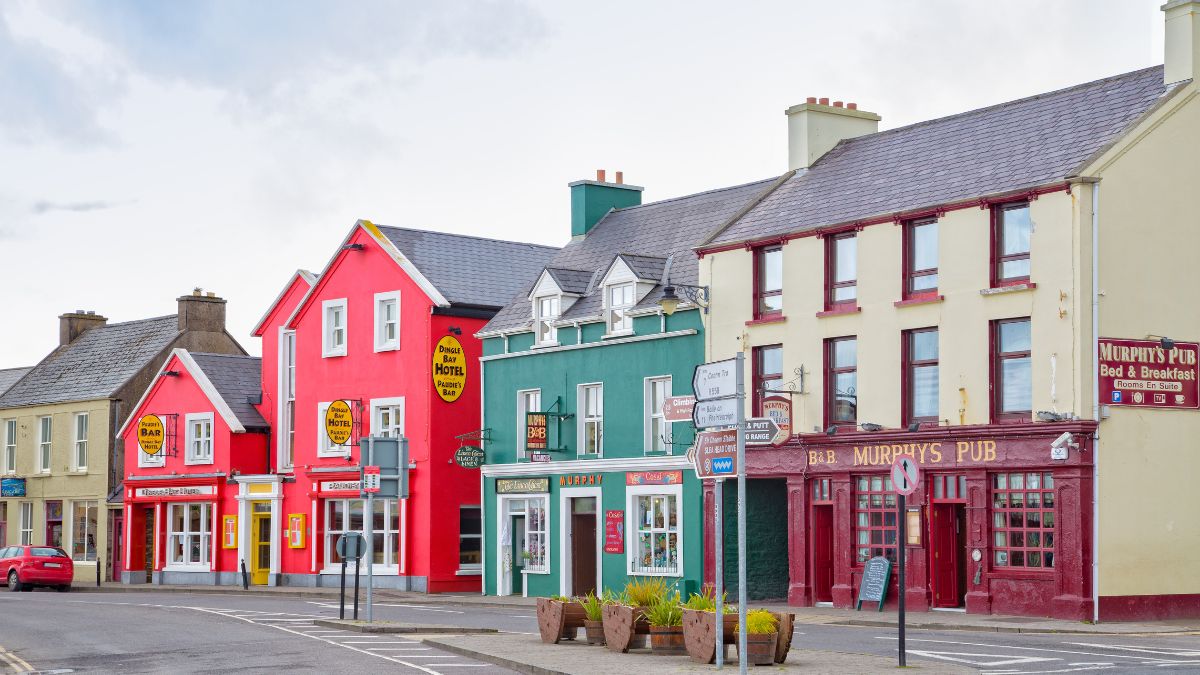
Budget accommodation in Ireland has genuinely improved over the last decade. Here’s the honest hierarchy:
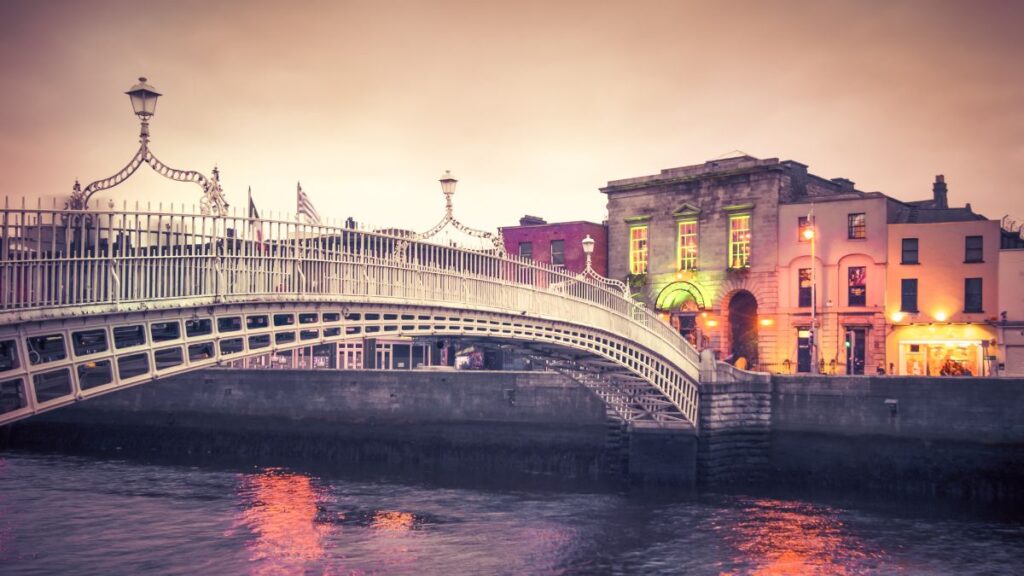
Hostels remain your cheapest bet in cities. Dublin’s hostel scene is lively and social, dorm beds in places like Generator Dublin or Kinlay House run €20-€35 a night depending on season. The quality is high, the locations central.
B&Bs outside city centres are often a better deal than you’d expect. A B&B 15 minutes from Galway city centre might charge €55-€70 for a double room with a full Irish breakfast included. That breakfast matters; it’ll keep you going until 2 or 3 pm without spending a cent.
Self-catering cottages make a lot of sense if you’re travelling as a group of three or four. Split between four people, a rural cottage in Clare or Kerry can work out to €20-€30 per person per night.
Camping and glamping have exploded in popularity. Many campsites along the Wild Atlantic Way charge €12-€18 per pitch, and some of the locations are genuinely spectacular, waking up to a view of Connemara with coffee on a camp stove is a memory worth more than any hotel room.
Getting around: The car vs. public transport debate

This is where budget travel in Ireland gets genuinely complicated, so let me be honest with you.
The case for public transport
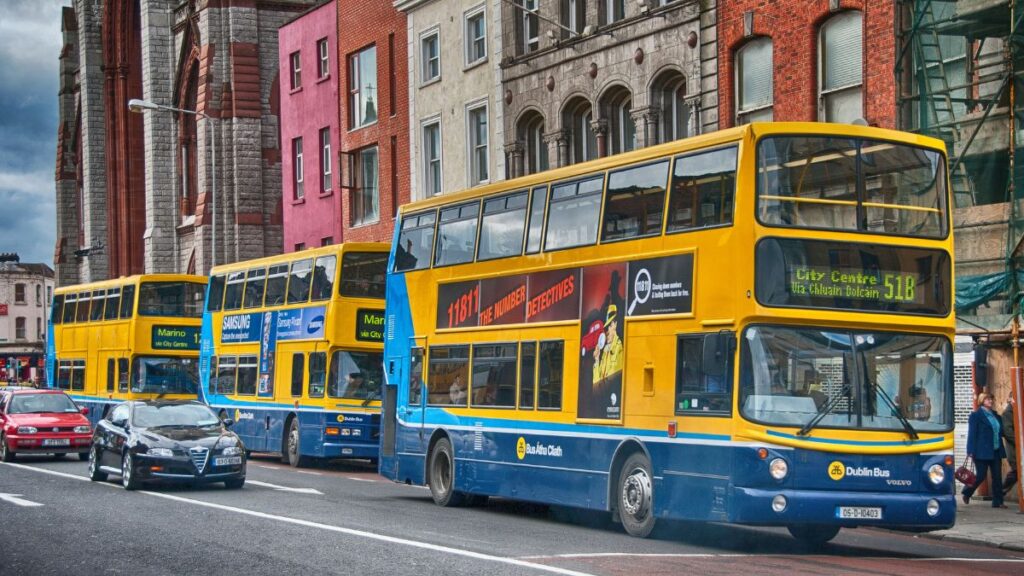
Ireland’s intercity bus network, primarily Bus Éireann and CityLink, is reliable and cheap. Dublin to Galway costs around €10-€15 return if booked ahead. Dublin to Cork can be done for a similar price. Trains are comfortable but pricier; buses are your budget friend.
Within cities, walking is usually your best option. Dublin, Cork, and Galway are all compact and walkable on foot.
The case for renting a car
Here’s the thing no budget guide likes to admit: for exploring rural Ireland, the Dingle Peninsula, Donegal, the Ring of Kerry, Connemara, a car is transformative. Public transport out there is sparse to non-existent. The good news is that car rental in Ireland, if you book smart, isn’t prohibitive. A compact car from a local rental company (try Europcar, Budget, or Hertz, but also check Sixt and local operators like GoCar for shorter hires) costs roughly €30-€60 per day in the shoulder season. Fuel in Ireland averages around €1.70-€1.85 per litre as of 2026.
One warning: many international travellers get caught out by the insurance excess, which can be €1,500-€2,500 with the cheapest rental options. Either buy the rental company’s excess waiver (adds €10-€20/day) or use a credit card that provides rental car excess insurance. Don’t skip this, it matters.
Split between two people, a rental car in Ireland is often cheaper than two bus tickets plus the trips you’d otherwise miss entirely.
Save money on transportation in Ireland
While renting a car offers flexibility, it can be one of the priciest ways to travel around Ireland, especially when you factor in fuel and insurance. Luckily, public transport offers a budget-friendly alternative.
- Bus and train services: Ireland’s public transport system is far from perfect, but it’s affordable and covers most major towns and cities. For budget travellers, Bus Éireann and Irish Rail offer comprehensive networks at reasonable fares. For intercity travel, buses tend to be cheaper than trains.
- Leap Card: In Dublin, invest in a Leap card, which offers discounted fares on buses, trams (Luas), and trains. It also makes travelling more convenient, as you avoid the hassle of exact change for tickets.
- iLink Card: In Belfast, invest in an iLink Smartcard, a convenient and affordable travel pass that offers unlimited bus and train journeys throughout Northern Ireland.
- Sunday Fun Day Tracker Ticket: Available in Northern Ireland, this ticket allows unlimited train travel on Sundays for £10, with children riding for half price. It’s a great option for exploring without a car.
Free and low-cost things to do: Ireland’s best things cost nothing

This is where Ireland actually punches above its weight for budget travellers.
Completely free:
- The Cliffs of Moher coastal walk (the actual cliffs path, the visitor centre charges admission, but you can walk the coastal path for free).
- Connemara National Park: hundreds of kilometres of marked trails, mountains, and blanket bog.
- The Giant’s Causeway (Northern Ireland): the natural site itself is free; the visitor centre costs £15 but is optional.
- Dublin’s coastline: the walk from Sandycove to Dalkey along the Forty Foot is one of the best urban coastal walks in Europe, and it’s completely free.
- The National Museum of Ireland: All four sites are free, including the archaeology museum with bog bodies and Iron Age gold.
- Street music and trad sessions in pubs: Most trad sessions in local pubs are free; you just buy a drink.
Low-cost experiences worth every cent:
- Hiking the Wicklow Way or sections of the Wild Atlantic Way walking route.
- Kayaking tours in West Cork (around €35-€45 for a 2-hour guided session).
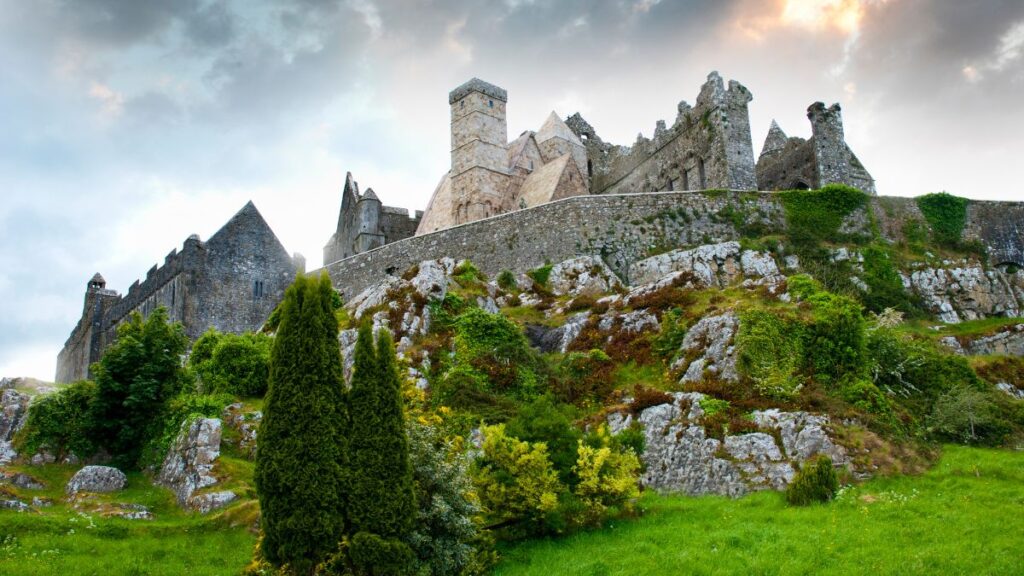
- Visiting heritage sites like Rock of Cashel (€8 adult admission, genuinely one of Ireland’s most dramatic sites).
Two travellers who got it right
Case study 1: Sarah and Mark, Dublin to Doolin in 5 days on €500 each
Sarah and Mark flew into Dublin on a Wednesday in late September, return flights from Manchester for €44 each. They spent two nights in a Dublin hostel (€28/night each), did the free museum circuit on day one, and took a walking food tour on day two (€28 per person, splurge, but worth it for orientation). They took the GoBus to Galway (€12), then a local bus to Doolin (€8), and rented a cottage with two friends for €60/night total. They walked to the Cliffs of Moher, visited the Burren, ate in the local village pub every night for under €20, and came home with a few euros left over. Total spend: €490 each over 5 nights.
Case study 2: Conor’s solo week in Kerry, €55/day average
Conor is a Dublin-based freelancer who’d never properly explored his own country. He rented a small car for 6 days (€38/day including insurance excess waiver), camped at a site near Killarney (€16/night), cooked most of his own meals, and spent his days driving the Ring of Kerry, hiking Torc Mountain, and wild swimming in Glenbeigh. He allowed himself one proper dinner out every other day. He described it as “the best week I’ve had in years”, his total spend came to just under €400 for the week, car included.
Other ways to save money on activities
- Online discounts: Booking tickets online in advance often comes with discounts. Many tourist attractions, including castles, parks, and museums, have cheaper online rates.
- Visitor passes: Consider purchasing the Heritage Card or Go City Pass Dublin. The Heritage Card grants free entry to over 40 historic sites across the country. The Go City Pass Dublin offers access to multiple Dublin attractions at a discounted rate. The Belfast Visitor Pass is another fantastic option for saving money in Belfast. It provides discounts at various attractions, tours, and restaurants.
- Free entry days: On the first Wednesday of every month, several OPW historic sites waive entry fees as part of “Free Wednesday”. Plan your visit around this to save big on popular attractions.
What to eat and drink: eating well without the guilt

Food in Ireland ranges from genuinely cheap to outrageously expensive, and the difference often comes down to where and when you eat rather than what.
Lunch is your friend. Many Irish restaurants offer lunch menus and early bird specials that are legitimately half the price of the same dishes at dinner. A two-course lunch in a good restaurant in Killarney or Westport might cost €14-€18. The same meal at dinner? €28-€35.
Supermarkets are underrated. Lidl, Aldi, and Tesco are everywhere, and Irish supermarket food is solid. A picnic on a clifftop beats a mediocre tourist café every time, costs a third of the price, and you’ll probably have a better view.
The pub question. Yes, pub prices in Ireland, especially Dublin, are high. A pint of Guinness in Dublin’s Temple Bar area runs €7-€8. But head 10 minutes away from the tourist trail and you’re paying €5.50-€6. If you love pubs (and Ireland’s pubs genuinely deserve their reputation), budget around €20-€30 per evening for drinks and still have a brilliant time.
Claim VAT refunds
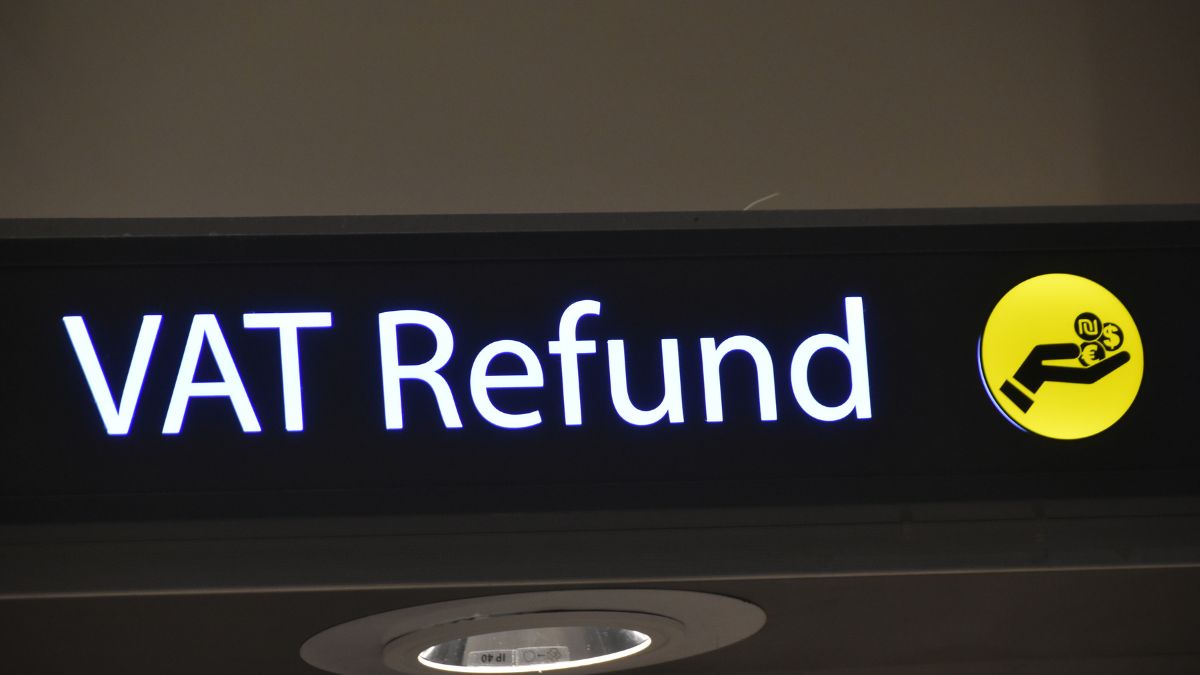
If you’re visiting Ireland from outside the EU, you may be eligible for a VAT refund on certain purchases. With the VAT rate in Ireland set at 23%, you can save a considerable amount on your shopping. Just make sure you keep your receipts and check which purchases qualify.
Conclusion
Ireland on a budget isn’t about scraping by or missing out; it’s about being intentional. The country’s most memorable experiences are the ones that cost the least: a conversation in a pub, a walk on a cliff path with the Atlantic below you, a clear morning on a mountain with no one else around. None of that costs anything.
Do your planning, book early, travel in shoulder season, and don’t be afraid to eat lunch like a local. You’ll come home richer in every sense of the word.
FAQs about Ireland on a budget
What is the cheapest month to travel to Ireland?
January and February are consistently the cheapest, with rock-bottom flight prices and significantly reduced accommodation rates. That said, if you want better weather without peak-season prices, late September and early October offer the best balance of affordability and usable daylight.
How much should you budget for a trip to Ireland?
A realistic daily budget for a solo backpacker is €60-€80, covering a hostel bed, food, transport, and a pint or two. Couples staying in B&Bs and being sensible about food can manage €90-€120 per day between them. If you’re renting a car and cooking some of your own meals, the car hire cost is mostly offset by savings on organised tours and restaurant meals.
What are some free things to do in Ireland?
Ireland has a surprising number of excellent free experiences. The National Museum of Ireland (all four Dublin sites), hiking in Connemara and Wicklow, the coastal walk along the Cliffs of Moher, live trad music sessions in local pubs, the beaches of West Cork, the Burren landscape, and most of Dublin’s Georgian architectural highlights, all completely free.
How many days in Ireland is enough?
Seven days is the sweet spot for a first visit, enough time to see Dublin properly and explore one rural region (the west, the southwest, or the northeast). Ten to fourteen days lets you take the island seriously without feeling rushed. Anything under four days, and you’ll spend more time in transit than actually experiencing the country.
What is the typical cost of car rental in Ireland?
In 2026, a compact car typically costs €30-€60 per day from mainstream rental companies, depending on season and booking lead time. Budget for an additional €10-€20/day if you want to reduce your excess liability. Always compare local Irish operators against the international chains; they’re sometimes significantly cheaper, particularly outside Dublin Airport. Fuel costs roughly €1.70-€1.85 per litre. For a week-long rental with full insurance cover, expect to pay €250-€400 total.
Slán go fóill (goodbye for now)!