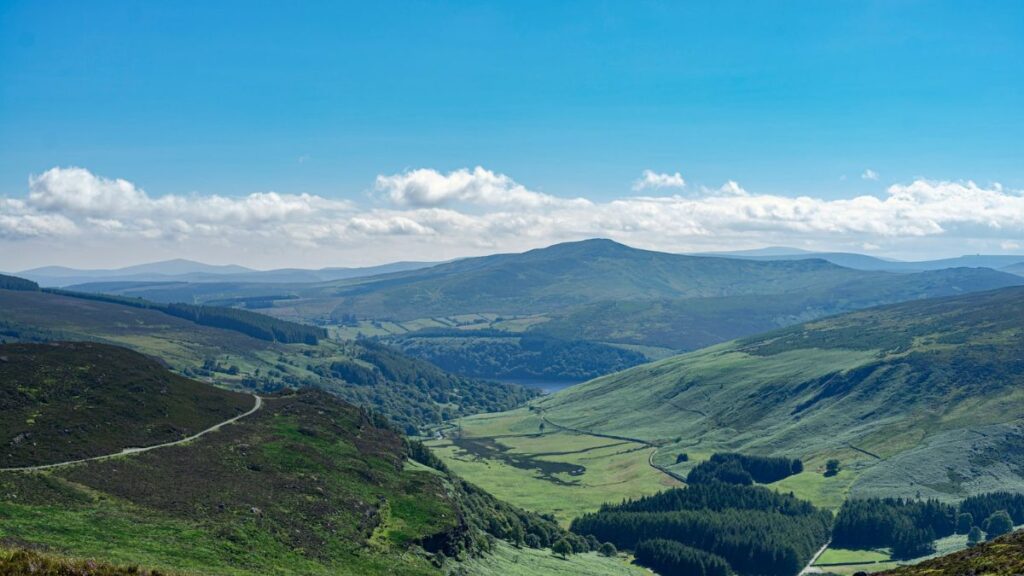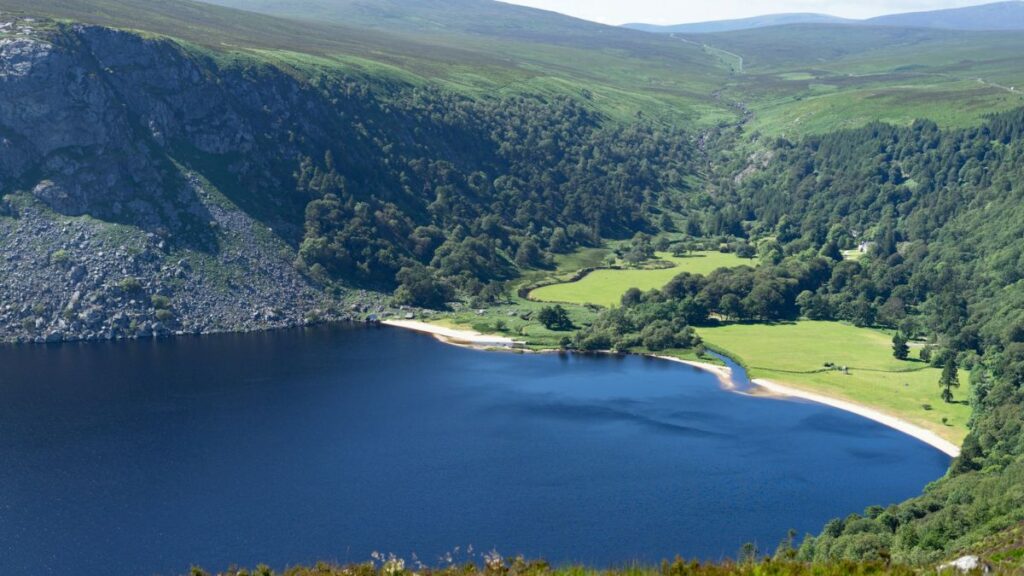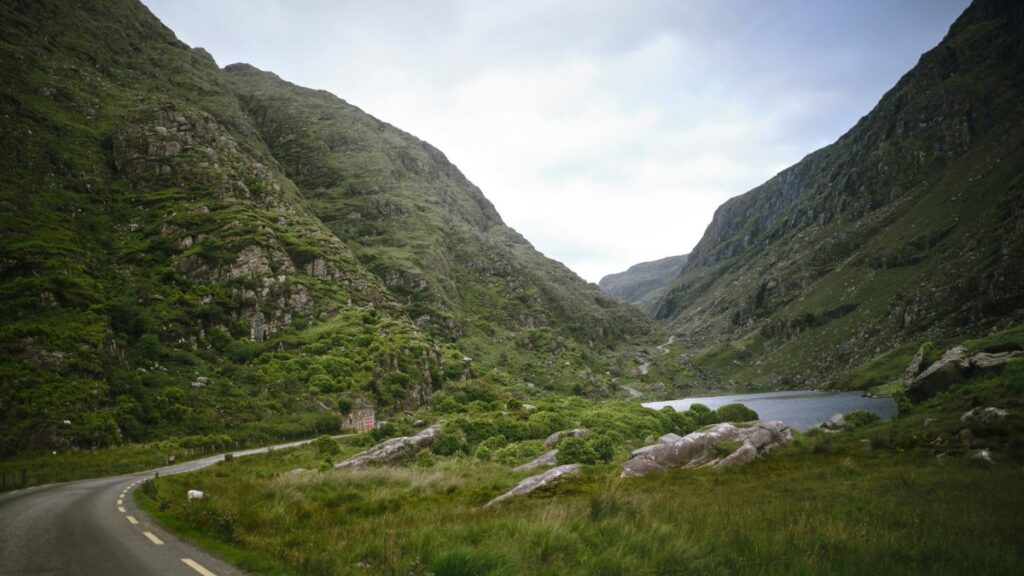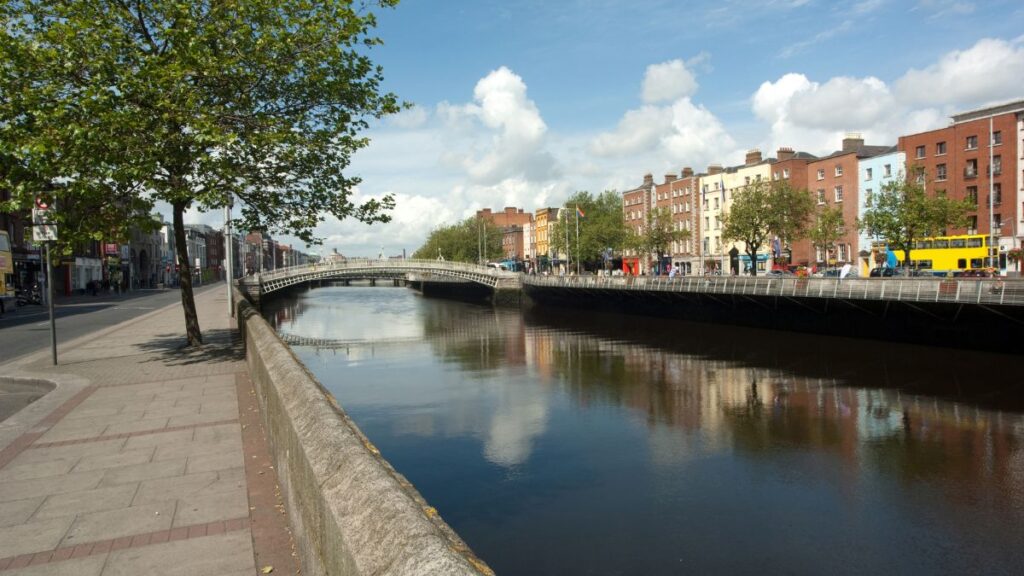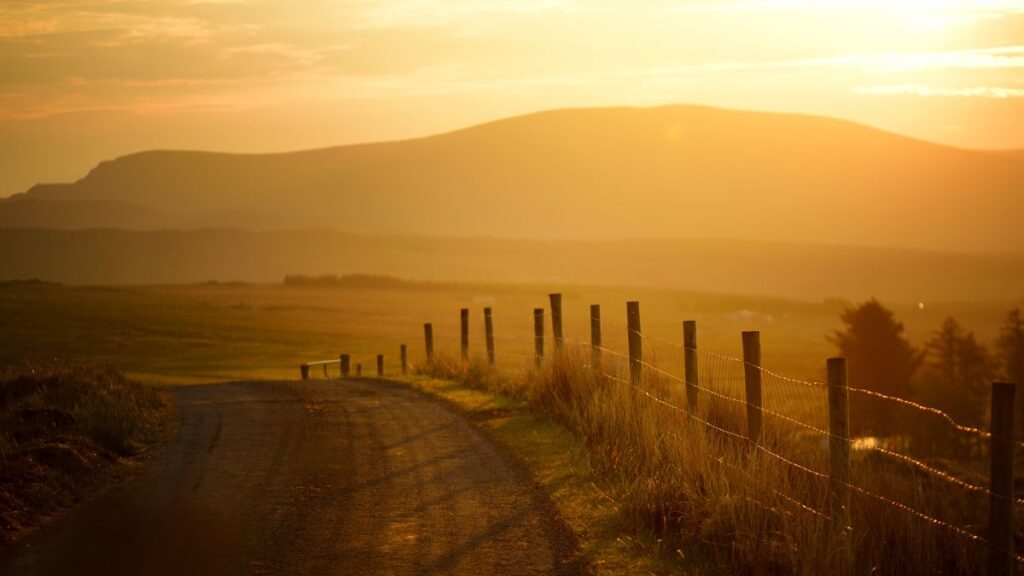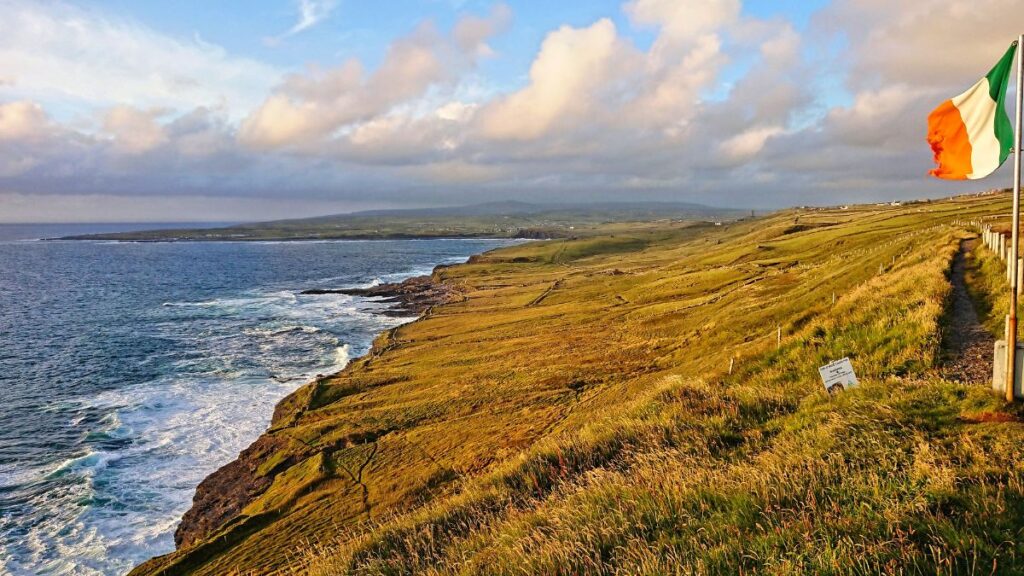


There’s a moment, somewhere between the second cup of tea and the third hour of driving along an Irish coastal road, when you genuinely forget that the rest of the world exists. That’s not marketing speak. It actually happens.
If you’re trying to figure out what the best scenic drives in Ireland are, here’s your short answer: the Wild Atlantic Way, the Ring of Kerry, the Causeway Coastal Route, the Dingle Peninsula, the Burren Scenic Drive, and the Connemara Loop. Any one of these would be worth crossing an ocean for. All six together? That’s the road trip of a lifetime.
But let’s go deeper than a list. Because each of these routes has its own personality, its own rhythm, and its own kind of beauty. Whether you’re planning a trip to Ireland for the first time or coming back for more, this guide will help you figure out which drives suit you best and how to actually enjoy them without stress.
Why scenic drives in Ireland hit differently
Ireland is a small island. You can drive coast to coast in a few hours. But the roads here don’t reward speed. They reward attention.
You’ll find yourself stopping constantly because of a ruined castle on a hillside, a herd of sheep blocking the lane, and a pub that looks like it hasn’t changed since 1972. That’s not an inconvenience. That’s the whole point.
The country’s landscape shifts remarkably fast, too. One hour, you’re driving through lush, green farmland. The next time you’re on a clifftop with nothing between you and America but about 3,000 miles of Atlantic Ocean. It’s disorienting in the best possible way.
And before you set off, it’s worth reading up on driving in Ireland first. The roads, particularly in the west, can be narrow, winding, and occasionally shared with livestock. A little preparation goes a long way.
1. Wild Atlantic Way

- Distance: Approx. 2,500 km (1,500 miles).
- Best for: The full Irish experience, multiple weeks.
- Highlights: Cliffs of Moher, Slieve League, Achill Island, Malin Head.
The Wild Atlantic Way is, by any measure, one of the longest defined coastal routes in the world. It stretches from Malin Head in County Donegal all the way down to Kinsale in County Cork. Driving the whole thing properly takes at least two weeks, though most people do sections of it.
What makes it extraordinary isn’t any single viewpoint, it’s the accumulation. Day after day of Atlantic coastline, each stretch is subtly different from the last. The Cliffs of Moher in Clare are the postcard shot, but honestly, Slieve League in Donegal is taller and far less crowded. Achill Island feels wild and windswept in a way that somehow still feels welcoming.
A tip from experience: don’t try to rush this one. I’ve spoken to travellers who gave themselves four days for the Wild Atlantic Way and spent the whole time stressed about making their next stop. Give it at least a week for the southern and western sections, and more if you can.
2. Ring of Kerry

- Distance: Approx. 179 km (111 miles).
- Best for: First-time visitors, one-day drive with stops.
- Highlights: Ladies View, Moll’s Gap, Skellig Ring, Kenmare.
The Ring of Kerry is probably the most famous of all the scenic drives in Ireland, and yes, it can get busy in summer. But calling it overrated is unfair. The crowds exist for a reason.
The route circles the Iveragh Peninsula in County Kerry, looping through some genuinely spectacular mountain and coastal scenery. Ladies View, named because Queen Victoria’s ladies-in-waiting were reportedly stunned by it, offers one of those panoramas that makes you understand why people used to write poetry about landscape. You still might.
A practical note: most tour buses travel clockwise. If you’re driving yourself, go anti-clockwise. You’ll have a clearer view of the road on the narrow cliff sections, and you’ll be pulling into layby viewpoints rather than having to cut across traffic.
The Skellig Ring is a quieter offshoot that leads toward the coast facing Skellig Michael, the jagged rock-island monastery made famous by a certain space opera. Even if you’re not a film fan, the views from the mainland are extraordinary.
3. Causeway Coastal Route
- Distance: Approx. 195 km (120 miles).
- Best for: Dramatic geology, Game of Thrones fans, day trips from Belfast.
- Highlights: Giant’s Causeway, Carrick-a-Rede Rope Bridge, Dark Hedges, Dunluce Castle.
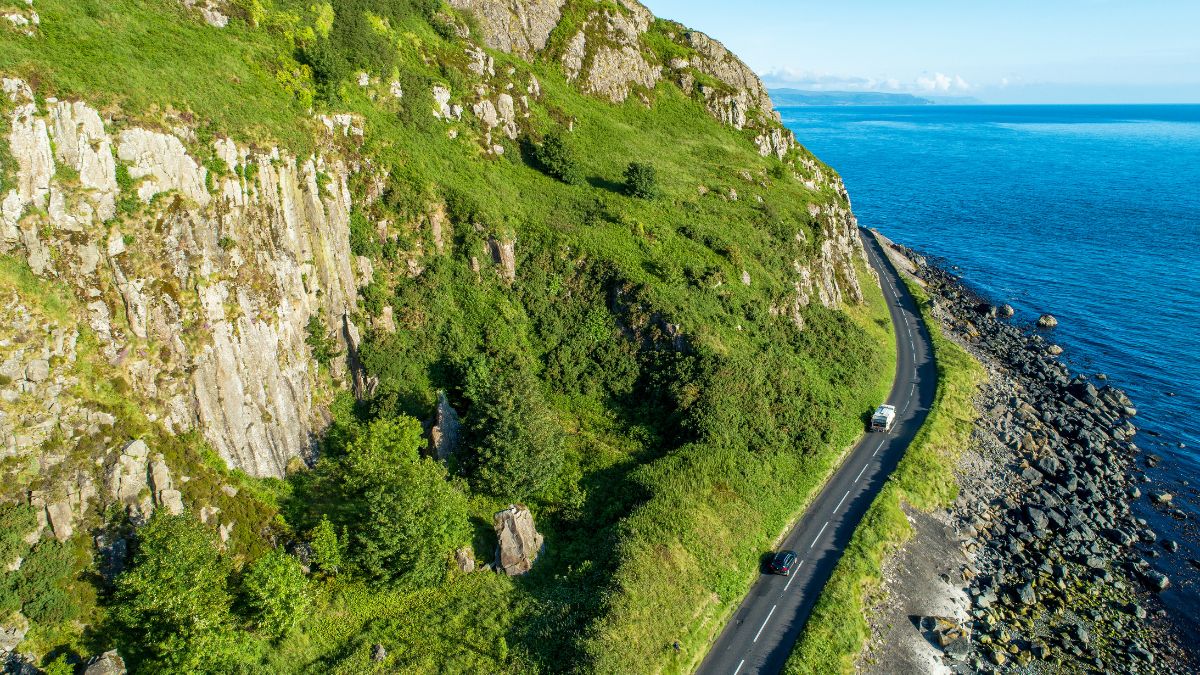
This is technically in Northern Ireland, which means pounds sterling, not euros, and it’s worth noting for planning a trip to Ireland that you can cross the border with no issues whatsoever. The Causeway Coastal Route runs from Belfast to Derry along the Antrim coast, and it is, in a word, dramatic.
The Giant’s Causeway is the centrepiece: around 40,000 basalt columns formed by volcanic activity about 60 million years ago. The local legend says it was built by the giant Fionn mac Cumhaill to walk to Scotland. Standing among those geometric columns on a grey Atlantic morning, the legend feels more plausible than the geology.
The Carrick-a-Rede Rope Bridge, strung above a 30-metre drop, is terrifying and wonderful in equal measure. Book ahead in summer. Dunluce Castle, perched on a cliff edge with sections literally fallen into the sea, is the kind of ruin that makes you question why anyone thought that was a good location for a castle, and then immediately understand exactly why they chose it.
4. Dingle Peninsula

- Distance: Approx. 50 km loop from Dingle town.
- Best for: A quieter alternative to the Ring of Kerry, photography, and coastal villages.
- Highlights: Slea Head, Dunmore Head, Blasket Islands view, Ventry Beach.
The Dingle Peninsula sits just north of the Ring of Kerry and draws a fraction of the traffic, which is baffling given how beautiful it is. Maybe it’s because Dingle town is slightly harder to reach. Whatever the reason, count it as a gift.
The Slea Head Drive is the core of it: a narrow coastal loop that hugs the edge of the peninsula with views out to the Blasket Islands, a cluster of islands abandoned in 1953 after the last remaining residents asked to be evacuated to the mainland. The ruins of their cottages are still visible on the Great Blasket. It’s haunting and lovely.
My own experience of this route was on a wet Tuesday in October, with mist sitting low on the hills and almost nobody else on the road. The light through the clouds over the islands was the kind of thing you don’t forget. There’s something about the Dingle Peninsula in off-season that feels deeply, quietly Irish in a way that the busier routes can’t quite match.
The road around Dunmore Head, the westernmost point of mainland Ireland and the EU, is also exceptionally narrow. Take it slow, enjoy it.
5. The Burren Scenic Drive

- Distance: Approx. 60 km through the main Burren area.
- Best for: Something completely different, geology lovers, and the wildflower season.
- Highlights: Poulnabrone Dolmen, Mullaghmore Mountain, Ballyvaughan village, Caher Valley.
Most of Ireland is green. The Burren is not. This limestone plateau in County Clare looks like the surface of the moon, a vast grey expanse of karst rock cracked into slabs and pavements, with plants growing out of every crevice. Arctic, Mediterranean and alpine wildflowers grow side by side here in a botanical combination found nowhere else in Europe.
It’s genuinely unlike anywhere else in Ireland, and because it doesn’t fit neatly into the “rolling green hills” postcard version of the country, it gets overlooked. Don’t make that mistake.
The Poulnabrone Dolmen, a Neolithic portal tomb dating back around 5,500 years, sits exposed in the middle of the limestone plain. Early morning, before the tour buses arrive, you’ll almost certainly have it to yourself. That’s worth setting an early alarm for.
A couple I met in a Ballyvaughan B&B told me they’d almost skipped the Burren entirely because it wasn’t on their original itinerary. They ended up staying two extra nights. That kind of thing happens in the Burren.
6. Connemara Loop

- Distance: Approx. 130 km loop from Galway.
- Best for: Wild scenery, bogs and mountains, a proper sense of remoteness.
- Highlights: Kylemore Abbey, Killary Harbour, Sky Road, Connemara National Park.
Connemara is the Ireland of your imagination made real, if your imagination tends toward the dramatic and slightly melancholy end of the spectrum. Which, honestly, is the best end.
The landscape is a mix of bogland, quartzite mountains, lake-dotted moorland and Atlantic inlets. The light here is constantly changing, constantly extraordinary. On a clear day, the Twelve Bens mountain range reflects in the lakes below it and looks almost unreal. On a cloudy day, the bog turns silver, and the whole place takes on a quality that’s somewhere between beautiful and bleak in a way that sticks with you.
Kylemore Abbey, a neo-Gothic castle on the shore of a lake, is the obligatory stop and genuinely deserves the hype. Killary Harbour, Ireland’s only true fjord, is best viewed from the road above it. The Sky Road loop just outside Clifden is a short but spectacular detour with views back across Clifden Bay.
If you’re based in Galway, you can do this as a day trip. But an overnight in or around Clifden lets you see the evening and morning light, which is when Connemara really shows off.
How to approach these routes practically
A few things worth knowing before you go:
- Rent a smaller car. On the narrow roads of the west, anything wider than a typical compact becomes genuinely stressful.
- Drive on the left. This is obvious but worth a moment of mental preparation if you’re from North America or mainland Europe.
- Petrol stations thin out. Fill up in towns. Don’t assume the next village will have one.
- Signal coverage drops. Download offline maps (Google Maps or Maps.me both work well) before heading into remote areas.
- Allow twice as long as the map suggests. Every route listed here will tempt you to stop far more often than you plan to.
For more on getting around safely and confidently, the full guide on driving in Ireland covers everything from roundabout etiquette to what to do when a tractor is blocking a single-track road.
Conclusion
Ireland’s scenic drives are not a niche interest for road trip enthusiasts. They’re the best way to actually see the country. The landscapes here don’t reveal themselves from a coach window or a hotel terrace. You have to go to them, slowly, on roads that occasionally require reversing to let a sheep pass.
Whether you pick one route or try to stitch several together, you’ll find that the drives listed here each offer something genuinely different: the epic scale of the Wild Atlantic Way, the classical beauty of the Ring of Kerry, the geological drama of the Causeway Coast, the quiet intimacy of Dingle, the otherworldly character of the Burren, and the wild, open remoteness of Connemara.
Start planning a trip to Ireland and build the drive around what you want to feel, not just what you want to see. Ireland’s roads will handle the rest.
FAQ: your questions about scenic drives in Ireland, answered
What is the most scenic drive in Ireland?
This is genuinely contested, and the honest answer is that it depends on what kind of scenery moves you. If sheer scale and variety win, the Wild Atlantic Way is the most scenic drive in Ireland by volume. But for a single, concentrated loop of extraordinary beauty, most people who’ve driven both would give the edge to the Dingle Peninsula for its combination of coastal drama, village character and relative quiet. The Ring of Kerry is the most famous, but the Dingle Peninsula is often the one people remember longest.
Which part of Ireland is the most scenic?
The west coast is almost universally considered the most scenic part of Ireland. Counties Kerry, Clare, Galway, Mayo and Donegal all have strong cases. Clare has the Cliffs of Moher and the Burren. Kerry has the Ring of Kerry and Dingle. Galway has Connemara. Mayo has Achill Island and the roads around Westport. Donegal is arguably the most spectacular of all and the least visited. If you have to pick one county for pure, uncrowded scenery, Donegal is a genuine dark horse.
What is the best road trip in Ireland?
The best road trip in Ireland depends on your timeframe. For a week, a loop through Kerry and Clare covering the Ring of Kerry, Dingle, and the Burren is unbeatable and very manageable. For two weeks, you can extend that north through Connemara, Mayo, and into Donegal along the Wild Atlantic Way. For a shorter trip of three or four days, the Causeway Coastal Route, combined with a night or two in Belfast, gives you dramatic scenery with a city base.
What are the five great roads of Ireland?
The five great roads of ancient Ireland, known in old Irish as the Slighe, were historic routes that radiated out from the Hill of Tara in County Meath: the Slighe Mhór (Great Western Road), Slighe Chualann (southeast toward Wicklow), Slighe Mór (northwest), Slighe Dála (southwest toward Munster), and Slighe Assail (going west into Connacht). These were the main arteries of pre-Norman Ireland, used for trade, armies and pilgrimage. Today, the phrase is sometimes used more loosely to refer to Ireland’s key modern driving routes, which would typically include the Wild Atlantic Way, the Ring of Kerry, the Causeway Coastal Route, the Midlands Lakeland Way, and the Ancient East route.
Where is the prettiest place to go in Ireland?
Prettiness is subjective, but a few places keep coming up in any serious conversation about this. The Cliffs of Moher in County Clare are probably the single most photographed location. Killarney National Park in Kerry, particularly the area around Muckross Lake and Ladies View, is consistently stunning. The village of Kinsale in Cork is frequently called the prettiest town in Ireland. For sheer wild beauty, the Slieve League sea cliffs in Donegal, which are three times the height of the Cliffs of Moher and far quieter, deserve far more attention than they get.