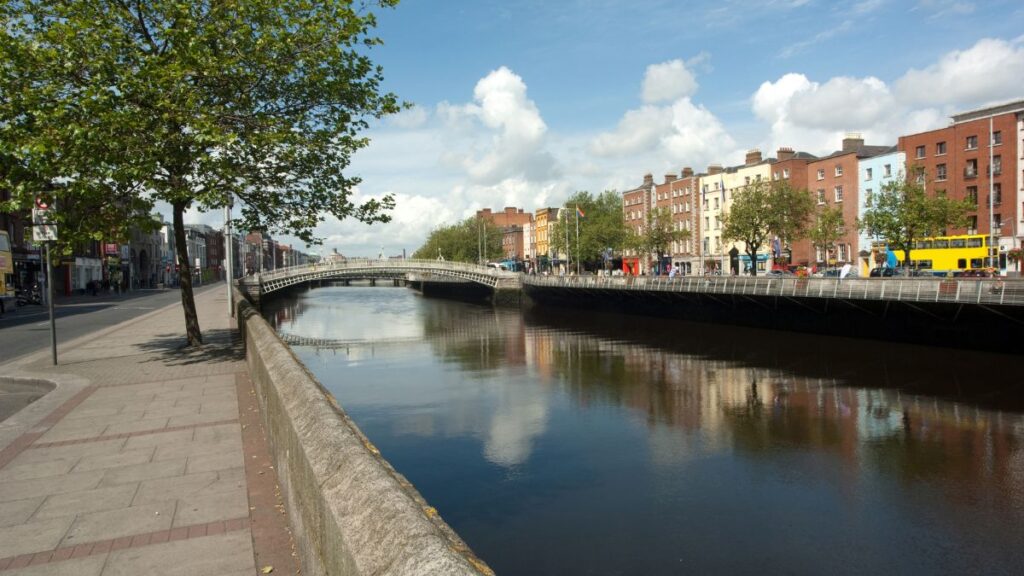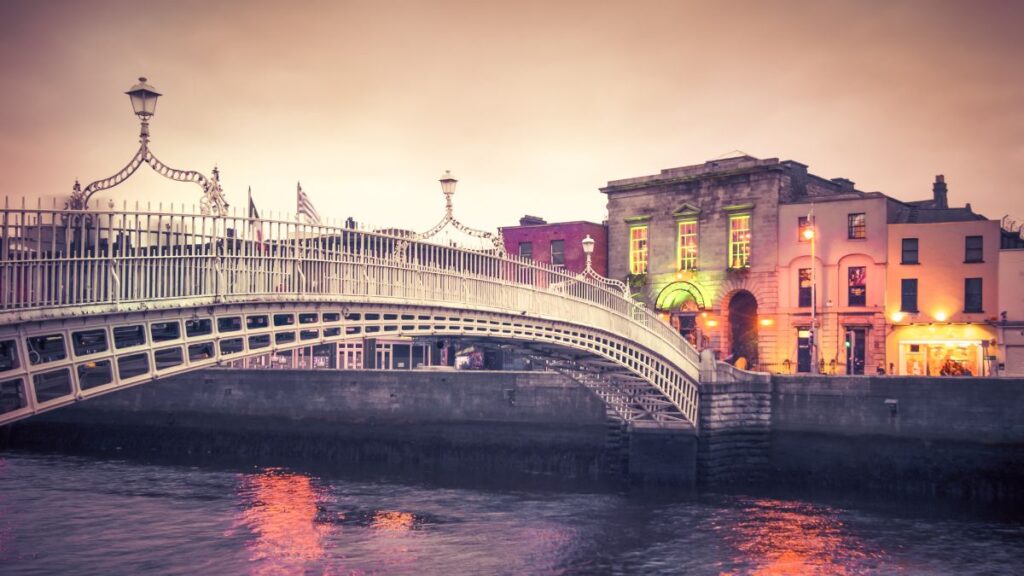


Let me guess: you’ve booked flights to Dublin (or Belfast, or both), you’re picturing the Cliffs of Moher and a pint of Guinness in some centuries-old pub, and now someone’s asked, “Wait, did you sort travel insurance?” and you’re not quite sure what the right answer is.
You’re not alone. Ireland is one of those destinations where the answer to the travel insurance question is genuinely a bit nuanced, which means a lot of people get it wrong in one direction or the other. Either they skip it entirely because Ireland feels “safe enough,” or they spend 20 minutes confused about EHIC cards, GHIC cards, the NHS, the HSE, Northern Ireland versus the Republic, and whether any of it matters.
So let’s sort this out properly.
Do I need travel insurance for Ireland?
Here’s the short answer: travel insurance for Ireland is not legally required, but it is strongly recommended for any visitor, regardless of where you’re travelling from.
There’s no government mandate that you must have a policy to enter the Republic of Ireland or Northern Ireland. But “not required” and “not needed” are very different things. Healthcare in Ireland is not free for tourists; costs can escalate quickly if something goes wrong, and a standard policy costs a fraction of what a single GP visit or cancelled flight would set you back.
The real question isn’t whether you’re legally obligated. It’s whether you’re willing to absorb those costs yourself if things don’t go to plan.
The Republic of Ireland vs. Northern Ireland: why the difference matters
This is where a lot of travellers get tripped up. Ireland is a single island, but it contains two separate countries with very different healthcare systems, and your insurance situation depends on which one you’re visiting.
The Republic of Ireland is an independent EU member state. It has its own healthcare system (the HSE) and uses the euro. Tourists are not automatically entitled to free care, and even those with EU or UK health cards will find that coverage has limits.
Northern Ireland is part of the United Kingdom. If you’re a UK resident visiting Belfast or the Causeway Coast, you have full access to NHS services, just as you would in England or Scotland. That said, travel insurance for Northern Ireland is still worthwhile, because the NHS doesn’t cover trip cancellations, lost luggage, or the costs of getting you home in a hurry if something serious happens.
If you’re doing what many visitors do, crossing freely between the two (there’s no hard border on the island), you need a policy that covers both. Most standard European or UK travel insurance policies do this without any issue, but it’s worth double-checking before you buy.
What about GHIC and EHIC cards? Do they replace travel insurance?

If you’re a UK resident, your Global Health Insurance Card (GHIC) entitles you to access state healthcare in the Republic of Ireland at the same rates as an Irish resident. If you still have a valid European Health Insurance Card (EHIC), that works too.
If you’re travelling from an EU country, your EHIC gives you similar entitlements.
These cards are genuinely useful, and you should absolutely bring one. But here’s what they don’t cover:
- Medical repatriation: If you need to be flown home on medical grounds, a GHIC or EHIC won’t cover it. Air ambulances and medical repatriation flights can cost tens of thousands of euros.
- Private treatment: If you choose (or are taken to) a private hospital, the card doesn’t apply.
- Trip cancellation or curtailment: If you have to cancel before you go or cut your trip short, these cards offer zero protection.
- Lost or stolen belongings: Luggage, cameras, passports, nothing like this is covered.
- Travel delays: No help here either.
Think of the GHIC as a safety net for your GP visit. Think of travel insurance as the safety net for everything else.
A GP consultation in the Republic of Ireland typically costs between €45 and €70, even with a GHIC, because some services still charge at the resident rate. A walk-in to an A&E department without a GP referral will cost you €100 upfront. Without any health card at all, you’re looking at full private rates, which can be substantially higher.
Real-world example: what happened to Sarah in Galway
A friend of mine, Sarah, went to Galway for a long weekend last autumn. She’s British, she had her GHIC, and she thought that was probably enough coverage for a four-day trip.
On her second day, she slipped on wet cobblestones near Quay Street and badly sprained her ankle. She went to the University Hospital Galway emergency department. The GHIC meant she was treated at the public rate, which was helpful. But her return flight was the next morning, and the hospital advised her not to fly for at least 48 hours. She had to book two extra nights of accommodation at short notice, rebook a later flight, and arrange transport from the airport.
Because she didn’t have travel insurance, every one of those extra costs came out of her own pocket. The total came to just over £600. A comprehensive travel insurance policy for her trip would have cost around £18.
She now has annual travel insurance. The lesson, she says, was not that Ireland is dangerous, it absolutely isn’t, but that things you don’t plan for are exactly the things insurance exists for.
What should good travel insurance for Ireland actually cover?

When you’re comparing policies, here are the key things to look for:
- Medical expenses: Look for at least €30,000 in medical cover. This isn’t an official Irish requirement, but it’s the practical minimum to cover serious emergencies, including potential repatriation costs.
- Medical repatriation: Non-negotiable. This should be included as standard.
- Trip cancellation and curtailment: Covers you if you have to cancel before departure or cut your trip short due to illness, bereavement, or other covered reasons.
- Baggage and personal belongings: Standard cover for lost, stolen, or damaged luggage.
- Travel delays: Compensation if your flights are significantly delayed.
- Activity cover: Planning to hike the Wild Atlantic Way, cycle, or go horse riding? Make sure your activities are covered. Some policies exclude adventure sports unless you add them on.
- Pre-existing medical conditions: Always declare these. A policy that excludes a known condition isn’t worth the paper it’s printed on if that condition flares up while you’re away.
Travel insurance for Northern Ireland: is it different?
If you’re a UK resident visiting Belfast, the Causeway Coast, or the Giant’s Causeway, you’re technically still in the UK. That means you have full NHS access. However, travel insurance for Northern Ireland still makes sense for non-medical reasons.
Flight cancellations, delayed ferries, hotel issues, and lost belongings happen regardless of which healthcare system applies. If you’re coming from outside the UK, you’ll want a policy that covers Northern Ireland as part of the UK, and most European travel insurance policies do this without any distinction.
For international visitors (particularly those from the US, Canada, or Australia), there’s an important point: your home country’s health insurance is very unlikely to cover you in Ireland, either North or South. American health insurance, in particular, seldom applies outside the US. This makes travel insurance not just sensible but practically essential.
Real-world example: the cancelled ferry from Dublin to Holyhead
One of our team members had a family trip to Ireland a couple of years ago, crossing by ferry from Dublin to Holyhead on the return leg. Their sailing was cancelled due to severe weather, which left them stranded in Dublin for an unplanned extra night with two children in tow.
Their travel insurer covered the cost of the hotel and meals, and also covered the rebooking fees for the later ferry. The total claimed was just over €280. Without insurance, it would have been an irritating, expensive evening. With it, it was just a mildly inconvenient detour.
A quick note on activities and adventure sports

Ireland isn’t just pubs and scenery. A lot of people go for the coastal walks, the surfing in Bundoran, the kayaking in Kerry, or horse trekking in Connemara. Standard travel policies often exclude adventure sports or define them loosely. Before you go, read the small print on your policy and add any relevant activity cover if needed.
If you’re planning any outdoor activities, particularly anything involving heights (sea cliffs are stunning but unforgiving), check your policy explicitly.
Conclusion
Travel insurance for Ireland isn’t a legal hoop to jump through. It’s practical protection for a trip that, like any trip, can throw unexpected things at you. A €100 A&E visit is manageable. A €10,000 medical repatriation flight is not.
Whether you’re heading to the Republic, Northern Ireland, or both, the right policy gives you the freedom to enjoy one of the world’s most genuinely welcoming destinations without constantly calculating “but what if?”
Get a policy that includes solid medical cover (aim for at least €30,000), repatriation, trip cancellation, and baggage. Bring your GHIC or EHIC alongside it. And then go have a brilliant time. You’ve earned it.
Frequently asked questions
Do I need travel insurance for Ireland?
No, it’s not legally required to enter Ireland. However, it’s strongly recommended. Healthcare for tourists in the Republic of Ireland is not free; GP consultations typically cost €45 to €70, and A&E visits cost €100 without a GP referral. More importantly, your GHIC or EHIC won’t cover medical repatriation, trip cancellations, or lost luggage. A standard travel policy is relatively inexpensive and covers all of these gaps.
Will travel insurance cover kidney stones?
This depends on your specific policy and whether kidney stones are a pre-existing condition for you. If you’ve had kidney stones before and didn’t declare them when you bought your policy, treatment may not be covered. If it’s a new, unexpected medical event during your trip, most comprehensive travel insurance policies will cover the cost of diagnosis, treatment, and, if necessary, repatriation. Always read your policy wording carefully and declare any relevant medical history when purchasing cover.
What happens if I get sick in Ireland?
For minor illnesses, visit a local GP (expect to pay €45 to €70) or a pharmacy. For urgent but non-life-threatening problems, find an injury unit, where the charge is €75 without a referral. For genuine emergencies, call 999 or 112 and go to the nearest A&E department. UK residents should bring their GHIC or EHIC, which gives access to state healthcare at resident rates in the Republic. In Northern Ireland, NHS services apply to UK residents. If you have travel insurance, contact your insurer’s 24-hour emergency line as soon as possible, as they can often assist with finding appropriate care and arranging direct payment to the hospital.
How do I see a doctor in Ireland as a tourist?
In the Republic of Ireland, use the HSE’s online GP finder (hse.ie) to locate a practice near you. Most GPs accept private patients, but you’ll pay per consultation. Pharmacies are also a good first port of call for minor issues and are widely available across the country. In Northern Ireland, walk-in GP services and out-of-hours centres operate similarly to the rest of the UK. If you’re unsure, your travel insurance company’s emergency assistance line can help direct you to the most appropriate and cost-effective care option.
Is Northern Ireland covered by the same travel insurance as the Republic of Ireland?
In most cases, yes. Most UK-issued European travel insurance policies cover both Northern Ireland (as part of the UK) and the Republic of Ireland (as an EU destination) under a single policy. If you’re travelling from outside the UK, check your policy’s geographical coverage. Some non-UK insurers categorise Northern Ireland differently from the Republic, so it’s worth confirming before you go. If you’re doing the classic trip that crosses freely between the two, look for a policy that clearly covers both destinations.
This article is for informational purposes only and does not constitute financial or insurance advice. Policy terms vary between providers. Always read your policy documents carefully before purchasing.