

Ireland has a reputation for knowing how to throw a party. And honestly? It’s well deserved.
If you’re planning a trip and wondering what the top festivals in Ireland are, here’s the short answer: St. Patrick’s Festival (Dublin), Galway International Arts Festival, Fleadh Cheoil na hÉireann, Electric Picnic, Puck Fair (Killorglin), the Lisdoonvarna Matchmaking Festival, Cork Jazz Festival, and Wexford Festival Opera. These eight events cover everything from traditional music to avant-garde theatre to matchmaking, and they’re scattered across the calendar so there’s almost always something worth timing your visit around.
But let me go deeper than just a list. I want to tell you what these festivals actually feel like, what’s worth knowing before you go, and which ones are genuinely unmissable versus which ones are more niche. Because not every festival is for every traveller, and that’s okay.
The top festivals in Ireland, broken down
1. St. Patrick’s Festival (Dublin)
- When: March.
- Where: Dublin city centre.
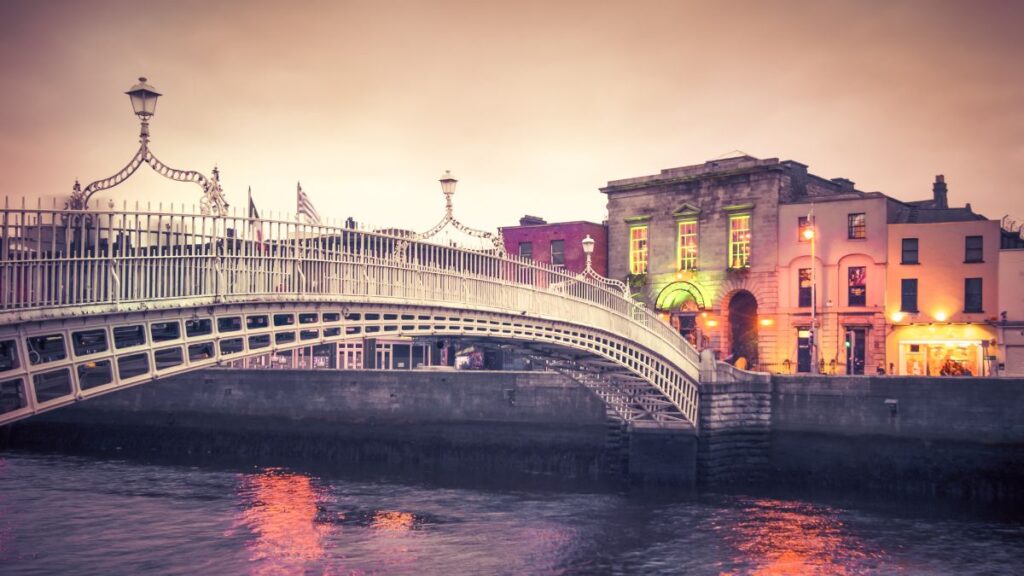
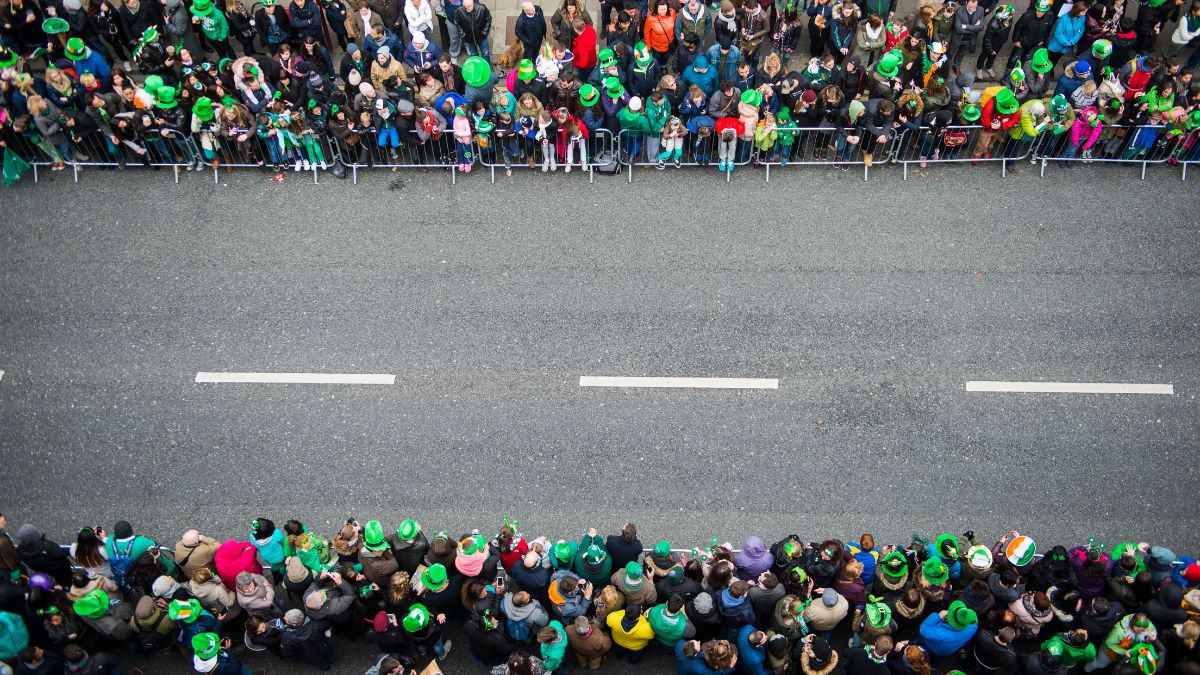
Most people assume St. Patrick’s Day is just a parade. And yes, the parade is spectacular, especially the international parade through the heart of Dublin. But St. Patrick’s Festival has grown into a multi-day cultural event with live music, outdoor performances, céilís, spectacles, and a packed programme that stretches well beyond the 17th.
I spoke to a reader, Sinéad from Cork, who visited Dublin for the festival for the first time a few years back. She said she expected a tourist trap and found something completely different: “The atmosphere on the night before was honestly the best part. We ended up in a tiny pub in the Liberties watching a trad session that lasted until 2 am. Nobody was putting on a show for us; they were just playing.”
That’s the thing about St. Patrick’s Festival done right. If you stay within the tourist bubble, you’ll have a fine time. But if you drift a little off the main drag, you’ll find something real.
Practical tip: Book Dublin accommodation at least 3-4 months ahead. The city fills up quickly, and prices spike significantly around the 17th.
2. Galway International Arts Festival (Galway)
- When: Late July (usually the last two weeks).
- Where: Galway city.
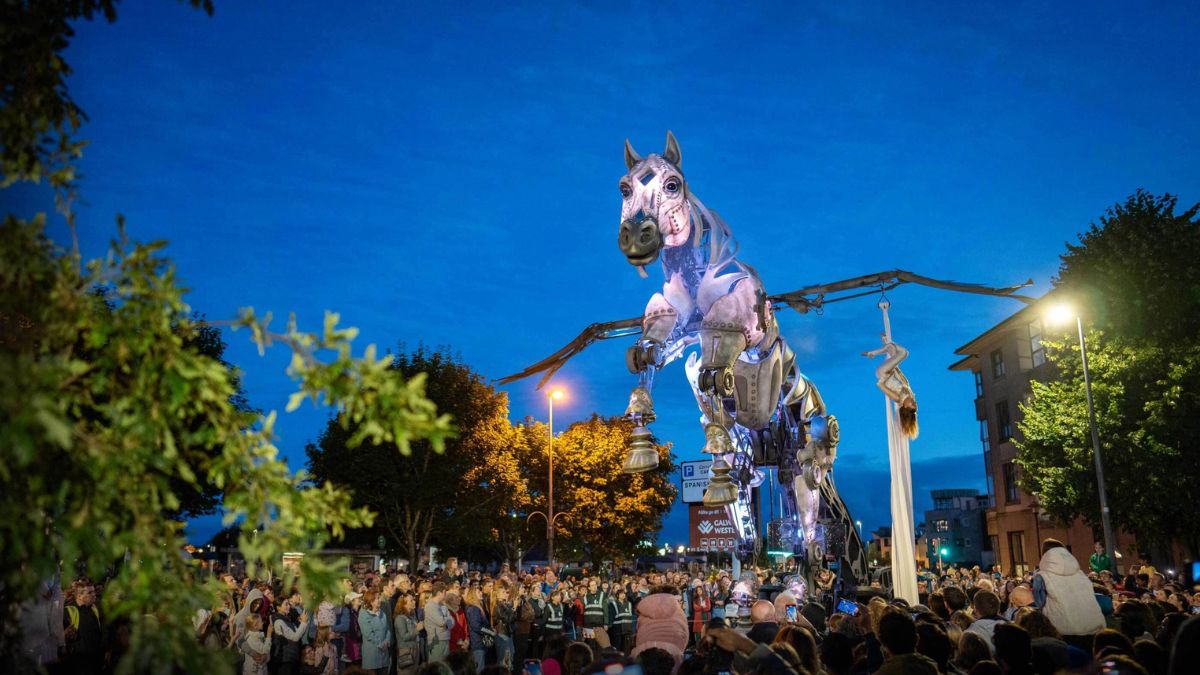
This one genuinely surprises people. Galway International Arts Festival (GIAF) is not a folk music session by a stone wall. It’s one of the most forward-thinking arts festivals in Europe, pulling in world-class theatre, visual art installations, street spectacle, dance, and music across two weeks every July.
The Big Top venue alone, a temporary concert space on the docks, has hosted acts ranging from Nick Cave to Bonnie Raitt to Rodrigo y Gabriela. And the street performances during the festival turn Galway into something closer to a living art installation than a tourist destination.
If you’ve been thinking about visiting Galway anyway, July is arguably the best time to go. The city is buzzing, the weather is (sometimes) on your side, and the energy is hard to find anywhere else.
Practical tip: Some events are free, and ticketed events sell out quickly. Check the programme as soon as it drops, usually in spring, and buy early for the Big Top shows.
3. Fleadh Cheoil na hÉireann (Various Locations)
- When: Late August.
- Where: Rotates between towns.
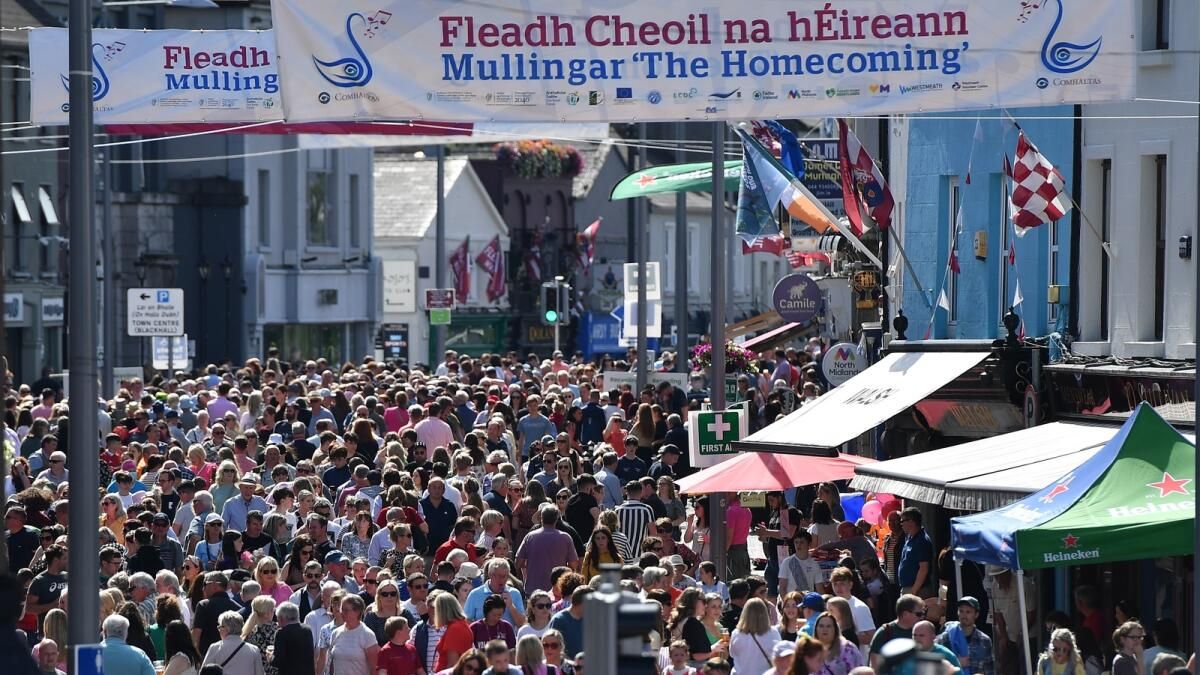
The Fleadh (pronounced “flah”) is unlike anything else on this list. It’s the All-Ireland festival of traditional music, song, and dance, and it moves to a different town each year. Towns that host it, places like Mullingar, Drogheda, or Ennis in past years, are transformed almost overnight. The streets fill with musicians, the sessions run day and night, and people come from all over the world just to be part of it.
What makes the Fleadh special is that it’s genuinely grassroots. Yes, there are formal competitions, but most of the magic happens informally: musicians gathered on footpaths, in pub corners, outside chipper queues. You don’t need a ticket for the best parts. You just need to show up and wander.
I’d specifically recommend it for anyone who’s come to love traditional Irish music but hasn’t yet heard it in its natural habitat. A recording can’t prepare you for the real thing.
4. Electric Picnic (Stradbally, County Laois)
- When: Early September.
- Where: Stradbally Estate, County Laois.
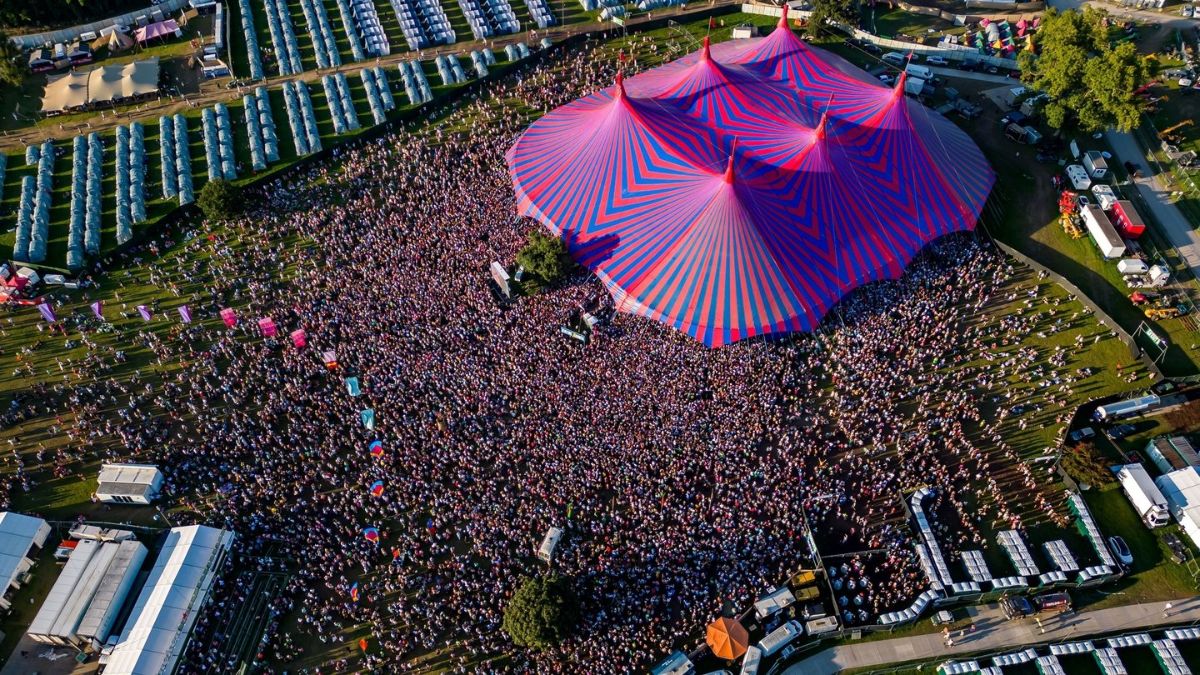
Electric Picnic is Ireland’s biggest and best-loved music festival, full stop. It runs over a long weekend in early September on the grounds of Stradbally Estate in County Laois, and it draws around 70,000 people each year.
What sets it apart from a standard music festival is the range. Yes, there are huge headline acts (the lineup has included Billie Eilish, Kendrick Lamar, Arcade Fire, and many more over the years). But there’s also comedy, film screenings, yoga, food from serious chefs, literature talks, and themed areas that have their own dedicated following.
A friend of mine, Aoife, has been going every year since 2013. She puts it plainly: “It stopped being about the music years ago. It’s about the weekend. It’s about the people you go with. I’d go even if I didn’t know a single act on the lineup.”
Tickets sell out almost immediately when they go on sale, often within hours. This is not an exaggeration. If Electric Picnic is on your list, sign up for the mailing list and set a reminder for ticket release day.
5. Puck Fair (Killorglin, County Kerry)
- When: 10-12 August.
- Where: Killorglin, County Kerry.
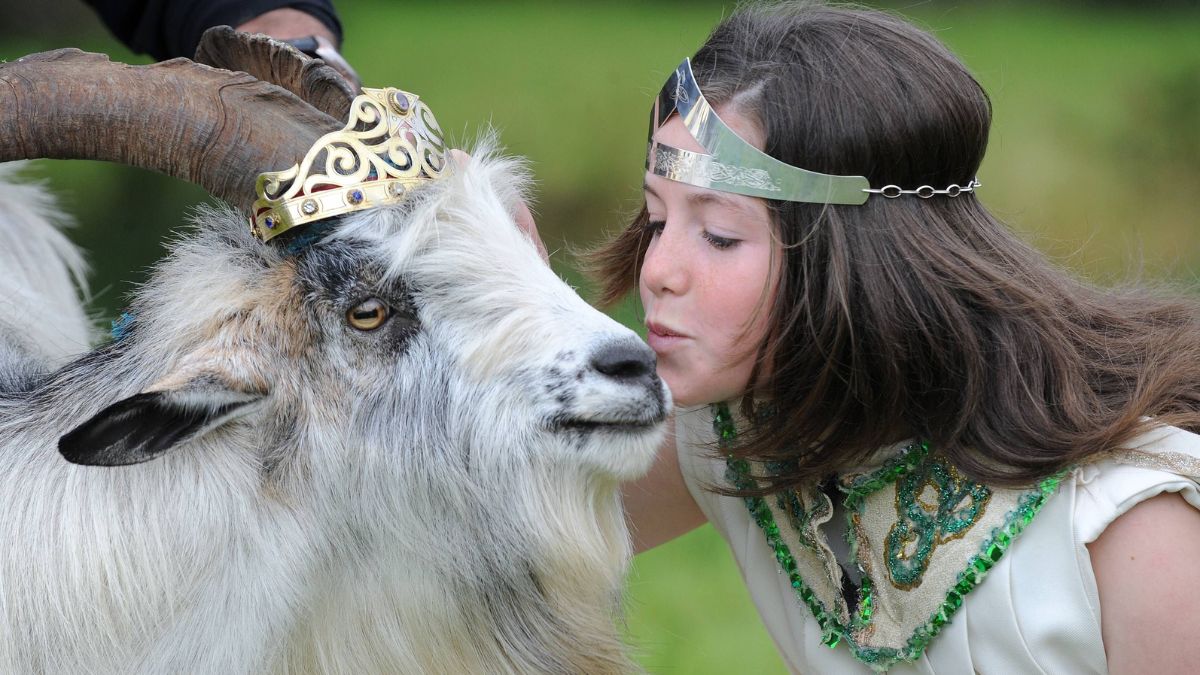
Puck Fair is one of the oldest and strangest festivals in Ireland, possibly in all of Europe. Every August, the people of Killorglin in Kerry catch a wild mountain goat, crown him “King Puck,” and hoist him up on a platform in the town square for three days. There’s a market, live music, street entertainment, and a lot of general merriment.
Nobody can agree on exactly how old Puck Fair is, some estimates go back to the early 17th century, but the atmosphere is about as far from a corporate-sponsored event as you can get. It’s unapologetically local, it’s a little chaotic, and it’s completely free to attend.
If you’re already planning to visit the Ring of Kerry or the Dingle Peninsula, timing your visit around Puck Fair is an easy win. Killorglin is a small town, and accommodation is limited, so plan ahead.
6. Lisdoonvarna Matchmaking Festival (County Clare)
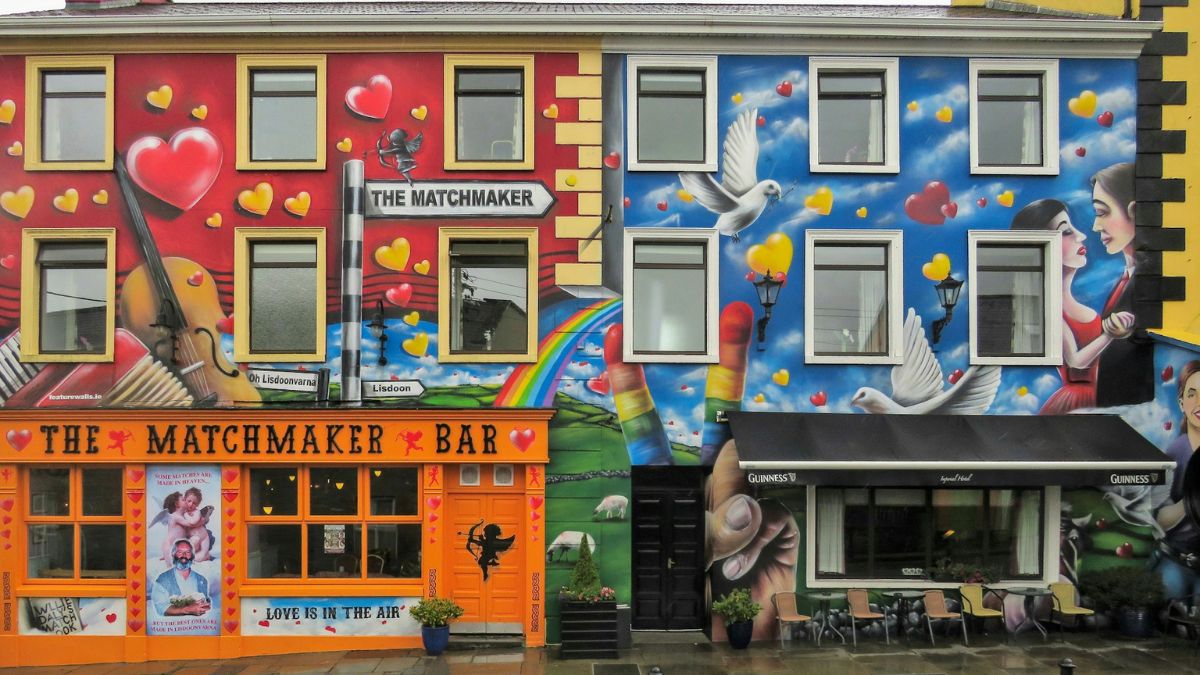
- When: September (the whole month).
- Where: Lisdoonvarna, County Clare.
This one is genuinely unique. Every September, the small spa town of Lisdoonvarna in County Clare hosts the world’s largest matchmaking festival, a tradition that goes back over 150 years to when farming families would gather after the harvest looking for suitable partners.
Today it’s equal parts tradition and celebration. The matchmaker himself, a role that’s been passed down through the Daly family for generations, is still very much a fixture. But the festival has evolved into something less about finding a spouse and more about the craic, the music, and the dancing. The pubs run nightly céilís throughout September, and on weekends the town gets genuinely packed.
It’s one of those festivals that sounds gimmicky on paper and absolutely wins you over in person. The Burren is otherworldly in September, and Lisdoonvarna sits right at the edge of it.
7. Cork Jazz Festival (Cork City)
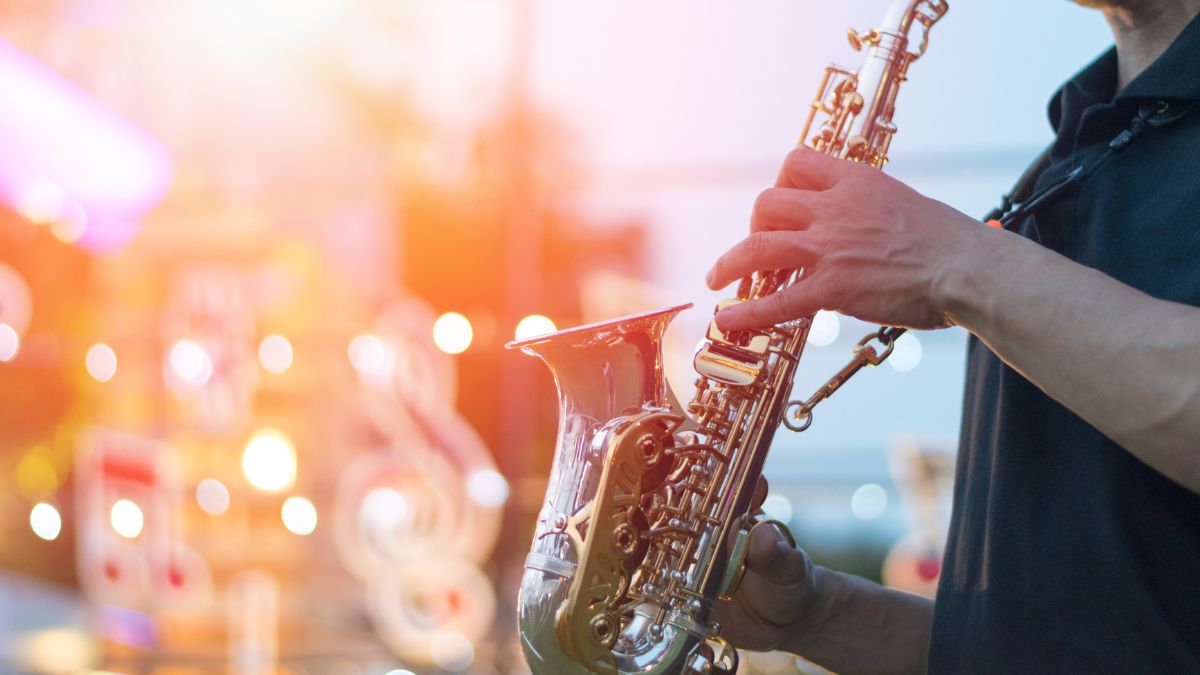
- When: October Bank Holiday weekend.
- Where: Cork city.
The Cork International Jazz Festival, more commonly just called the Cork Jazz Festival, has been running since 1978 and is one of the longest-running jazz festivals in Europe. It takes place over the October Bank Holiday weekend and uses venues all across Cork city, from large concert halls to tiny pub stages.
What I love about Cork Jazz is how accessible it is. While there are headline ticketed events, a huge proportion of the music happens in pubs and on streets, completely free. You can genuinely have a brilliant weekend without spending much beyond food and a pint.
Cork is already one of Ireland’s most underrated cities, and the Jazz Festival is a great reason to finally make the trip.
8. Wexford Festival Opera (Wexford)
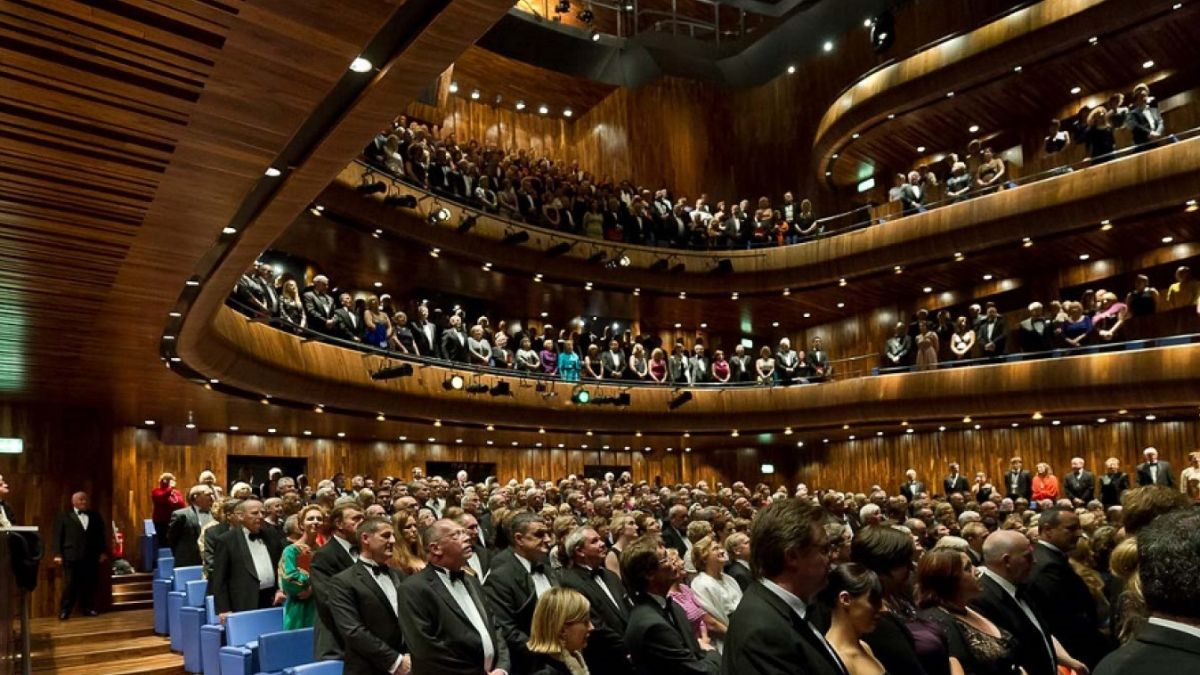
- When: Late October.
- Where: Wexford town.
Wexford Festival Opera might be the most surprising entry on this list. Held every October in the coastal town of Wexford, it’s internationally regarded as one of the finest opera festivals in the world, not because it stages the most famous operas, but because it specialises in rare, neglected, and forgotten works that you simply won’t see staged anywhere else.
It’s been running since 1951 and draws serious opera lovers from across Europe and beyond. But even if opera isn’t your thing, the atmosphere in Wexford during festival week is genuinely special. The town dresses up for it in a way that feels both proud and a little surprised at itself.
For anyone with even a passing interest in classical music or theatre, it’s worth a look. Wexford is also a lovely base for exploring the southeast of Ireland.
How to choose which festivals in Ireland are right for you
The honest answer is: it depends entirely on what kind of traveller you are.
- For culture and the arts: Galway International Arts Festival or Wexford Festival Opera.
- For traditional Irish music: Fleadh Cheoil na hÉireann, no contest.
- For big music and good craic: Electric Picnic.
- For something ancient and a bit weird: Puck Fair.
- For a city buzz: St. Patrick’s Festival (Dublin) or Cork Jazz Festival.
- For a slower, more intimate experience: Lisdoonvarna or Wexford.
And if you’re planning your whole trip around a festival, consider what else is nearby. Ireland is small enough that you can easily combine a festival visit with a few extra days exploring the surrounding region.
Conclusion
Festivals in Ireland aren’t just events on a calendar. They’re windows into how the country actually lives, what it values, and how it celebrates. Whether you end up in the middle of 70,000 people at Electric Picnic or in a 20-person pub session at the Fleadh, you’ll leave with something you couldn’t have found any other way.
The trick is to plan early (especially for accommodation and tickets), stay flexible once you’re there, and resist the urge to over-schedule yourself. Some of the best festival moments in Ireland happen in between the official programme.
If you’re still figuring out when to visit, start with the festival calendar and work backwards. There’s a version of Ireland for every month of the year.
Frequently asked questions about festivals in Ireland
What is the most famous festival in Ireland?
St. Patrick’s Festival in Dublin is probably the most internationally recognised, drawing visitors from across the world every March. But within Ireland itself, many locals would argue that the Fleadh Cheoil or Electric Picnic are equally beloved, just for different reasons.
When is the best time to visit Ireland for festivals?
Summer and early autumn are the peak festival seasons. July brings the Galway International Arts Festival, August has Puck Fair and the Fleadh Cheoil, September has Lisdoonvarna and Electric Picnic, and October brings Cork Jazz Festival and Wexford Festival Opera. There’s genuinely something on almost every month.
Are festivals in Ireland free to attend?
It varies a lot. Some, like Puck Fair, the Lisdoonvarna Matchmaking Festival, and the street sessions at the Fleadh, are completely free. Others like Electric Picnic and Wexford Festival Opera require tickets that can be expensive. Most festivals have a mix of free and paid events.
How far in advance should I book for an Irish festival?
For major events like Electric Picnic, tickets can sell out within hours of release, sometimes months before the event. For accommodation during St. Patrick’s Festival or Galway Arts Festival, 3-4 months ahead is a safe minimum. For smaller festivals like Puck Fair or Lisdoonvarna, a few weeks’ notice is usually fine outside of accommodation in the immediate area.
Can I attend Irish festivals as a solo traveller?
Absolutely, and in many ways, solo travel is ideal for festivals in Ireland. The Irish are famously welcoming, and festival crowds tend to be friendly and inclusive. Traditional music sessions, in particular, are the kind of thing where you can walk in alone and leave with people you’ll stay in touch with for years.