
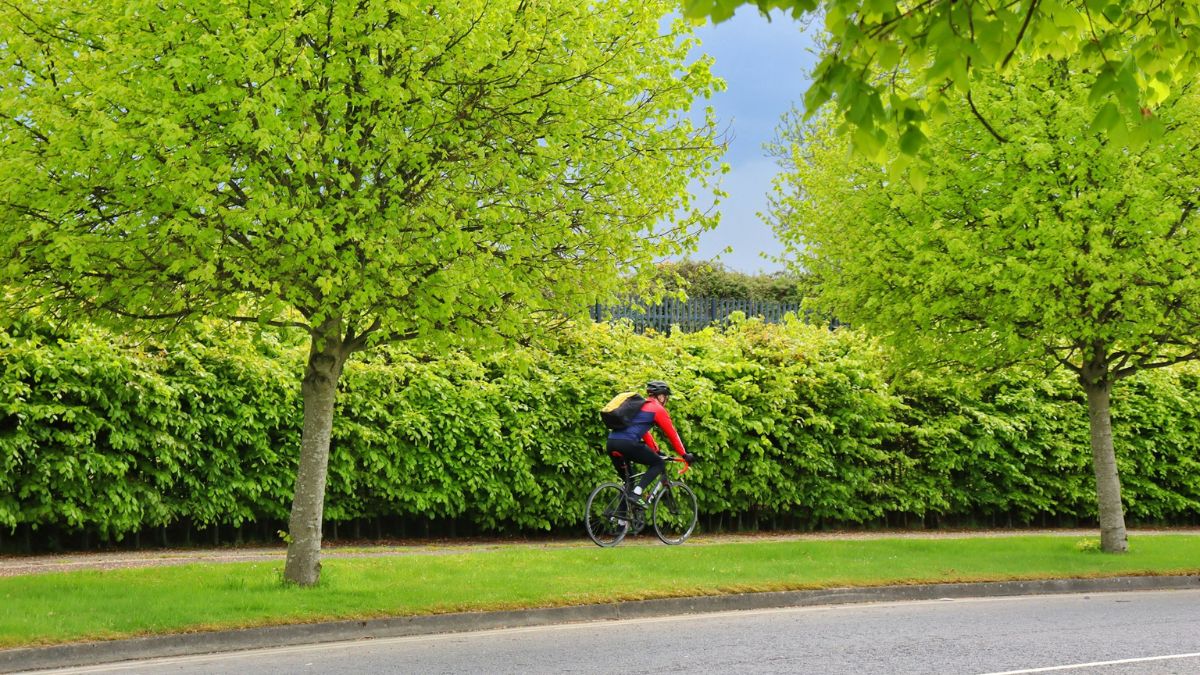
There’s a moment that happens somewhere on the west coast of Ireland. You’re grinding up a hill, legs burning, wind pushing back like it’s personally offended by your presence, and then you crest the top and the Atlantic just… opens up in front of you. Endless, silver-green, and completely indifferent to your suffering. And somehow that makes it better.
That’s what cycling in Ireland does to you.
If you’re searching for the best cycle routes in Ireland, here’s the short answer: the Wild Atlantic Way, the Great Western Greenway, the Ring of Kerry, the Waterford Greenway, and the Blessington Lakes Loop. Each one is worth your time, but for very different reasons. Whether you’re a seasoned cyclist looking for a multi-day challenge or a casual rider who just wants to cruise through the countryside without worrying about traffic, Ireland has a route with your name on it.
1. The Wild Atlantic Way
- Distance: Up to 2 500 km (full route) or choose a section.
- Difficulty: Moderate to challenging.
- Best for: Adventurous cyclists who want dramatic scenery and don’t mind hills.
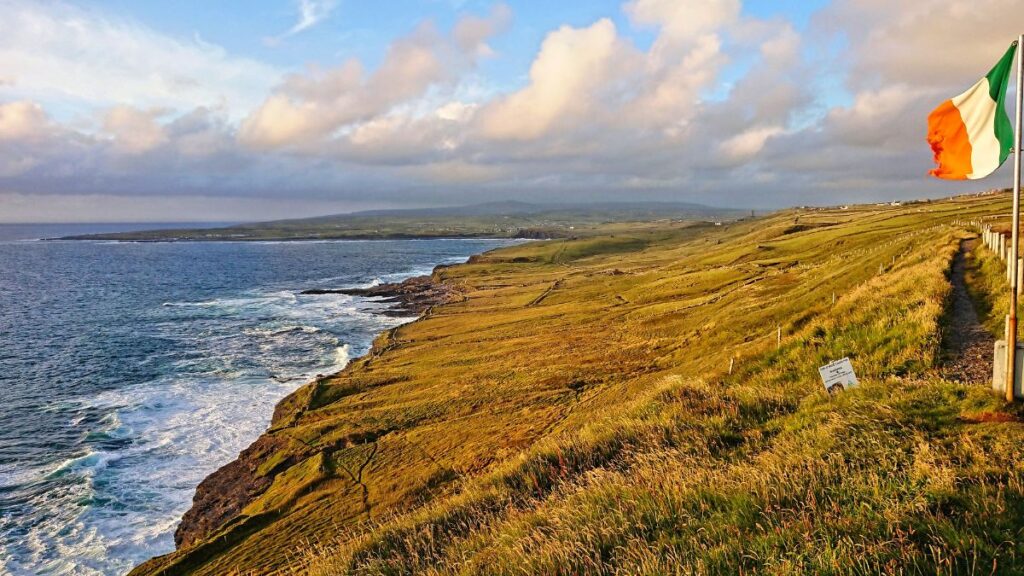
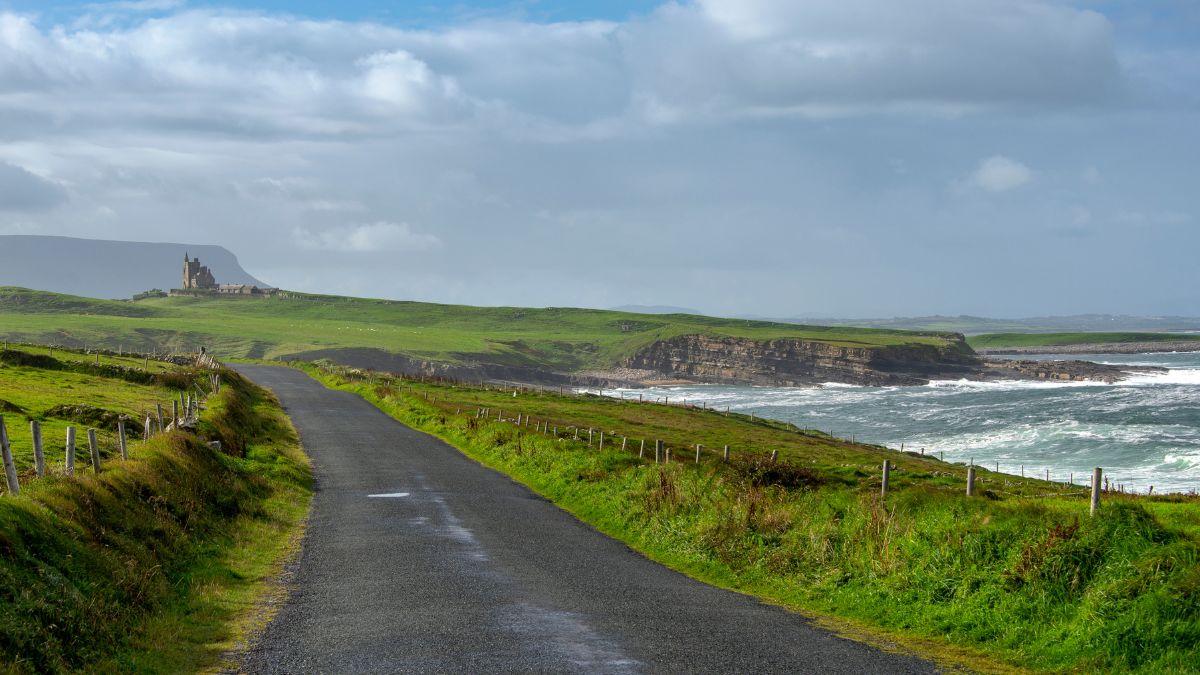
You don’t have to cycle the entire Wild Atlantic Way. Most people don’t. But even picking a 3 or 4-day section, say from Westport down through Connemara, gives you something most cyclists only dream about: raw, unfiltered Atlantic coastline with almost nothing between you and the horizon.
I spoke to a cyclist named Ciara, a secondary school teacher from Cork who tackled a week-long section from Donegal to Galway last summer. “I’d cycled in France and Portugal before, and the roads there are smoother,” she told me. “But Ireland has something those places don’t. You go around a bend, and there’s a ruined castle sitting in a bog, and there’s nobody else around. It feels like you found it yourself.”
That’s the Wild Atlantic Way in a sentence.
Practically speaking, you’ll want to be prepared for:
- Unpredictable weather (layers are your best friend, always).
- Some steep climbs, particularly in Donegal and Connemara.
- Narrow country roads where you share space with the occasional tractor.
- Stretches where services (food, water, accommodation) are sparse, so plan ahead.
The route is well-signposted with the distinctive wave logo, which takes some of the stress out of navigation. For accommodation, a mix of hostels, B&Bs, and wild camping (where permitted) works well. Budget around 5 to 7 days if you want to actually enjoy a section rather than just survive it.
2. The Great Western Greenway
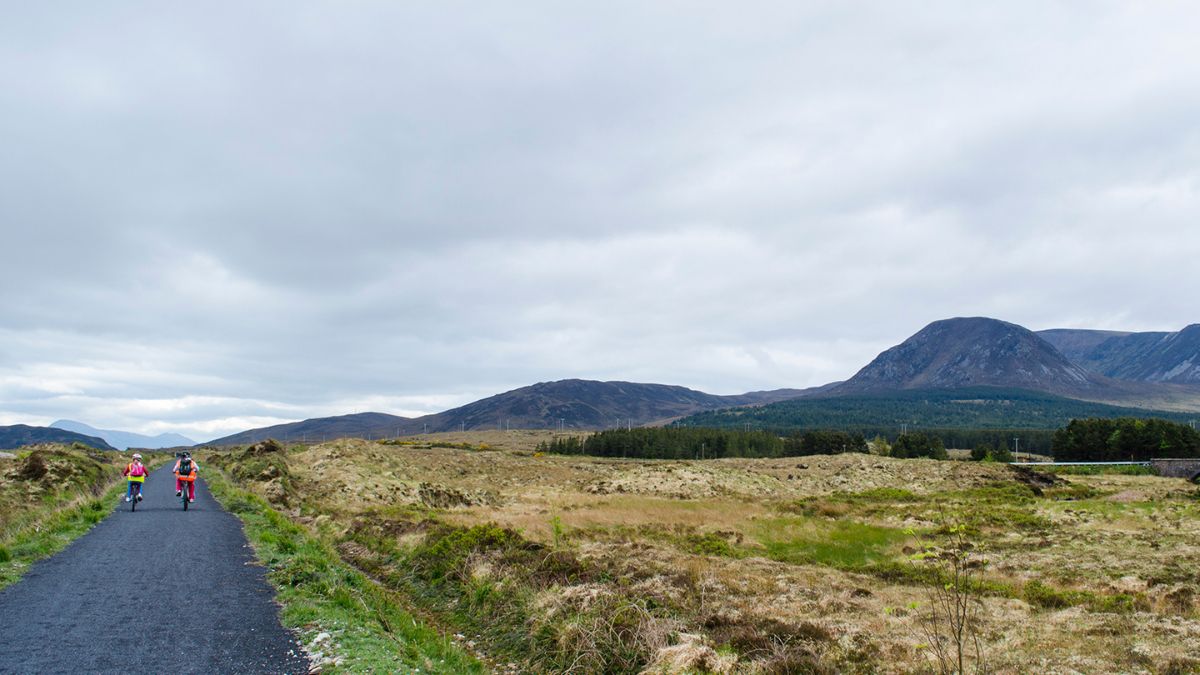
- Distance: 42 km (one way).
- Difficulty: Easy to moderate.
- Best for: Families, beginners, and anyone who wants stunning scenery without traffic.
If the Wild Atlantic Way is Ireland’s cycling epic, the Great Western Greenway is its charming short story. Running from Westport to Achill Island along a former railway line in County Mayo, it’s entirely off-road, mostly flat, and genuinely one of the prettiest stretches of path you’ll pedal anywhere in Europe.
The greenway passes through Westport, one of Ireland’s most charming towns, and it shows. The town has fully leaned into cycling culture: bike hire shops, cafes with bike racks out front, and locals who’ll point you in the right direction without you even having to ask.
What makes the Greenway so good for families is that there’s no guesswork. The path is clear, the surface is well-maintained, and you can stop at the village of Newport (about 15 km in) for coffee and a slice of something before continuing. Kids as young as 5 or 6 cycle this route regularly, often in tagalong bikes or on balance bikes for the shorter stretches.
A few things worth knowing:
- Bike hire is available in Westport, Newport, and Achill, so you don’t need to bring your own.
- You can do it one way and arrange a transfer back, which takes the pressure off.
- The section from Mulranny to Achill Sound is particularly beautiful and worth lingering on.
- Go midweek in summer if you can. Weekends in July and August get busy.
If you finish in Achill and have an extra day, consider cycling the Atlantic Drive loop on the island itself. It’s a 45 km circuit that adds a whole new layer to the trip.
3. The Ring of Kerry
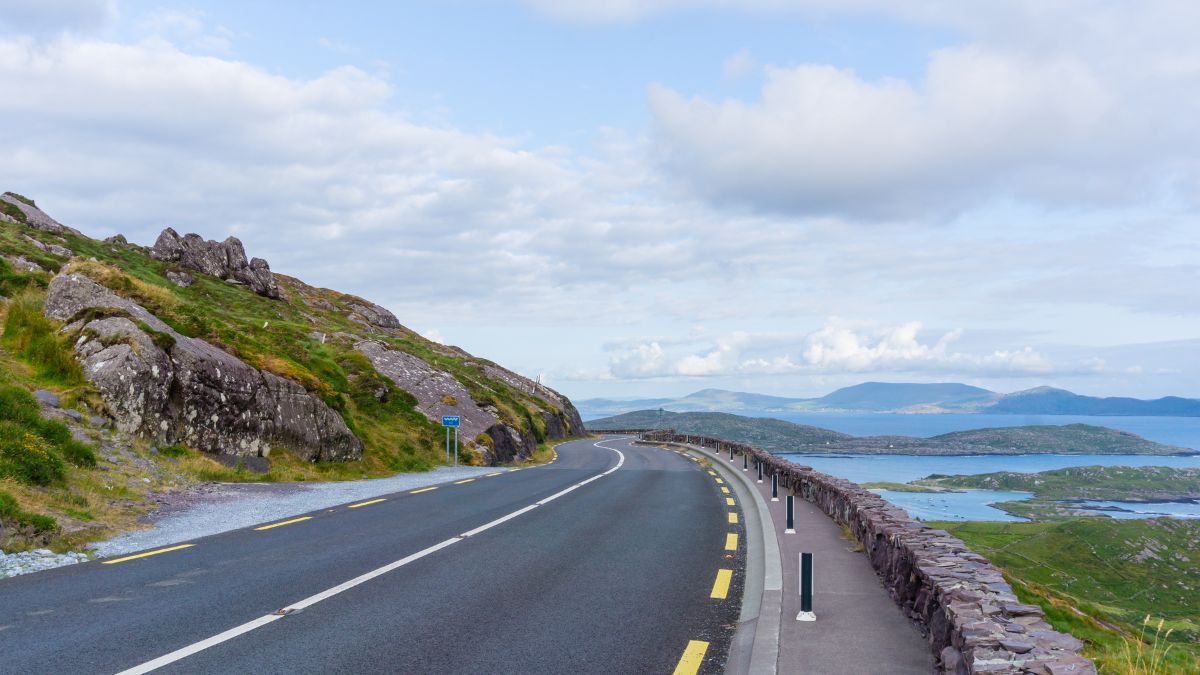
- Distance: 179 km (full loop).
- Difficulty: Challenging.
- Best for: Experienced cyclists, those doing a multi-day tour.
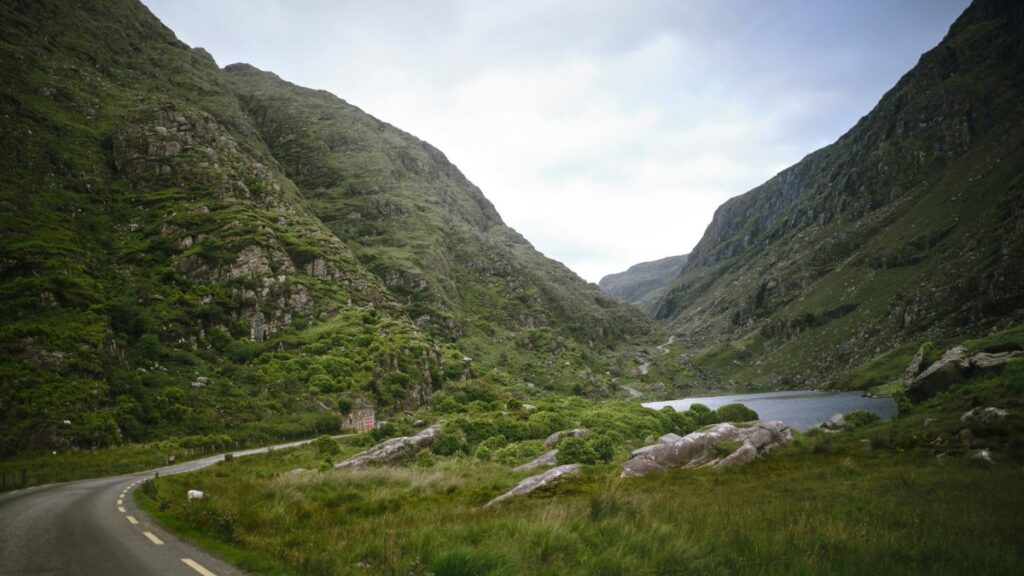
The Ring of Kerry is, by a long stretch, one of the most famous cycle routes in Ireland. It’s also one of the most physically demanding. The full 179 km loop around the Iveragh Peninsula in County Kerry involves serious climbing, notably the Coomakista Pass, which rewards your suffering with views that look like they were painted rather than real.
One practical note that seasoned cyclists always mention: do the Ring of Kerry anti-clockwise if you’re going by bike. It keeps you on the safer side of the road relative to the tour buses, most of which travel clockwise. It also means you tackle the big climbs in a slightly more manageable order.
I came across a blog post by a cyclist named Paul, a fitness instructor from Dublin who completed the Ring of Kerry in two days with a friend. He described the second morning as “the hardest breakfast I ever had to eat, knowing what was coming.” But he also said the descent into Waterville from Coomakista was “the best 10 minutes on a bike of my life.” That’s the Ring of Kerry in a nutshell. It asks a lot, and it gives back more.
Key things to know:
- Most cyclists split it over 2 to 3 days, staying overnight in Kenmare or Killarney.
- The road surface varies, so wider tyres (32mm or above) are more comfortable than thin road tyres.
- There are plenty of towns along the way for food and rest: Cahersiveen, Waterville, and Sneem are all worth a stop.
- Kerry’s weather is famously unreliable. A dry forecast can change by lunchtime.
If you’re in the area and want to stretch your legs on foot too, there are some outstanding hiking trails in Ireland nearby, including the Kerry Way, which follows a similar path but on foot.
4. The Waterford Greenway
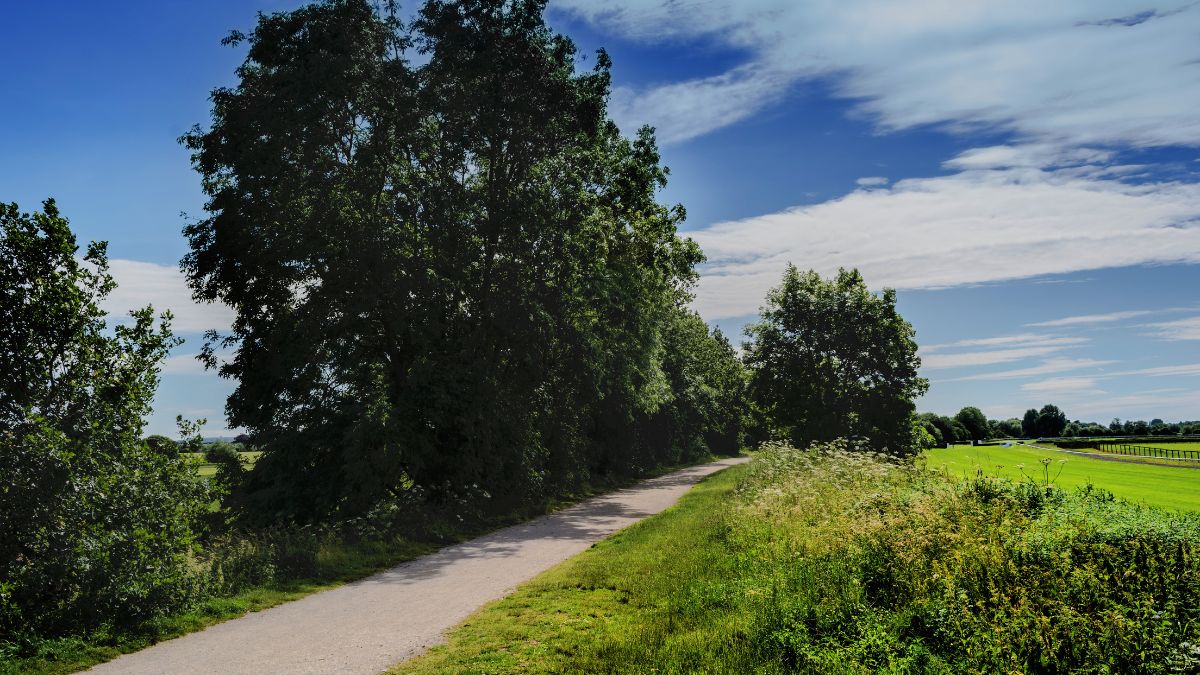
- Distance: 46 km (one way).
- Difficulty: Easy.
- Best for: Casual riders, families, people new to cycling.
The Waterford Greenway might be the single best argument for cycling in Ireland if you’ve never done it before. It runs from Waterford city to Dungarvan along a former railway line, passes through nine railway tunnels, crosses a 10-arch viaduct, and manages to be both dramatic and completely stress-free at the same time.
That viaduct, the Kilmacthomas Viaduct, is one of those moments where you have to stop and just look. It sits 21 metres above the Mahon Valley, and the view from the top on a clear day stretches out across farmland and bog in a way that makes you feel like you’re hovering. It’s not particularly long, but you’ll take three times longer to cross it than necessary because you’ll keep stopping to take photos.
The tunnels are an experience too, especially for kids. They’re lit, so there’s no pitch-black panic, but they’re long enough to feel genuinely adventurous. Bring a light anyway; it adds to the atmosphere.
Why this route converts people who claim not to enjoy cycling:
- It’s flat. There are gentle inclines, but nothing that’ll have you walking your bike.
- It’s traffic-free for most of its length.
- The scenery shifts constantly: coastline, farmland, river valleys, and the market town of Kilmacthomas in the middle.
- Bike hire is available at both ends and in the middle, so you can plan it any way you like.
Dungarvan at the end is a lovely town for a meal and a pint before you head back, or arrange a transfer.
5. The Blessington Lakes Loop
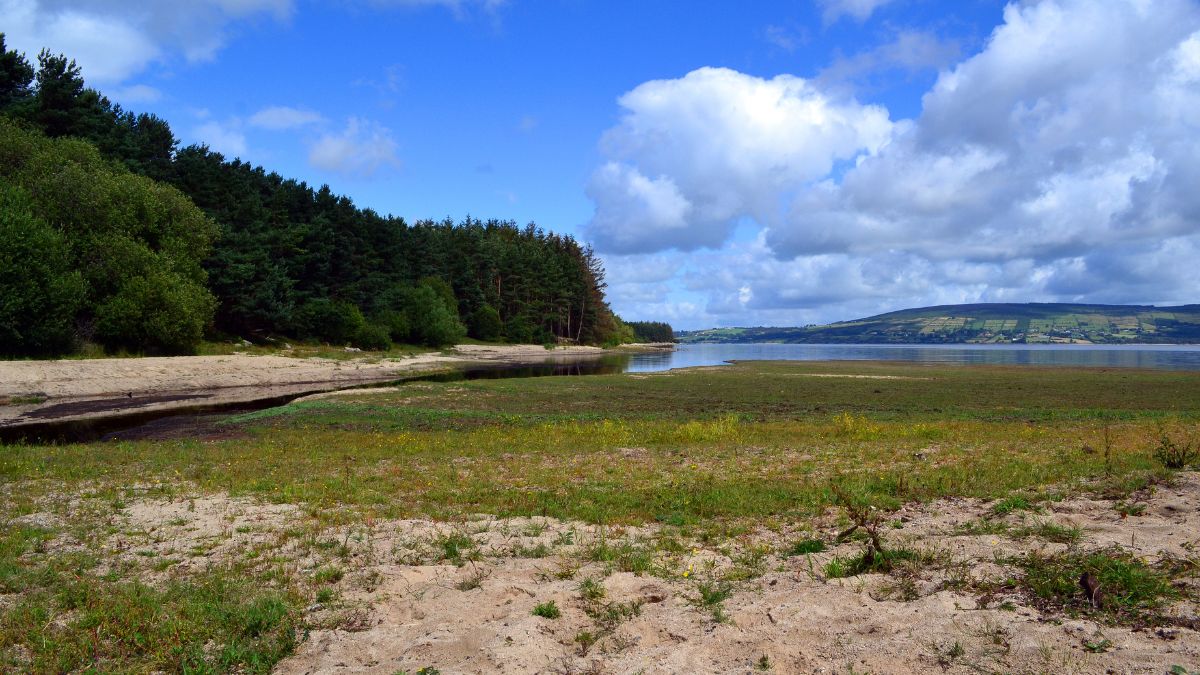
- Distance: 35 km loop.
- Difficulty: Easy to moderate.
- Best for: Day-trippers from Dublin, families, anyone wanting a quick but satisfying spin.
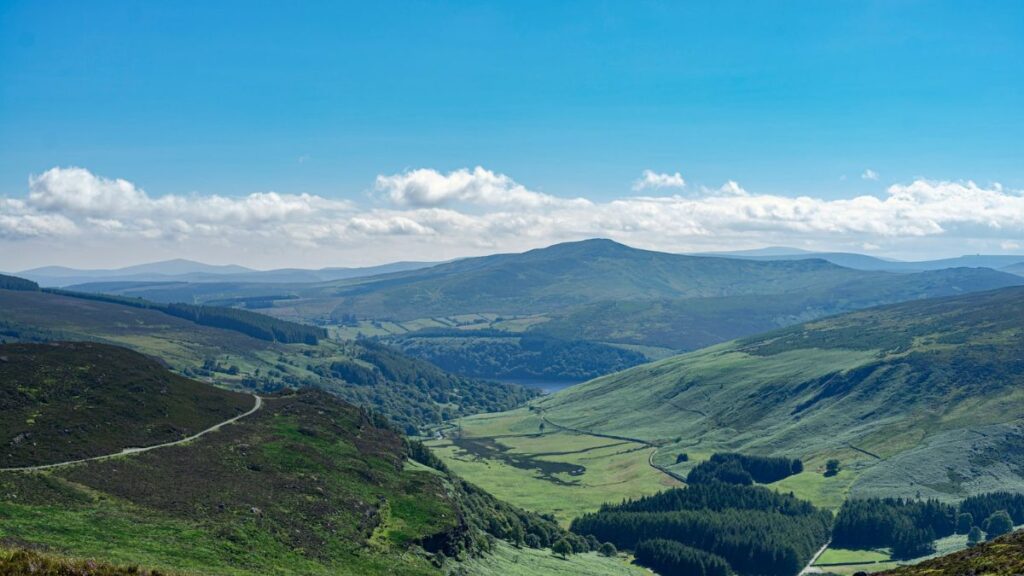
Ask most tourists about cycle routes in Ireland, and they’ll name the coastal classics. But ask someone who lives in Dublin, and a surprising number of them will mention Blessington. It’s only about 35 km from the city, but once you’re out on the loop around the reservoir, it feels entirely removed from the noise of urban life.
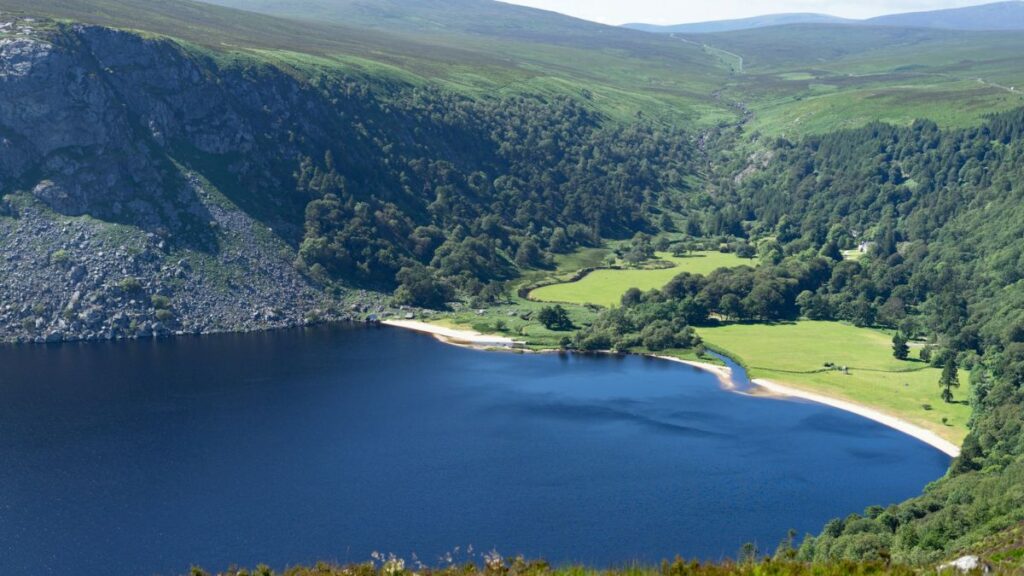
The Blessington Lakes are actually the Poulaphouca Reservoir, a large man-made lake built in the 1940s to supply Dublin with water and electricity. The loop around it is mostly quiet back roads, with enough gentle rolling terrain to feel like you’re actually cycling rather than just rolling along. On a calm day, the water reflects the Wicklow Mountains behind it, and you get that rare feeling of being somewhere genuinely peaceful.
It’s not a technically demanding route, but it’s long enough to be satisfying. There’s a decent café stop in Blessington town itself, and the road surface around the lake is generally good. Weekday mornings are particularly lovely as there’s almost no traffic.
Good to know before you go:
- There’s no dedicated greenway here, so you’re sharing quiet public roads, but traffic is light.
- Parking is easy in Blessington town, making it a straightforward day trip from Dublin.
- You can shorten or extend the loop depending on energy and time.
- The route connects to broader Wicklow cycling networks if you want to go further.
Practical tips for cycling in Ireland
Before you clip in and head off, here are a few things that’ll make your trip smoother.
The weather is real, not a joke. Ireland’s weather changes quickly and frequently. Even in summer, pack a waterproof layer and don’t bet your comfort on a morning forecast. The upside is that the light after rain in Ireland is genuinely extraordinary.
Know your road markings. Irish roads range from wide national routes to very narrow rural lanes. The narrower ones are often the most scenic, but they do require some alertness, especially around blind bends.
Plan your food and water stops. On longer routes like the Wild Atlantic Way, there can be 20 to 30 km between services. A small pack with snacks and a full water bottle is always worth carrying.
Accommodation books out fast in summer. If you’re planning a multi-day cycle in July or August, book accommodation at least 6 to 8 weeks ahead, especially along popular routes like the Ring of Kerry and the Great Western Greenway.
Electric bikes are widely available. Most hire shops now offer e-bikes, which are a genuine game-changer on hilly routes. There’s no shame in it. The scenery doesn’t look any different from an e-bike saddle.
Conclusion
Ireland rewards cyclists in a way that’s hard to explain until you’ve done it. It’s not just the scenery, though the scenery is extraordinary. It’s the scale of it. Most of these routes put you at a pace where you actually notice things: the smell of the bog after rain, a heron standing absolutely still in a river, a pub sign swinging in the wind with nobody around for miles.
Whether you pick the wild challenge of the Ring of Kerry, the family-friendly ease of the Waterford Greenway, or the quiet satisfaction of the Blessington Lakes Loop, you’re choosing one of the best ways to see this country. Cycle routes in Ireland aren’t just paths on a map. They’re a lens.
Pack your layers. Get out there.
FAQ: Cycling in Ireland, answered
What are Ireland’s best cycling routes?
The five best cycle routes in Ireland are the Wild Atlantic Way, the Great Western Greenway, the Ring of Kerry, the Waterford Greenway, and the Blessington Lakes Loop. Each suits different experience levels and interests, from easy off-road greenways perfect for families to challenging coastal loops for experienced cyclists.
Is cycling in Ireland difficult?
It depends entirely on the route. The greenways (Great Western Greenway and Waterford Greenway) are flat, traffic-free, and genuinely easy for most fitness levels, including children and beginners. Routes like the Ring of Kerry and parts of the Wild Atlantic Way involve significant hills and require a decent level of fitness. The good news is that e-bike hire is widely available across the country, which makes hillier routes accessible to more people.
How long does it take to cycle around Ireland?
Cycling the full perimeter of Ireland (roughly 2,000 to 2,500 km depending on the route) typically takes between 6 and 10 weeks for most cyclists. However, very few people cycle the entire island in one go. Most choose a specific region or long-distance route, such as the Wild Atlantic Way or the Ring of Kerry, which can be done in sections of 3 to 10 days, depending on the distance covered each day.
Is it mandatory to wear a helmet when riding a bicycle in Ireland?
Under current Irish law, wearing a cycling helmet is mandatory for children under 16 but not legally required for adults. However, it’s strongly recommended regardless of age, and most bike hire operators will provide helmets as part of the rental. If you’re cycling on roads shared with traffic, particularly on rural routes, wearing a helmet is simply good sense.
Where can I find cycling maps of Ireland?
Cycling Ireland (cyclingireland.ie) is the primary national resource for route maps, including greenways, touring routes, and local loops. Komoot and Strava both have strong route libraries for Ireland with GPS tracks you can download directly to a device or phone. For specific greenways like the Waterford Greenway or the Great Western Greenway, each route has its own dedicated website with downloadable maps and stage-by-stage information.