3 days in Dublin: three Dublin itineraries for every type of traveller
Share this
You’ve got 3 days in Dublin. So, where do you even start?
If you’re wondering how to spend three days in Dublin, the short answer is: you can cover a remarkable amount of ground in Dublin alone. This city punches well above its weight. Ancient manuscripts sit a short walk from buzzing modern galleries. Georgian squares back onto Viking ruins. And yes, you can absolutely fit in a pint of Guinness with a view.
The longer answer depends on what kind of traveller you are. That’s why we’ve built out three distinct itineraries below: one for the classic sightseer, one for the history buff, and one for art and culture lovers. Dip into one, mix and match between them, or use them as a loose framework and wander where the city takes you.
One thing’s certain: three days in Ireland go fast. Here’s how to make every hour count.
Before you arrive: two things worth sorting
Before diving into the itineraries, two practical decisions will shape how smoothly your trip runs.
Get the Leap Visitor Card. For €16, you get 72 hours of unlimited travel on Dublin’s buses, the Luas tram, and DART rail services. If you’re planning to move around the city, it pays for itself by day two.
Consider the Go City Pass Dublin. This customisable pass covers entry to top attractions and lets you skip the queue at busy sites. It’s particularly worth it if you’re following the Classic Sightseer itinerary, where attraction costs add up quickly.
Itinerary 1: The classic sightseer
Best for: first-time visitors who want to hit the highlights without feeling rushed
This is the itinerary I’d hand to a friend visiting Dublin for the first time. It covers the city’s most iconic stops in a logical, walkable order, and leaves enough breathing room to actually enjoy each place rather than sprint through it.
Day 1: Trinity, the castle, and a famous pint

Trinity College and the Book of Kells
Start here. Trinity College is Ireland’s oldest university, founded in the 16th century, and it sets the tone for everything that follows. The Long Room alone, a cathedral-like library with barrel-vaulted ceilings and over 200,000 ancient books, is worth the entry fee. The Book of Kells, an illuminated manuscript from the 9th century, is genuinely breathtaking up close. Go early to avoid the crowds.
Dublin Castle
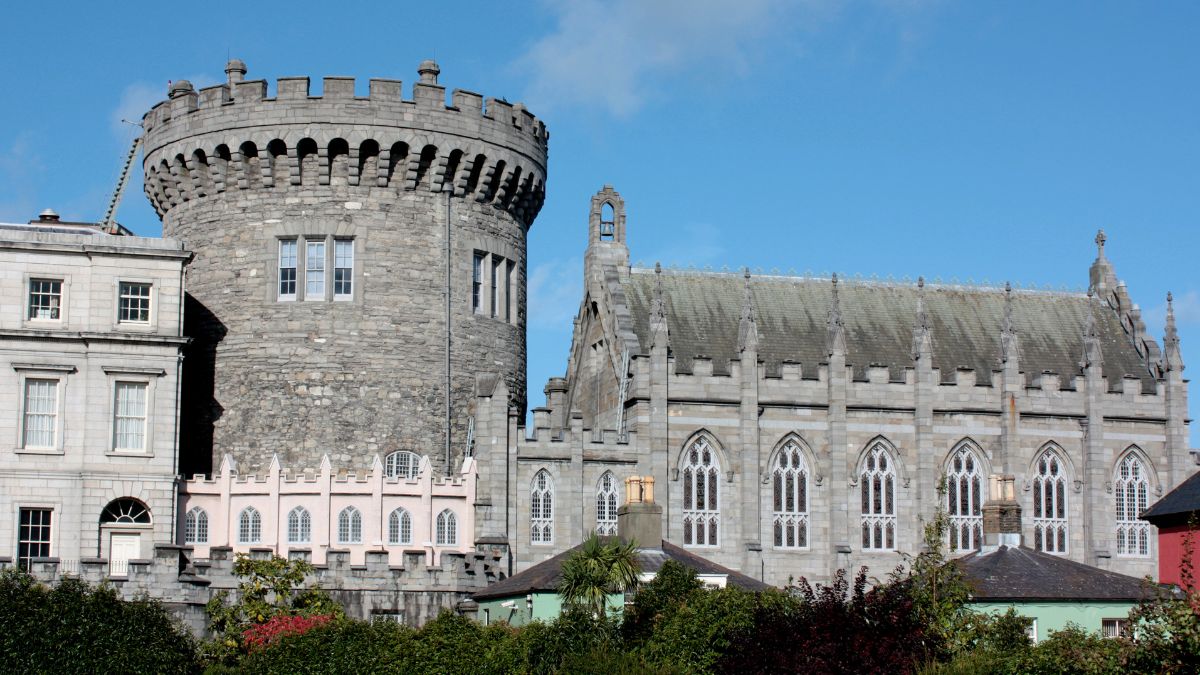
A ten-minute walk from Trinity, Dublin Castle is more nuanced than it first appears. Yes, it looks impressive from the outside. But inside, you’ll find layered history: medieval towers, Georgian state apartments, and a story that runs from Norman conquest to Irish independence. The guided tour is worth the small extra cost.
Guinness Storehouse
End your first day here. I’ll be honest: it’s touristy. But it’s touristy for good reason. The self-guided tour through the history of Guinness is genuinely engaging, and the Gravity Bar at the top offers some of the best panoramic views of the city you’ll find anywhere. Your ticket includes a pint, and after a full day of walking, you’ll have earned it.
Day 2: Cathedrals, parks, and prehistoric gold
St. Patrick’s Cathedral
Dublin’s largest cathedral dates to 1191, and it carries centuries of stories within its walls. Jonathan Swift, the author of Gulliver’s Travels, served as dean here and is buried in the nave. The adjacent gardens are a quiet escape if you need a moment away from the crowds.
Phoenix Park
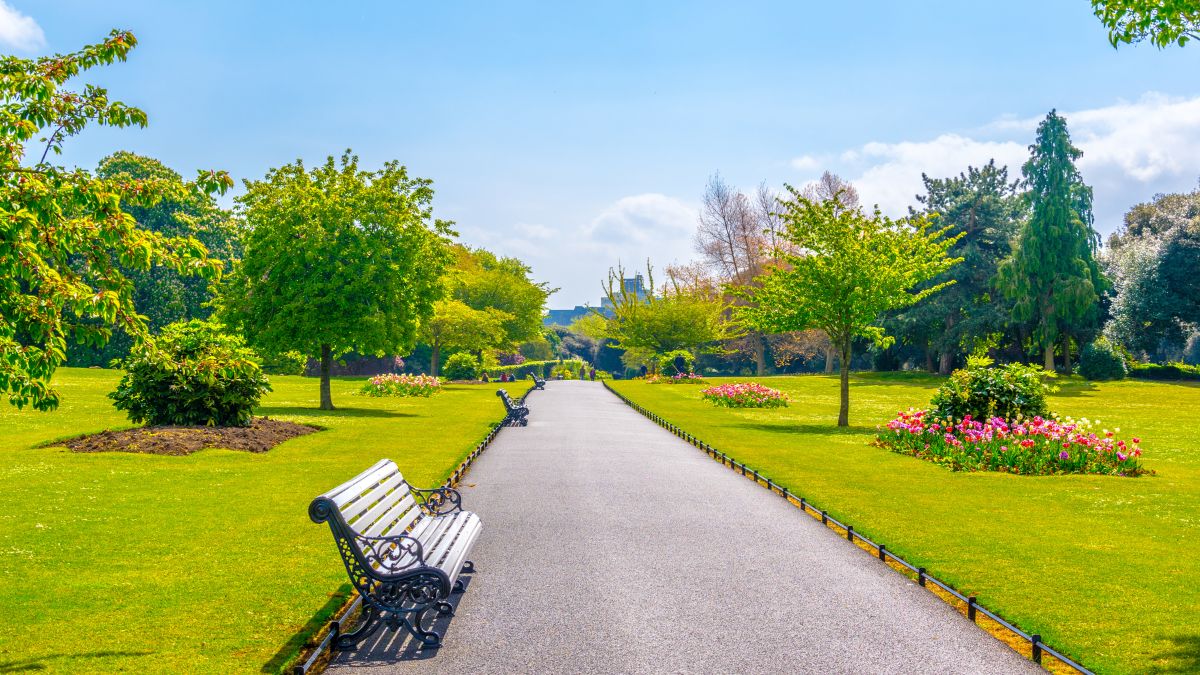
After visiting St. Patrick’s Cathedral, take a relaxing walk through Phoenix Park, one of the largest enclosed parks in Europe. This sprawling green space is home to Dublin Zoo, the residence of the Irish President, and herds of wild deer. It’s perfect for a stroll or a bike ride.
National Museum of Ireland: Archaeology
After the cathedral, take the short trip to Phoenix Park. One of the largest enclosed urban parks in Europe, it’s home to wild deer, the Irish President’s residence, and Dublin Zoo. It’s a good place to reset mid-trip: bring coffee, walk slowly, and let the city exhale around you.
Day 3: History, heart, and a farewell pint
Kilmainham Gaol
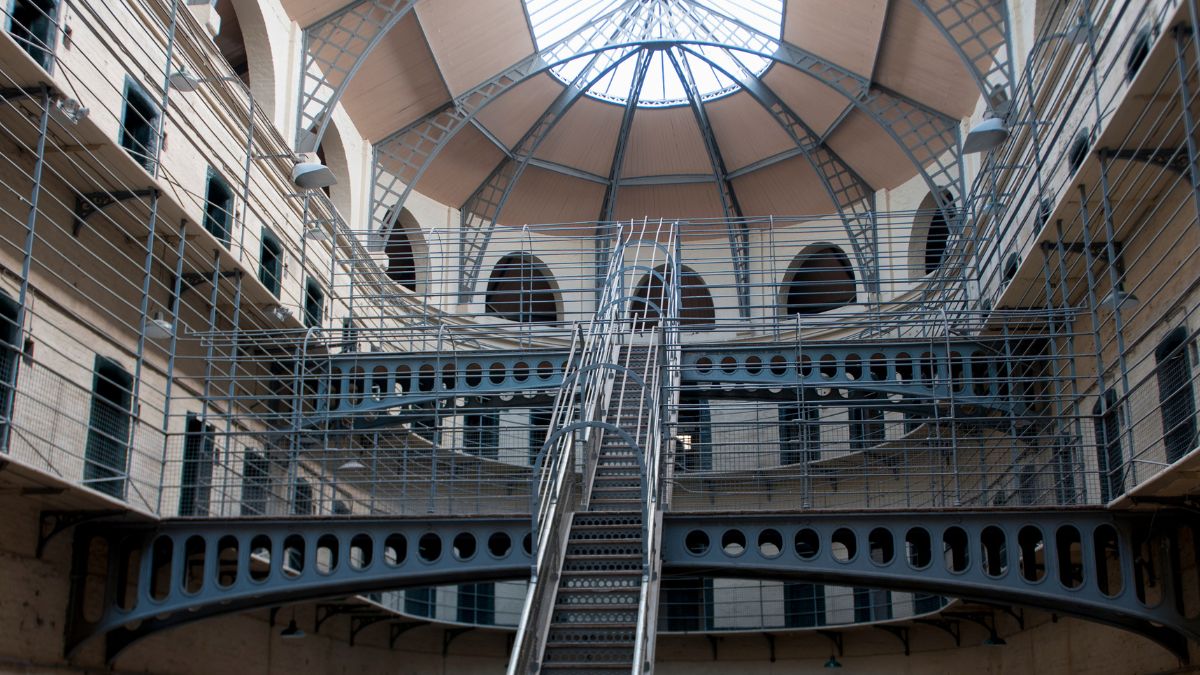
Book this in advance. Kilmainham is a former prison that housed the leaders of the Easter Rising of 1916 before their executions. The guided tour is one of the most emotionally affecting experiences Dublin offers, even for visitors who don’t arrive with deep knowledge of Irish history. It tends to sell out, especially in summer.
Dining picks for the classic sightseer:
- Breakfast: Queen of Tarts (pastries worth queuing for).
- Lunch: The Woollen Mills (riverside setting, solid Irish food).
- Dinner: The Church Restaurant (a converted church with great atmosphere).
Itinerary 2: The history buff
Best for: travellers who want depth, context, and stories behind the stories
My friend Aoife, a secondary school history teacher from Cork, spent a long weekend in Dublin last spring. She did a version of this itinerary and came back saying she wished she’d had a fourth day. “Every stop gave me something I could actually use in class,” she told me. That’s the level of substance we’re talking about.
Day 1: Emigration, legacy, and a graveside reckoning
EPIC The Irish Emigration Museum
Start at EPIC, one of the best interactive museums in Ireland. It tells the story of how millions of Irish people left their homeland, from the famine years to the 20th century, and traces the global reach of the Irish diaspora. The multimedia storytelling is impressive, and the emotional weight of the exhibits tends to catch visitors off guard in the best way.
Glasnevin Cemetery and Museum
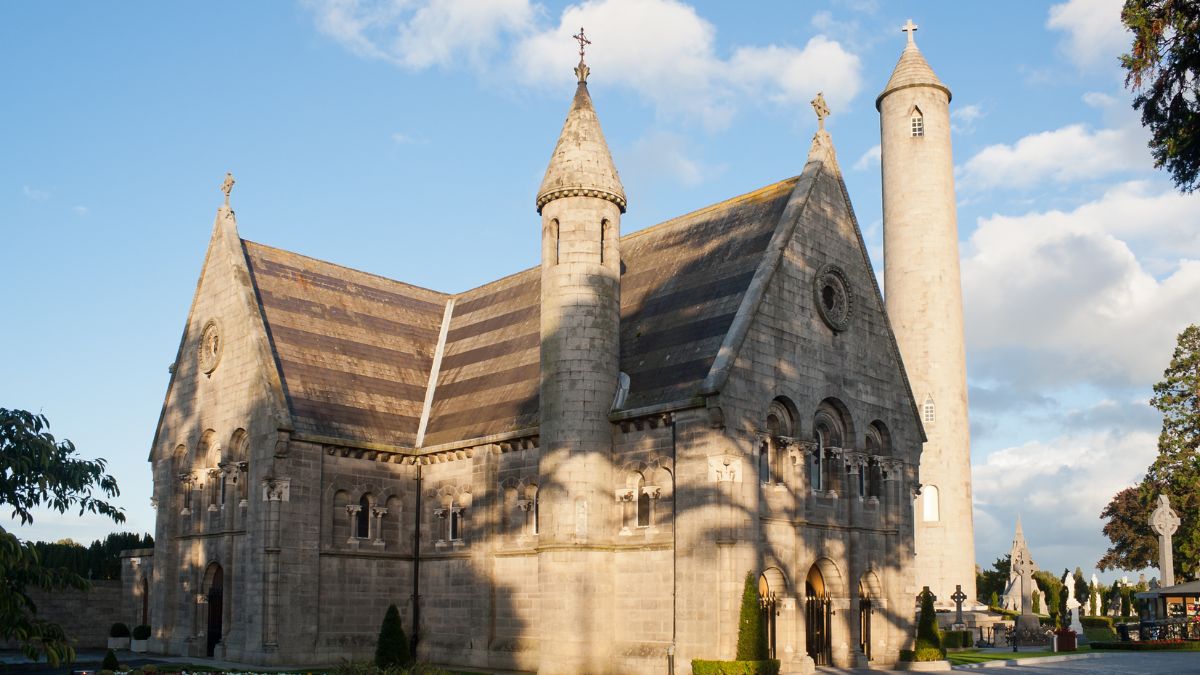
This is not a morbid stop. Glasnevin is one of Ireland’s most historically significant sites, the final resting place of figures including Daniel O’Connell, Michael Collins, and Éamon de Valera. The adjacent museum provides excellent context around Ireland’s political history. The guided tour of the cemetery is highly recommended if you want the full picture.
Day 2: Military history and the city’s oldest pub
Collins Barracks – National Museum of Decorative Arts & History
Collins Barracks covers Irish military history alongside decorative arts and social history spanning centuries. It’s less visited than the city centre museums, which means a calmer experience and more room to linger.
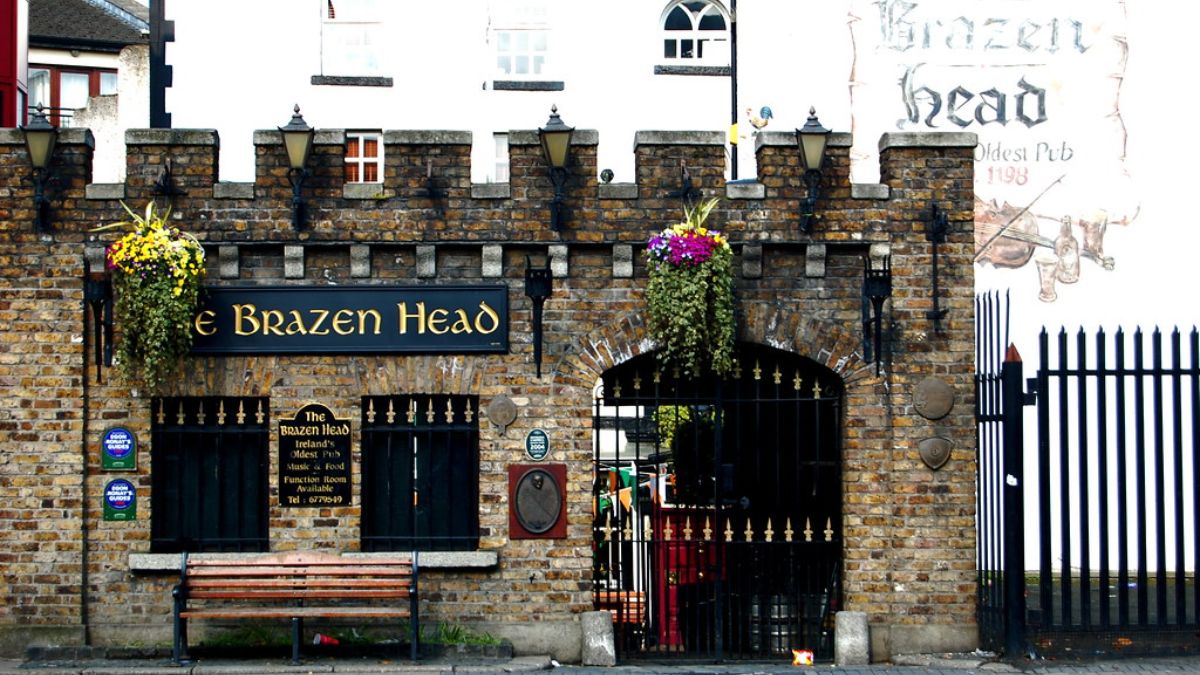
The Brazen Head
In the evening, make your way to The Brazen Head, Dublin’s oldest pub, which has been operating in some form since 1198. Traditional Irish storytelling sessions run regularly here. Whether or not you catch a formal session, the pub itself is an experience: low ceilings, stone walls, and the feeling that the city’s past is very close to the surface.
Day 3: Cathedrals and Vikings
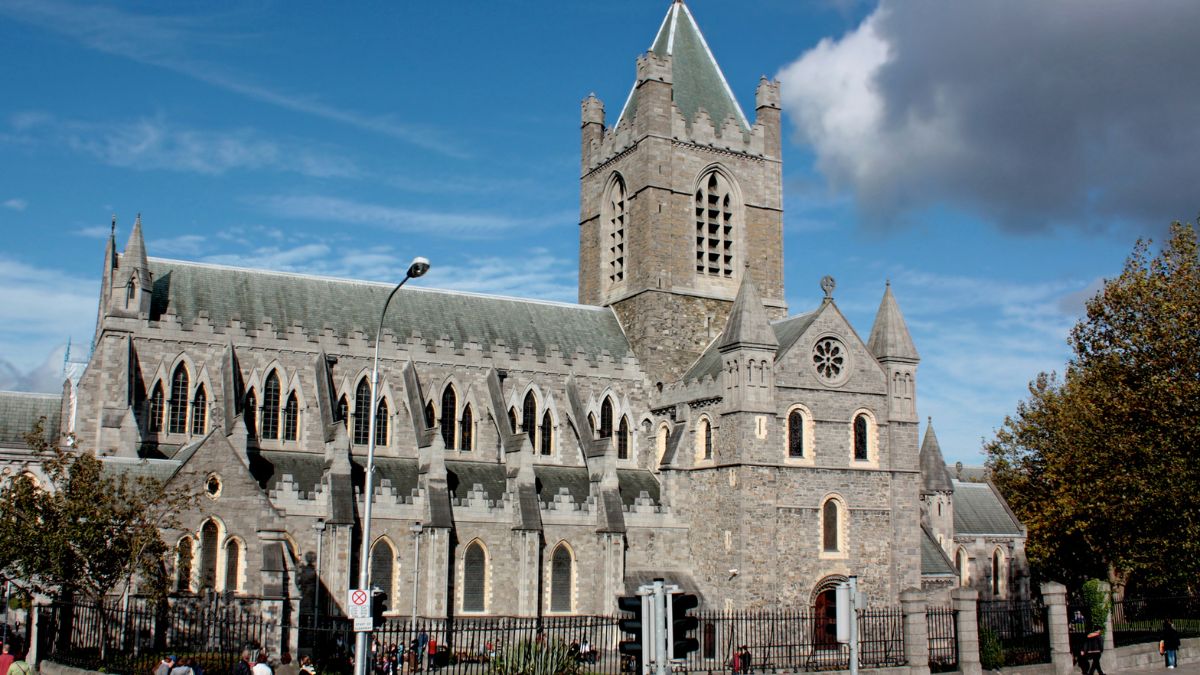
Christ Church Cathedral
Founded in 1030, Christ Church is Dublin’s oldest cathedral. The crypt is the largest in Ireland and houses a fascinating, slightly eccentric collection of artefacts, including a mummified cat and rat found inside the organ pipes in the 19th century. Architecture fans will love the medieval stonework.
Dublinia
Directly connected to Christ Church via a bridge, Dublinia is an interactive museum covering Viking Dublin and medieval life. It’s well done, more engaging than you’d expect from the outside, and pairs perfectly with the cathedral visit.
Dining picks for the history buff:
- Breakfast: Brother Hubbard (Middle Eastern-influenced, excellent).
- Lunch: The Vintage Kitchen (small, warm, and locally focused).
- Dinner: The Winding Stair (overlooks the Liffey, great Irish produce).
Itinerary 3: The art and culture enthusiast
Best for: gallery-goers, theatre lovers, and anyone who wants to see Dublin through a creative lens.
Day 1: From old masters to modern installations
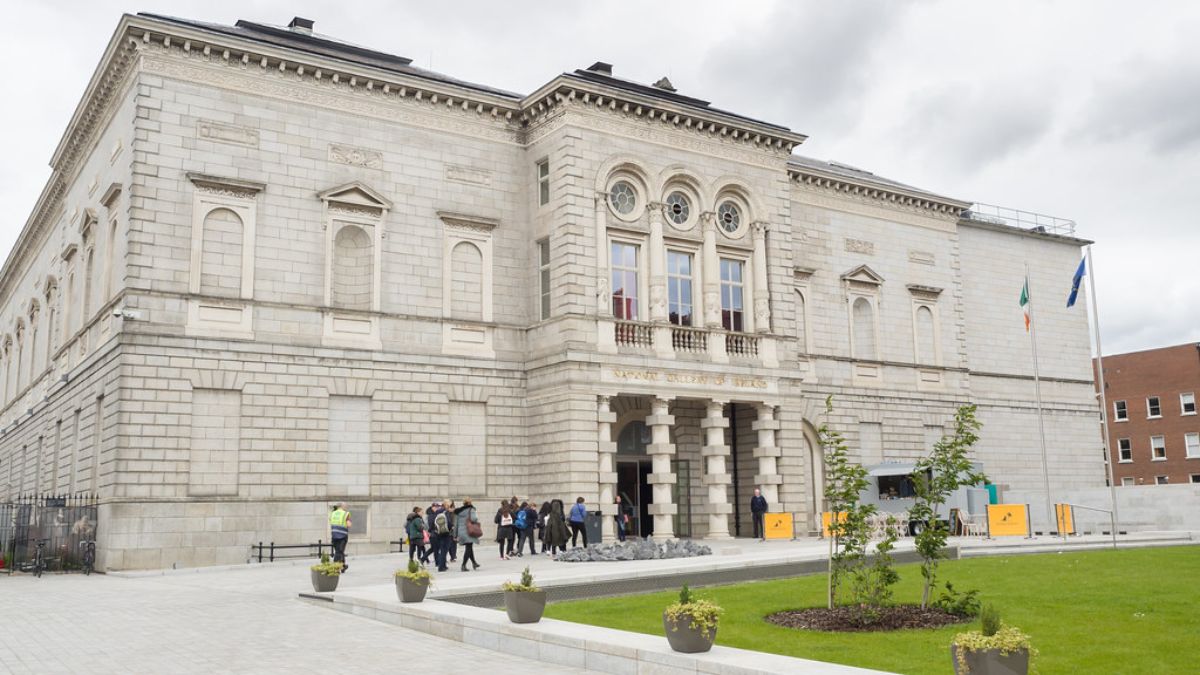
National Gallery of Ireland
The National Gallery houses an impressive permanent collection of European art from the 14th century onward, including works by Caravaggio and Vermeer alongside a strong collection of Irish painters. The Jack B. Yeats rooms alone are worth the visit. And it’s free, which in a city of increasing costs feels like a genuine gift.
Irish Museum of Modern Art (IMMA)
IMMA is housed in the former Royal Hospital Kilmainham, a striking 17th-century building that provides an interesting counterpoint to the contemporary work inside. The permanent collection is strong, and temporary exhibitions are consistently well-curated. Some special exhibitions charge a small fee, but the main collection is always free.
Day 2: Wilde, Georgian squares, and Francis Bacon
Merrion Square & Oscar Wilde House
Take a slow morning walk around Merrion Square, one of Dublin’s finest Georgian squares, and visit the Oscar Wilde Centre, dedicated to the life and work of one of Ireland’s most quotable writers. The tour of Wilde’s former home needs to be booked in advance, but it’s a genuinely intimate experience.
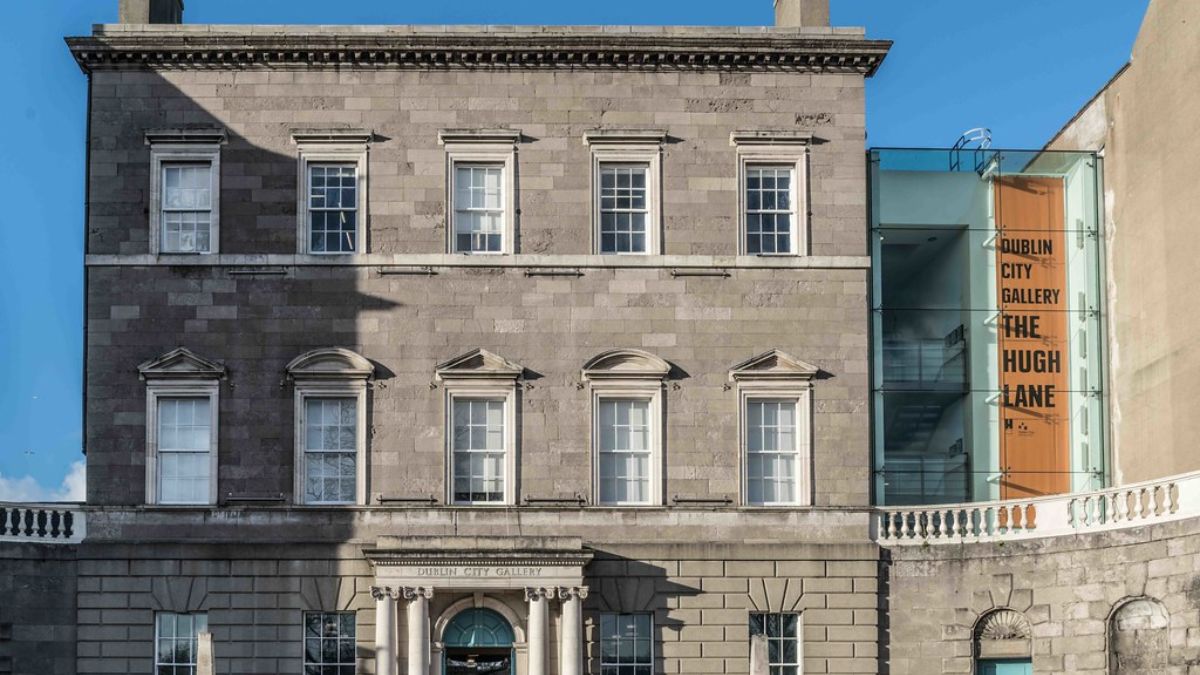
Hugh Lane Gallery
The Hugh Lane holds the world’s most significant collection of works by Francis Bacon, including the reconstructed studio moved brick by brick from London to Dublin. If you have any interest in 20th-century painting, this is not optional. The permanent collection also includes Impressionist works and a strong programme of contemporary Irish art.
Day 3: Finishing at the Abbey
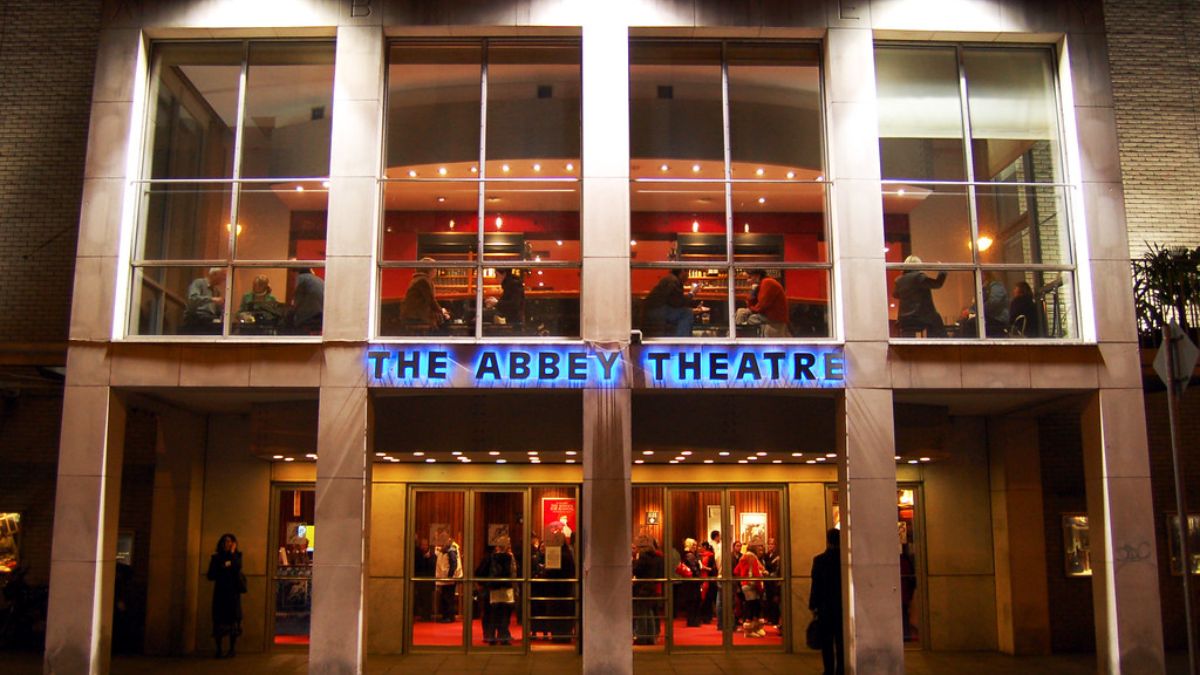
Abbey Theatre
Founded in 1904, the Abbey is Ireland’s national theatre, the birthplace of plays by W.B. Yeats, J.M. Synge, and Seán O’Casey. A matinee performance is a fitting final act for a culture-focused trip. Check the programme in advance and book early, especially for popular productions.
Dining picks for the art enthusiast:
- Breakfast: Two Pups Coffee (speciality coffee, excellent pastries).
- Lunch: Sophie’s Rooftop (views over the city, relaxed atmosphere).
- Dinner: Chapter One (one of Dublin’s finest restaurants, worth the splurge).
Practical tips that apply to all three itineraries
Getting around
Dublin is a walkable city, but the Leap Visitor Card makes hopping on the Luas or a bus effortless when your feet need a rest. The Go City Pass Dublin is worth considering if you’re following a packed itinerary: it covers multiple attractions, and the queue-skipping alone can save significant time at popular sites like the Guinness Storehouse and Kilmainham Gaol.
Where to stay
- Budget: Kinlay House (around €40 per night), well-located and reliable.
- Boutique: The Clarence Hotel (around €200 per night), co-owned by U2, on the south quays.
- Mid-range: The Morgan Hotel (around €150 per night).
- Luxury: The Merrion Hotel (around €450 per night), the benchmark for Dublin hotels.
What to eat
Don’t leave Dublin without trying some genuinely Irish food. You’ll find much more than pub grub if you know where to look. Our guide to Irish foods you must try covers everything from brown soda bread to boxty to the surprisingly excellent seafood chowder you’ll find all over the city.
Conclusion
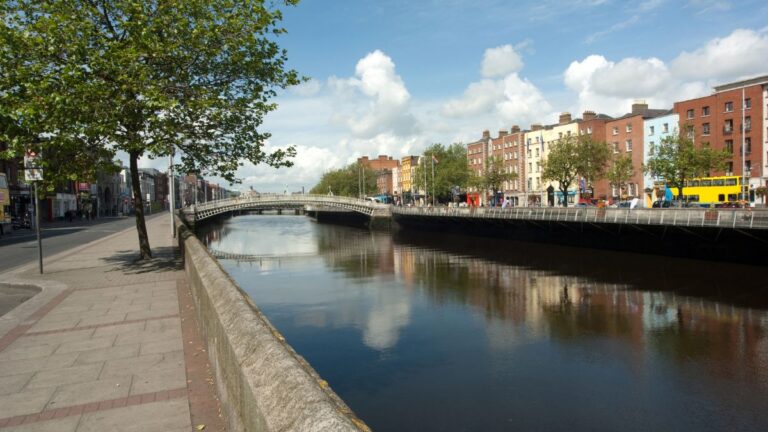
Three days in Ireland is enough time to fall properly in love with Dublin, if you go in with a plan. Whether you’re chasing history, art, or simply the best pint with the best view, the city delivers. Use these itineraries as a starting point, not a rigid schedule. The best moments in Dublin often happen when you put the map away and follow something that catches your eye: a sign for a free lunchtime concert, a bookshop that looks interesting, a canal that seems worth walking alongside.
Come ready to be surprised. Dublin is good at that.
FAQs
What to visit in Dublin in 3 days?
In three days, you can comfortably cover Trinity College and the Book of Kells, Dublin Castle, the Guinness Storehouse, St. Patrick’s Cathedral, Kilmainham Gaol, Phoenix Park, and at least one or two of the city’s excellent free museums. If you’re more interested in art or history specifically, the itineraries above will help you prioritise.
Are 3 days enough for Dublin?
Yes, three days give you a solid introduction to Dublin. You won’t see everything (no one ever does), but you’ll get a genuine feel for the city and cover its most significant attractions without feeling rushed. If you can extend to four days, you’ll have room to take a day trip to somewhere like the Wicklow Mountains or the Boyne Valley.
How much money will I need for 3 days in Dublin?
Budget roughly €150 to €200 per person per day, excluding accommodation. This covers attraction entry fees (plan for €50 to €70 across the three days if visiting paid attractions), meals (€15 to €20 for breakfast, €15 to €25 for lunch, €30 to €60 for dinner), transport (the Leap Visitor Card at €16 covers 72 hours), and a reasonable amount for drinks and incidentals. Dublin is not a cheap city, but it’s very manageable with a plan.
What to do in Dublin for the first time?
First-timers should prioritise Trinity College and the Book of Kells, a walk through Temple Bar (even if you don’t drink), Dublin Castle, the Guinness Storehouse, and at least one of the city’s free national museums. Building in time to simply walk the city centre, along the Liffey, through Merrion Square, or up Grafton Street, is equally important. Dublin is a city that rewards slow walking.
What not to do in Ireland as a tourist?
Avoid rushing through Ireland on a checklist mentality: the country rewards slower travel. Don’t skip the smaller, free attractions in favour of the obvious big-ticket sites. And be mindful of a few common missteps specific to Irish travel. Our full guide to what not to do in Ireland covers the most important ones in detail.