

Dublin has a reputation for expensive pints and even pricier hotel rooms. What it doesn’t get enough credit for is being one of the most generous capital cities in Europe when it comes to things you can do without spending a cent.
So, what are the free things to do in Dublin? Honestly, more than most visitors expect. You’ve got world-class museums with no entry fee, a deer park bigger than most towns, literary trails that wind past the exact pubs where famous writers drank themselves into trouble, and enough green space to fill a week of picnics. I’ve spent months researching this city for readers planning their own Ireland on a budget, and Dublin keeps surprising me with how much it gives away for nothing.
This guide is your shortcut. I’ve grouped 50 free things to do in Dublin into five categories, so whether you’ve got one afternoon or ten days, you can build a plan that costs you nothing but a bit of shoe leather. Let’s get into it.
Free historical and cultural attractions

Dublin’s museums are, frankly, spoiling. Ireland’s national collections are free to enter, which is unusual when you compare it to cities like London, where “free” museums often mean smaller regional ones. Here, the big hitters don’t charge a thing.
- National Museum of Ireland, Archaeology. On Kildare Street, this is where you’ll find the Ardagh Chalice and the bog bodies, actual preserved human remains from the Iron Age. It sounds grim written down, but it’s genuinely one of the most affecting things I’ve heard visitors describe.
- National Museum of Ireland, Decorative Arts and History. Housed in Collins Barracks, this branch covers everything from Irish silverware to military history, and the building itself is worth the visit.
- National Museum of Ireland, Natural History. Nicknamed “the Dead Zoo” by locals, this Victorian cabinet of curiosities has barely changed in over a century, and that’s exactly the charm.
- National Gallery of Ireland. Home to a Caravaggio, Vermeer, and the country’s finest collection of Irish art, with free entry to the permanent collection.
- Chester Beatty. Tucked behind Dublin Castle, this is routinely voted one of Europe’s best museums, and it’s completely free. The rooftop garden alone is worth the walk over.
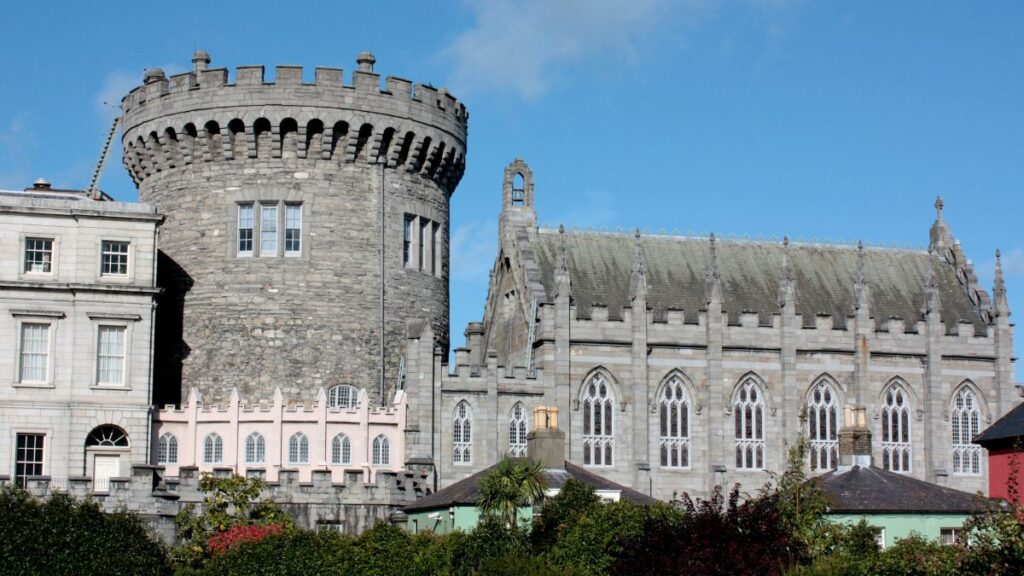
- Dublin Castle’s courtyards and gardens. You can wander the Upper and Lower Yards, the Dubh Linn Garden, and the Chester Beatty grounds without paying anything. Only the State Apartments and Chapel Royal require a ticket.
- Trinity College’s cobbled quads. You don’t need to book the Book of Kells exhibition to walk through one of the oldest university campuses in Europe. The front square and Parliament Square are open to the public.
- Marsh’s Library forecourt and the cathedral quarter. Even if you skip the paid library tour, the area around St Patrick’s Cathedral is one of the most atmospheric pockets of the old city.
- Dublin City Hall’s rotunda. Step inside for free to see the domed entrance hall and its marble statues, then check what’s showing in the basement exhibition space.
- St Patrick’s Park. The gardens beside the cathedral are free and often overlooked, with a literary walk built into the paving stones.
- The GPO on O’Connell Street. You can still see bullet scars on the pillars from the 1916 Rising if you look closely, a small but powerful reminder of the building’s history.
- Glasnevin Cemetery’s general grounds. You don’t need to join the paid tour to walk among the graves of Michael Collins, Countess Markievicz, and Daniel O’Connell.
Parks, gardens and outdoor spaces

This is where Dublin quietly wins. A city with this much accessible green space is rare, and locals use it constantly, not just tourists.
- Phoenix Park. At over 700 hectares, it’s one of the largest enclosed city parks in Europe, and it comes with its own wild deer herd that’s roamed there since the 1660s.
- St Stephen’s Green. A short walk from Grafton Street, this Victorian park has ponds, sculpture, and enough benches for a proper lunch break.
- Iveagh Gardens. Locals sometimes call this Dublin’s secret garden, and they’re not exaggerating. Fewer crowds, a sunken lawn, and a rustic grotto make it feel hidden in plain sight.
- Merrion Square Park. Colourful Georgian houses ring the square, and Oscar Wilde lounges on a rock in the corner, forever mid-quip.
- National Botanic Gardens. A few minutes from Glasnevin, with Victorian glasshouses and a rose garden that’s stunning from late spring.
- War Memorial Gardens, Islandbridge. Designed by Edwin Lutyens, these formal gardens along the Liffey are peaceful and rarely crowded.
- Herbert Park. A favourite with Dublin families, with a duck pond and open lawns perfect for people watching.
- Bull Island and Dollymount Strand. A wide, windswept beach a short bus ride from the city centre, and a genuine nature reserve.
- Howth’s cliff path. The DART train out to Howth costs a small fare, but the coastal walk itself, with sweeping Irish Sea views, is entirely free.
- The Royal and Grand Canal towpaths. Quiet, tree-lined, and dotted with houseboats and swans, these paths are a lovely antidote to the city centre bustle.
Free tours and walking trails

You don’t need a paid guide to understand Dublin’s story. You just need decent shoes and a plan.
- A tip-based walking tour. Several companies run “free” tours where you pay what you feel it’s worth at the end. A friend of mine, Niamh, who’s lived in Dublin’s Portobello neighbourhood for over a decade, always tells visitors this is the single best value activity in the city, since the guides are usually history graduates who genuinely love the material.
- Trinity College’s self-guided campus route. Pick up a free campus map at the gate and wander the quads at your own pace.
- Dublin’s literary trail. Follow plaques and statues connected to James Joyce, Oscar Wilde, and Samuel Beckett scattered through the city centre.
- Stoneybatter and Portobello’s street art. These two neighbourhoods have become unofficial open-air galleries, with murals changing regularly.
- The Georgian doors of Merrion Square and Fitzwilliam Square. Dublin’s famous brightly coloured front doors make for one of the easiest, most photogenic self-guided walks in the city.
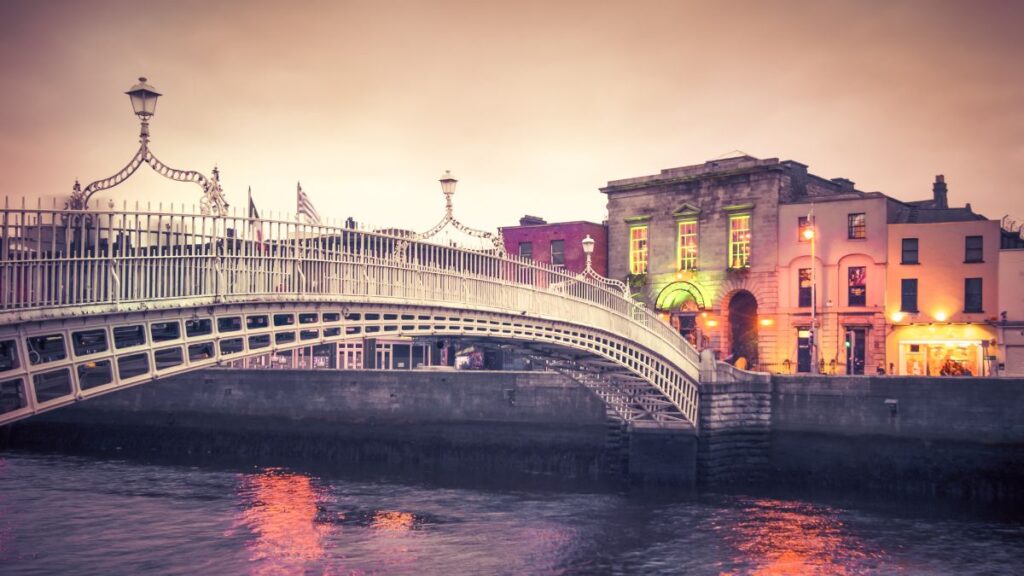
- The Ha’penny Bridge and Liffey boardwalks. Walking the river from Heuston to the Docklands gives you a proper feel for how the city fits together.
- The Docklands and Samuel Beckett Bridge loop. Dublin’s modern side, all glass towers and harp-shaped bridges, is a nice contrast to the Georgian core.
- The Liberties heritage trail. One of Dublin’s oldest working-class neighbourhoods, with markets, old churches, and the Guinness Storehouse’s exterior mural along the way.
Free entertainment and events

This is where Dublin shows its personality. A lot of what makes the city feel alive costs nothing to experience.
- Trad sessions in the city’s pubs. Many pubs, particularly around Temple Bar and the Liberties, host traditional music sessions with no cover charge. You’re only expected to buy a drink if you want one.
- Grafton Street’s buskers. Some genuinely talented musicians have played here before signing record deals, and the atmosphere on a Saturday afternoon is hard to beat.
- Culture Night. Held every September, museums, galleries, and even some private buildings open their doors late into the evening, completely free.
- Open House Dublin. An architecture festival each October that opens up buildings you’d normally never get to see inside, from Georgian townhouses to modern offices.
- Bloomsday. Every June 16th, the city celebrates James Joyce’s Ulysses with free street performances and readings, and plenty of people dress the part.
- St Patrick’s Festival parade. Dublin’s biggest annual celebration fills the streets with music, colour, and free entertainment for days around March 17th.
- Free exhibitions at Temple Bar’s galleries. Spaces like the Gallery of Photography regularly host exhibitions with no admission fee.
- Christmas lights on Grafton and Henry Street. The seasonal lights and window displays are a proper event in their own right each winter.
- Sunday morning market wandering. You don’t have to buy anything at markets around the city to enjoy the produce stalls, the smell of fresh bread, and the general buzz.
- Seasonal outdoor concerts and festivals in the parks. Merrion Square and other green spaces regularly host free summer events, so it’s worth checking local listings before your trip.
Quirky and offbeat Dublin experiences
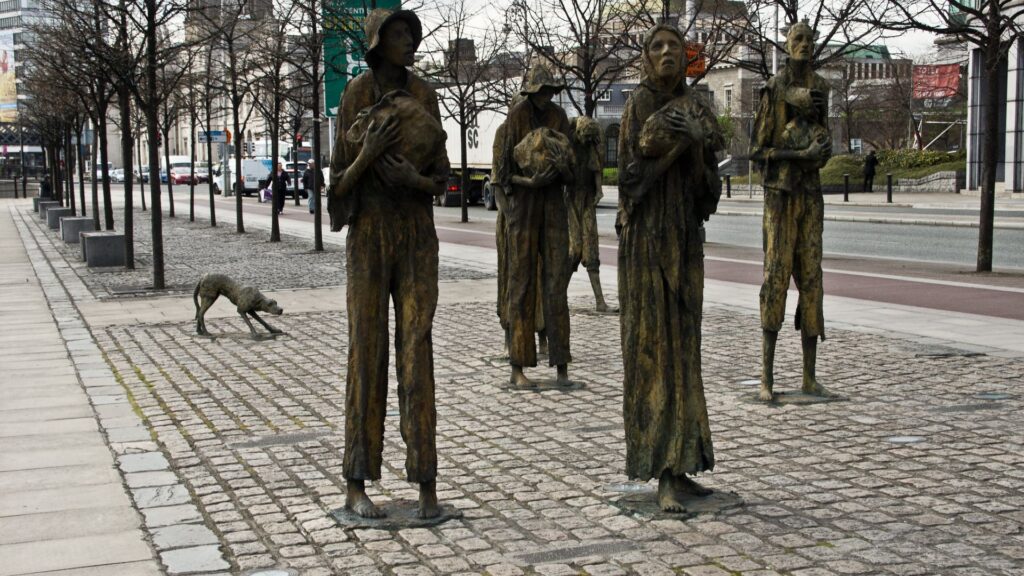
These are the small, strange, and specific things that make a trip memorable, the kind you end up telling people about years later.
- The Molly Malone statue. Love it or find it a bit odd, it’s become one of Dublin’s most photographed spots, and the story behind the song is worth reading up on beforehand.
- Oscar Wilde’s statue in Merrion Square. Locals nicknamed it “the Fag on the Crag” for the writer’s laid-back, cigarette-in-hand pose.
- Patrick Kavanagh’s canal bench. A quiet bronze statue of the poet sits along the Grand Canal, right where he used to write.
- The Spire on O’Connell Street. At 120 metres tall, this stainless steel needle is one of the tallest sculptures in the world, and it’s impossible to miss.
- Window shopping on Henry Street. A reader named Sarah emailed me after her trip last year to say she’d spent an entire rainy afternoon just browsing Henry Street’s shops without spending a euro, and called it one of the highlights of her whole visit.
- The Hellfire Club hike. A steep but free walk up Montpelier Hill on the city’s edge leads to the ruins of an 18th century hunting lodge with a genuinely eerie reputation.
- Viking Dublin markers hidden in the pavement. Look down near Dublin Castle and Wood Quay, and you’ll spot bronze markers tracing the old Viking settlement boundaries.
- People watching from the Ha’penny Bridge. At sunset, this small pedestrian bridge over the Liffey is one of the best free vantage points in the city.
- The swans of the Grand Canal. A small, simple pleasure, but locals have been feeding these swans for generations, and it’s a lovely, slow way to spend half an hour.
- A sunset over the Dublin mountains from Ticknock. A short bus ride from the city gets you to walking trails with views back over the whole of Dublin Bay, and it costs nothing but the fare out there.
A quick note on stretching your budget further
Free attractions will fill most of your itinerary, but if you do want to add a few paid sites like the Guinness Storehouse or Kilmainham Gaol, it’s worth comparing the cost of individual tickets against something like the Go City Dublin Pass, which can work out cheaper if you’re planning to see several paid attractions in a short space of time.
Conclusion
Dublin doesn’t need you to spend money to understand it. Some of the best things I’ve come across researching this city, the hidden garden behind Iveagh House, the swans on the Grand Canal, the sheer scale of Phoenix Park, cost absolutely nothing to enjoy. Pick a handful from this list, lace up comfortable shoes, and let the city do the rest. That’s really the heart of doing Dublin well: it rewards curiosity far more than it rewards your wallet.
Frequently asked questions
What to do in Dublin with no money?
Start with the free museums like the National Gallery and National Museum of Ireland, spend an afternoon in Phoenix Park or St Stephen’s Green, and catch a trad music session in a pub in the evening. Between museums, parks, and walking trails, you can easily fill several days without spending on entry fees.
Where to go in Dublin today for free?
It depends on the day and weather. On a dry day, Phoenix Park or the Howth cliff walk are excellent choices. On a wet one, head indoors to the National Museum, National Gallery, or Chester Beatty, all of which are free year-round.
Can you walk around Dublin Castle for free?
Yes. The courtyards, Dubh Linn Garden, and surrounding grounds are open to the public at no cost. You only need a ticket if you want to go inside the State Apartments or the Chapel Royal.
What museums are free in Dublin?
The main free museums are the three branches of the National Museum of Ireland (Archaeology, Decorative Arts and History, and Natural History), the National Gallery of Ireland, and the Chester Beatty. Some smaller, privately run museums like the Little Museum of Dublin do charge admission.
How to do Dublin cheaply?
Lean heavily on free attractions and outdoor space, use a Leap Card for cheap public transport instead of taxis, self-cater at least a few meals, and only pay for the paid attractions that genuinely matter to you. For a fuller breakdown, our guide to Ireland on a budget covers practical savings across the whole country, not just Dublin.