

There’s a moment most first-time visitors to Ireland experience, usually sometime around day two. You’re standing at a pub bar, someone you’ve never met turns to you, says something like “your round, I think,” and grins. You either know exactly what that means, or you’re about to learn a very Irish lesson the hard way.
Ireland is one of the warmest, most welcoming places on earth. But “welcoming” doesn’t mean “anything goes.” As in any culture with a proud and deeply rooted history, the Irish have their own way of doing things. Respect it, and you’ll be treated like a long-lost friend. Miss the signals, and you might get a polite but unmistakable cold shoulder.
So if you’ve been searching for what Irish customs and etiquette to be aware of before visiting Ireland, here’s your honest, practical answer: understand the pub round system, say hello to strangers (but don’t be loud about it), never rush a conversation, tip modestly but not automatically, and avoid comparing Ireland to England. That’s your starter kit. Now let’s go deeper.
Greetings and social etiquette

The Irish are famously friendly, but their friendliness comes with a particular flavour. It’s warm without being overly familiar, curious without being nosy, and funny without being mean.
When you meet someone in Ireland, a simple “How are you?” or “How’s it going?” is standard. Don’t panic if they answer with “Grand,” “Not too bad,” or “Ah sure, you know yourself.” These all mean fine. Nobody expects a detailed life update.
Physical greetings depend on context. A handshake is standard in formal settings. Among friends, a hug or a kiss on the cheek is common, especially for women greeting each other. But don’t overthink it. Follow the other person’s lead, and you’ll be fine.
A few things worth knowing:
- Eye contact matters. The Irish consider it respectful and genuine. Avoiding eye contact can come across as shifty or rude.
- Banter is a love language. Light teasing, self-deprecating jokes, and witty back-and-forth are all signs someone likes you. If an Irish person is being straight-faced and formal with you, that’s when you should worry.
- Small talk is not small. Commenting on the weather (a national obsession), asking where someone’s from, or chatting about a GAA match is how relationships begin. Don’t skip it.
One thing that catches many visitors off guard is how long goodbyes take. If you’re at someone’s home or even just ending a chat on the street, don’t expect a quick “bye.” You’ll say goodbye, drift toward the door, continue the conversation, pause, say goodbye again, and possibly repeat this cycle three more times. It’s not inefficiency. It’s warmth.
Pub culture: Dos and don’ts

If you want to understand Irish customs and etiquette, you have to understand the pub. The Irish pub isn’t just a place to drink. It’s a community centre, a therapy room, a debate hall, and a concert venue all in one. Understanding pub culture in Ireland is arguably more important than knowing which fork to use at dinner.
The single most important rule: the round system.
Here’s how it works. When you’re out with a group, each person takes turns buying a round of drinks for everyone. When it’s your turn, you buy. When it’s someone else’s turn, you wait. You don’t wander off to the bar to buy your own drink mid-round. You don’t “forget” it’s your turn. And you absolutely never leave before buying your round if it’s coming up.
I spoke to a travel writer friend, Sinead, who moved from Australia to Dublin in her 20s. “I nearly caused an incident in my first week,” she told me. “I’d had two drinks bought for me and then said I was heading home before buying my round. My new colleague pulled me aside afterwards and explained what I’d done. I was mortified. After that, I never left early without checking where we were in the round.”
A few more pub rules to live by:
- Don’t rush your drink. Sipping slowly is fine. Downing drinks is frowned upon.
- Don’t be loud or rowdy. The atmosphere in Irish pubs is convivial, not chaotic. Volume follows the room’s lead.
- Do talk to strangers. It’s not only acceptable, but it’s also expected. A nod, a comment about the match, a question about what’s good on tap. Go for it.
- Don’t ask for “a Guinness.” Well, you can, but in parts of the country, they’ll ask if you want a pint or a half. Know what you want.
- Tipping at the bar isn’t standard. Unlike restaurants, you don’t typically tip bar staff in Ireland. At a sit-down lounge where someone brings drinks to your table, a small tip is appreciated.
And if someone says, “Will you have one?”, the answer is yes unless you genuinely can’t drink. Refusing a drink without a clear reason is considered a bit standoffish.
Gift-giving customs in Ireland

Gift-giving in Ireland is thoughtful but not ceremonial. There aren’t elaborate rituals around it, but there are a few things to keep in mind.
If you’re invited to someone’s home for dinner, bring something. A bottle of wine, a box of chocolates, or flowers are all well-received. Don’t show up empty-handed.
Gifts are usually opened when received, not set aside for later. So if you hand someone a bottle of whiskey, expect them to exclaim over it, thank you, and quite possibly open it that evening.
A few specific notes:
- Handmade or local gifts are appreciated. If you’re from somewhere interesting, bringing something from your region is more meaningful than anything expensive.
- Whiskey is always a good idea. If you’re visiting from abroad and want to bring a gift, a bottle of whiskey from your home country goes down very well.
- Don’t go overboard. Extravagant gifts can make Irish people uncomfortable. There’s a cultural instinct toward modesty. A generous but not excessive gift is the sweet spot.
Dining etiquette and table manners in Ireland

Irish dining etiquette is relaxed compared to, say, a formal French dinner. But “relaxed” doesn’t mean “no rules.”
At a restaurant:
- Wait to be seated if there’s a host or sign asking you to wait. If it’s a casual spot, find your own table.
- It’s perfectly normal to linger after your meal. No one will rush you.
- Splitting the bill is common, especially among friends. Asking for separate bills is fine in most places.
- Keep your voice at a conversational level. Restaurants in Ireland tend to be lively but not loud.
At someone’s home:
This is where Irish customs and etiquette become more personal. If you’re lucky enough to be invited to an Irish home for a meal, consider it a real honour. The Irish take hosting seriously.
- Arrive close to the time stated. A little late (10-15 minutes) is acceptable. Very early is not.
- Compliment the food. Generously. Irish home cooks put enormous effort into feeding guests, and they will notice if you eat in silence.
- Offer to help clear up. They’ll probably say no, but the offer matters.
- Don’t start eating before the host does or before everyone is served.
- Finishing everything on your plate is generally seen as a compliment. Leaving a lot of food behind can look wasteful or suggest the food wasn’t good.
Tea is almost certainly going to be offered. Accept it. Even if you don’t want it, accepting a cup of tea is a social ritual that signals you’re comfortable and not in a rush. Saying “I don’t drink tea” is technically fine but slightly baffling to most Irish people.
Basic etiquette in daily life
Beyond pubs and dinner tables, there are Irish customs and etiquette norms that apply to everyday life. These are the small things that show whether you’re paying attention.
Queue with dignity. The Irish take queuing seriously. Jumping a queue is deeply offensive. Wait your turn, don’t try to sneak in, and if you accidentally cut in, apologise immediately and move back.
Say please and thank you. Always. To everyone. Shopkeepers, bus drivers, baristas. Politeness is currency here.
Don’t be brash about money. Asking someone directly what they earn, how much they paid for their house, or commenting on the cost of things in a loaded way is considered vulgar. Money is private.
Swearing is… complicated. The Irish swear more casually than many cultures, and colourful language in conversation isn’t automatically offensive among friends. But read the room. In a shop, a formal setting, or around people you don’t know well, keep it clean.
Respect for the Church has shifted. Ireland has changed significantly in the past two decades. Religion is a personal matter now, not a public one. Don’t assume someone’s faith based on their name or background, and don’t bring up religion unless they do.
Driving etiquette: If you’re renting a car and heading into rural Ireland, you’ll quickly learn about the one-finger wave. When two cars pass each other on a narrow country road, drivers lift a single finger from the steering wheel as a greeting. If someone does it to you, do it back. It’s not weird. It’s lovely.
Tipping in Ireland: A brief overview

Tipping in Ireland works differently from what Americans or Australians might expect.
The short version: tipping is appreciated but not obligatory, and the amounts are generally more modest than in the US.
Here’s a rough guide:
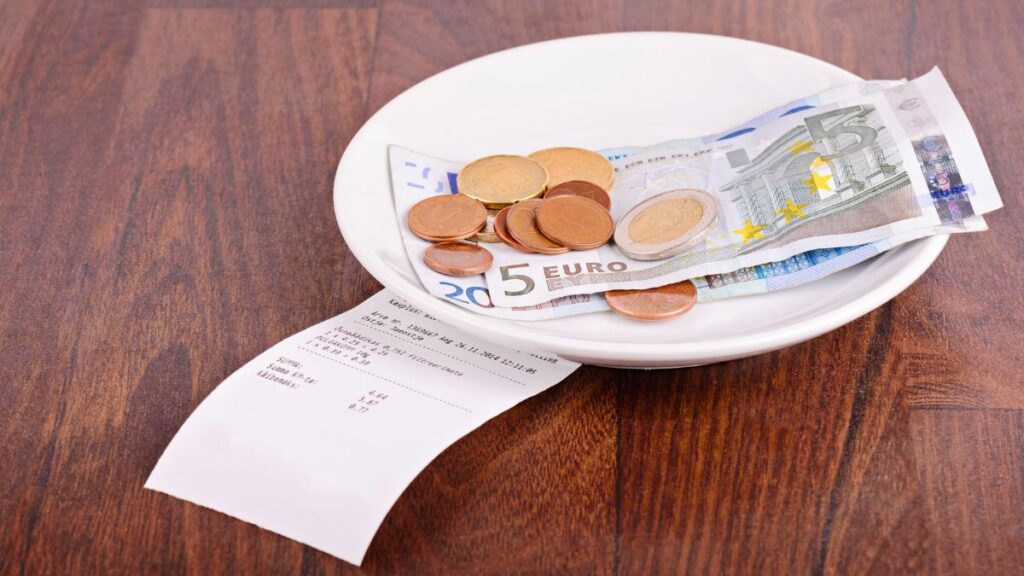
- Restaurants: 10-15% for good service. Some places add a service charge automatically, so check your bill before adding more.
- Taxis: Round up the fare or add a euro or two. You’re not expected to tip 20%.
- Hotels: A euro or two per night for housekeeping is a kind gesture. Tip porters if they carry your bags.
- Pubs: Not standard at the bar. If table service is provided, a small tip is welcome.
- Hairdressers and beauty therapists: A small tip (a few euros) is appreciated but not required.
Never feel pressured to tip if the service was poor. And don’t make a performance of tipping in Ireland, leaving a large, conspicuous tip can feel a bit showy.
What not to do in Ireland

Some things you genuinely should not do when visiting Ireland. For a more detailed breakdown, check out our full guide on things not to do in Ireland, but here are the headlines.
Don’t compare Ireland to England. Ireland is not England. It is not part of the United Kingdom (the Republic isn’t, anyway). It has its own language, its own history, its own sports, its own identity. Mixing them up or treating them as interchangeable is, at best, ignorant and at worst deeply offensive.
Don’t do a fake Irish accent. Just don’t. What feels like fun to you often lands as mockery.
Don’t call a local pub “quaint” or treat it like a tourist attraction. Pubs are living, breathing community spaces. Wandering in with a camera and treating it like a theme park is rude.
Don’t ignore the GAA. The Gaelic Athletic Association runs Gaelic football and hurling, which are not minor sports here. They’re central to Irish identity, especially outside the cities. If someone wants to talk about the match, engage genuinely.
Don’t be aggressive about the Troubles or Irish politics. These are serious, complex, and often painful topics. If they come up, listen more than you talk.
Don’t litter. Ireland is beautiful, and the Irish are proud of it. Leaving rubbish behind is a quick way to make a bad impression.
Conclusion
Ireland rewards visitors who come with genuine curiosity and a little cultural awareness. The Irish customs and etiquette outlined here aren’t a minefield. They’re an invitation to connect more authentically with a place and its people.
Buy your round. Accept the tea. Don’t rush the goodbye. Compliment the dinner. Wave on the country roads. Do these things, and you won’t just visit Ireland, you’ll actually experience it.
FAQ
What is considered impolite in Ireland?
Several things can come across as rude to Irish people, even if unintentional. Refusing hospitality (especially tea or a drink) without a good reason can seem standoffish. Jumping a queue is taken very seriously and won’t be forgiven quickly. Comparing Ireland to England, or getting the two confused, is a common tourist mistake that tends to irritate locals. Being loud, brash, or overly flashy about money also goes against the grain of Irish social culture, which tends to value modesty and wit over shows of wealth.
What are traditional Irish customs?
Traditional Irish customs include a strong culture of hospitality (always offering food, tea, or drink to guests), a deep respect for community gatherings, the pub round system, storytelling as a social art form, and observance of Catholic festivals like Christmas and Easter (though religious practice has declined significantly). Traditional music sessions, the speaking of Irish (Gaeilge) in Gaeltacht regions, and attending GAA sports events are also deeply rooted cultural practices.
What are the 7 etiquette rules?
While there’s no single official list, seven key etiquette rules for Ireland would be: (1) Participate in the pub round system; (2) always queue and wait your turn; (3) greet people warmly and make time for small talk; (4) bring a gift if invited to someone’s home; (5) accept hospitality graciously, especially tea; (6) respect Ireland’s distinct identity and never conflate it with England; (7) be punctual-ish (not early, not very late) for social occasions.
What not to do in Ireland as a tourist?
Don’t skip your round at the pub. Don’t do a fake Irish accent. Don’t treat Ireland as an extension of English culture or get the two mixed up. Don’t litter in the countryside. Don’t rush conversations or goodbyes. Don’t talk politics or religion unless someone else leads the conversation there. And don’t wander into a local pub and treat it like a museum exhibit.
What is considered bad etiquette?
Bad etiquette in Ireland includes: arriving very early to someone’s home (it implies the host isn’t ready, which is embarrassing), refusing offered food or drink repeatedly without explanation, speaking too loudly in restaurants or public spaces, making jokes that put down Irish culture or history, and being dismissive of local sports, traditions, or the Irish language. Being overly transactional, skipping pleasantries, or acting impatient during conversations are also signs that you haven’t quite tuned into the Irish social frequency.