

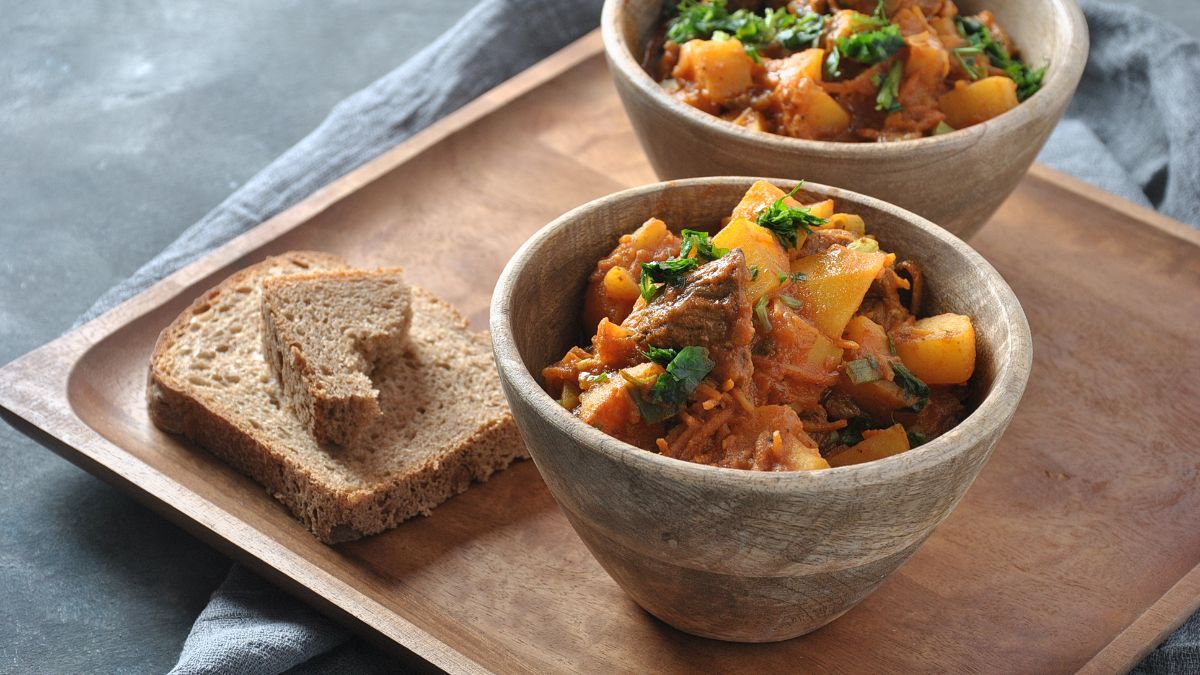
There’s a moment that happens to almost every visitor to Ireland. You’ve just stepped in from the cold, a little damp, maybe slightly lost. You find a pub, sit down, and order whatever the person next to you is having. What arrives changes everything.
That’s the thing about Irish food. It doesn’t try to impress you. It just takes care of you.
If you’re planning a trip and wondering which Irish foods you actually need to try, here’s the short answer: prioritise the stew, don’t skip breakfast, and always say yes to soda bread. But the longer answer is much more delicious, and that’s what this guide is for.
Whether you’re spending a long weekend in Dublin or driving the Wild Atlantic Way, these are the 10 Irish foods that belong on your plate.
1. Irish stew
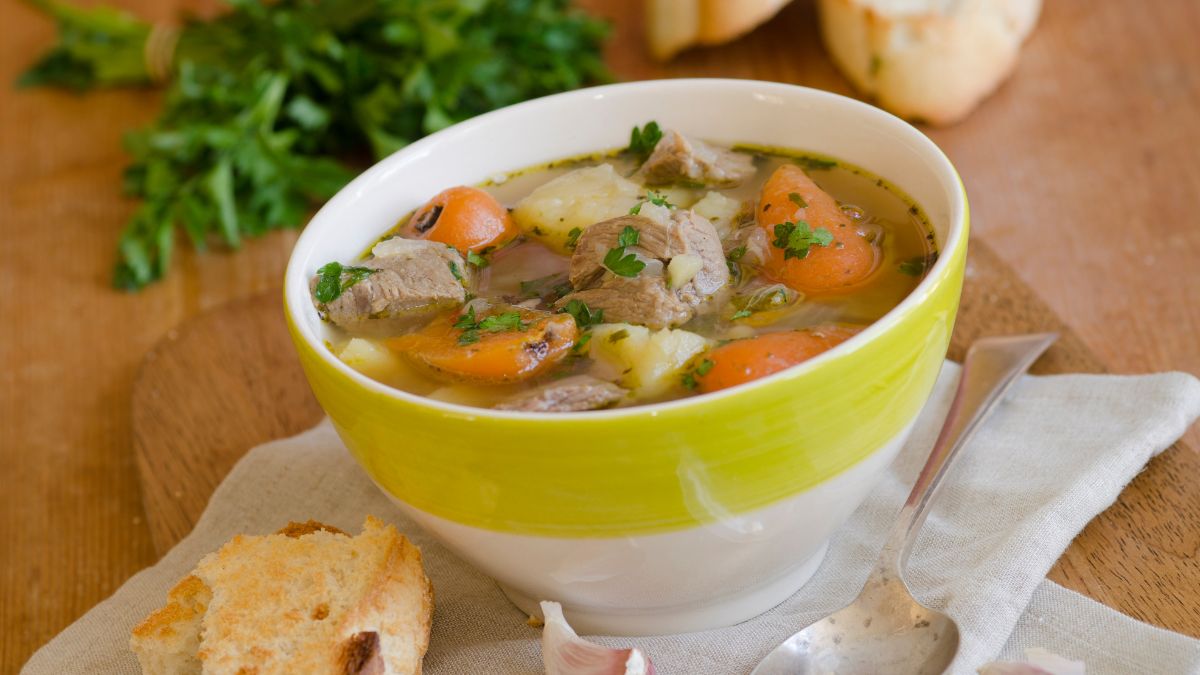
If Ireland had a national food, Irish stew would be the obvious candidate. It’s been feeding people here for centuries, and once you taste a proper bowl, you’ll understand why it’s never gone out of fashion.
Traditional Irish stew is built around lamb (sometimes mutton), potatoes, onions, and carrots, slow-cooked until everything is tender and the broth has thickened into something deeply savoury and warming. Some cooks add barley. Some use Guinness. Every family has their version, and every version is worth trying.
Where to find it: Most traditional pubs serve a reliable Irish stew. In Galway, a small pub near the Spanish Arch called Tigh Neachtain has been serving a lamb stew that regulars swear by. The portions are generous, the bread comes on the side, and the whole thing costs less than you’d expect.
And the best part? In Ireland, the pub is never just about the food. If you time it right, your bowl of stew will arrive just as a session of traditional live music begins in the corner. Check out our guide to the best pubs with live music in Ireland to find the ones worth planning your evening around.
2. Boxty
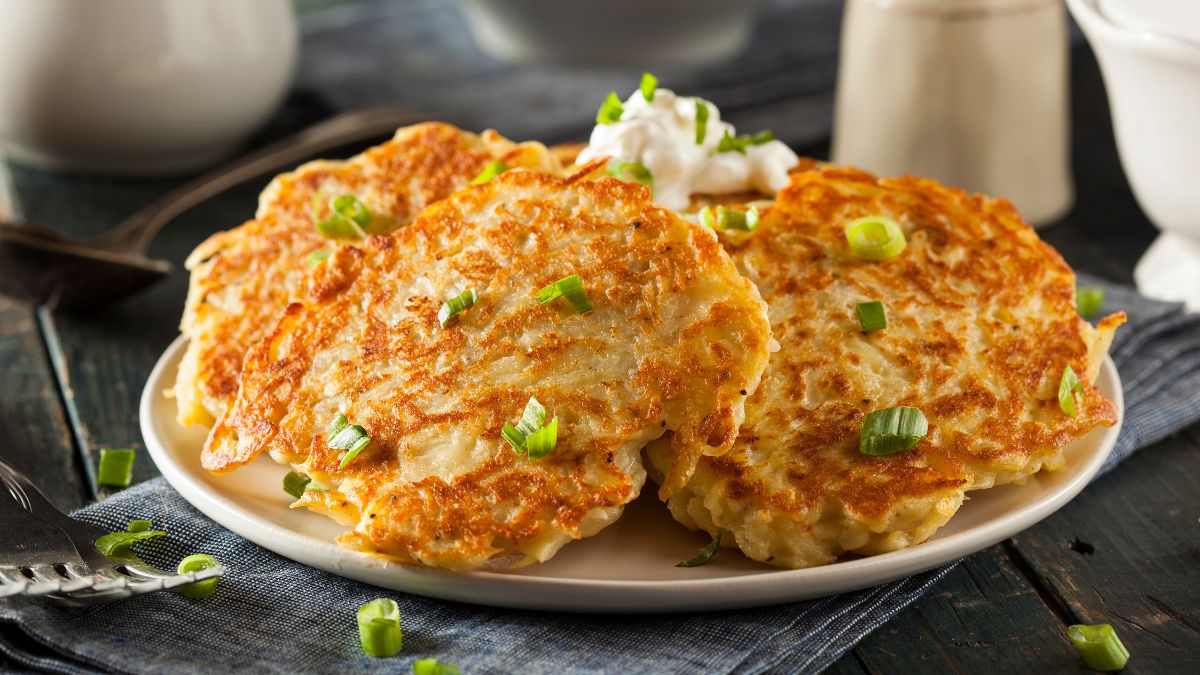
Potatoes are serious business in Ireland. There are roasted potatoes, boiled potatoes, mashed potatoes, and then there’s boxty, the dish that uses grated raw potato mixed with mashed potato and pan-fried into something that’s equal parts pancake and hash brown.
The texture is what gets you. Crispy on the outside, soft and slightly dense in the middle. It’s traditionally served with butter, but modern Irish restaurants have started pairing it with smoked salmon, sour cream, or even pulled pork.
The old rhyme goes: “Boxty on the griddle, boxty in the pan; if you can’t make boxty, you’ll never get a man.” It’s a bit dated, but it tells you something about how central this dish is to Irish culinary identity.
Where to try it: Boxty House in Dublin’s Temple Bar is the obvious choice and a genuinely good one. They’ve built an entire menu around the humble potato pancake, and the queues at lunchtime tell you everything you need to know.
3. Soda bread
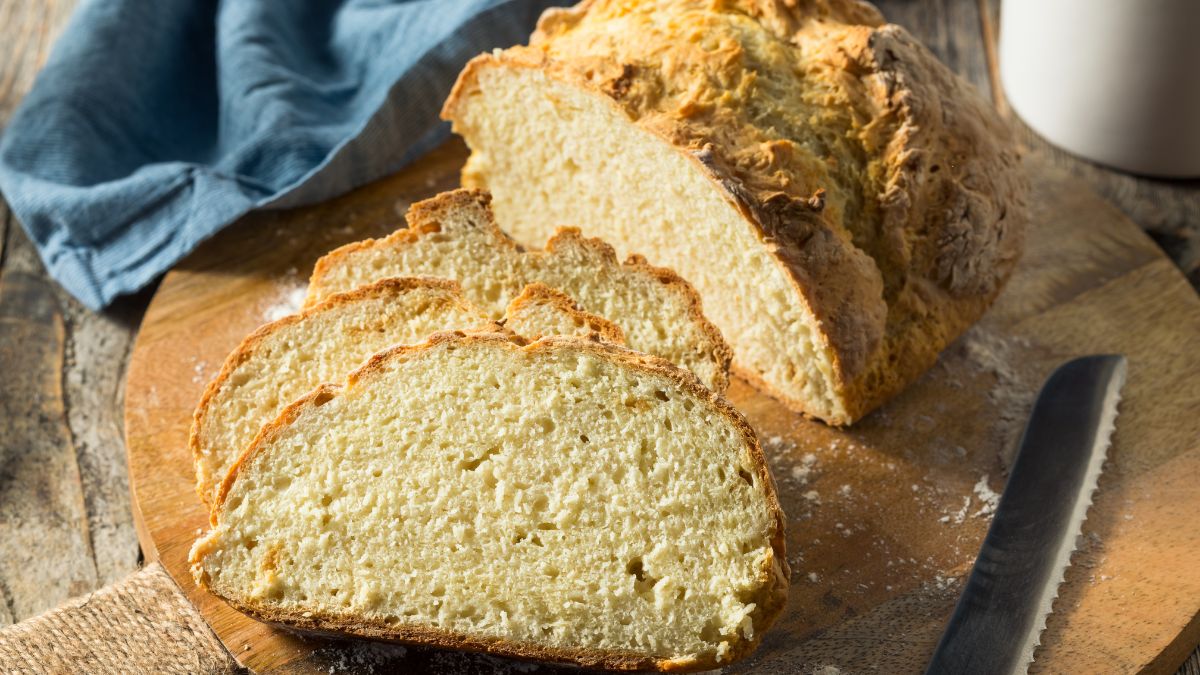
Soda bread is one of those Irish foods that sounds simple until you eat a slice fresh from the oven with proper Irish butter. Then you understand why people talk about it the way they do.
Unlike yeast breads, soda bread uses bicarbonate of soda as its raising agent, which means it comes together quickly and has a dense, slightly tangy crumb. The crust cracks beautifully. It goes with everything: soup, stew, smoked salmon, or just butter and a cup of tea.
Brown soda bread is the more traditional version, made with wholemeal flour. White soda bread is lighter and slightly sweeter. Both are worth your attention.
A quick tip: If you’re buying soda bread in a supermarket or deli, look for one that’s been baked that day. Day-old soda bread is still good. Fresh soda bread is something else entirely.
4. Seafood chowder
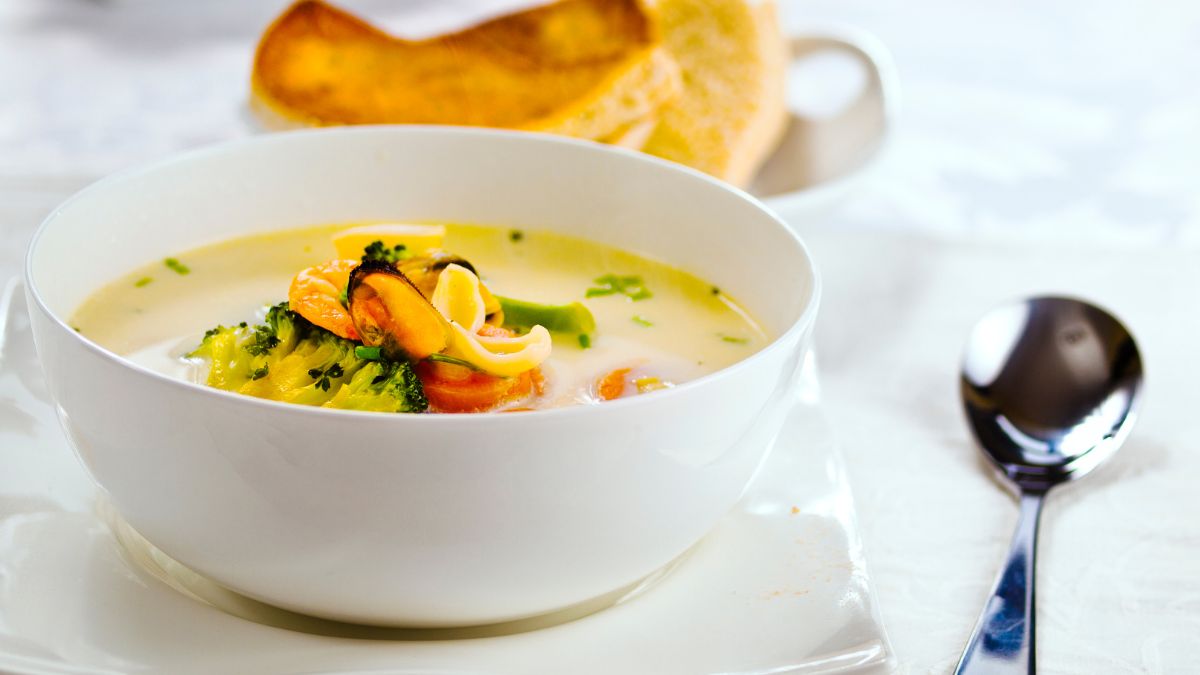
Ireland is surrounded by cold, clean water, and that water produces exceptional seafood. The best expression of this, in my opinion, is a well-made seafood chowder.
This isn’t a delicate bisque. Irish seafood chowder is thick, creamy, and loaded with fish. You might find smoked haddock, salmon, prawns, mussels, and cod all in the same bowl, swimming in a broth enriched with cream and seasoned simply so the seafood does the talking. It arrives with, yes, more soda bread on the side.
I had my best bowl at a small restaurant on the Dingle Peninsula in Kerry. We’d been walking the cliff paths all morning, and the chowder arrived steaming, practically glowing. It’s the kind of meal that resets you completely.
Where to find the best chowder: Anywhere along the west coast, particularly in counties Clare, Galway, Mayo, and Kerry. The closer you are to the water, the better it tends to be.
5. Black pudding
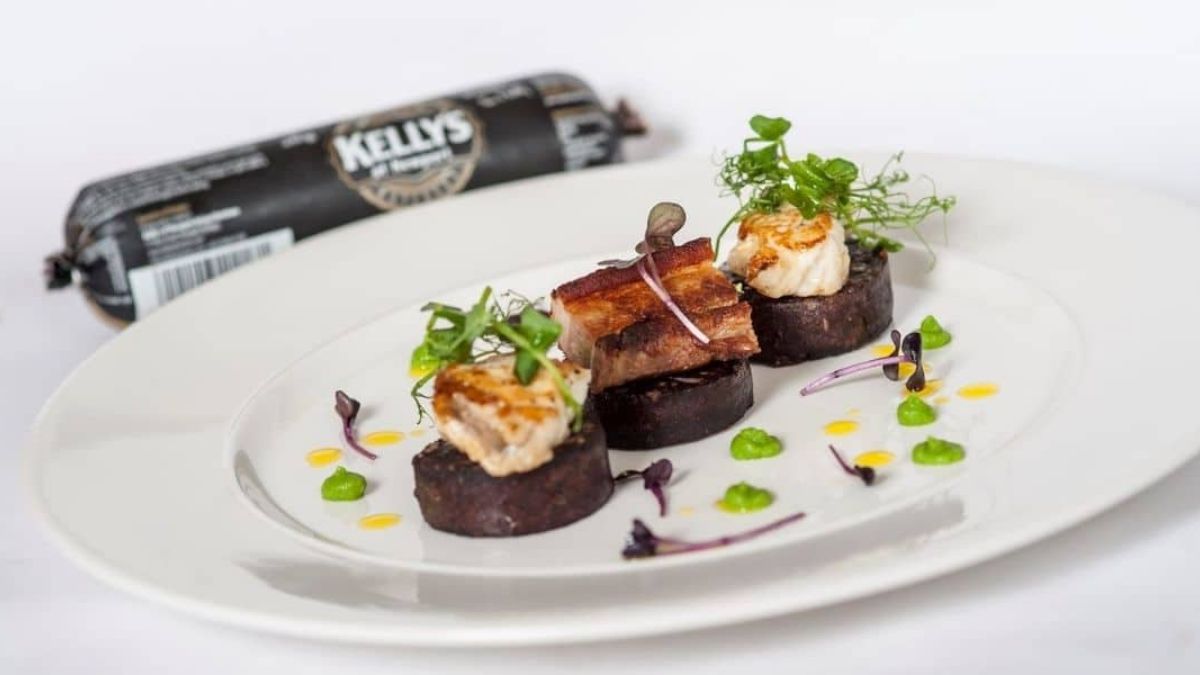
Black pudding has a reputation that puts some visitors off. It’s made from pork blood, fat, oatmeal, and spices, formed into a cylinder and sliced before frying. Once it hits a hot pan, it develops a crispy exterior and a soft, intensely savoury interior.
The flavour is earthy and rich, with a slight spice from white pepper and herbs. If you’ve only ever encountered cheap supermarket black pudding, Irish black pudding from a proper butcher or artisan producer will surprise you.
Clonakilty Black Pudding from County Cork has been made since 1884 and is considered one of the finest in the country. You’ll find it on breakfast plates across Ireland, and once you try a good slice, you’ll stop leaving it on the side of your plate.
6. Full Irish breakfast
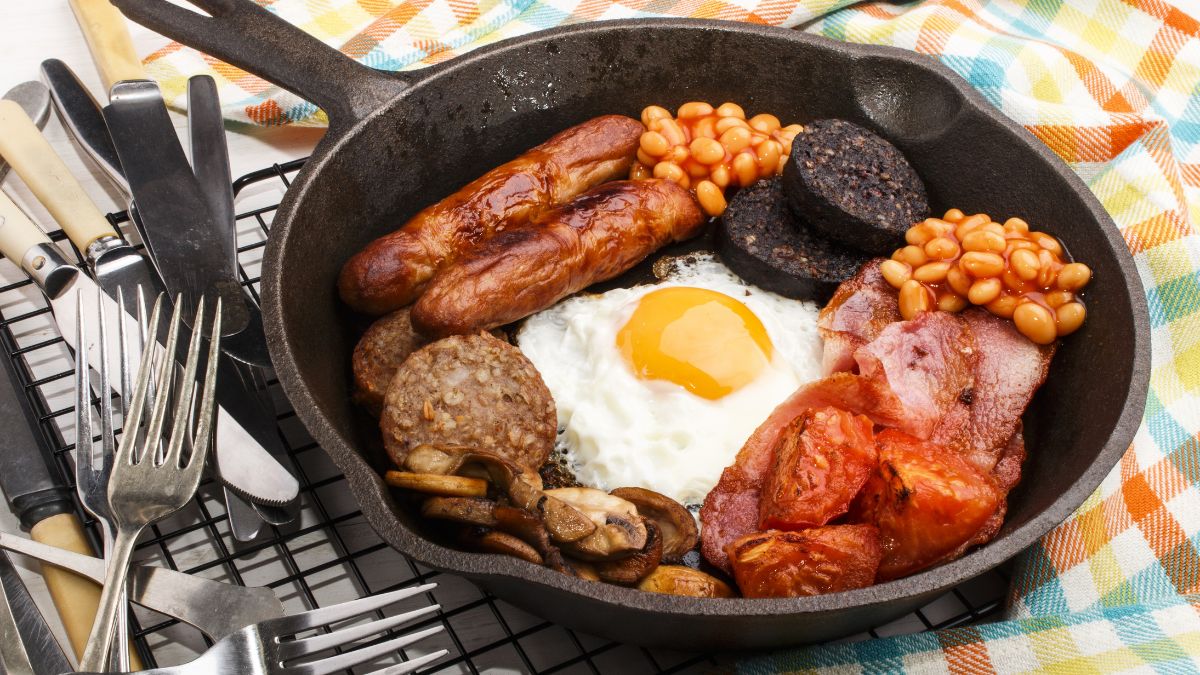
The full Irish breakfast is less a meal and more a commitment. Done properly, it includes bacon (back rashers, not streaky), sausages, black and white pudding, fried or scrambled eggs, grilled tomato, sautéed mushrooms, baked beans, and toast or soda bread. Some places add hash browns. Some include white pudding alongside the black.
It is, objectively, a lot. But it’s also one of the great Irish foods precisely because it’s built for cold mornings and long days.
What separates a proper full Irish from a mediocre one is the quality of the components. Irish pork sausages have a high meat content and a particular sweetness. The bacon is thick and lightly cured. The eggs are usually very fresh.
Pro tip: If you’re travelling on a budget, a full Irish breakfast at a local café will often be cheaper than any other meal in Ireland and will keep you going for hours. And if you want to round out your morning properly, many distilleries across the country open for tours and tastings mid-morning, making a full Irish breakfast the perfect fuel before you go. Our guide to the best Irish whiskey distilleries to visit has everything you need to plan that part of the trip.
7. Colcannon
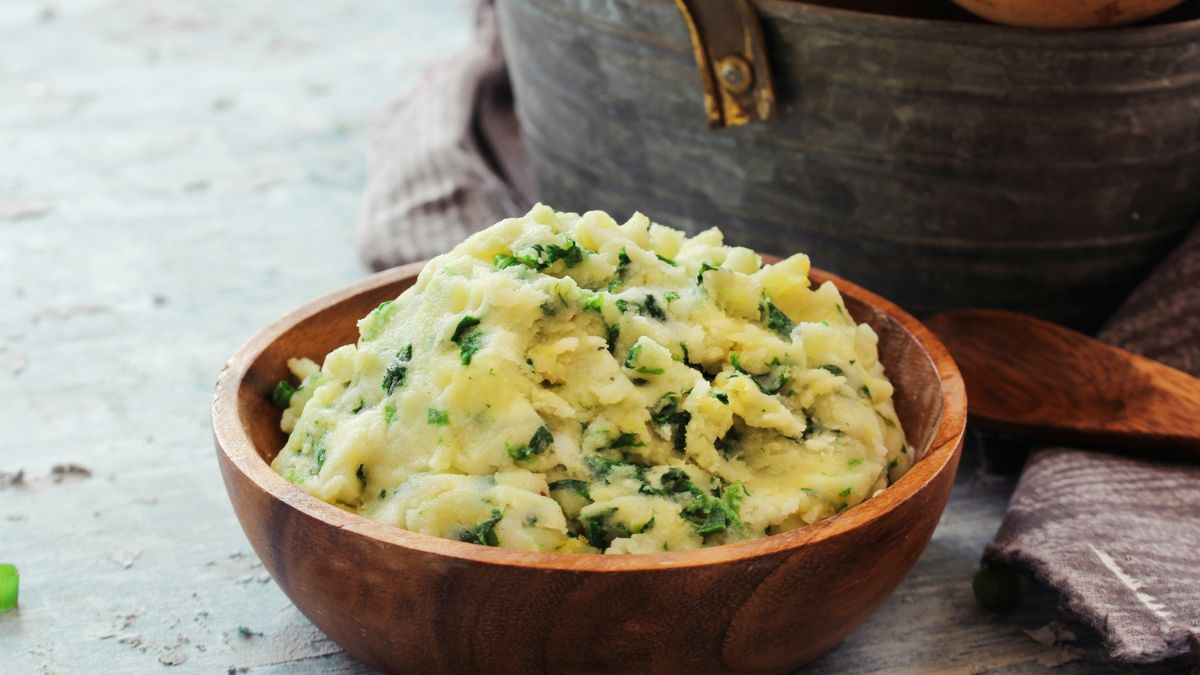
Colcannon is mashed potatoes taken somewhere better. It’s made by mixing creamy mashed potato with steamed kale or cabbage, butter, and spring onions (or scallions, as the Irish call them). The result is simultaneously humble and deeply satisfying.
It’s traditionally eaten around Halloween, often with a coin or ring buried inside for good luck, but you’ll find it on menus year-round as a side dish. It pairs beautifully with lamb chops, a piece of roast beef, or, honestly, just on its own with an extra knob of butter melting on top.
If you’re looking for Irish foods that capture the spirit of the country’s relationship with its land and its seasons, colcannon is a good place to start.
8. Irish salmon
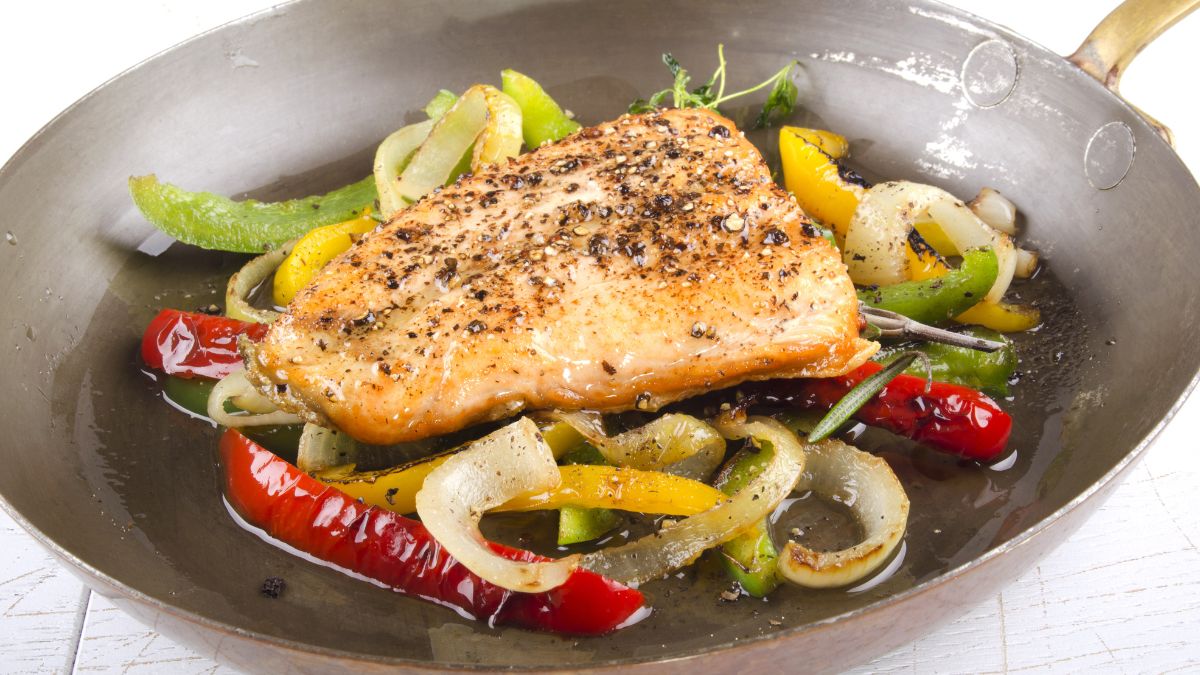
Ireland produces some of the best salmon in the world. The cold Atlantic waters, the clean rivers, and (in the case of wild salmon) the sheer effort the fish puts into getting to its spawning grounds all contribute to a flavour that farmed salmon can’t replicate.
Smoked Irish salmon, in particular, is something to seek out. It’s typically cold-smoked over oak or beechwood, which gives it a delicate smokiness without overpowering the clean, fatty richness of the fish. You’ll find it served on brown bread with cream cheese, lemon, and capers at virtually every good restaurant in the country.
Wild Irish salmon is seasonal and harder to find, but worth asking about if you’re visiting between late spring and early autumn. If a restaurant is serving it, they’ll usually be proud enough to say so.
9. Irish apple cake
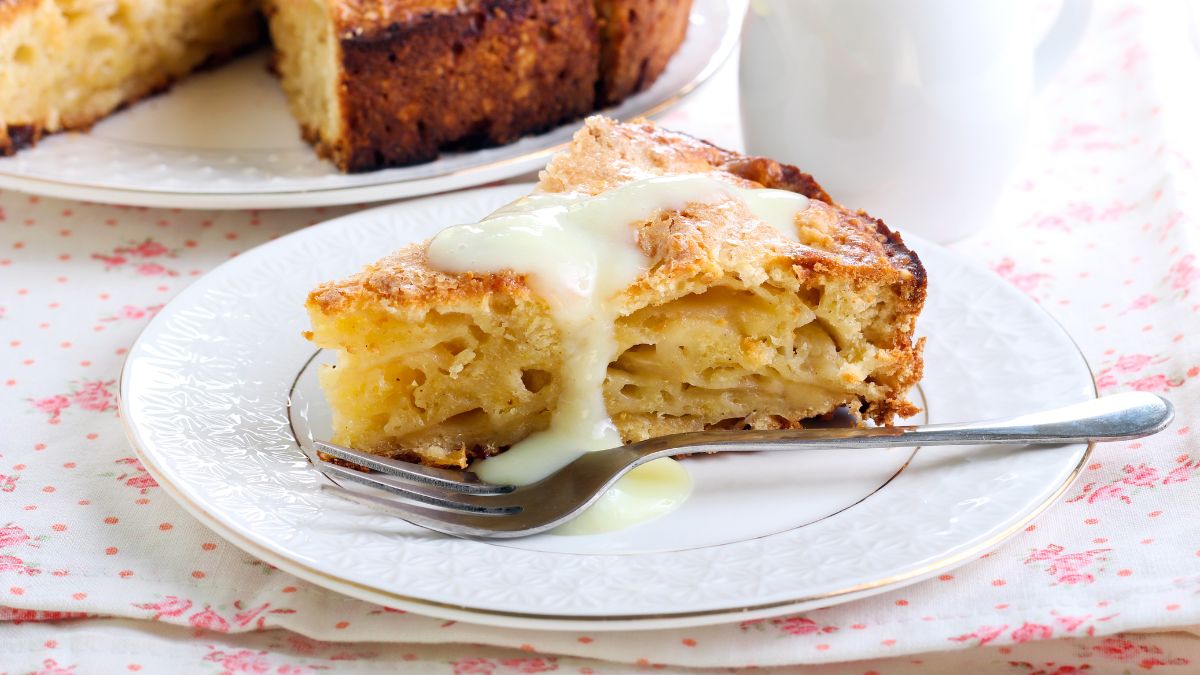
Irish desserts don’t get nearly as much attention as they deserve. Apple cake is the one that always earns its place at the table.
It’s a simple, single-layer cake: a buttery sponge with chunks of tart cooking apple baked through it, often flavoured with cinnamon or cloves, served warm with a generous pour of fresh cream or custard. It’s the kind of cake that tastes exactly like autumn, even in the middle of July.
The apples used are usually Bramley apples, which are sharp and hold their shape during baking, creating pockets of softness throughout the crumb. It’s one of those Irish foods that surprises visitors who expect something fancier. But sometimes simple is exactly right.
Where to try it: Look for it in traditional tea rooms, country house hotels, and family-run restaurants. It’s rarely the flashiest thing on the menu, but it’s almost always the most satisfying.
10. Barmbrack
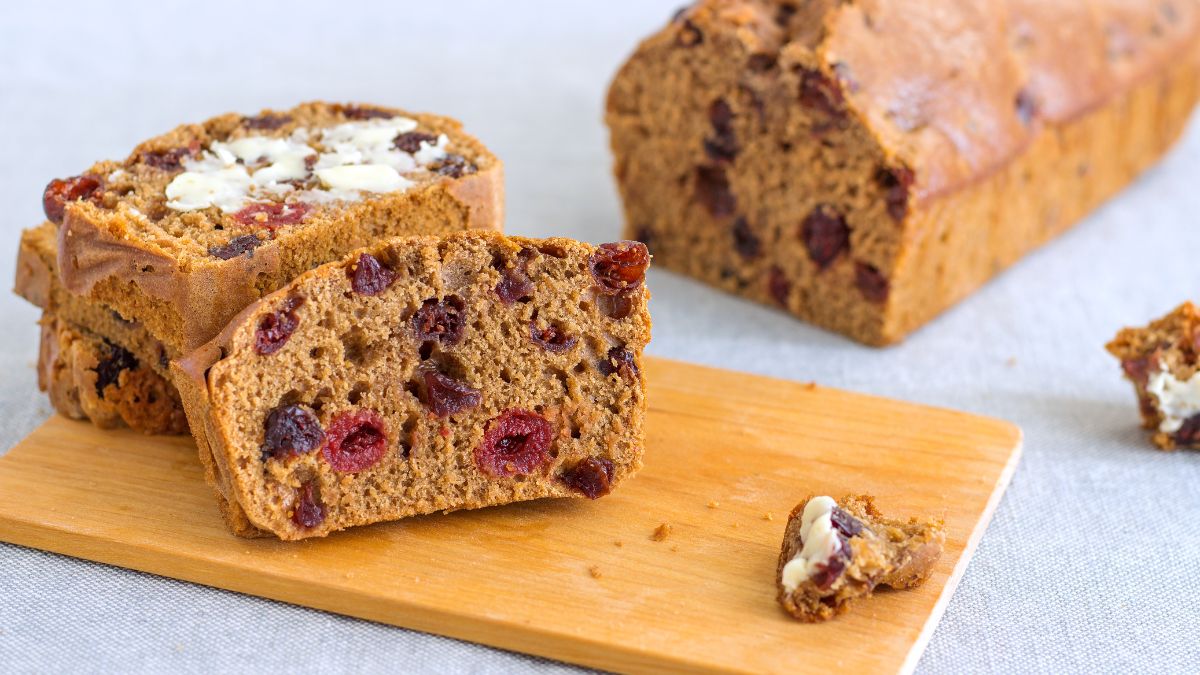
Barmbrack is a yeasted fruit bread, speckled with plump sultanas and raisins, slightly sweet, and sliced thickly before being spread with salted butter. It’s one of the oldest Irish foods still widely eaten today.
The tradition around Halloween is that a ring, a coin, a piece of cloth, and a stick are baked inside the loaf. Whoever finds each item supposedly gets a glimpse of their future: the ring means marriage, the coin means wealth, the cloth means hard times ahead, and the stick means… well, let’s not dwell on that one.
Outside of Halloween, barmbrack is simply a very good tea bread. It’s sold in every supermarket and bakery in Ireland, wrapped in wax paper, and it’s one of the most genuinely Irish foods you can take home as a gift, because it travels well and tastes better than any souvenir shortbread.
Conclusion
Irish food is not trying to be the most exciting cuisine in the world. What it is, reliably and generously, is honest. It’s food made from good ingredients, treated with care, and served in portions that mean you won’t be hungry again for a while.
From the richness of a slow-cooked stew to the quiet pleasure of a slice of barmbrack with your afternoon tea, these 10 Irish foods tell the story of a country shaped by its land, its weather, and its people. When you’re planning your trip, don’t just visit the sights. Sit down, order the stew, and let the food do what it’s always done best.
Frequently asked questions about Irish food
What are traditional Irish foods?
Traditional Irish foods are built around locally sourced ingredients, particularly potatoes, pork, dairy, and seafood. Dishes like Irish stew, colcannon, soda bread, boxty, and full Irish breakfast have been staples for generations. These dishes are simple by design, reflecting a culinary tradition that values substance and flavour over complexity.
Which food is famous in Ireland?
Irish stew is probably the most internationally famous Irish food, but the full Irish breakfast runs it close. Smoked salmon, black pudding, and soda bread are also foods that people strongly associate with Ireland, and all four are widely available wherever you travel in the country.
What is Ireland’s most famous dish?
Irish stew holds the title of Ireland’s most iconic dish. Made with lamb or mutton, potatoes, onions, and carrots, it’s been a centrepiece of Irish cooking for centuries. It’s the dish most likely to appear on a traditional Irish pub menu, and the one most visitors specifically seek out when they arrive.
What is traditional food in Dublin?
Dublin has its own food traditions, including coddle, a stew made from sausages, bacon, onions, and potatoes that’s considered a working-class Dublin classic. Beyond coddle, you’ll find the same core Irish foods across the city: full Irish breakfasts, seafood chowder, Irish stew, and soda bread, particularly in older pubs and traditional cafés. The city also has a growing food scene with modern Irish restaurants that use classic ingredients in creative ways.
What is Irish comfort food?
Irish comfort food centres on warmth, heartiness, and simplicity. Colcannon, Irish stew, boxty, and a full Irish breakfast all fall into this category. Barmbrack with butter and a cup of strong tea is the more gentle end of the comfort food spectrum. What connects all of these dishes is that they’re made to make you feel better, whether you’re cold, hungry, or just in need of something that feels like home.