
There’s a creature lurking in Irish folklore that doesn’t fit neatly into any box. It’s not purely evil, not entirely good, and it has absolutely no interest in being predictable. One night it might carry you safely home from the pub. The next, it could fling you into a ditch, laughing as it gallops away into the dark.
That creature is the púca (also spelled pooka), and if you’ve ever asked yourself “what is a púca?”, you’re in the right place.
In short: the púca is a shape-shifting spirit from Irish mythology, capable of taking many forms, both animal and human. It’s one of the most complex and enduring figures in all of Celtic folklore, and once you start digging into its stories, you’ll understand why people have been talking about it for centuries.
Let’s get into it.
Where does the púca come from?
The word “púca” is Irish in origin, likely derived from the Old Norse word “púki,” meaning a nature spirit or mischievous being. Some scholars link it to the Proto-Germanic root that also gave us the English word “puck,” as in Shakespeare’s mischievous fairy in A Midsummer Night’s Dream. Others connect it to the Irish word for ghost or spirit.
What’s fascinating is that versions of the pooka appear across a surprisingly wide geographic range. You’ll find similar creatures in Welsh folklore (the pwca), in Cornish tradition, and even in Scandinavian mythology. This spread suggests the concept is ancient, predating written records and travelling with the movements of Celtic and Norse peoples across northern Europe.
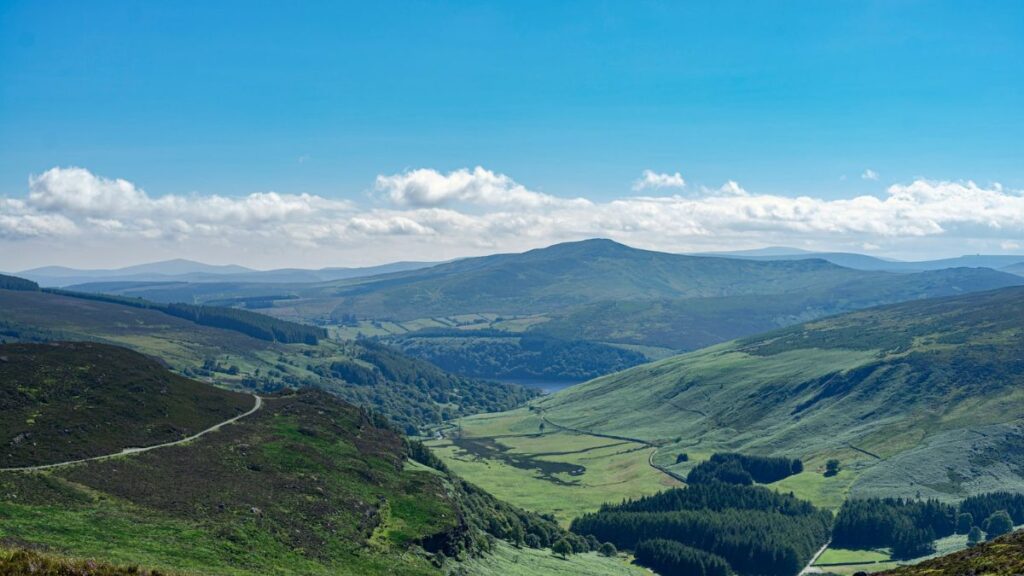
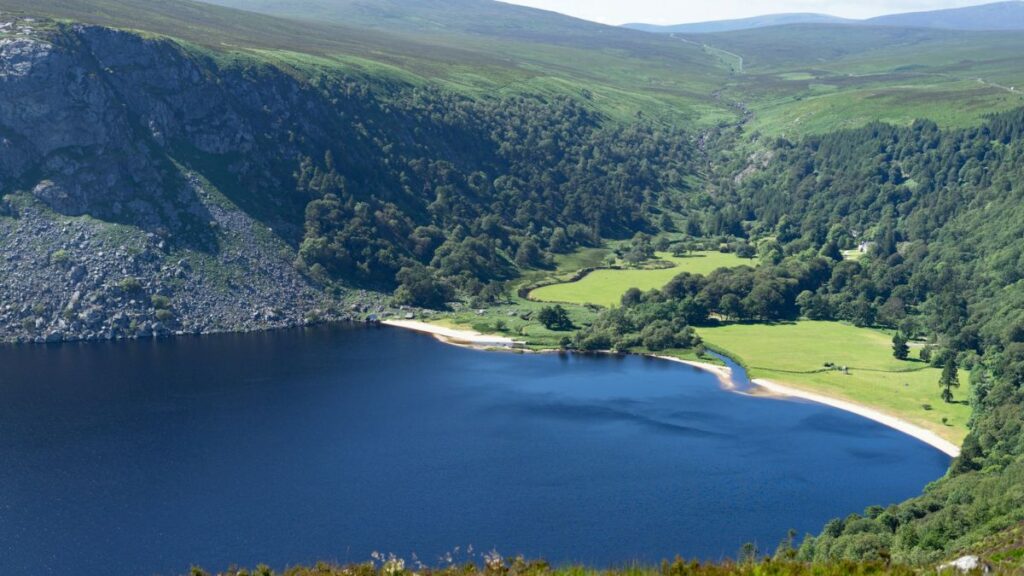
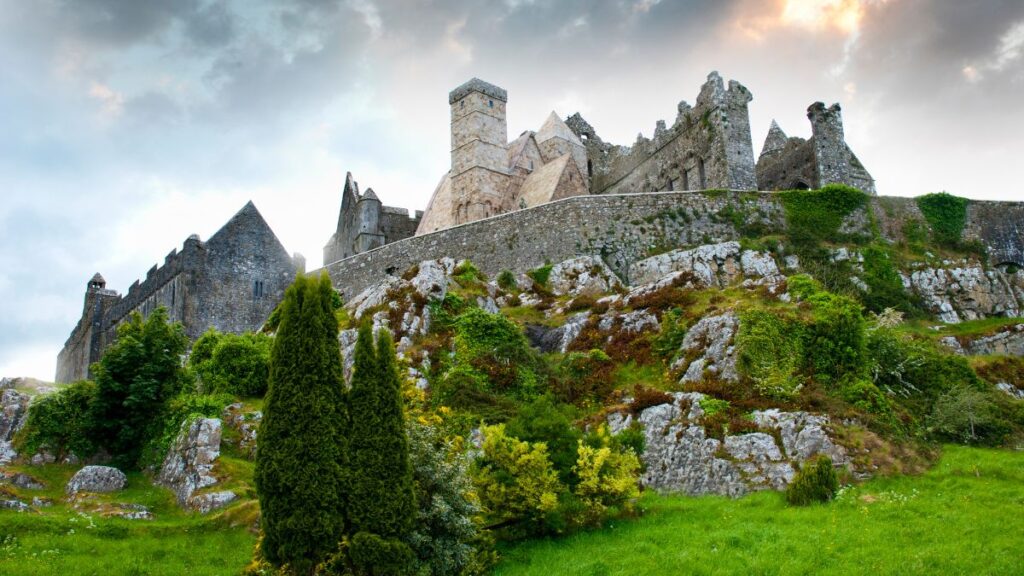
In Ireland specifically, the púca is deeply rooted in the rural landscape. It’s tied to particular hills, rivers, bridges, and crossroads across the country. Places with “poul” or “pooka” in their name, like Pollaphuca waterfall in County Wicklow, are often remnants of this older belief system. The land itself carries the memory of these creatures.
What does a púca look like?

Here’s where it gets interesting. Ask ten people what a púca looks like, and you’ll get ten different answers, and all of them would technically be correct.
The púca is a shapeshifter. It can take the form of:
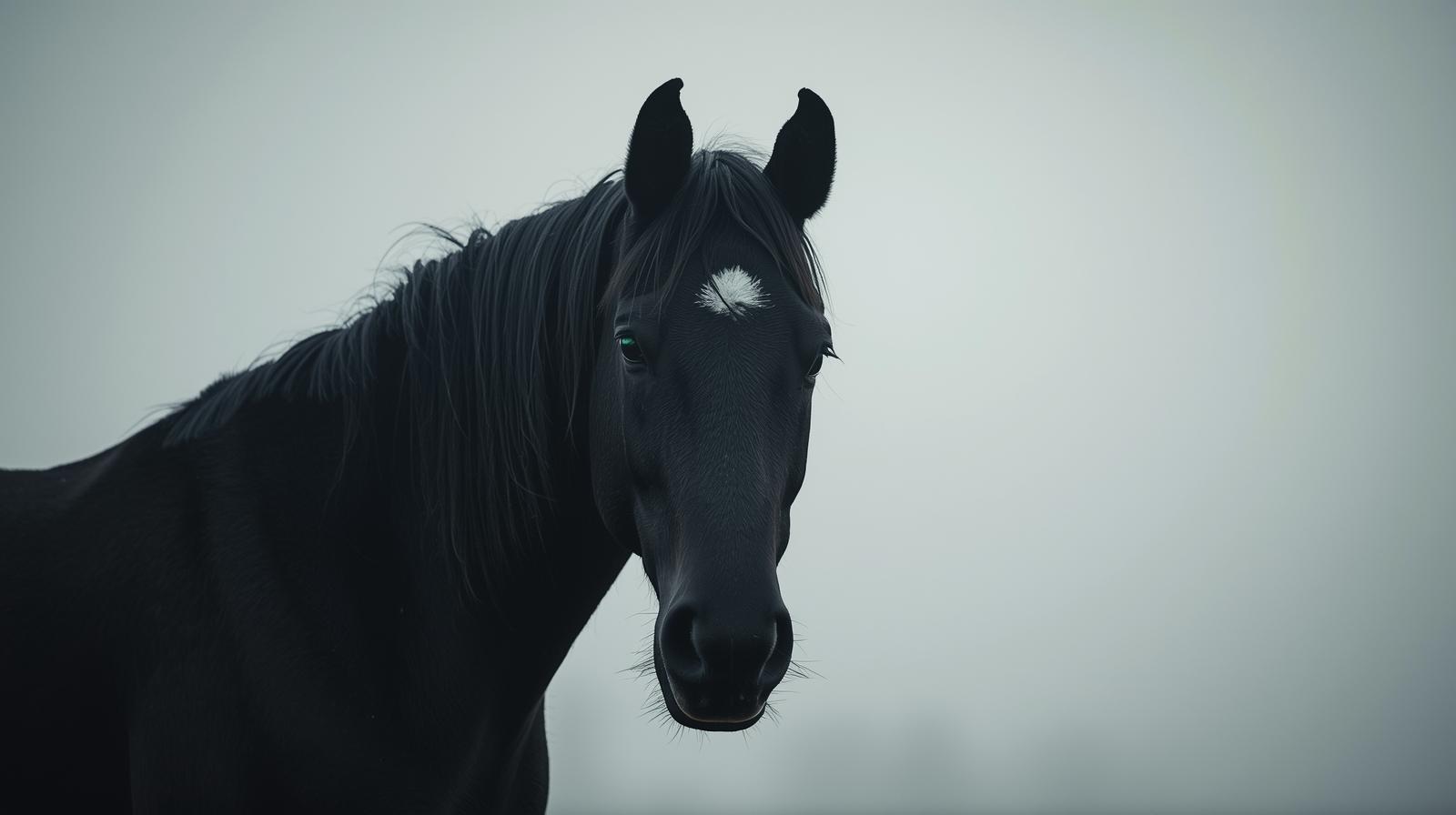
- A dark horse with wild, luminous eyes (this is the most common form)
- A goat with long, twisted horns
- A hare seen darting across fields at dusk
- A large black dog that appears suddenly on lonely roads
- An eagle with an enormous wingspan
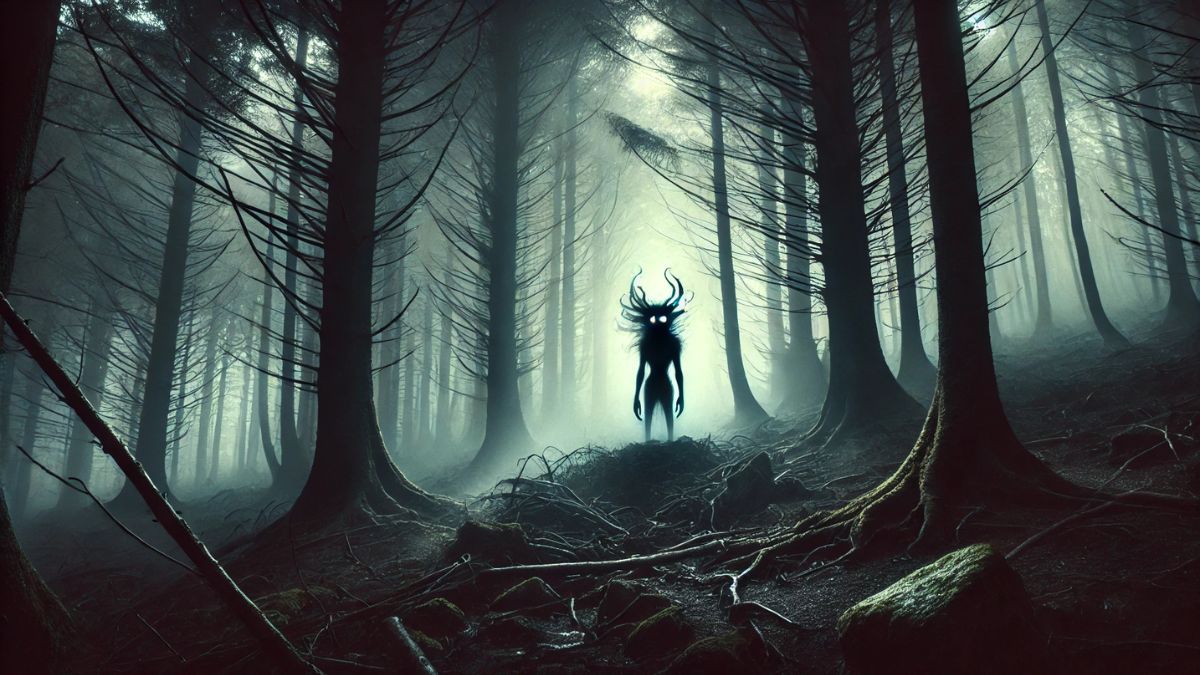
- A human figure, usually tall, dark, and somewhat unsettling
The horse form is the one you’ll encounter most in traditional accounts. And this horse is no ordinary animal. It’s enormous, coal-black, and has a mane that flies in a wind nobody else can feel. It might appear on a dark country road, looking almost inviting. And that’s the trap.
What does the púca actually do?
This is where the stories get genuinely entertaining, because the púca is not a one-note villain. Its behaviour ranges from mildly inconvenient to genuinely terrifying, with occasional flashes of unexpected generosity.
The wild ride
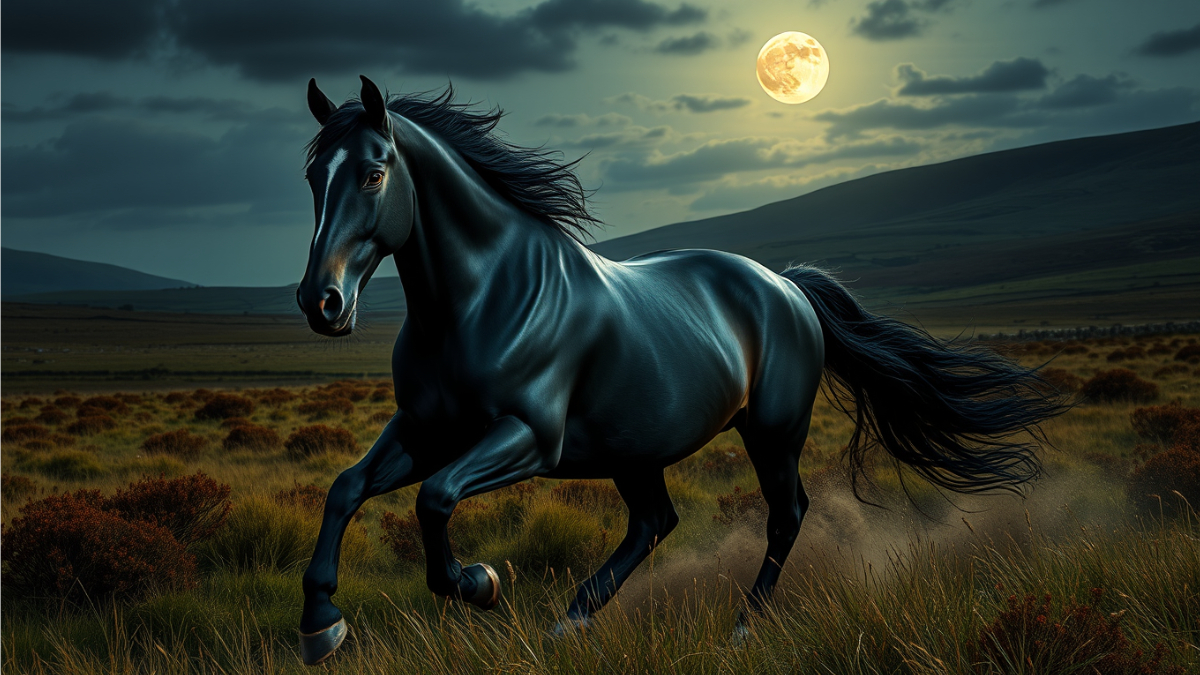
The most famous story type involves the púca trapping an unsuspecting traveller on its back and taking them on a frantic, unstoppable ride through the countryside all night long. By dawn, the rider is deposited somewhere, usually somewhere awkward, battered, and thoroughly shaken. They’re rarely seriously harmed, but they’re never quite the same either.
This kind of encounter was a serious warning to people not to travel alone at night, especially around Samhain (Halloween), when the boundary between the human world and the spirit world was believed to be at its thinnest.
The helpful púca
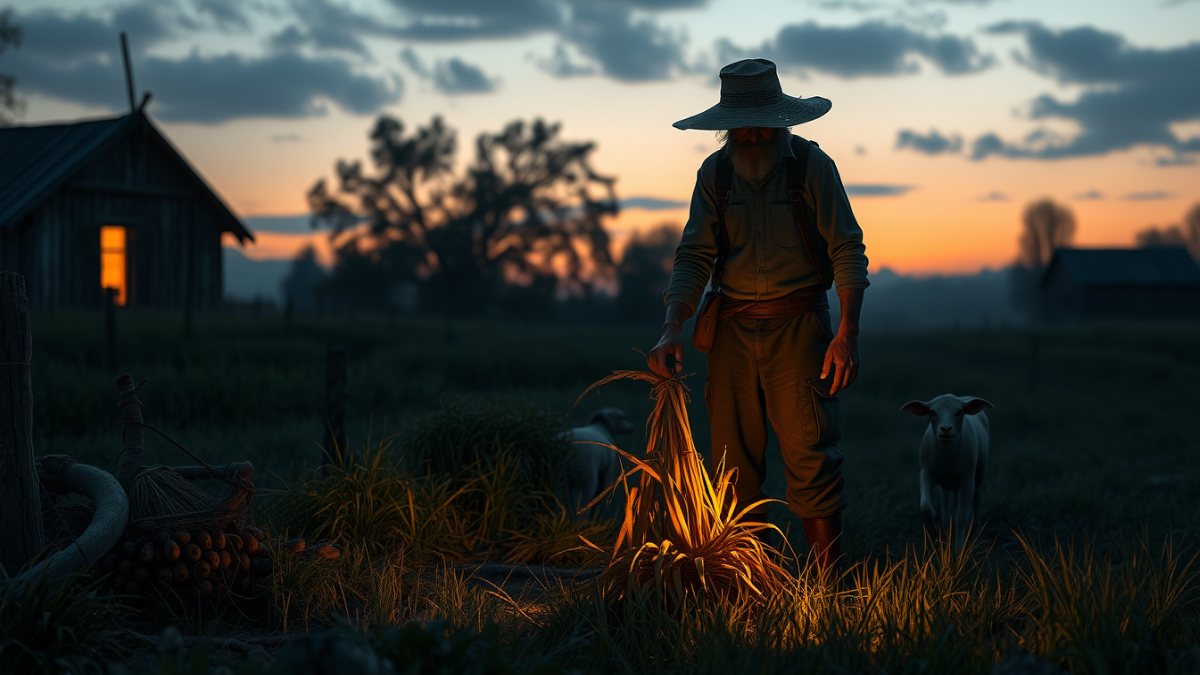
Not all encounters end badly. In some traditions, particularly in parts of Connacht and Munster, the púca is almost a guardian figure. There are stories of it warning people away from danger, guiding lost travellers home, or even doing farm work overnight.
One well-known folk belief held that after November 1st (the old feast of Samhain), any crops left in the field belonged to the púca. Farmers who ignored this were asking for trouble. Those who respected it often reported finding their threshing done by morning, presumably by the creature itself.
This duality is what makes the púca so compelling. It’s not a demon you can simply ward off. It’s a force with its own logic, its own sense of humour, and its own rules.
The trickster
In many accounts, the púca is above all else a trickster. It delights in confusing, leading people in circles, spoiling milk, tangling horses’ manes, and generally disrupting the comfortable rhythms of rural life. Think of it as chaos with a sense of purpose.
You’d do well not to offend one, and equally unwise to try to outsmart one. The stories where humans attempt to outwit a púca tend not to end well for the human.
The púca and Samhain: a deeper connection

If you’ve read anything about Irish Halloween traditions (and if you haven’t, that’s worth exploring too), you’ll know that Samhain is the spiritual ancestor of our modern Halloween. It was the Celtic New Year, a time when the veil between worlds grew thin, and all manner of supernatural beings walked freely.
The púca was considered especially active during Samhain. Some traditions held that on the night of October 31st, the púca had the power of speech and would stop at homes to deliver prophecies or warnings for the year ahead. In parts of Ireland, people would leave out offerings of food or the last of the harvest to appease it.
This is one of the reasons the pooka has endured so strongly in Halloween mythology. It’s not just a spooky story. It’s woven into one of the oldest seasonal rituals in the Celtic world.
The púca in literature and pop culture

The pooka didn’t stay trapped in rural Irish legend. It made its way into literature, theatre, and film in some genuinely surprising forms.
Shakespeare’s Puck in A Midsummer Night’s Dream is widely considered a literary descendant of the púca. Same trickster energy, same shape-shifting ability, same complete disregard for human inconvenience.
The most beloved modern incarnation is almost certainly Harvey, the 1950 James Stewart film (and original play by Mary Chase), in which a gentle, slightly eccentric man befriends a six-foot-tall invisible rabbit named Harvey who, it turns out, is a pooka. The film takes the creature’s dual nature, benevolent yet uncanny, and turns it into something genuinely tender.
More recently, the pooka has appeared in video games, fantasy novels, and urban fantasy series, usually retaining that core quality of being fundamentally unknowable.
What the púca tells us about Irish culture
Here’s the thing that often gets missed in surface-level tellings of this story: the púca isn’t just a scary creature invented to keep children indoors at night. It’s a reflection of something real in the Irish relationship with the natural world.
Rural Ireland, particularly before modernisation, was a place where nature was genuinely unpredictable and sometimes dangerous. Bogs could swallow you. Rivers flooded without warning. Livestock died unexpectedly. Dark roads were genuinely dark.
The púca gave shape to that unpredictability. It said: The world has forces in it you cannot control or fully understand. Respect them. Don’t be arrogant. Don’t travel alone at night, assuming you’re safe. Leave something for the wild places, because the wild places are still alive.
That’s not superstition. That’s wisdom, expressed in the language of story.
Conclusion
The púca is one of Irish folklore’s most enduring and genuinely strange gifts to world mythology. It resists easy categorisation, which is probably why it has lasted so long. It’s not a monster to be defeated or a fairy to be charmed. It’s something older and stranger than that.
Whether you’re drawn to it for its folklore roots, its Halloween connections, or simply the sheer entertainment of its stories, the pooka rewards curiosity. The more you learn about it, the more you start to see echoes of it everywhere, in Shakespeare’s Puck, in the stranger figures of Celtic myth, in every story ever told about a dark road and something waiting at the end of it.
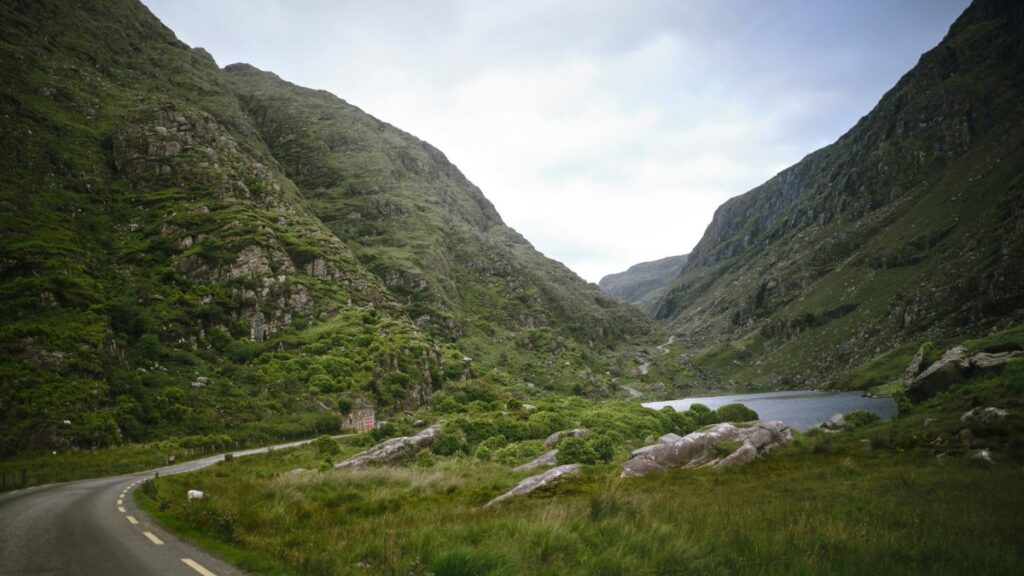
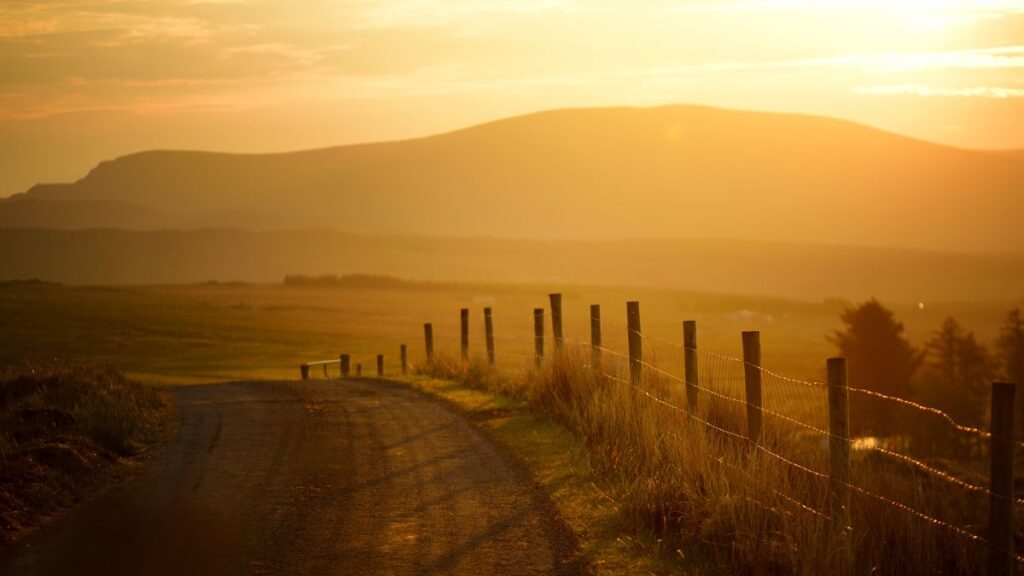
Next time you’re driving a quiet Irish road at night, and you see a large dark shape moving just at the edge of your headlights? Maybe just leave it be.
Frequently asked questions about the púca
What is the myth of the púca?
The myth of the púca centres on a shape-shifting spirit from Irish folklore, most commonly appearing as a large black horse. According to legend, it roams the Irish countryside, especially at night and around Samhain, and can either terrify travellers with a wild, uncontrollable ride or occasionally help those who show it respect. The myth varies significantly by region, but the core idea remains consistent: the púca is a powerful, unpredictable force that operates by its own rules.
Is the púca a demon?
No, the púca is not a demon in the traditional sense. It’s classified in Irish mythology as a type of fairy or nature spirit, which places it in a completely different category from demonic entities. While it can be frightening and harmful, it’s not considered malevolent by nature. It has its own moral logic and has even been portrayed as protective or helpful in certain regional traditions. Calling it a demon would be a significant oversimplification.
What is the meaning of púca?
The word “púca” is an Irish-language term for a type of spirit or supernatural being. Its exact etymology is debated, but it’s likely connected to the Old Norse word “púki,” meaning a mischievous nature spirit. The same root may also be the origin of the English word “puck.” In broader usage, the name has come to represent the archetype of the shape-shifting trickster spirit in Celtic mythology.
Are pucas good or evil?
Pucas are neither straightforwardly good nor evil. They occupy a morally ambiguous space that’s very common in Irish fairy lore. On one hand, they can terrify travellers, spoil crops, and cause serious disruption. On the other hand, there are well-documented folk traditions in which the púca protects people, gives prophetic warnings, or helps with farm labour. The safest way to think of them is as amoral forces of nature: powerful, unpredictable, and deserving of respect rather than confrontation.
How to get rid of a púca?
Historically, Irish folk tradition didn’t focus so much on “getting rid of” a púca as on avoiding its attention in the first place. Practical advice included not travelling alone at night, especially around Samhain; leaving offerings of food or the last of the harvest in the field; and simply showing respect for the natural world. If you found yourself on a púca’s back, some stories suggest that holding on and not showing fear was your best option. There are accounts of people being released safely once the creature decided it was done with them. There are no widely agreed-upon charms or rituals specifically for banishing a púca, which perhaps says something about the nature of the creature itself.