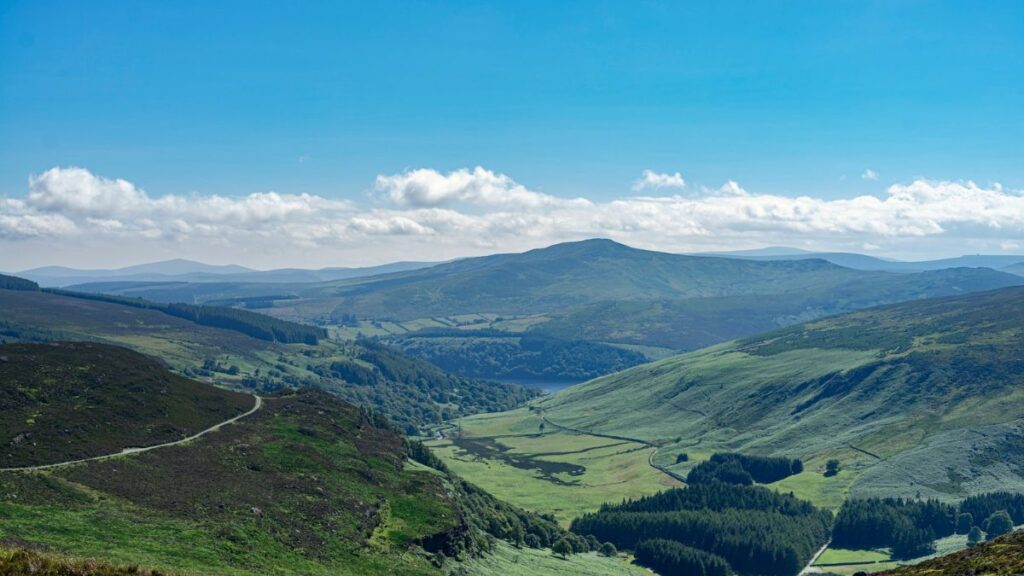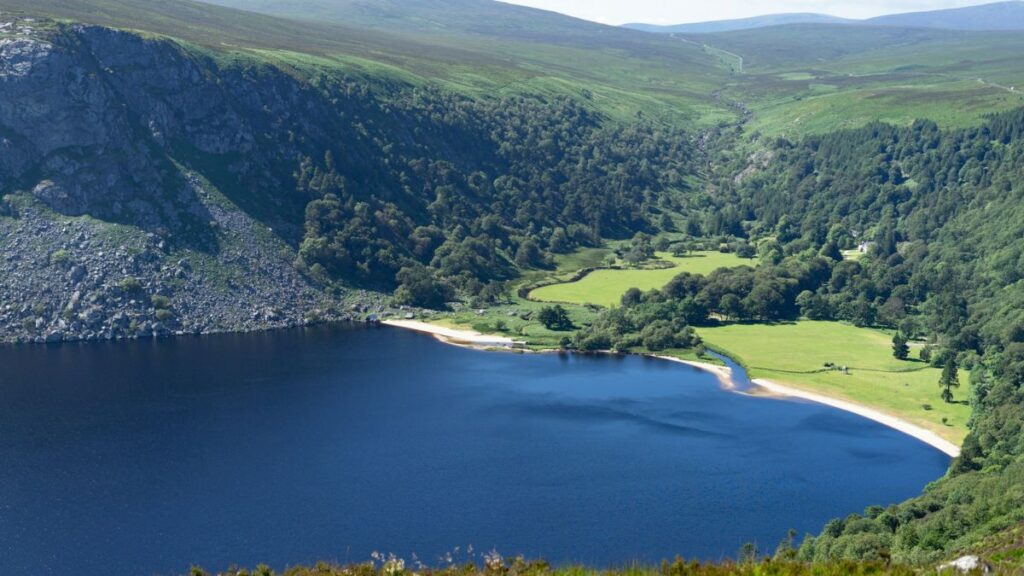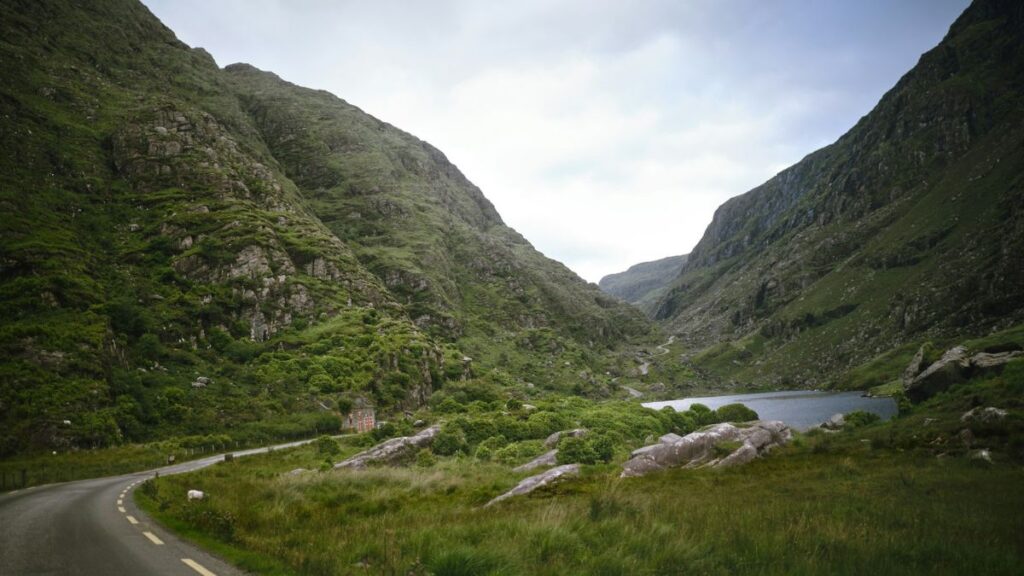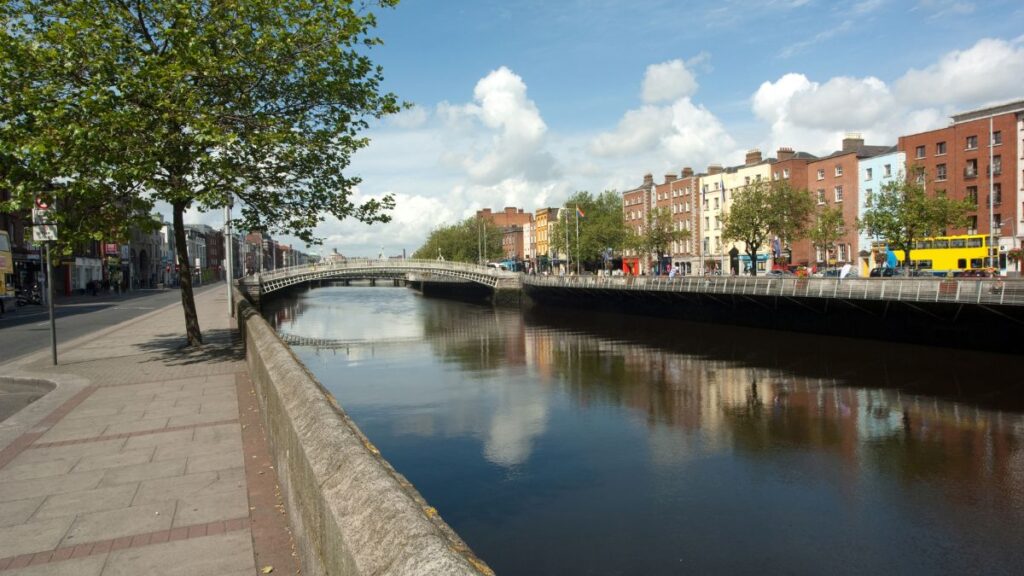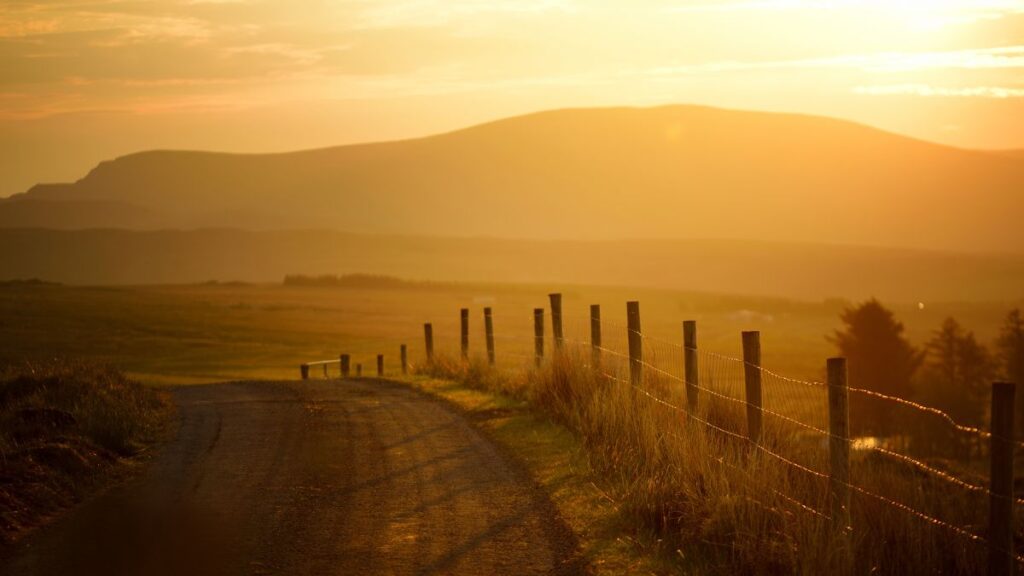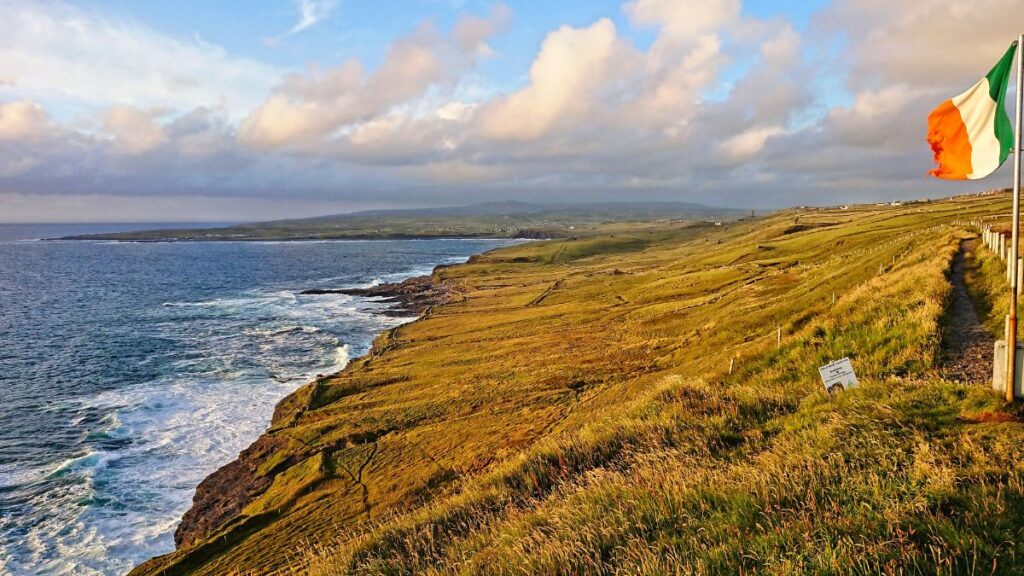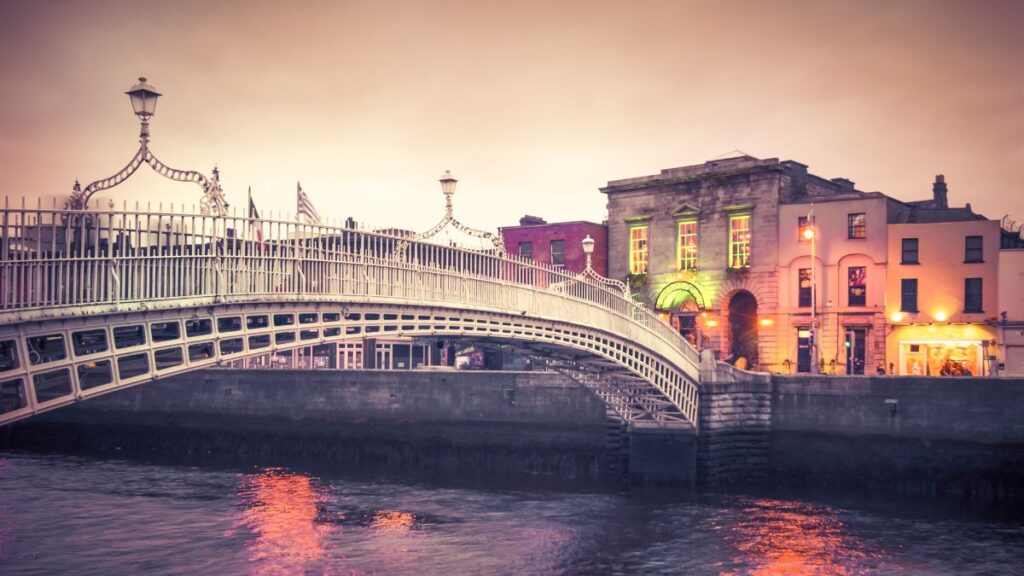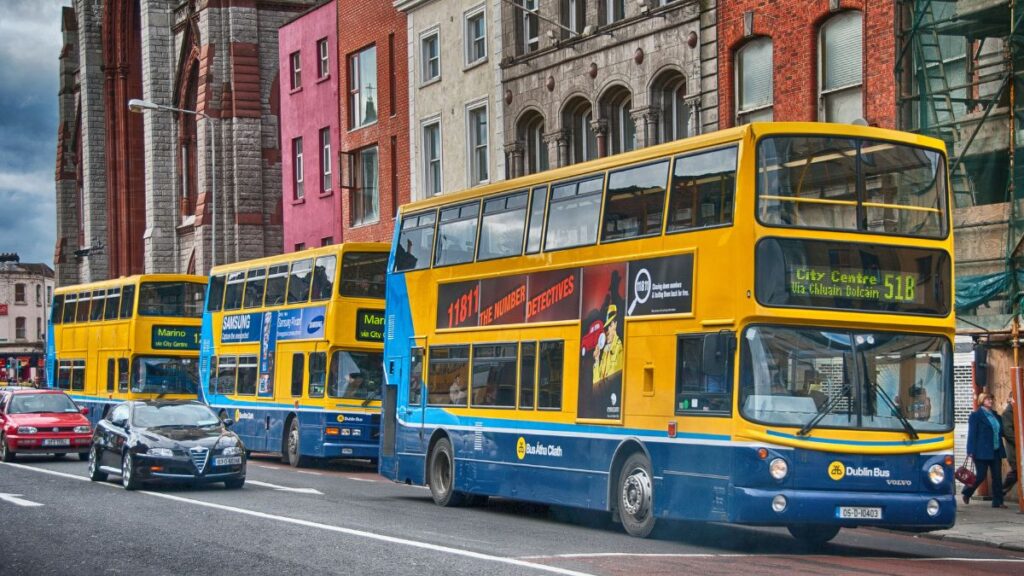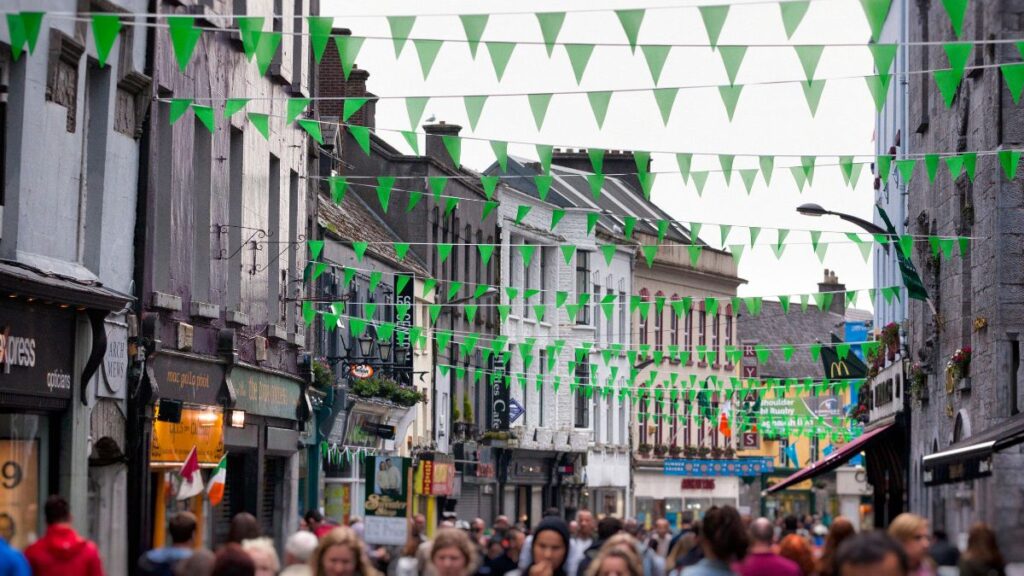


The best time to visit Ireland is late May through early September, with June and early July at the top of the list. Days run long, the countryside turns deep green, and the weather is as cooperative as Ireland ever gets.
No month is perfect, though. Unlike the Amalfi Coast or Santorini, Ireland has no reliably sunny window. Rain can arrive in any month, locals plan around it, and the landscape looks stunning in rain or sunshine.
This guide skips the generic advice and covers each month so you can plan around your own priorities. Consider it your ultimate Ireland travel guide to timing.
Why the best time to visit Ireland depends on you
Start with the question that matters most: What kind of trip are you planning?
Here’s how to choose:
- Long evenings, lively pubs and festivals: Visit in June, July or August.
- Green landscapes, fewer visitors and lower prices: Visit in April, May or September. Together these make up the shoulder season, the stretch between peak and low travel months.
- Moody atmosphere and good deals: Visit from November through February.
- St. Patrick’s Day: Visit in mid-March.
Every one of these is a right answer. The best time to visit Ireland depends on what you want from the trip, and the rundown below shows what to expect.
Season by season: What to actually expect
Spring (March-May): The sweet spot nobody talks about enough
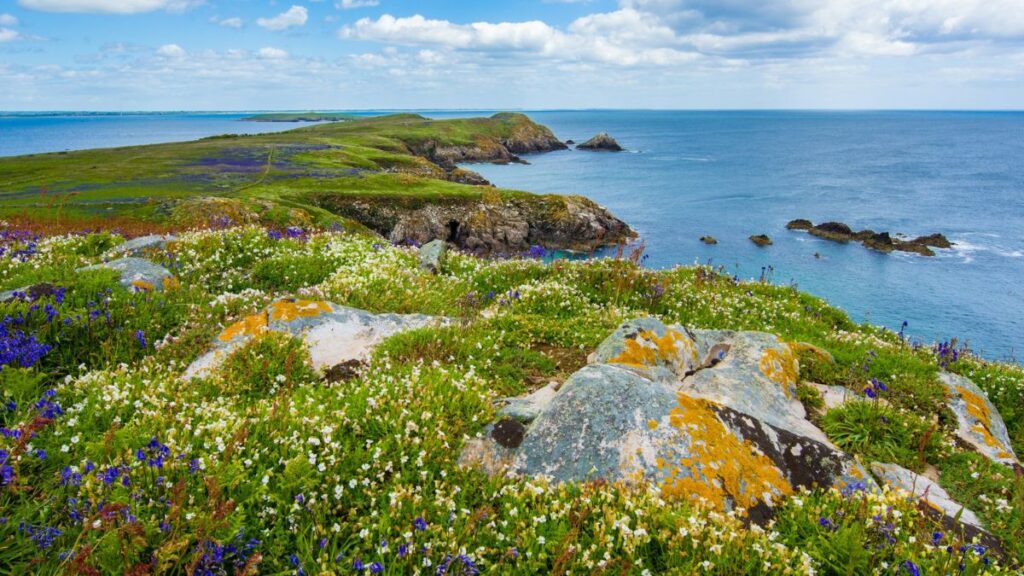
By April, hedgerows burst into color and the days stretch noticeably longer. The crowds haven’t arrived yet, so you can walk into most attractions without a queue and book dinner without a week’s notice.
March is trickier. It stays cold and changeable, and St. Patrick’s Day (March 17) fills Dublin with crowds and parades. If you’re going for the festival, lean in. If you’re not, skip the capital that week and head west to Galway or the Dingle Peninsula.
May hits the sweet spot. Temperatures hover at approximately 12 to 15°C (54 to 59°F), rain is possible on any given day but rarely relentless, and evenings stretch past nine o’clock. It’s one of the best months for a road trip along the Wild Atlantic Way, Ireland’s western coastal driving route.
Summer (June-August): Peak months for good reason
June and July bring Ireland’s longest days. In the far north of the island, light lingers until nearly 11 p.m. That extra daylight transforms the landscape, and the Cliffs of Moher in County Clare glow gold at nine o’clock on a late June evening.
Temperatures sit at approximately 15 to 20°C (59 to 68°F), occasionally warmer. Rain still arrives, however. Showers are often short, and the sky clears fast.
The trade-off is crowds and cost. July is the busiest month of the year, so book accommodation months ahead, especially along the Wild Atlantic Way and on the Aran Islands. Hotel and rental car prices climb sharply.
August is slightly less hectic than July and still a good month to visit. Irish schools return in late August or early September, which marks a clear shift.
Autumn (September-October): Arguably the best-kept secret
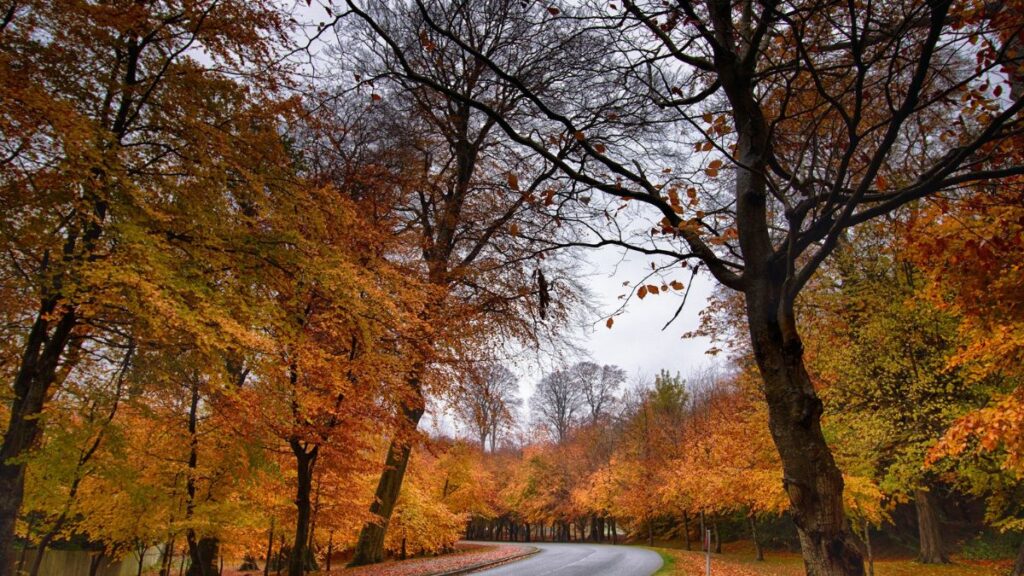
September is the best month to visit Ireland for travelers who like having a famous landmark mostly to themselves or prefer a proper local pub to a tourist-packed one. Early September weather often matches August, the crowds have gone home, and prices drop sharply.
By October the landscape shifts to amber and russet tones, and the light draws photographers. The month does get wetter and windier as it goes on. Mist rolling over the Connemara hills more than makes up for it.
Winter (November-February): Not for everyone, but hear me out

November through January is tough. Expect short days, frequent rain, and reduced hours or closures at many tourist attractions. Atlantic storms can hit the west coast hard.
The reward is authenticity that no other month offers. You’ll find locals in the pubs instead of tourists. Hotel rooms cost almost half what they do in July, and you can have the Cliffs of Moher almost entirely to yourself.
Dublin, Galway and Cork come into their own in these months too. Christmas markets, cozy pubs and lit-up Georgian streets create an atmosphere that stays with you long after you’re home.
Month-by-month quick reference
Use this table to compare weather, crowds and travel season at a glance.
| Month | weather | Crowds | travel season |
|---|---|---|---|
| January | Cold and wet, 5 to 8°C (41 to 46°F) | Minimal | Low season |
| February | Cold, improving | Minimal | Low season |
| March | Variable, 8 to 11°C (46 to 52°F) | Low, spiking around March 17 | Shoulder |
| April | Mild, 10 to 13°C (50 to 55°F) | Low to moderate | Shoulder |
| May | Pleasant, 12 to 15°C (54 to 59°F) | Moderate | Shoulder |
| June | Warm, long days, 15 to 18°C (59 to 64°F) | High | Peak |
| July | Warmest, 16 to 20°C (61 to 68°F) | Highest | Peak |
| August | Warm, 15 to 19°C (59 to 66°F) | High | Peak |
| September | Mild, 13 to 16°C (55 to 61°F) | Moderate | Shoulder |
| October | Cooler and rainier, 10 to 13°C (50 to 55°F) | Low | Shoulder |
| November | Cold and wet, 7 to 10°C (45 to 50°F) | Minimal | Low season |
| December | Cold and festive, 5 to 8°C (41 to 46°F) | Low | Low season |
Practical tips for any month
- Pack layers, not only a raincoat: Irish weather can shift three times in an afternoon. A light fleece under a waterproof jacket beats a heavy coat every time.
- Book Wild Atlantic Way stays early: The coastal route stays popular year-round, and good places sell out months ahead from June through August.
- Rent a car if you can: Public transport covers the cities well. For the countryside, where most of the best scenery lies, you need your own car. Ireland drives on the left, and rural roads are narrow and slow, so build in extra drive time.
- Don’t skip the west: Most first-timers spend too much time in Dublin. County Kerry, Connemara, County Donegal and County Clare are where Ireland opens up.
- Leave room for a rainy afternoon: Plan an hour or two in a Galway pub with a pint of Guinness and a trad (traditional Irish music) session. It often becomes the best part of the trip.
- Know your currency: The Republic of Ireland uses the euro. Northern Ireland uses the pound sterling.
Common questions about when to visit Ireland
These quick answers cover the timing questions that come up most often.
What is the warmest month in Ireland?
July is Ireland’s warmest month, with average temperatures of approximately 16 to 20°C (61 to 68°F). It rarely gets hotter than that. Ireland delivers dramatic skies and plenty of craic (pronounced “crack”), which means fun and good company. Heatwaves are rare.
Is Ireland worth visiting in winter?
Yes, if you set the right expectations. Dublin, Galway and Cork are enjoyable in those months, and flights and accommodation cost significantly less. Skip a coastal road trip in January if you’re hoping for sunshine, since the Wild Atlantic Way in a storm is awe-inspiring but not comfortable.
How many days do you need to see Ireland properly?
Plan for 10 days if you can. A week covers the highlights, however you’ll rush. Two weeks is ideal for traveling beyond Dublin, and you should. Counties Kerry, Galway, Clare and Donegal are where Ireland stops being a postcard and becomes a place.
Is Ireland more expensive in summer?
Yes, noticeably. July brings peak pricing for hotels, rental cars and popular tours. Book flights and accommodation at least three to four months ahead for a trip between June and August. If budget matters, May or September offers a similar experience at a much lower price.
When is the best time to visit Ireland for the scenery?
May and September through October are the best months for scenery. The landscape is lush, the light turns golden and dramatic instead of harsh, and you won’t push through tour groups for a photo. Connemara and the Beara Peninsula in October surprise most people, in the best possible way.
Helpful planning resources
For detailed weather patterns, check Met Éireann, the national weather service for the Republic of Ireland. For Northern Ireland, use the UK Met Office. To compare flight deals, try Skyscanner.
Choose your month and start planning
The best time of year to visit Ireland is the month that matches what you want. June and July deliver the best weather and the fullest schedule. April, May and September give you breathing room and better value. November through February reveal Ireland at its rawest and most real.
Don’t wait for perfect conditions. Ireland doesn’t do perfect, and it delivers something worth the trip in every month of the year.
Not sure which month fits your plans? I plan custom trips and can handle your rental car, transfers, flights, hotels, activities and travel insurance through Fora Travel, so you get an end-to-end plan, not only a document.
Slán go fóill (goodbye for now)!