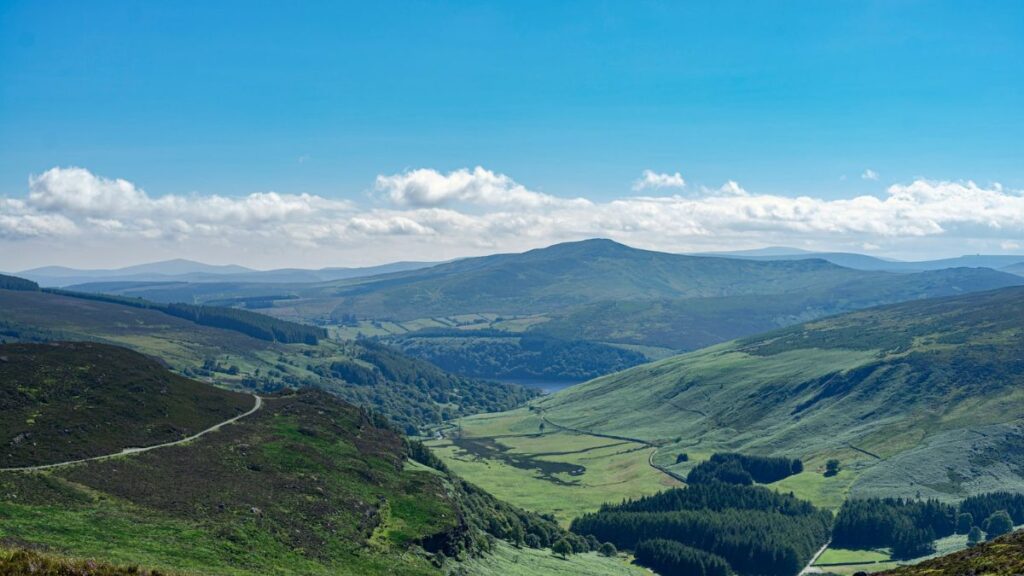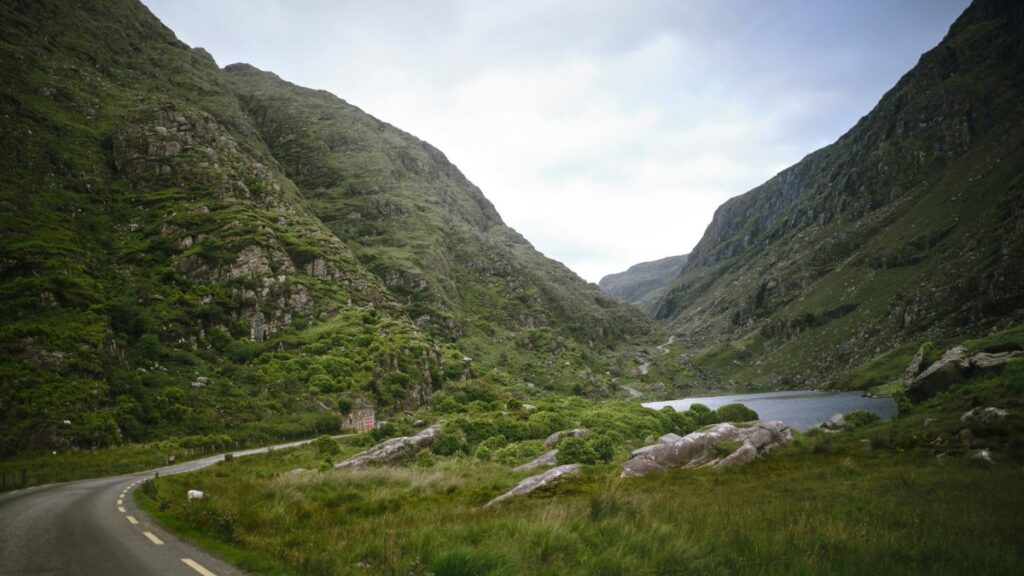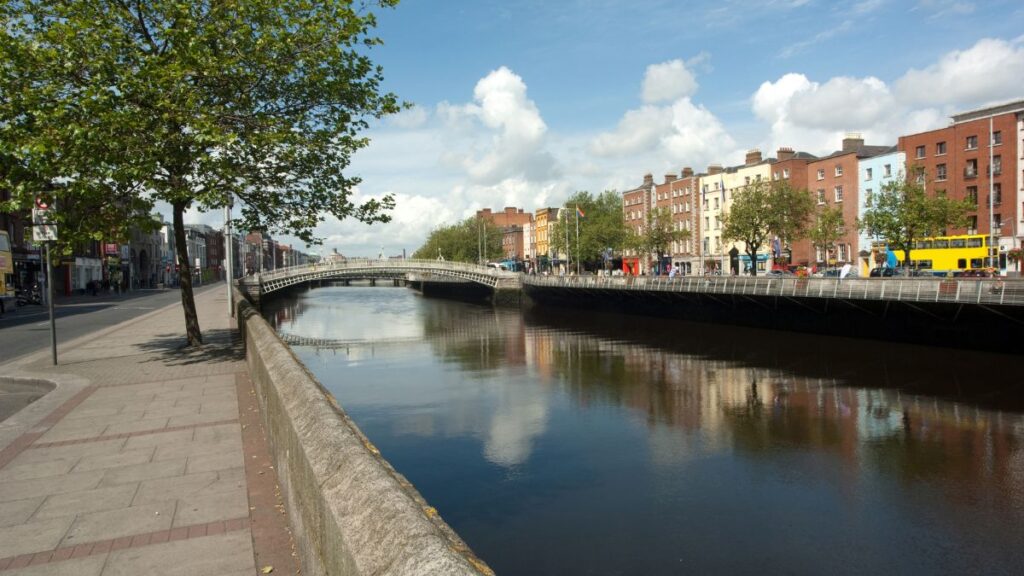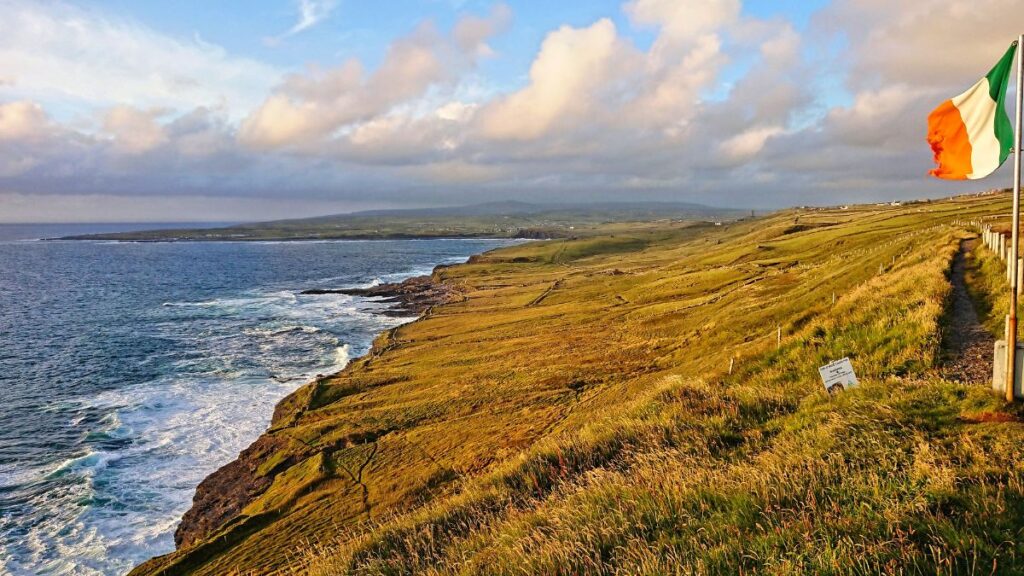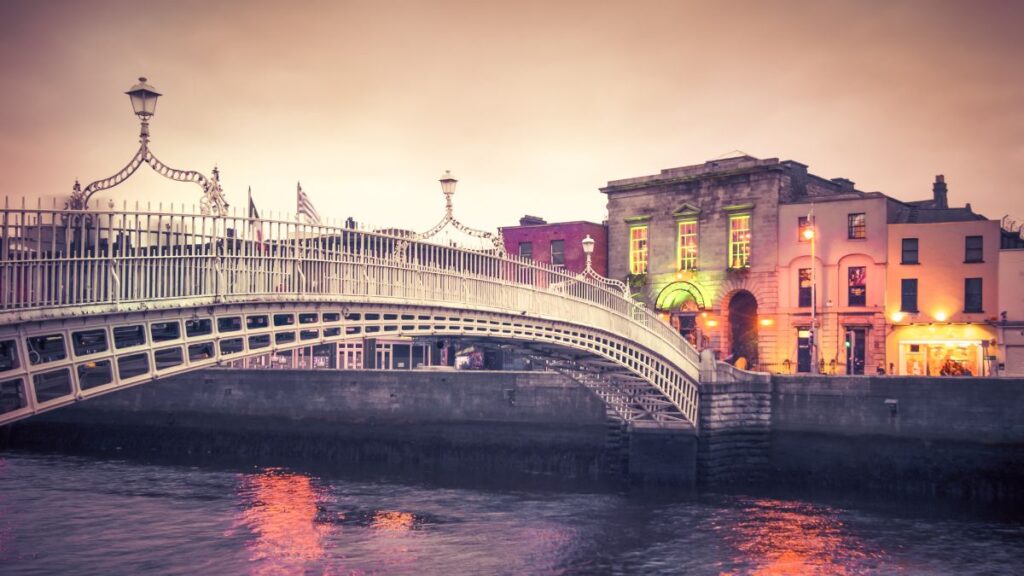


If you’re planning a trip to Ireland and wondering whether renting a car is worth it, the short answer is yes, almost always. Ireland’s most stunning scenery sits far beyond the reach of any bus route. The Cliffs of Moher, the Wild Atlantic Way, the Causeway Coastal Route in Northern Ireland, the Ring of Kerry, these are all places you’ll want to explore at your own pace, and a hire car is the only realistic way to do that.
This guide covers everything you need to know about renting a car in Ireland, from picking up your keys at Dublin Airport to navigating narrow country lanes without losing your wing mirror. We’ll get into the practical stuff too: licence requirements, insurance traps to avoid, age restrictions, and what things actually cost.
Why renting a car in Ireland makes your trip so much better
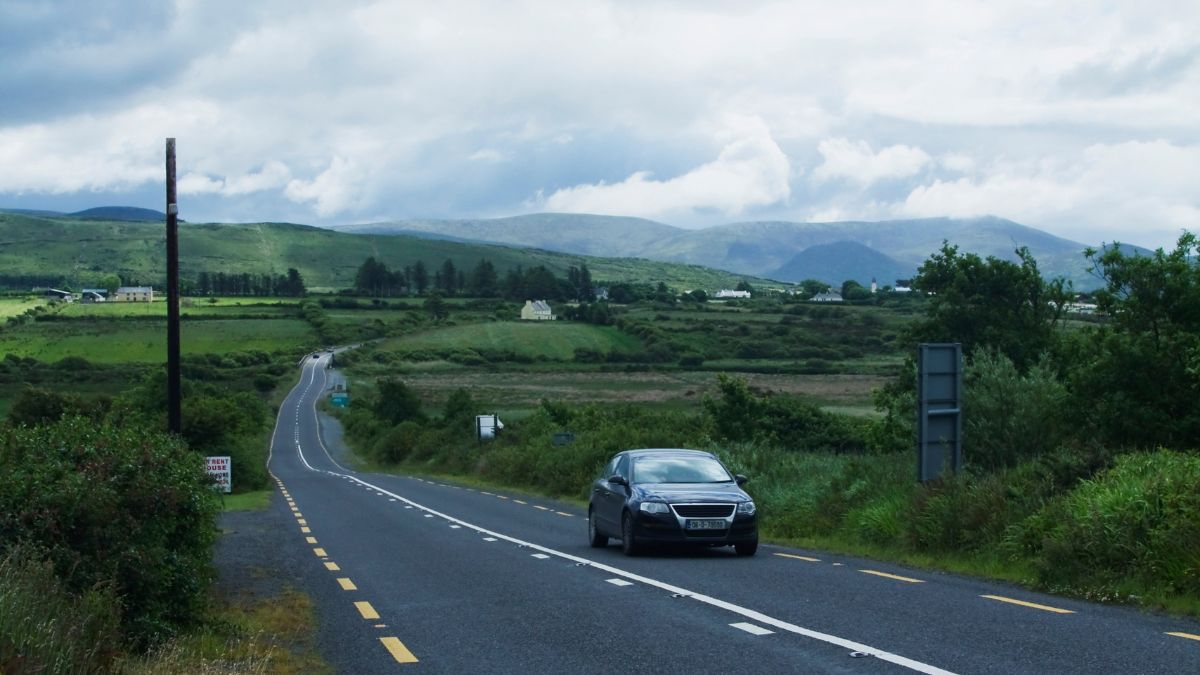
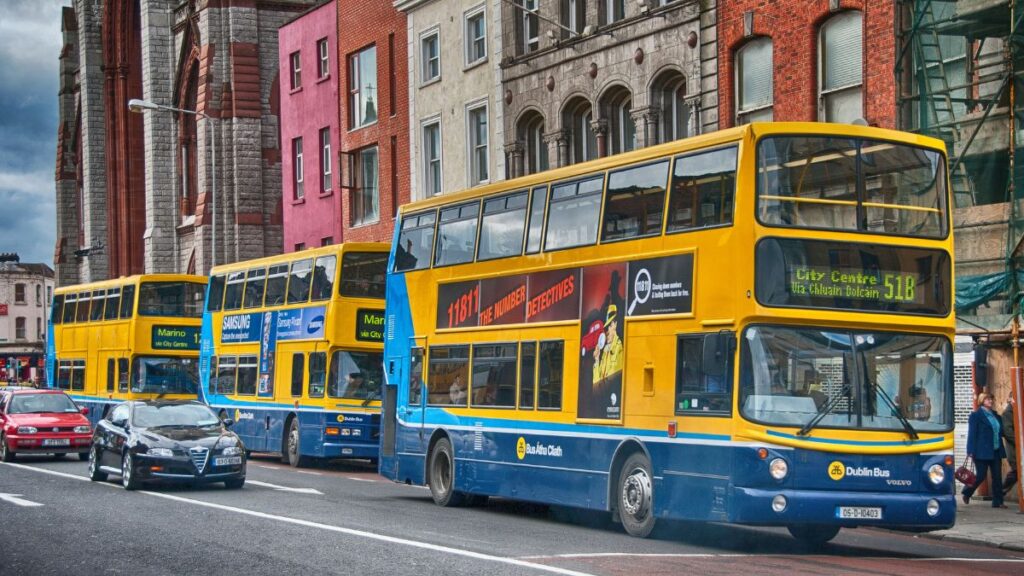
Public transport in Ireland is decent between major cities, but outside Dublin, Cork, and Galway, it gets patchy fast. Trains don’t reach most of the west coast. Buses run infrequently. And the truth is, some of Ireland’s greatest moments happen when you pull over on a whim because you spotted a ruined abbey in a field, or a beach that isn’t on any map.
I spoke with Sarah, a travel blogger from Toronto who visited Ireland for three weeks in 2023. She spent her first five days using public transport and her remaining two weeks with a rental car. “It wasn’t even close,” she told me. “The car gave us total freedom. We found a tiny fishing village in Connemara that we never would have reached by bus, and it ended up being the highlight of the whole trip.”
That kind of spontaneity is exactly what renting a car in Ireland unlocks.
What you need to rent a car in Ireland
Before you book anything, make sure you’ve got the basics covered.
Your driving licence
You’ll need a full, valid driving licence from your home country. Most major rental companies in Ireland accept licences from the EU, the UK, the US, Canada, Australia, and many other countries.
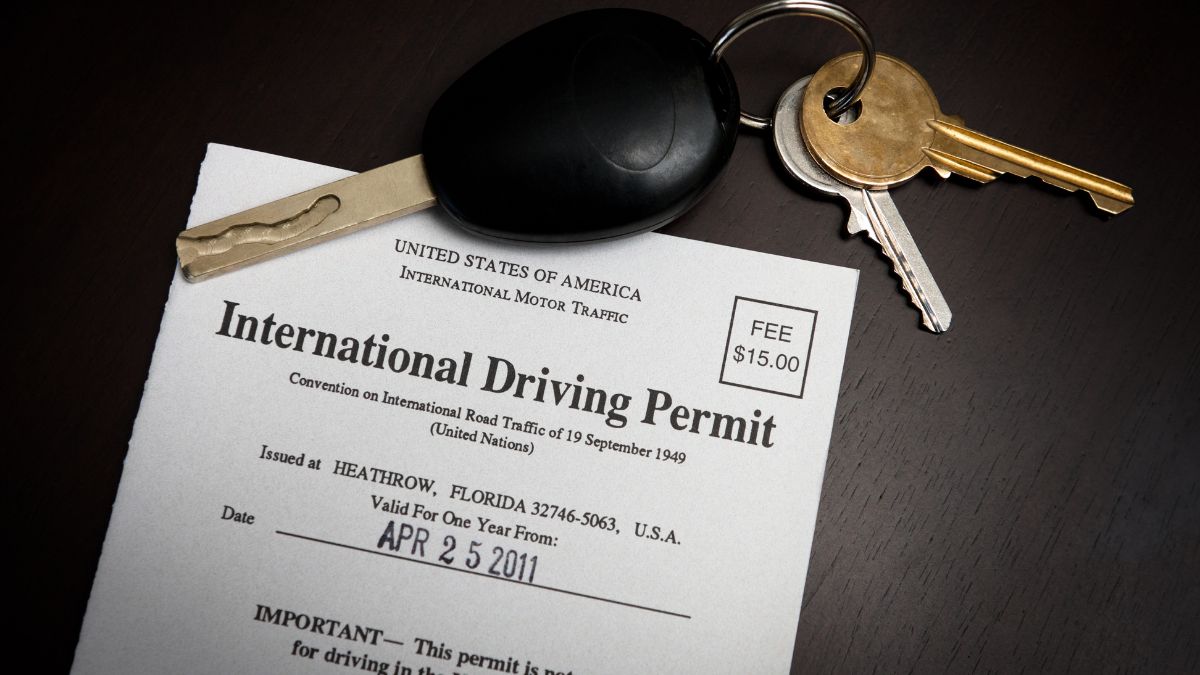
If your licence is not in English and not from an EU country, you’ll almost certainly need an International Driving Permit (IDP) alongside it. Get one before you leave home, as you can’t obtain one in Ireland.
Some companies, particularly the larger ones like Hertz, Europcar, and Enterprise, also ask for a second form of photo ID. Bring your passport regardless.
Age requirements
Most rental companies set their minimum age at 21, with drivers under 25 often facing a Young Driver Surcharge. This can add anywhere from 10 to 25 euros per day to your rental cost, which adds up quickly over a two-week trip.
At the other end, some companies impose upper age limits of 70 or 75. If you’re in that bracket, check the small print when booking.
A credit card in the driver’s name
This is non-negotiable with virtually every rental company in Ireland. The card is used to hold a deposit (often 500 to 1,500 euros), which is released when you return the car undamaged. Debit cards are sometimes accepted, but it’s inconsistent. Use a credit card to be safe.
Driving on the left: What to expect
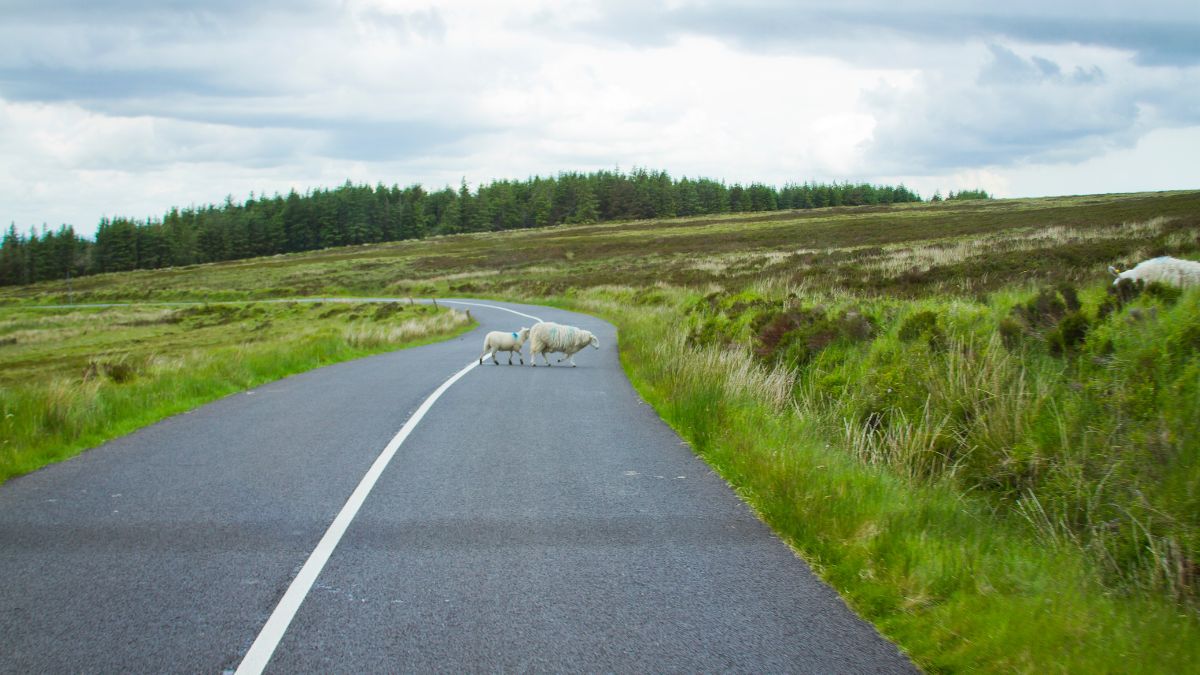
If you’re coming from the US, Canada, Australia, or most of continental Europe, you’ll be driving on the left side of the road in Ireland. For most people, this is manageable within a day or two. The trickiest part isn’t the road itself; it’s the roundabouts, and there are a lot of them in Ireland.
A few tips that genuinely help:
- Give yourself a quiet start. Pick up your car and drive somewhere low-traffic first, ideally before you head into a city centre.
- Think “kerb on the left.” Reminding yourself that the kerb should always be to your left keeps you oriented.
- Go slow on country roads. Many rural roads in Ireland are single-track with passing places. You’ll encounter tractors, cyclists, and the occasional herd of sheep. There’s no rushing it.
- Sat nav is your friend. Download Google Maps offline for Ireland before you leave, or use whatever sat nav the rental company offers. Irish road signage can be inconsistent, especially in Gaeltacht (Irish-speaking) areas where signs may only appear in Irish.
For detailed tips, check out our driving in Ireland guide.
Choosing the right rental company
There’s a wide range of car rental companies operating in Ireland. The major international names (Hertz, Enterprise, Avis, Europcar, Budget, Sixt) all have desks at Dublin, Cork, Shannon, and Belfast International airports. You’ll also find local Irish companies like Europcar Ireland, GoCar, and various independents.
Here’s what I’d suggest considering when choosing:
- Price vs. total cost: The headline price on comparison sites often excludes extras. Always check what’s included in the base rate before comparing.
- One-way rentals: If you want to fly into Dublin and out of Shannon (or vice versa), check one-way fees early. They can be substantial.
- Cross-border travel: If you’re planning to drive between the Republic of Ireland and Northern Ireland, check that the rental company permits cross-border travel. Most do, but you need to declare it in advance and ensure your insurance covers both jurisdictions.
A word on cross-border driving: This is worth its own conversation. Northern Ireland is part of the UK, so it uses sterling (GBP), drives on the left (same as the Republic), and has its own road signs and speed limits in miles per hour rather than kilometres per hour. The border crossing itself is seamless, but your insurance situation needs sorting before you go. More on that below.
Insurance: the part most people get wrong
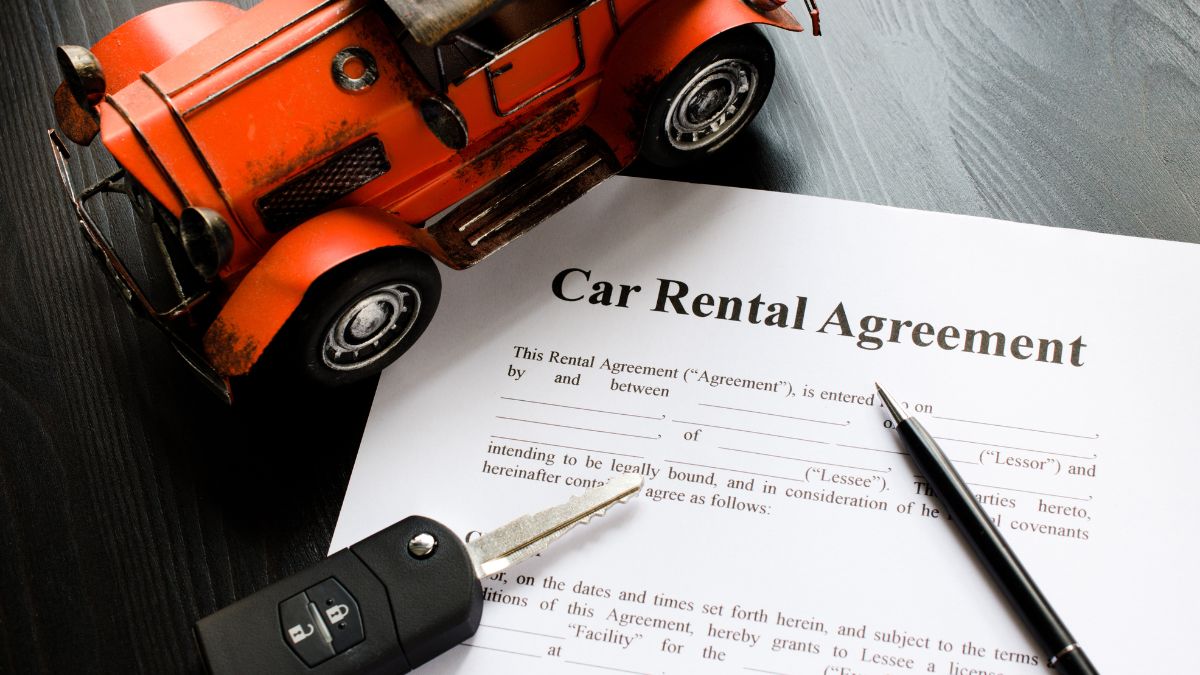
This is where renting a car in Ireland catches a lot of visitors out. The basic insurance included in most rental packages is a Collision Damage Waiver (CDW) and Theft Protection (TP). That sounds reassuring, but it usually comes with an excess of anywhere from 1,000 to 3,000 euros. That means if you scratch the car, you’re paying that amount before the insurance kicks in.
Your options for managing this:
1. Buy the excess waiver from the rental company: This reduces your excess to zero, but it’s expensive, often adding 15 to 25 euros per day.
2. Buy standalone car hire excess insurance: Companies like Questor, iCarhireinsurance, and Go for Lower offer annual or single-trip policies that cover your excess. These are almost always cheaper than the rental company’s own waiver. If you hire cars regularly, an annual policy makes excellent sense.
3. Check your credit card benefits: Some premium credit cards include car hire excess cover as a benefit. Read the terms carefully, as restrictions apply, but this can be genuinely useful if you already hold such a card.
4. Check your existing car insurance: If you have a personal car insurance policy in the UK or another country, it may extend to hire cars abroad. Call your insurer and ask directly. Don’t assume.
Take photos of the car before you drive away, every angle, every existing scratch, every tiny ding. Do this even if the rental agent has walked around with you. It protects you when you return the car.
Types of coverage you’ll encounter
- Third Party Liability Insurance: This is mandatory in Ireland and typically included in your rental cost. It covers damage to another vehicle or property, but not to your rental car.
- Collision Damage Waiver (CDW): CDW reduces your liability if the car is damaged or stolen. However, there’s usually an excess (deductible) of €1,000-€3,000. Without CDW, you’d be responsible for the full cost of any damage, so it’s usually a smart option to include.
- Super CDW (SCDW): This option reduces your excess to zero and provides extra peace of mind. It’s worth considering, especially if you’re driving in rural areas.
- Full coverage: If you’re looking for complete peace of mind, some companies, like Discover Cars, offer full coverage insurance. This covers almost everything, including theft, damage, and excess, meaning you won’t need to worry about additional charges.
- Credit card coverage: Some credit cards offer car rental insurance, but many Irish rental companies won’t accept it unless you provide a letter of coverage. Always confirm this beforehand.
Manual vs. automatic cars: which should you choose?
This is one of the most practical decisions you’ll make when renting a car in Ireland, and it’s one that trips up a surprising number of visitors.
The majority of rental cars in Ireland are manual (stick shift). That’s just how it is. If you’re from the UK or most of Europe, this is no problem at all. But if you’re from the US, Canada, or Australia, where automatics are the norm, you may find yourself in an unfamiliar situation at exactly the wrong moment: merging onto a roundabout while trying to remember which gear you’re in, on the wrong side of the road, in the rain.
Our honest advice: if you’re not confident driving a manual, book an automatic. It removes one significant amount of stress from an already unfamiliar driving environment.
The catch is that automatic rental cars in Ireland cost more, typically 20 to 40 euros extra per day, and the selection is smaller. In peak season, automatics can sell out weeks in advance at some locations. Book early and be specific when searching.
A few things to know:
- Your licence category matters. In the UK and Ireland, a standard driving licence covers both manual and automatic. But if your licence from another country only authorises you to drive an automatic (this applies to some US and Canadian licence holders), you are legally not permitted to drive a manual rental car, even if the rental company hands you the keys.
- If you’re renting in both the Republic and Northern Ireland in the same trip, confirm the automatic is available at your pick-up location. Availability varies by depot.
- Smaller cars are more likely to be available as manuals. Larger SUVs and premium vehicles often come as automatics by default.
Mileage limits: the small print that catches people out
Most car rental agreements in Ireland come with one of two mileage arrangements: unlimited mileage or a capped daily allowance.
Unlimited mileage is exactly what it sounds like. You drive as far as you want with no extra charges at the end. This is the arrangement you want, especially if you’re planning any serious road tripping along the Wild Atlantic Way or the Causeway Coastal Route.
Capped mileage typically offers somewhere between 100 and 250 kilometres per day. That sounds generous, until you realise that a single day driving from Galway to the Cliffs of Moher, up through Connemara, and back might easily cover 200 km. If you go over your daily limit, you’ll pay a per-kilometre charge at return, and these can add up to more than the cost of the car itself.
Here’s what to do:
- Always ask about the mileage policy before confirming your booking. It should be listed in the terms.
- If you’re booking through a comparison site, filter for unlimited mileage deals. Most reputable providers offer this as standard, but budget operators sometimes use capped allowances to keep the headline price low.
- Keep a rough eye on your odometer during the trip if you’re on a capped deal. It’s not fun to do the maths at the return desk.
In our experience, unlimited mileage deals are widely available in Ireland and not significantly more expensive than capped ones when you factor in the potential overage fees. Just make sure it’s confirmed in writing.
What renting a car in Ireland actually costs
Prices vary enormously depending on season, car category, and how far in advance you book. Here’s a rough guide based on 2024 and 2025 pricing:
- Economy car (e.g., a Fiat Panda or similar): 30 to 60 euros per day in low season, 60 to 100 euros per day in peak summer (June to August)
- Compact or mid-size (e.g., a VW Golf): 50 to 80 euros per day off-peak, 80 to 130 euros in peak season
- SUV or people carrier: 80 to 150+ euros per day, higher in peak season
These are base rates. Add your insurance excess waiver, any young driver surcharge, a sat nav if you don’t use your phone, and airport collection fees (some companies charge extra for airport pick-up), and the real cost climbs.
The single biggest money-saver: Book early and use a comparison site like Rentalcars.com or Kayak to compare base prices, then read reviews on Trustpilot before committing to a lesser-known operator.
Tolls: what you’ll pay and where
Ireland has a relatively small motorway network, but several stretches are tolled. If your route takes you through Dublin or along the main M50 ring road, you’ll encounter tolls.
Here’s what you need to know:
The M50 in Dublin is barrier-free, meaning there are no toll booths. Instead, cameras capture your number plate and you pay online at eflow.ie within 24 hours of travelling. If you don’t pay by midnight the following day, a penalty notice applies. Many rental companies will flag this and either manage it for you (for an admin fee) or remind you to pay yourself.
Other tolled roads in the Republic include parts of the M1 (Dublin to Belfast), M4, M7, M8, and M18, as well as the East Link and West Link bridges in Dublin. These use both barrier toll plazas and barrier-free camera systems.
Northern Ireland has no motorway tolls at all. If your route is primarily in the north, this isn’t something you need to worry about.
What to do:
- Ask your rental company at pick-up whether toll payments are included or how they handle the M50. Some companies offer a pre-paid toll pass for a flat daily fee, which can be good value if you’re spending time in and around Dublin.
- If you’re managing it yourself, bookmark eflow.ie on your phone before you travel.
- Budget roughly 2 to 4 euros per toll crossing on national routes. The M50 is currently around 3.10 euros for a standard car.
Things to watch out for: the honest list
No guide to renting a car in Ireland would be complete without covering the things that can go wrong. These aren’t meant to scare you off, most people have completely smooth experiences. But being forewarned is genuinely useful.
Hidden extras at the counter
Rental desks are trained to upsell. You’ll be offered sat nav, a baby seat, additional driver cover, prepaid fuel, premium insurance, and a range of extras. Some of these are genuinely useful. Others are poor value. Know what you actually need before you get to the counter, and don’t feel pressured to add things on the spot.
Tyre and windscreen damage
Standard CDW insurance typically excludes damage to tyres, windscreens, wheels, and the underside of the car. These exclusions are buried in the terms and conditions, but they matter. A single pothole on a rural road can crack a tyre wall. A stone chip can crack a windscreen.
Check whether your standalone excess insurance policy covers these items, because not all of them do. Policies from iCarhireinsurance and Questor generally do include tyre and windscreen cover, but read the policy before you travel.
Damage disputes at return
The most common point of contention between renters and rental companies is disputed damage at return. The rental agent notices a scratch that may or may not have been there before. This is why your photos at pick-up are so important.
Take timestamped photos and video of the entire car: front, back, both sides, the roof, the interior, and the fuel gauge. Do it in good lighting. Email the photos to yourself so they’re timestamped and saved to the cloud. If there’s ever a dispute, you’ll have evidence.
Narrow roads and wing mirrors
Wing mirrors are one of the most common casualties of driving in rural Ireland. The roads are narrow, hedges grow up to the edge, and passing places require careful manoeuvring. Take your time. If a local driver flashes their lights at you, they’re usually signalling that they’ll pull in to let you pass, not being aggressive.
Parking fines
Dublin and Cork issue parking fines efficiently, and rental companies will pass the charge on to you along with an administration fee, often 30 to 50 euros on top of the fine itself. Use designated car parks in city centres. They’re not expensive and they’re far less hassle than a fine.
A practical example: renting in Ireland with a UK licence
Mark, a traveller from Manchester, flew into Dublin in April 2024 for a 10-day road trip through Connemara and the Wild Atlantic Way. He booked a small automatic car (he specifically wanted automatic to make left-hand driving easier), collected it from Dublin Airport, and drove west.
“The process was totally straightforward,” he said. “I handed over my UK licence, my passport, and my credit card. The agent walked me around the car, I took my own photos, and I was on the road within 20 minutes of landing. The only thing I hadn’t anticipated was how slow the roads would be in Connemara. Beautiful, but slow. Build extra time into everything.”
Mark’s total spend for 10 days, including excess waiver insurance bought separately online, came to around £480 sterling. That worked out cheaper than he’d expected, largely because he’d booked eight weeks in advance.
Tips for driving in rural Ireland
Once you get off the motorways, driving in Ireland requires a different mindset. This isn’t a criticism; it’s genuinely part of the experience. But knowing what to expect helps.
- Road signs are in kilometres in the Republic, miles in Northern Ireland. Your rental car’s speedometer will show both, usually.
- The R roads (regional) and L roads (local) can be very narrow. Two cars often can’t pass each other without one pulling into a gateway. This is normal. Irish drivers are generally patient and cooperative about it.
- Speed limits are lower than you might expect: 50 km/h in towns, 80 km/h on rural roads, 100 km/h on national roads, 120 km/h on motorways in the Republic.
- Fuel: Petrol and diesel are both widely available. If you’re renting a hybrid or electric vehicle, charging infrastructure is improving but still limited in very rural areas. Plan ahead.
- Parking in cities: Dublin and Cork have paid parking zones throughout their city centres. Apps like PayByPhone work well, or use car parks. Don’t park on double yellow lines.
Conclusion
Renting a car in Ireland is one of the best decisions you can make for your trip. It gives you the freedom to go where buses don’t, to stop when something catches your eye, and to experience a country that really does reveal itself most generously along its back roads and coastal fringes.
Book early, sort your insurance properly, bring your licence and passport, take photos of the car before you leave the lot, and give yourself time to adjust to driving on the left. Do all that, and you’ll have one of the most memorable road trips of your life.
Ireland rewards slow travel. A hire car is the best way to do it properly.
Frequently asked questions about renting a car in Ireland
What is required to rent a car in Ireland?
You’ll need a full, valid driving licence (held for at least one to two years, depending on the company), a passport or other photo ID, a credit card in the driver’s name for the deposit, and you must meet the minimum age requirement, usually 21. If your licence isn’t in English and you’re from outside the EU, bring an International Driving Permit as well.
Is renting a car in Ireland easy as a tourist?
Yes, the process is straightforward at major airports and city locations. You collect the car, sign the paperwork, walk around the vehicle with the agent to note existing damage, and you’re off. The main learning curve is adjusting to driving on the left if you’re not used to it, but most visitors find their confidence within a day. Rural roads can be narrow, so take your time.
Can I rent a car in Ireland with a UK licence?
Yes, a full UK driving licence is accepted by all major rental companies in Ireland, both in the Republic and in Northern Ireland. Post-Brexit, nothing has changed in practical terms for UK licence holders renting cars in Ireland. Just make sure your licence is valid and you’ve held it for the period required by the rental company, usually one or two years.
Can I drive in the Republic of Ireland with UK insurance?
UK motor insurance policies typically provide a minimum level of third-party cover in EU countries, which includes the Republic of Ireland. However, comprehensive cover may not automatically extend abroad. Before you travel, call your insurer and ask specifically whether you’re covered for driving a hire car in Ireland. For hire cars specifically, the CDW and TP provided by the rental company covers the vehicle itself, but managing the excess separately (through a standalone excess policy) is strongly recommended.
How much does it cost to rent a car in Ireland for a day?
A basic economy car typically costs between 30 and 60 euros per day outside of peak summer, and between 60 and 100 euros per day in July and August. Costs rise with vehicle category, airport pick-up fees, and insurance add-ons. To get the best rate, book at least four to six weeks in advance using a comparison site, and consider purchasing excess insurance separately rather than through the rental company.
Slán go fóill (goodbye for now)!