

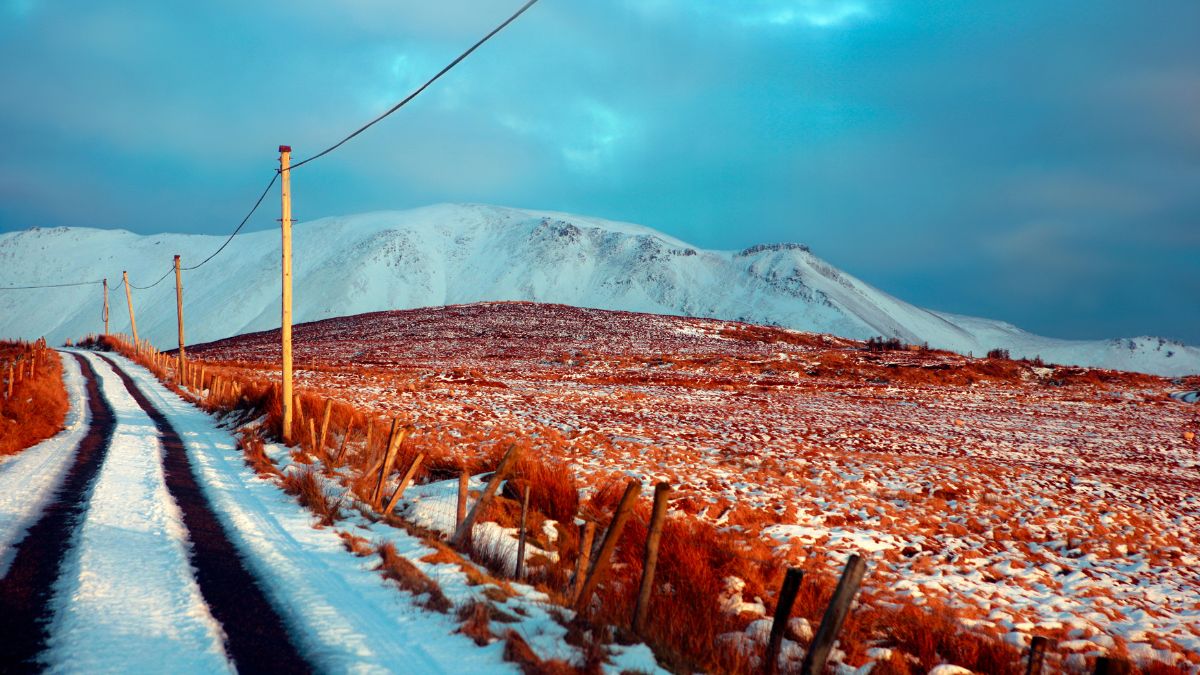
The arrival of winter in Ireland marks the start of the off-season and it can be a great time to visit if you don’t mind shorter days, rain and a few closed attractions.
The payoff is smaller crowds, cozy pubs with live music and sights you can often see without a queue. Daytime highs sit around 46°F to 50°F (8°C to 10°C) and lows around 37°F (3°C). This post covers the weather, daylight, closures, bookings and common mistakes so you can plan with confidence.
Why it’s worth visiting Ireland in winter
Ireland in winter suits travelers who value atmosphere over sunshine. Fires burn in pub grates, towns slow down, and flights and hotels often cost less outside Christmas and New Year. City breaks, castle stays and cultural trips fit the season best.
Long hikes, island hopping and big coastal drives need more flexibility. Short days and storms can change a plan overnight, so build flexibility into your schedule. I’d choose winter for cities and culture, and I’d save tight Wild Atlantic Way itineraries for months with longer daylight.
Winter months in Ireland: What to expect
The winter months in Ireland are December, January and February. Each month has a different feel, so your best pick depends on what you want from the trip.
Here’s how the three months compare:
- December: Festive lights, the shortest days of the year and peak demand around Christmas and New Year. Highs average approximately 50°F (10°C) and lows approximately 37°F (3°C).
- January: Quiet, affordable and among the coldest months. Highs average approximately 46°F (8°C) and lows approximately 37°F (3°C).
- February: Longer days, St. Brigid’s Day and steady rain. Highs average approximately 46°F (8°C) and lows approximately 36°F (2°C).
Recent winters have run mild and wet. Winter 2025/26 was the sixth season in a row with above-average temperatures, and rainfall finished approximately 13% above the long-term average. Pack for rain first and cold second.
Wind adds the chill. A 46°F afternoon with a gusting Atlantic wind feels sharper than the number suggests.
Daylight, driving and planning your day
On December 21, Dublin gets approximately seven and a half hours of daylight, with sunrise around 8:40 a.m. and sunset around 4:10 p.m. The earliest sunsets, near 4:07 p.m., arrive in mid-December. Schedule outdoor sights for late morning and early afternoon, and save museums, distilleries and pubs for the evening.
Rural roads are narrow and slow in any month. In December they add darkness, rain and frost on top, so check Met Éireann’s forecast for early-morning ice. I’d add approximately 30 minutes to any drive over two hours and avoid unfamiliar back roads at night.
First time driving on the left? A winter trip adds wet roads and early darkness to the learning curve. Base yourself in one or two places and use trains, buses or day tours for the rest.
Things to do in Ireland in winter
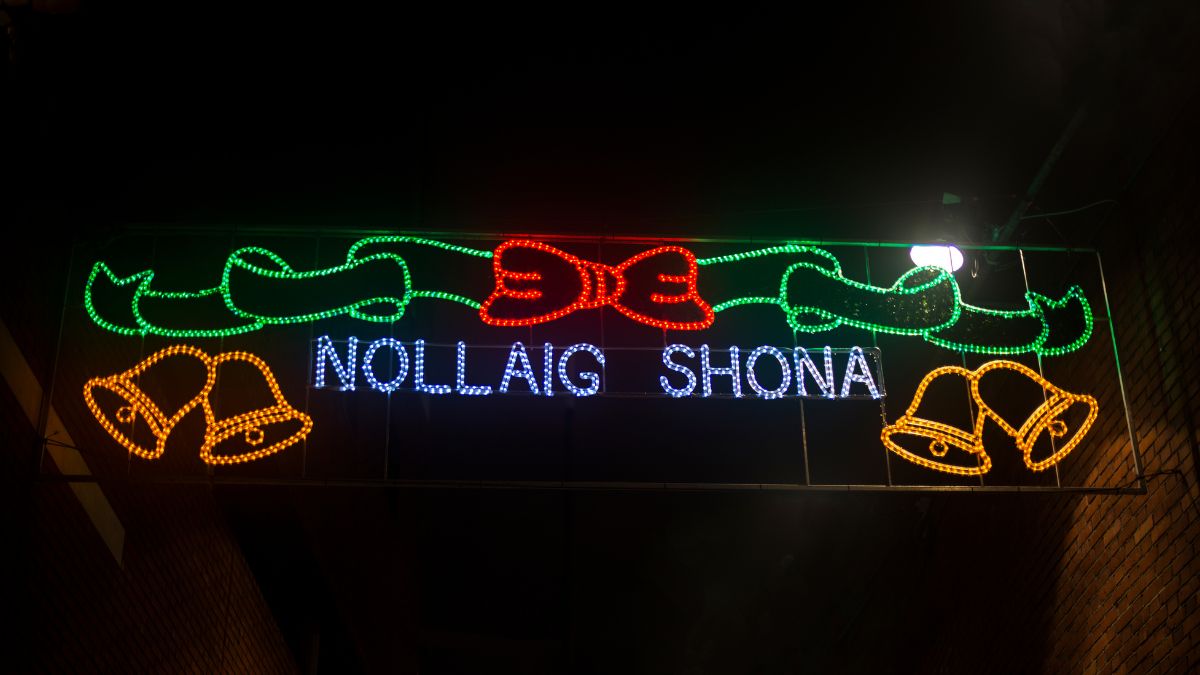
Winter trims the to-do list in some places and expands it in others. These experiences earn their spot on a cold-weather itinerary.
Festive lights, Christmas markets and St. Stephen’s Day
Cities and towns across the Republic of Ireland and Northern Ireland light up for the festive season, and Christmas markets open from mid-November. Galway’s fills Eyre Square, and Belfast’s takes over the grounds of City Hall.
December 26 is St. Stephen’s Day in the Republic and Boxing Day in Northern Ireland. Pubs open that day, and big-city sales commence.
The Wren Boys tradition, with straw costumes and music, still runs in places such as Dingle (An Daingean) in County Kerry.
The winter solstice at Newgrange
Newgrange is a passage tomb in County Meath, approximately 5,200 years old. Around the winter solstice, sunrise light travels down its passage and into the chamber.
Chamber places on the solstice mornings go to winners of a lottery. Tens of thousands of people enter for a few dozen places, and winners are notified following the October draw. If it’s on your list, enter before the draw next year.
Everyone else can gather outside the entrance to the Newgrange mound each morning from December 19 to 23, when sunrise is at 8:58 a.m. Reach the mound through the Brú na Bóinne Visitor Centre or go directly to the monument.
For a regular visit, book a timed guided tour online. Parking is at the visitor centre, where shuttle buses run to the monument.
The visitor centre sits approximately 35 miles (56 km) from Dublin, roughly a 50-minute drive. Knowth, a nearby tomb, is normally closed for the winter season, so confirm which tours run in the month you’re visiting.
Hikes, walks, scenic drives
Winter walking works best on low-level and coastal routes. Glendalough in County Wicklow and Killarney National Park in County Kerry both offer waymarked trails that suit a short day visit. Set off by late morning, carry a headlamp and tell someone your route.
Scenic drives work in winter when you keep the schedule loose. The Slea Head Drive on the Dingle Peninsula and the Causeway Coastal Route in Northern Ireland both deliver big views, though wind and rain can hide them. Drive in daylight and confirm that cafés and visitor centers along the route are open.
Indoor activities
Short days turn museums and distilleries into the backbone of a winter itinerary. In Dublin, EPIC The Irish Emigration Museum tells the story of Irish emigration, and Kilmainham Gaol, a former prison tied to the fight for independence, usually requires advance booking. In Belfast, Titanic Belfast tells the story of the ship built in the city, and prices there run in pounds sterling.
For a distillery tour, look at Jameson in Dublin or Bushmills in County Antrim, and book a timed slot if one is offered. Pair a morning indoors with an afternoon walk while the light lasts.
Pubs, trad sessions and Irish traditions
Winter is pub season. Plan at least one slow evening with live trad (traditional Irish music) and a fire in the grate. Session schedules change by season, so check each pub’s social media, website or call ahead.
January 6 brings Nollaig na mBan (Women’s Christmas), traditionally a day of rest for women. St. Brigid’s Day on February 1 marks the old festival of Imbolc and the traditional arrival of spring.
In the Republic, the St. Brigid’s Day public holiday falls on the first Monday of February.
What closes in winter and what to book ahead
Winter in Ireland runs on holiday schedules, and Christmas week changes everything. Here’s what to plan around:
- Christmas Day: Almost everything closes, including pubs, and public transport does not operate. Fill the fuel tank and stock snacks beforehand, since many service stations close too.
- December 26: Pubs open and big-city shops host sales. Buses and trains run limited timetables, and most small-town shops stay closed.
- January 1: Expect a quiet day, with most shops and pubs closed or opening late and closing early, and public transport on a restricted timetable.
- Cliffs of Moher: In County Clare, the Cliffs of Moher Visitor Experience runs 9 a.m. to 5 p.m. from November through February and closes December 24 to 26. Last entry to the exhibition is approximately 20 minutes before closing (hours checked November 2026). The Cliffs follow Met Éireann weather warnings, so check conditions before you drive.
- Seasonal attractions and ferries: Many rural attractions, cafés and island ferries shorten their hours between November and March, and Skellig Michael closes to visitors for winter. Confirm every stop the week you travel.
Book these early:
- Christmas and New Year stays: Flights and hotels peak as people travel home. January and early February usually offer the lowest rates.
- Newgrange tours: Tickets carry a timed slot, so reserve online.
- Christmas Day dinner: If you’re staying put, ask your hotel about a Christmas dinner before you book the room.
- Rental car: I’d reserve early for the Christmas weeks and confirm the insurance terms.
Snow and wildlife in Ireland in winter
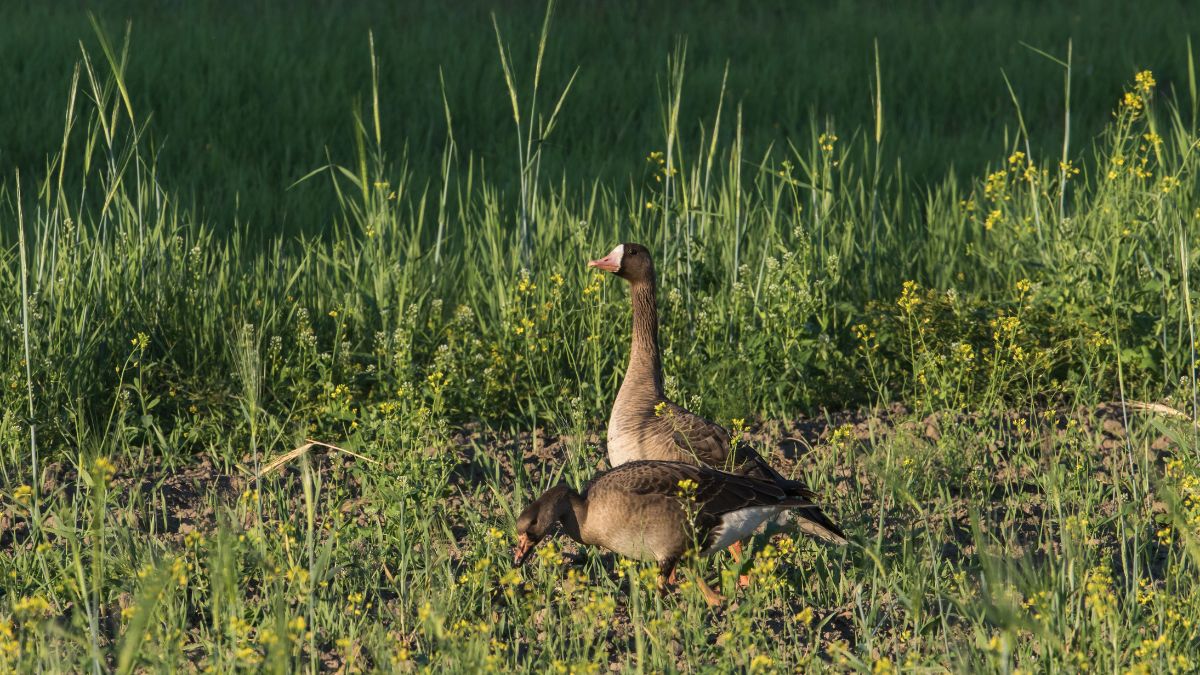
Winter changes the landscape as well as the schedule, with snow on the high ground and wildfowl on the wetlands.
Snow in Ireland
Treat snow as a bonus, not a plan. Low-lying and coastal areas rarely get snow, while upland areas such as the Wicklow Mountains in the Republic and the Mourne Mountains in Northern Ireland get snow more often. Snow that does fall at low levels rarely lasts more than a few days.
On rural roads, frost and ice matter more than snow, so check Met Éireann’s forecast and keep one flexible day in your plan.
Winter wildlife
Winter is prime time for birdwatching. Thousands of Greenland white-fronted geese winter on the Wexford Slobs in County Wexford from approximately October to April. The Wexford Wildfowl Reserve there has viewing hides.
Whooper swans also arrive from Iceland and spread across lakes and wetlands in the Republic and Northern Ireland. Brent geese winter along the coast, on estuaries and mudflats such as Dublin Bay and Strangford Lough. Bring binoculars and waterproof boots, since dawn and dusk usually give the best viewing.
Redwings, small thrushes from Iceland and Scandinavia, are widespread winter visitors from October to March. Look for flocks in open lowland fields and berry-laden hedgerows, or in gardens with berry bushes.
Red foxes stay active all winter, and scarce food often draws them closer to homes and farms. Dusk is the best time to look.
Grey seals breed from approximately September to December on remote beaches and offshore islands, so early December visitors may spot white-coated pups. Watch from a distance and keep dogs well away, since pups are easily disturbed.
Where to base yourself for winter in Ireland
Choose cities and towns first. Dublin, Belfast, Galway and Cork keep museums, cafés and pubs open through the short days, and public transport links them.
The Republic of Ireland uses the euro (€). Northern Ireland is part of the United Kingdom and uses the pound sterling (£). Carry a card with low foreign fees if you plan to cross the border.
On the west coast, I’d pick one base, such as Dingle or Galway, and drive loops from it instead of moving every night. Castle stays and country hotels suit the season, and I’d book them early.
Common mistakes when planning winter in Ireland
Most winter problems come from the same six mistakes:
- Packing for cold instead of rain: A waterproof jacket with a hood and waterproof shoes matter more than a heavy coat. Wool and fleece layers handle the swings in temperature.
- Overpacking your itinerary: Four or five stops a day works in June. In December, two main stops and a long lunch fit the daylight.
- Assuming every stop is open: Check hours the week you travel, especially for rural attractions.
- Driving unfamiliar roads at night: Narrow lanes, rain and frost add up quickly. Finish long drives by mid-afternoon.
- Treating Christmas week like any other week: Transport stops, shops close and prices rise. Plan meals, fuel and transfers in advance.
- Skipping the forecast: Met Éireann issues weather warnings, and attractions such as the Cliffs of Moher follow them. Keep one flexible day in your plan for unexpected interruptions due to the weather.
Winter in Ireland FAQs
Here are quick answers to the questions travelers ask most about winter in Ireland
What months are winter in Ireland?
Winter in Ireland covers December, January and February, which is the definition Met Éireann uses. The shortest day falls on December 21. January and February bring the coldest weather.
How cold is it in Ireland in winter?
Cold, though rarely harsh. Daytime highs usually reach 46°F to 50°F (8°C to 10°C), and nights drop to approximately 36°F to 37°F (2°C to 3°C). Frost is common inland and wind makes it feel colder, so layers and a waterproof shell matter more than a heavy coat.
Is Ireland worth visiting in winter?
Yes, if you value quiet sights, cozy evenings and lower rates outside the holidays more than long daylight. Choose a base, check opening hours and keep one flexible day for weather interruptions. Pick another month if your priority is coastal hiking or island hopping in settled weather.
Does Ireland get snowfall?
Snow is rare at sea level. Met Éireann records one or two snow days a year on the coast, up to 10 inland and as many as 30 in the mountains.
A white Christmas is rarer still, with snow lying on the ground at 9 a.m. on December 25 only nine times since 1961 (specifically in 1964, 1970, 1980, 1993, 1995, 1999, 2004, 2009 and 2010). Upland areas such as the Wicklow Mountains have the best odds of a snowy view.
What is a must buy in Ireland?
Irish wool is my winter pick, from sweaters and scarves to blankets worth their luggage space. Irish whiskey, tea and handmade market crafts are popular souvenirs too.
Visitors from outside the European Union may be able to reclaim VAT (value-added tax) on larger purchases, so ask the shop before you pay.
Your next step for planning winter in Ireland
Winter in Ireland rewards a flexible plan, a waterproof jacket and a lighter itinerary than you’d plan for July. Choose your base, confirm opening hours for each stop and book the few items worth securing early, such as Newgrange tours and Christmas week stays. If the holidays are your target, read our Christmas in Ireland guide next.
