
A proper Irish Christmas cake is baked weeks before anyone cuts it, then fed spoonfuls of brandy or whiskey until the big day. The Christmas pudding is made approximately five to six weeks before Christmas. Every member of the household takes a turn stirring the batter, often clockwise for good luck, while silently making a wish for the year ahead.
Irish Christmas foods come with a few unwritten rules like these, and the dozen tabs you have open probably disagree on half of them. Traditional Irish Christmas foods include roast turkey and glazed ham, served with stuffing, roast potatoes and vegetables, followed by Christmas pudding, rich fruit cake and mince pies. Cold turkey and ham sandwiches take over on St. Stephen’s Day (December 26).
This post walks through the meals in order, with the drinks, the sweets and the practical points that help you plan, such as what closes on Christmas Day and what to book ahead.
What are the traditional Irish Christmas foods?
Think of the Irish Christmas table as a run of meals rather than one big dinner. Here’s the quick version:
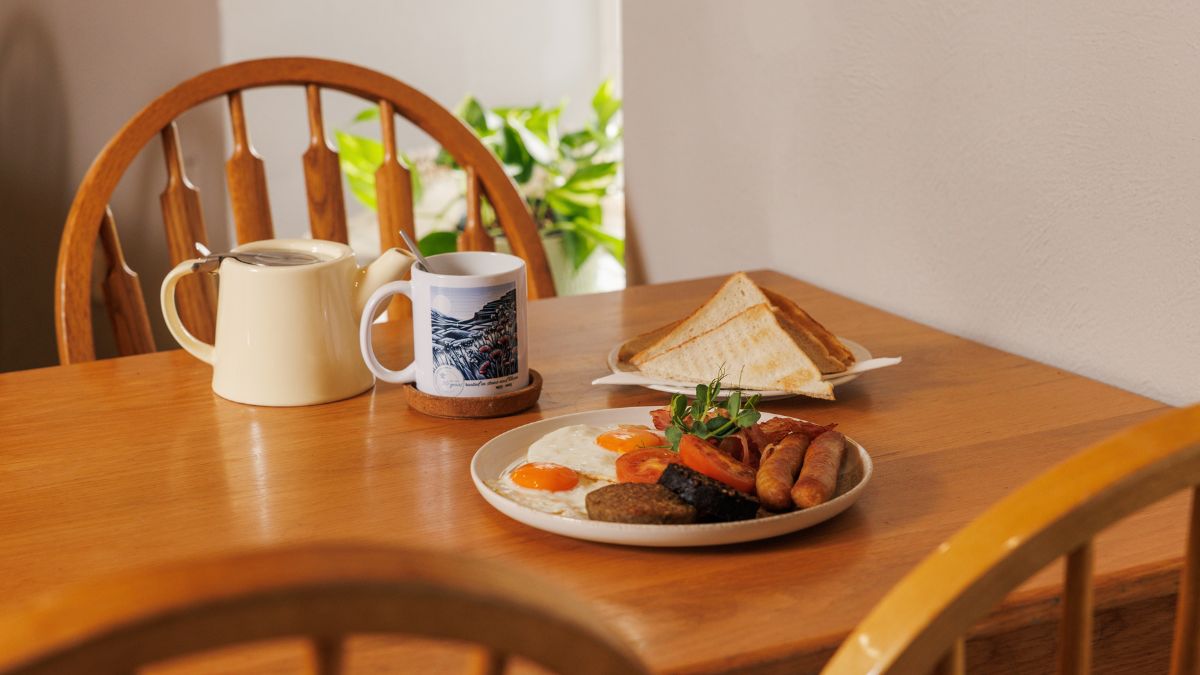
- Christmas morning: A full Irish breakfast.
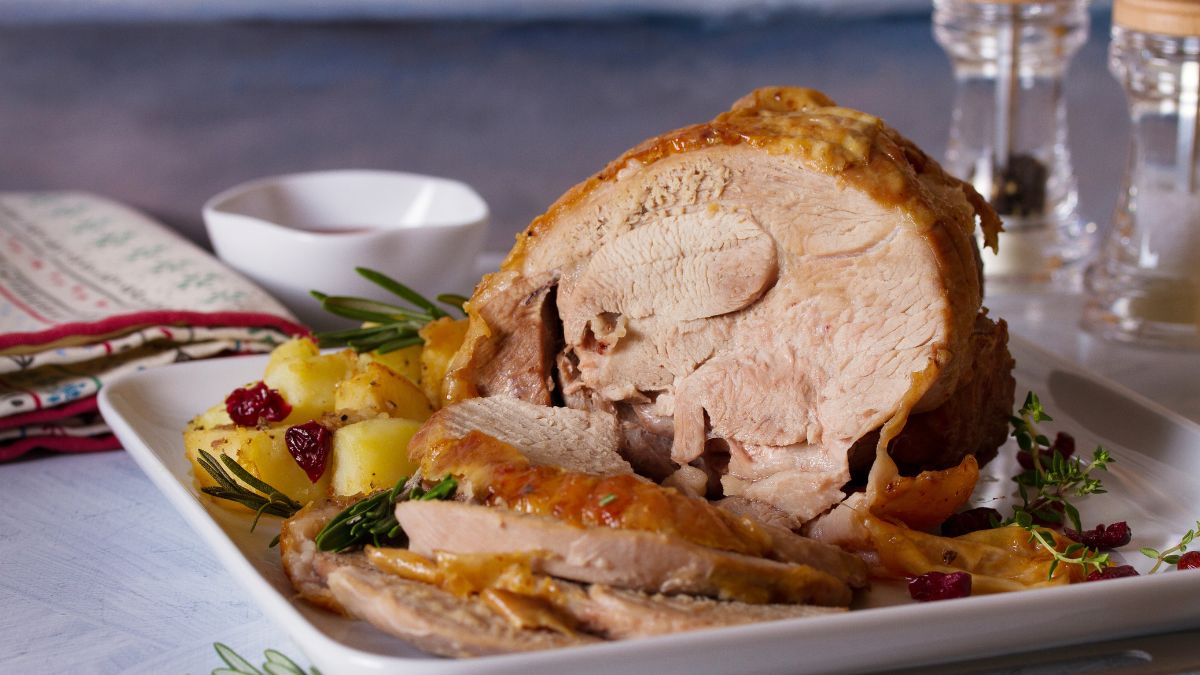
- Christmas Day dinner: Roast turkey and glazed ham with stuffing, potatoes and vegetables.
- Dessert: Christmas pudding, Christmas cake, mince pies and sherry trifle.
- Drinks: Irish coffee, hot whiskey, Baileys, mulled wine and a strong pot of tea.
- St. Stephen’s Day: Cold meat sandwiches, soup and whatever’s left of the trifle.
Irish Christmas Eve dinner: finger foods, takeaways and no set menu
There’s no standard Irish Christmas Eve dinner. It isn’t a universally celebrated day, and the menu differs from household to household. Most families serve buffet-style finger foods or order takeaways, since they spend the day preparing for December 25.
Christmas Eve traditions include lighting a candle in the front window, attending Midnight Mass and leaving treats for Santa (Santy).
Traditional Irish Christmas breakfast
For many households, a traditional Irish Christmas breakfast is a full Irish: rashers (bacon), sausages, eggs, and black and white pudding (savoury pork and oatmeal sausages, with blood in the black version). Depending on the household, beans, mushrooms and fried bread may also be served. A cup of tea or coffee is served with it.
Keep it light if you can. Dinner is the main event, and breakfast should leave room for it.
Traditional Irish Christmas appetizers
Starters are a key part of an Irish Christmas dinner, but they vary massively from home to home. The classics:
- Smoked salmon: Served with brown soda bread, butter and a squeeze of lemon.
- Prawn cocktail: Prawns in Marie Rose sauce (a mix of mayonnaise, tomato ketchup, and a dash of Worcestershire sauce or cognac) over lettuce, a retro favorite on many Irish tables.
- Soup: Vegetable soup or a seafood chowder, served with brown bread and plenty of butter.
- Irish cheese board: Farmhouse cheeses such as Cashel Blue (County Tipperary), Gubbeen (County Cork) and Durrus (County Cork), with crackers and chutney.
I’d pick smoked salmon every time. It’s easy, it’s Irish and it leaves room for what comes next.
Irish Christmas dinner: turkey, ham and all the trimmings
Christmas dinner is the centerpiece of Irish Christmas foods, and it follows a reliable script. The meat comes first, then the sides that fill every inch of the plate.
Turkey, ham and the goose question
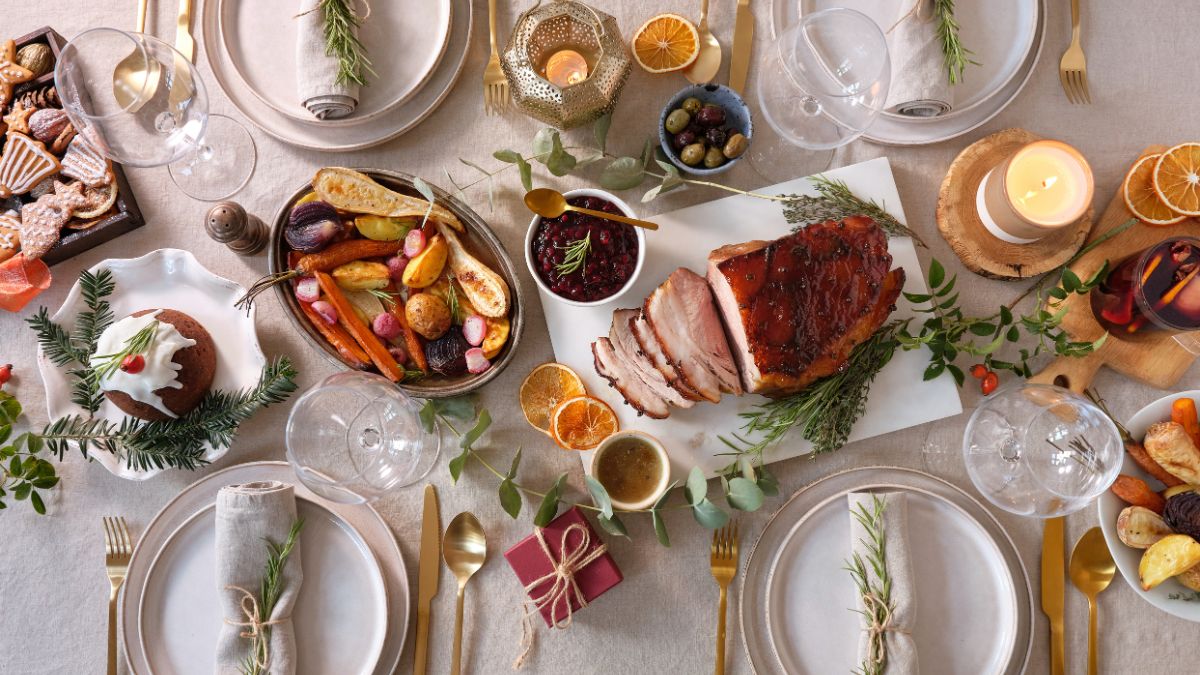
Roast turkey and glazed ham share the table in many Irish homes. The ham is usually boiled first, then roasted with a glaze of cloves, mustard and honey or brown sugar.
Goose was the traditional bird before turkey took over, and a few households still roast one. Spiced beef, a cured joint sliced cold, also turns up over the holidays, particularly in County Cork.
Sides, stuffing and sauces
The plate fills quickly. Expect:
- Bread stuffing flavored with herbs and onion.
- Potatoes served in every way imaginable.
- Brussels sprouts, carrots and turnips, often with cauliflower cheese tucked in beside the ham.
- Cranberry sauce and plenty of gravy.
Having potatoes in several forms on one plate is standard, not excessive.
Irish Christmas sweets: pudding, cake and mince pies
Planning for dessert starts weeks in advance. The pudding and the cake both need time to mature, so they’re the first Irish Christmas sweets to hit the kitchen.
Irish Christmas cakes
Irish Christmas cakes are rich fruit cakes, covered in marzipan and royal icing. Many bakers prepare them in October or November, then “feed” them with a spoonful of whiskey or brandy every week or so until Christmas.
Baking one at home? Aim to finish by early November so the flavors have time to deepen.
Christmas pudding in Ireland
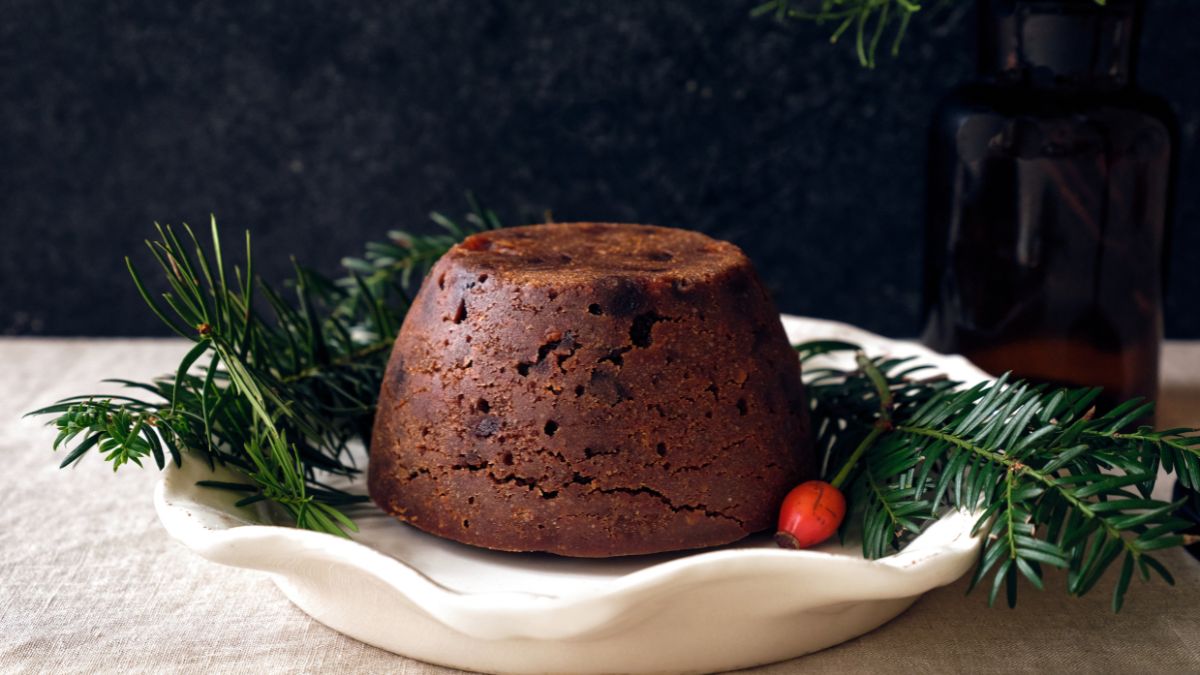
Christmas pudding shares many ingredients with Irish Christmas cake. However, it’s steamed for hours and served hot with custard, brandy butter or a white sauce laced with alcohol.
It’s traditionally known as plum pudding. In Victorian times, cooks added dried plums or prunes to stretch the costly, exotic dried fruit.
The traditional way to serve it is to turn the pudding out onto a plate, pour brandy over it and set it alight for a dramatic finish.
Mince pies and sherry trifle
Mince pies are a seasonal treat, and shops often stock them only around Christmas.
These small pastries were once filled with mincemeat made from mutton and other meats. That meaty version dates from the Middle Ages (approximately the 11th to 14th centuries) and lasted through the 18th and 19th centuries. By the late Victorian era and early 20th century, mince pies had become sweet, fruit-only treats.
Today’s mince pies are filled with apple, spices, currants, sugar and suet. The mix is slow-cooked and preserved with a generous splash of brandy or sherry.
Trifle layers sherry-soaked sponge, fruit, jelly, custard and cream. It tastes as good as it looks, so save room for a serving or two.
Irish Christmas cookies, treats and crackers
Traditional Irish Christmas treats are shared, grazed on and passed around. Open the tin, pass the tin.
Biscuits and chocolates
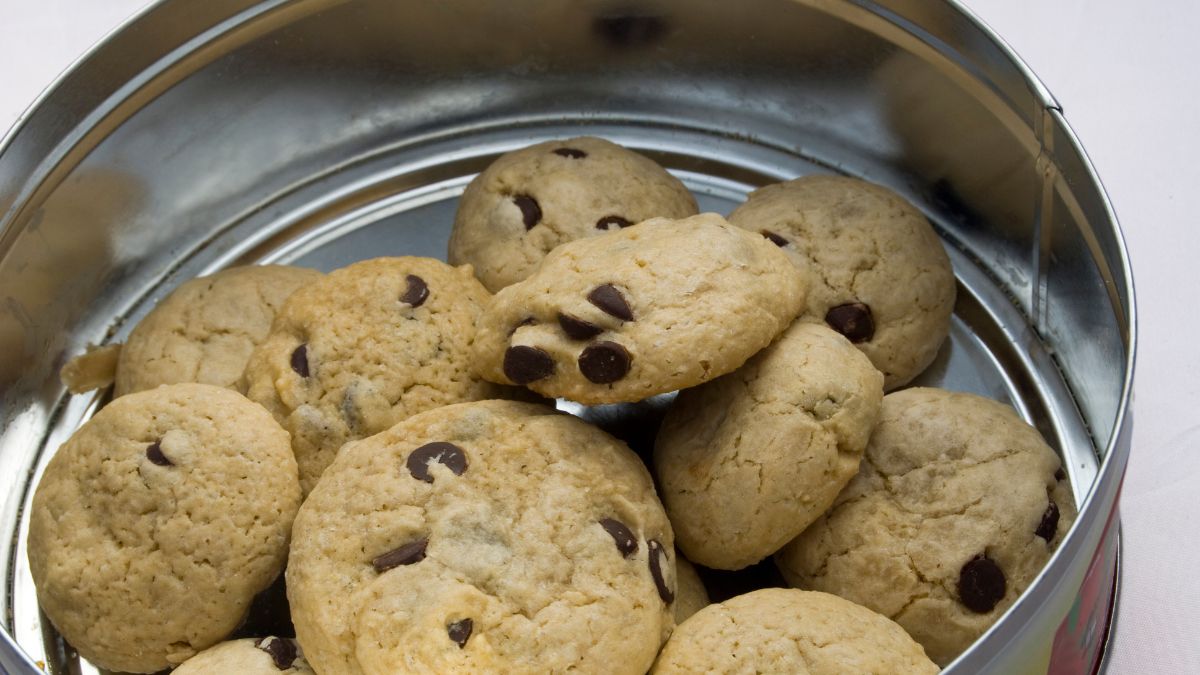
In Ireland, cookies are biscuits. Irish Christmas cookies mean shortbread, ginger biscuits and iced gingerbread in festive tins.
The chocolate side belongs to selection boxes (boxed sets of mini chocolate bars, popular with children), tins of Roses and Quality Street, and boxes from Irish makers such as Butlers (Dublin) and Lily O’Brien’s (County Kildare).
Christmas crackers and cheese crackers
Irish Christmas crackers are the paper tubes at each place setting. Two people pull, the cracker bangs, and a paper crown, a joke, and a small toy come out.
Following dinner, the cheese board returns with the other kind of crackers. Wear the crown for both.
Irish Christmas drinks
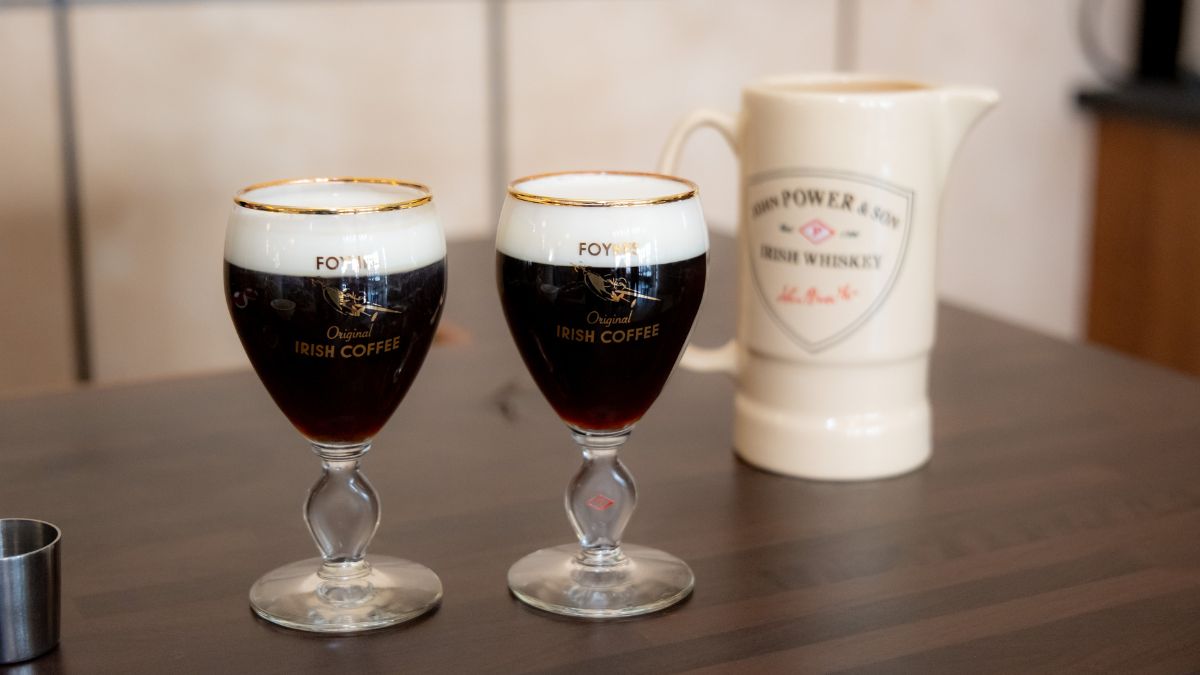
Before the first sip comes the toast. Sláinte (SLAWN-cha, meaning “health”) is the standard.
Then pour from this list:
- Irish coffee: Hot coffee, Irish whiskey and brown sugar, topped with lightly whipped cream left unstirred.
- Hot whiskey: Irish whiskey, hot water, cloves, a slice of lemon and sugar or honey.
- Baileys: Irish cream liqueur, poured over ice or into coffee.
- Mulled wine: Warm spiced wine, sold at Christmas markets in places such as Galway (Republic of Ireland) and Belfast (Northern Ireland). You can also make your own at home with this mulled wine recipe.
- Hot spiced port: Port warmed with spices and citrus.
- Stout and tea: A pint of Guinness with dinner, or a strong pot of tea beside the cake.
What to eat on St. Stephen’s Day
December 26 is St. Stephen’s Day in the Republic of Ireland and Boxing Day in Northern Ireland, which is part of the United Kingdom. The menu is leftovers, and plenty of households look forward to them.
- Cold turkey and ham sandwiches, with mustard or chutney.
- Soup made from the ham stock.
- A turkey and ham pie.
- Trifle, if any survived.
What do Irish people leave out for Santa Claus?
Santa gets a snack in Ireland too, as he does in the United States and Canada.
The usual plate holds a mince pie, a few biscuits or a slice of cheese with crackers.
Many Irish households also leave a drop of Guinness, and some Cork families put out a bottle of Murphy’s Stout instead. Santa (or Santy, the Irish nickname) has a long, cold night ahead, after all.
Eating out at Christmas in Ireland
Trying these dishes in Ireland takes forward planning, since the country slows down on December 25. For more on how the holiday plays out, see this post on Christmas in Ireland.
- Christmas Day dining: Many restaurants and pubs close on December 25. Hotels often serve a set Christmas lunch, and those fill up early, so book weeks ahead.
- Shops and supermarkets: Most close on December 25 and some on December 26. Stock up on December 24 if you’re self-catering.
- Transport: Public transport runs a limited service or stops entirely on December 25 and 26.
- Currency: The Republic of Ireland uses the euro. Northern Ireland uses the pound sterling.
Common mistakes with Irish Christmas foods
A few mistakes catch people out every year:
- Looking for barmbrack: Barmbrack (báirín breac, meaning “speckled loaf”) is a Halloween tradition, not a Christmas one.
- Asking for cookies: Ask for biscuits.
- Mixing up pudding and cake: They’re two different desserts, and both appear on the table.
- Baking the cake late: It needs weeks to mature.
- Assuming everything opens on December 25: Plan meals and groceries ahead.
Irish Christmas foods FAQs
What is a traditional Christmas food in Ireland?
Roast turkey with glazed ham is the best-known Christmas dinner. Christmas pudding is the best-known dessert. Together, they make up the core of traditional Irish Christmas foods.
What is a traditional Irish Christmas dessert?
Christmas pudding is the most traditional, usually served with brandy butter, brandy sauce or custard. Christmas cake, mince pies and trifle is a close second. Many households serve two or three of them on the same day.
What are some traditional Irish Christmas treats?
Shortbread, ginger biscuits, selection boxes and tins of chocolates are common. Mince pies and a slice of Christmas cake with tea belong on the list too. A cheese board with crackers often appears following dinner.
What foods do Irish people eat on Christmas?
The day usually starts with a full Irish breakfast. Dinner includes turkey, ham, stuffing, potatoes and vegetables, with pudding, cake and trifle afterwards. Cold cuts and leftovers carry on through St. Stephen’s Day.
What are some traditional Irish Christmas traditions?
A candle in the window, Mass on Christmas Eve night and cooking the pudding weeks ahead are classics. St. Stephen’s Day follows on December 26, and Nollaig na mBan (Women’s Christmas) falls on January 6.
Bring Irish Christmas foods to your own table
Irish Christmas foods reward patience. The cake needs weeks, the pudding needs a wish and the ham needs a good glaze. Whether you’re sitting down in Ireland or setting the table at home, the pattern is the same: breakfast first, feast second, leftovers last.