

Christmas in Ireland spans from early December to January 6, and December 25 itself is the quietest day of the season. Almost everything closes, including pubs and public transport, so the best moments fall on either side.
Is it worth the planning? Yes, if you book early and treat December 25 as a slow day. Christmas Eve brings candles in windows, Christmas morning brings charity swims, and St. Stephen’s Day brings horse racing and Wren Boys.
This post covers what’s open and closed, the traditions worth seeking out, the food on the table and where to base yourself. Use it to build a plan that holds from the first market in November to the last day of the season on January 6.
Christmas in Ireland at a glance
The season runs longer than a single day. Traditionally it runs from December 8 through January 6.
Here’s the timeline:
- December 8: The Feast of the Immaculate Conception, a Catholic holy day that traditionally marked the start of the Christmas season. Families once traveled from the country to Dublin, Cork or Galway to shop, and many people now use the day to put up trees and decorations.
- December 24: Candles go in the windows, and many people attend Midnight Mass.
- December 25: Charity swims in the morning, family dinner in the afternoon and almost everything else closed.
- December 26: St. Stephen’s Day in the Republic of Ireland and Boxing Day in Northern Ireland, with pubs reopening, horse racing and Wren Boy processions.
- December 27 to January 5: Quiet holiday days, with decorations traditionally staying up until January 6.
- January 6: Nollaig na mBan (Women’s Christmas), the traditional close of the season. Traditionally, it’s a day of rest for women after weeks of looking after everyone else.
What’s open and closed during Christmas week
Christmas week changes how the country runs. Here’s what to plan around:
- Christmas Day: Almost everything closes, including pubs, and public transport does not operate. Fill the car’s fuel tank and stock snacks beforehand, since many service stations close too.
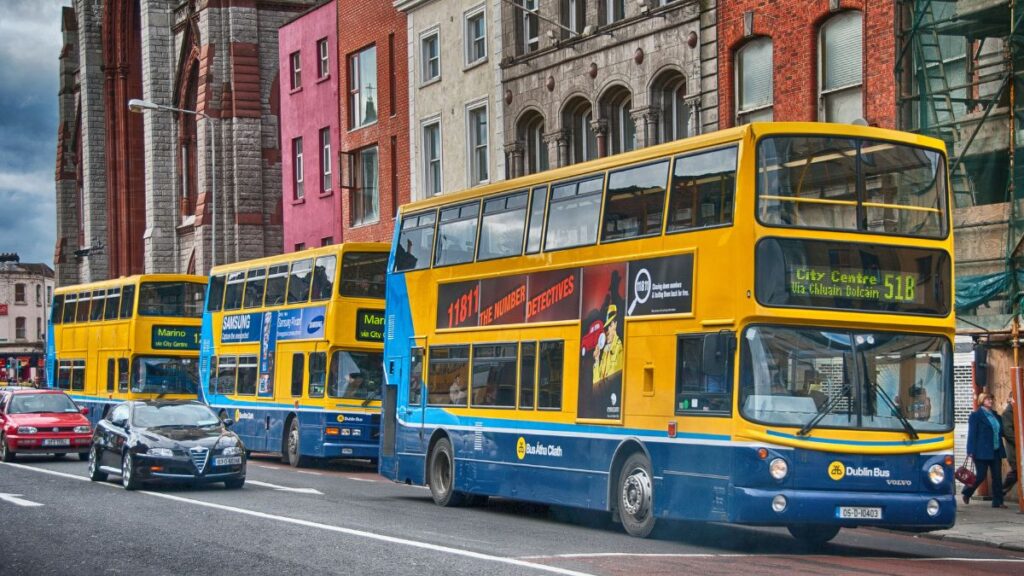
- December 26: Pubs open and big-city shops host sales. Buses and trains run limited timetables, and most small-town shops stay closed.
- January 1: Expect a quiet day, with most shops and pubs closed or opening late and closing early, and public transport on a restricted timetable.
- Attractions: Holiday hours vary, so check each attraction’s website before you travel.
Book these early:
- Christmas Day dinner: If you’re staying put, ask your hotel about Christmas dinner before you book the room.
- Flights and hotels: Prices peak as people travel home for the holidays.
- Rental car: I’d reserve early for the holiday weeks and confirm the insurance terms.
Christmas traditions in Ireland you can join
Irish Christmas traditions mix church, family, and plenty of fresh air. These are the ones visitors can see or join.

The candle in the window
On Christmas Eve, many homes put a lit candle in the front window. The candle signals welcome to the Holy Family and to any stranger or traveler passing by. It also remembers loved ones living abroad.
In 1990, President Mary Robinson put a light in a window of Áras an Uachtaráin, the president’s residence, as a sign of welcome to Irish emigrants. Irish American families have kept the candle burning for generations, so for many of them it’s the Christmas custom they already know.
Midnight Mass and Christmas Day
Midnight Mass on Christmas Eve remains a custom in many parishes. Churches fill again on Christmas Day, with people home from abroad swelling the numbers.
The Christmas Day swim
On Christmas morning, people across Ireland plunge into the sea, usually for charity. The Forty Foot in Sandycove, County Dublin, draws Ireland’s biggest crowds.
Other popular swims run at Salthill in Galway, Dingle in County Kerry and Newcastle in County Down. Arrive early if you plan to watch, since traffic has backed up for miles on Christmas morning in recent years.
St. Stephen’s Day: Wren Boys and racing
December 26 is St. Stephen’s Day (Lá Fhéile Stiofáin) in the Republic and Boxing Day in Northern Ireland. Wren Boys, groups in costume who go door to door with music, still parade in places such as Dingle (An Daingean) in County Kerry.
The Leopardstown Christmas Festival, a four-day horse racing meeting in south County Dublin, begins on December 26 and runs through December 29 in 2026. Limerick holds a racing festival over the same days, and Down Royal in Northern Ireland runs a Boxing Day meeting.
Nollaig na mBan on January 6
January 6 is Nollaig na mBan (NULL-ig na mon), or Women’s Christmas, also called Little Christmas. Traditionally women rested on the day while others took over the household work, and the custom has been revived as a day for women to gather.
Newer customs
Not every Christmas custom in Ireland is old. The 12 Pubs of Christmas, a festive route around 12 local pubs in Christmas jumpers, grew popular in the mid-2000s. Many children leave mince pies out for Santa, and some households add a Guinness.
Christmas food in Ireland

Christmas food in Ireland starts with a big Christmas morning fry-up and ends days later with leftover sandwiches. Here’s what lands on the table in between.
Turkey, ham and spiced beef
Turkey and ham share the plate at most Irish Christmas dinners, served with roast potatoes, stuffing, gravy and vegetables such as Brussels sprouts. Turkey is the newcomer, since the birds arrived in Ireland in the 16th century, while ham has been a Christmas staple for generations.
In County Cork and parts of County Limerick, spiced beef also appears. This cured joint of beef carries spices such as pimento, cinnamon, cloves and ginger, and it is often cooked in the days around Christmas.
Puddings, cakes and mince pies
Christmas pudding is a rich fruit pudding, often served with brandy poured over it and set alight. Christmas cake is an iced fruit cake with a family recipe behind it, often enjoyed with a glass of whiskey.
Mince pies are small pastries filled with spiced dried fruit and no meat, and visitors can expect to be offered one at any hour. Sherry trifle, layered with sponge, custard, fruit jelly and cream, rounds out the table.
Warm drinks
Hot whiskey, made with Irish whiskey, hot water, cloves, lemon and sugar, is the classic winter warmer. Irish coffee, said to have been created at Foynes in County Limerick in the 1940s, suits a cold afternoon.
Christmas markets and lights
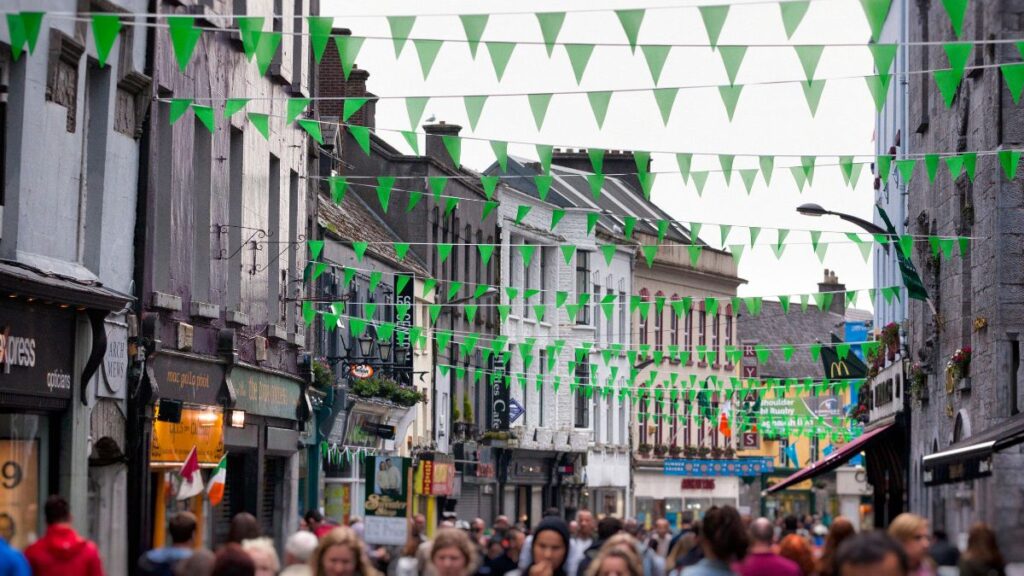
Christmas markets in Ireland open in November, and most close before December 25. Festive lights go up in cities and towns across the Republic and Northern Ireland over the same weeks. Galway’s market in Eyre Square opens November 6, Belfast’s at City Hall runs November 14 to December 22, and Kilkenny’s Yulefest opens November 28 on The Parade beside Kilkenny Castle.
Cork and Waterford run festive programs too.
Where to base yourself for Christmas in Ireland
Pick one base and stay put through December 26. That keeps the closed days relaxed instead of stressful.
Here’s how the options compare:
- Dublin: Fits the Forty Foot swim and Leopardstown racing into a single trip.
- Galway: Pairs the Eyre Square market with a Christmas Day swim at Salthill and the Wild Atlantic Way beyond.
- Kilkenny: Suits a small-city Christmas, with Yulefest beside Kilkenny Castle.
- Belfast: Offers the City Hall market and Boxing Day in Northern Ireland, with prices in pounds sterling.
- A country hotel or castle stay: Suits a quiet Christmas Day with meals taken care of. Ask what’s included before you book.
Common mistakes when planning Christmas in Ireland
Most Christmas trip problems come from the same six mistakes:
- Assuming pubs open on December 25: Most close, so plan dinner and fuel in advance.
- Relying on public transport on December 25 and 26: Nothing runs on December 25, and timetables stay limited on December 26.
- Booking late: Flights, hotels and Christmas dinner fill up early.
- Planning long drives in the dark: Sunset falls around 4:10 p.m. on December 21, and rural roads are narrow and slow.
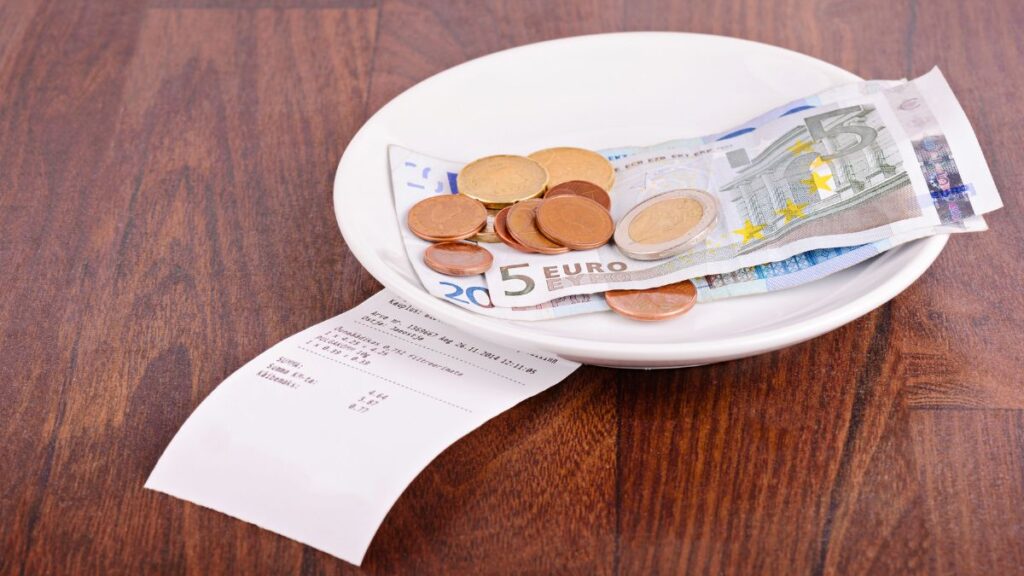
- Mixing up the Republic and Northern Ireland: The Republic uses the euro and St. Stephen’s Day, while Northern Ireland uses the pound sterling and Boxing Day.
- Packing for snow: Rain is more likely, so bring a waterproof jacket and layers.
Christmas in Ireland FAQs
Here are quick answers to the questions travelers ask most about Christmas in Ireland.
How do Irish celebrate Christmas?
Irish families mark Christmas with a candle in the window on Christmas Eve, Midnight Mass in many parishes and a family dinner of turkey and ham on December 25. Some also take a morning swim in the sea, usually for charity. December 26 brings St. Stephen’s Day with racing and Wren Boys, and the season closes on January 6 with Nollaig na mBan.
Is Christmas a good time to go to Ireland?
Yes, if you plan around the closures. Markets and lights run from November, Christmas Eve and St. Stephen’s Day hold the best traditions, and December 25 is the one quiet day. Prices peak around the holidays, so book flights, rental cars and hotels early.
Where is the best place in Ireland to spend Christmas?
I’d choose Dublin or Galway, since both combine markets, a Christmas Day swim and open pubs on December 26. Kilkenny suits a small-city Christmas, Belfast adds the City Hall market and a Boxing Day in Northern Ireland, and a country hotel or castle stay suits a quiet Christmas Day. Pick one base and stay put through December 26.
How do Irish say “Merry Christmas”?
Nollaig Shona duit means Happy Christmas to you. For more than one person, say Nollaig Shona daoibh. Cards and signs often carry only Nollaig Shona.
What is a Christmas tradition in Ireland?
The candle in the window is the best known. On Christmas Eve, a lit candle signals welcome to the Holy Family, to strangers and to loved ones living abroad. Other customs include Midnight Mass, the Christmas Day swim and Wren Boys on St. Stephen’s Day.
Your next step for planning Christmas in Ireland
Christmas in Ireland rewards a plan built around the days that open and the days that close. Choose your base, book dinner and transport early, and save December 25 for the quiet. To check the weather, daylight and winter closures before you go, read our Winter in Ireland guide next.